2027 Best Professional Certificates for In-Demand Careers

Co-Founder and Chief Data Scientist
Choosing a short career credential is difficult when a certificate, certification, license, and degree can lead to very different opportunities. Professional certificates can build targeted skills faster than a traditional degree, but they are not interchangeable with industry certifications or state licenses.
U.S. Bureau of Labor Statistics projections published in 2024 show healthcare support occupations are projected to grow faster than the average for all occupations through 2033. This guide compares practical certificate paths, expected requirements, costs, delivery options, and career limits so you can choose training that fits your actual job goal.
Key Things You Should Know
- A professional certificate is education completed through a college, university, employer, or training provider; an industry certification is a separate credential typically earned by meeting an organization's standards and passing an exam.
- For hands-on careers, verify whether your state requires licensing: a short certificate may prepare you for an exam but may not itself authorize you to practice.
- Use occupation-level data carefully: BLS reported a $48,980 median annual wage for all occupations in May 2024, but earnings vary substantially by role, location, experience, and employer.
Top 10 Best Professional Certificates for In-Demand Careers
Popular Trade School Programs
Trade certificates emphasize job-ready, hands-on training in areas such as welding, HVAC, electrical work, plumbing, diesel technology, and commercial driving. Many programs take months rather than years, but apprenticeships and state licensing may still be required. HVAC and electrical paths often suit learners who want fieldwork and paid apprenticeship options; CDL programs suit those meeting medical and driving eligibility rules.
Compare shop hours, equipment access, employer partnerships, exam preparation, and required tools. An associate degree can add general education and management coursework, but it is not always necessary for entry-level trade work.
Healthcare Programs
Common healthcare certificates include medical assisting, phlebotomy, pharmacy technician, dental assisting, practical nursing, and medical billing and coding. Clinical programs require supervised in-person experiences even when lectures are online. Before enrolling, confirm that the program meets your state's rules and the eligibility requirements of the certification exam you intend to take.
Nursing and many allied-health roles have especially strict approval requirements. Healthcare certificates fit people seeking patient-facing or administrative entry points, while roles such as registered nurse, sonographer, or radiologic technologist commonly require longer approved education.
Criminal Justice / Law Programs
Certificates in paralegal studies, legal assisting, corrections, crime scene support, cybersecurity, and emergency management can develop foundational procedural and documentation skills. A paralegal certificate may be especially useful for people who already hold a degree in another field; employers may prefer programs approved by recognized legal-education bodies.
Completion does not permit someone to practice law or represent clients as an attorney. Police officer eligibility, peace-officer training, background checks, and academy requirements vary by agency and state. Choose programs with realistic internships, legal research instruction, and clear statements about career eligibility.
Arts & Design Programs
Graphic design, UX design, digital marketing, photography, animation, web design, and interior design certificates can help learners create focused portfolios. These programs are strongest when they include current software, critique, client-style projects, and a portfolio review rather than only recorded lessons.
A certificate can demonstrate skills, but employers often evaluate design candidates primarily through work samples and relevant experience. Interior design may involve state-specific title or licensure rules. An associate degree can offer broader studio foundations, while a short certificate can work well for career changers building a targeted portfolio.
What are professional certificate programs and who are they best suited for?
A professional certificate is a focused educational credential awarded after completing a defined curriculum. It may be credit-bearing through a college or noncredit through a university extension division, employer, or training provider. It differs from a certification such as a CompTIA, project management, or clinical credential, which is awarded by a certifying body and may require an examination, renewal, or work experience.
Professional certificates are often best for career changers, working adults needing a defined skill set, and experienced workers updating tools or moving into a related specialty. They are less suitable when a target occupation legally requires a degree, approved clinical education, apprenticeship, or license. Before paying, identify the exact job posting you want and work backward to its minimum education, certification, and experience requirements.
The following comparison helps distinguish common short-form options that are often confused with one another.
| Option | What you earn | Best use | Important limitation |
| Professional certificate | Educational credential after coursework | Structured skill building or career transition | May not meet certification or licensing rules |
| Industry certification | Professional credential from a certifying organization | Demonstrating tested standards | May require renewal, exams, or experience |
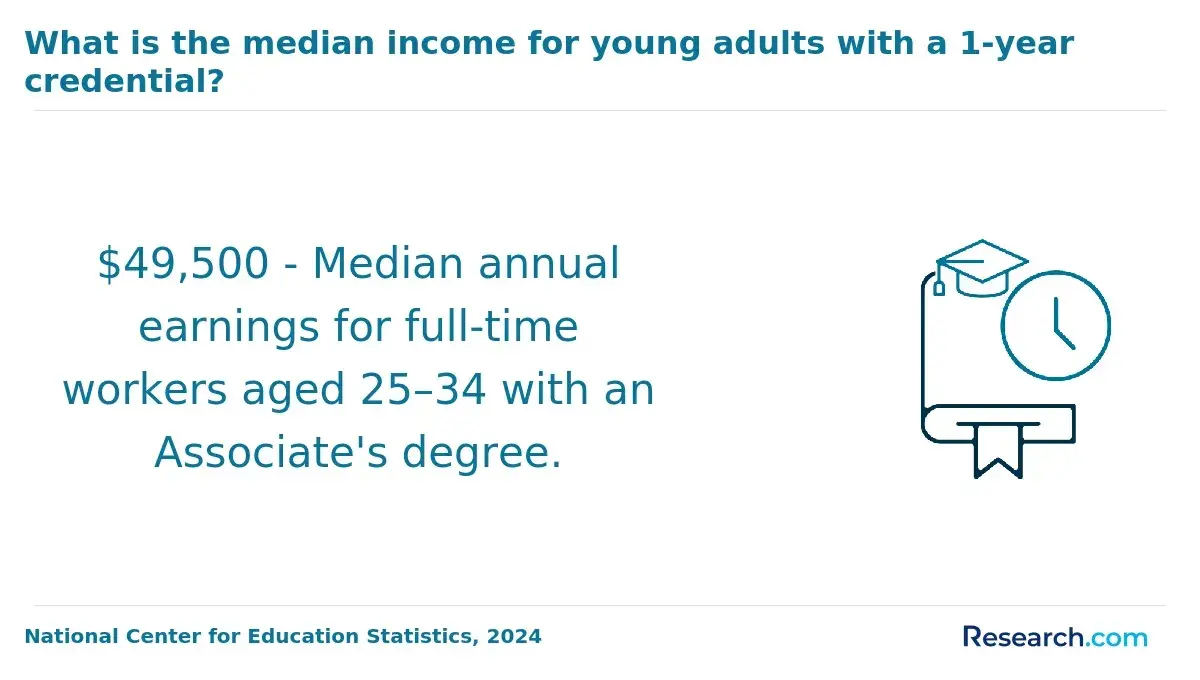
| Associate degree | Academic degree, usually credit-bearing | Broader preparation and transfer options | Usually takes longer and costs more |
| Bootcamp or career training | Provider completion credential | Fast, narrow technical training | Quality and employer recognition vary widely |
How do professional certificates compare to degrees for career advancement?
Certificates can support career advancement when they fill a specific skill gap employers recognize, such as data analysis, project coordination, cloud tools, medical coding, or bookkeeping. They generally offer less breadth, fewer transfer options, and weaker long-term signaling than a degree. A degree is often the better investment when job ads consistently require one, when you want graduate-school eligibility, or when advancement depends on broad business, clinical, or technical knowledge.
For learners deciding whether a longer credential has better return, compare target job requirements with programs leading to bachelor degrees that pay well. The right choice depends on the role, not on the shortest completion timeline.
Use this comparison to decide whether a certificate is enough for your current objective.
| Decision factor | Certificate may fit | Degree may fit better |
| Career goal | Specific entry-level skill or specialization | Occupation routinely requiring a degree |
| Time available | Need training in months | Can invest multiple years |
| Prior education | Already have relevant experience or degree | Need broad foundational education |
| Mobility | Seeking a defined local or technical role | Seeking wider advancement and transfer options |
How can you choose an accredited, reputable professional certificate program?
For credit-bearing college certificates, institutional accreditation matters because it affects academic quality oversight, transfer policies, and eligibility for federal aid where applicable. Verify accreditation directly through the U.S. Department of Education or the Council for Higher Education Accreditation databases, rather than relying on a school's marketing language. For noncredit programs, evaluate the provider's employer relationships, instructor qualifications, curriculum transparency, and whether the credential maps to a recognized exam or job standard.
Programmatic approval matters in regulated fields. Nursing, medical assisting, dental assisting, and technical education may need approval from a state board or field-specific accreditor for graduates to be exam-eligible. A program can be institutionally accredited yet still fail to meet a particular licensing board's educational requirements.
Before enrollment, use this short verification process to avoid the most costly mismatch.
- Find several current job postings for your intended role and record the education, certification, and experience requirements.
- Ask the provider whether completion qualifies you for any stated certification or licensure exam in your state.
- Confirm total charges, including exams, background checks, clinical supplies, software, tools, and renewal fees.
- Request completion, placement, and licensure-exam data in writing when the provider claims outcomes.
- Check whether credits transfer or stack into a degree if future education is important to you.
What admission requirements do professional certificate programs typically have?
Admissions vary by credential type. A noncredit professional certificate may require only registration and payment, while a college certificate can require an application, high school completion, placement testing, prerequisites, or proof of prior coursework. Graduate certificates typically require a bachelor's degree; advanced technical certificates may require prior work experience or a foundational certification.
Do not assume GPA is always decisive. Some institutions provide pathways for applicants seeking an online college with no GPA requirements, but individual programs can still have prerequisite, placement, or selective-admission standards. Healthcare programs may also require immunizations, CPR training, drug screening, background checks, and clinical-site clearance.
A strong application strategy is to identify requirements early, especially when a cohort has limited clinical placements or lab seats. Ask whether missing prerequisites can be completed concurrently, whether prior learning is accepted, and whether any admission condition could delay your intended start date.
How long do professional certificate programs take and what do they cost?
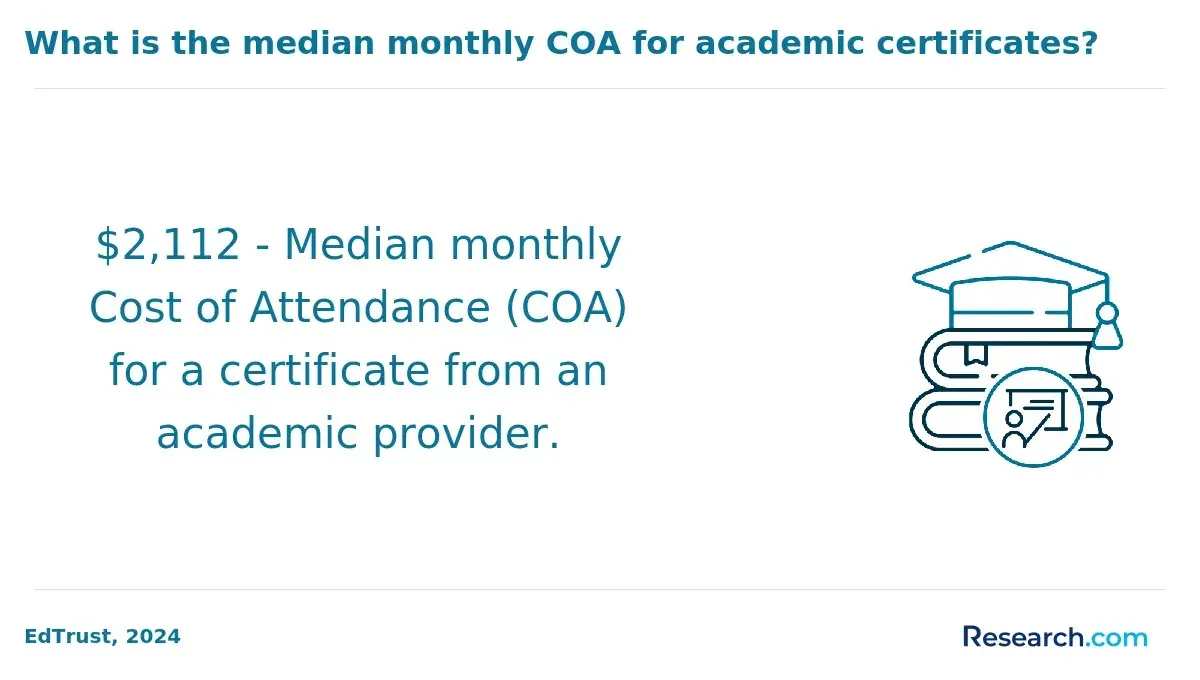
Professional certificates may last from a few weeks for a narrow online course to about one year or longer for clinical and skilled-trade programs. Cost depends on provider type, instructional format, required equipment, clinical or lab fees, certification exams, and whether the credential carries college credit. A low advertised tuition price can be misleading if it excludes mandatory materials or exam fees.
Accelerated options work best when you can sustain the weekly workload and do not need extensive remediation. Learners who need a broader credential should compare certificates with fast online degrees, especially when credits could support future advancement.
Budget for the complete pathway, not simply the tuition quote. The cost categories below are commonly relevant, though not every program charges every item.
- Tuition and registration charges
- Required textbooks, software, uniforms, tools, or safety equipment
- Certification, licensing, fingerprinting, background-check, or examination fees
- Transportation, parking, and lost work time for labs, clinicals, or internships
- Renewal or continuing-education expenses for certifications that expire
Federal student aid is generally tied to eligible programs at participating institutions and often has enrollment-length requirements. Noncredit certificates and many third-party programs may not qualify, so ask the provider's financial aid office rather than assuming aid applies. Employer tuition assistance, Workforce Innovation and Opportunity Act funding, veterans' education benefits, and state workforce grants may be alternatives when available and when the program is eligible.
What online vs campus learning options exist for professional certificates?
Online professional certificates can be practical for business, IT, project management, marketing, coding, bookkeeping, and design theory. Campus, hybrid, or employer-site learning is usually stronger for welding, electrical training, healthcare clinical skills, and any program requiring specialized equipment, supervised practice, or patient contact. The decisive issue is whether the format lets you complete every required competency, not whether classes happen on a screen.
People who need a quick enrollment timeline can review online colleges starting soon, then confirm whether the specific certificate has the same start schedule. Cohort-based clinical and lab programs frequently have fewer entry points than fully online courses.
This format comparison highlights the trade-off between flexibility and supervised practice.
| Format | Usually best for | Check before enrolling |
| Fully online | Software, business, administrative, and theory-heavy skills | Live-session times, proctoring, software access, and employer recognition |
| Hybrid | Programs needing some labs or applied assessment | Travel frequency, lab dates, and local placement availability |
| Campus-based | Trades and clinical training | Equipment hours, instructor supervision, commute, and scheduling |
| Apprenticeship or employer-based | Work-based skilled trades and selected healthcare roles | Wages, sponsor status, classroom requirements, and progression rules |
What coursework and skills do top professional certificate programs usually cover?
Top programs teach more than vocabulary or software navigation. They connect technical instruction to the work products employers expect: a project portfolio, documented procedures, simulated cases, client communication, safety practices, or supervised clinical competencies. As AI tools become more common in administrative, technology, marketing, and design work, programs should also address responsible use, verification, privacy, and the limits of automated output.
Coursework varies by field, but quality programs typically combine the following skill categories so learners can perform in a workplace rather than merely complete modules.
- Field-specific technical skills, equipment, software, terminology, and workflows
- Communication, documentation, customer service, teamwork, and professional ethics
- Problem-solving through practical assignments, labs, cases, or portfolio projects
- Safety, privacy, compliance, accessibility, or legal standards when relevant
- Career preparation such as interview practice, resume support, and employer-facing work samples
A red flag is a curriculum that promises broad employability but does not publish learning outcomes, instructor background, assignment examples, or required practical hours. Another is training that prepares students for an exam without clearly stating whether they meet that exam's eligibility requirements.
What jobs can you get with professional certificates in high-demand fields?
Professional certificates can support entry into high-demand fields, but the job outcome depends on the role's legal and employer requirements. For example, an IT support certificate may help a candidate pursue help desk work, while a medical assistant certificate may support eligibility for entry-level clinical support roles if the program and state requirements align. A certificate alone does not replace required experience, background clearance, a license, or an industry examination.
The roles below illustrate realistic pathways and the additional qualifications readers should investigate before selecting a program.
| Field | Potential entry or transition roles | Common additional requirement |
| Information technology | Help desk specialist, junior support technician, cybersecurity support | Portfolio, vendor certification, or demonstrated troubleshooting skills |
| Healthcare | Medical assistant, phlebotomy technician, pharmacy technician | Approved training, certification exam, or state registration where required |
| Skilled trades | HVAC helper, welder, electrical apprentice, diesel service trainee | Apprenticeship, supervised hours, or state/local licensing |
| Business operations | Bookkeeper, payroll assistant, project coordinator, administrative specialist | Software proficiency and relevant work samples |
| Design and marketing | Junior designer, content coordinator, digital marketing assistant | Portfolio and current platform skills |
Match your certificate to a first job you can plausibly obtain, then identify the next credential needed for advancement. This staged approach is often more realistic than expecting one short program to qualify you for a senior or independently licensed position.
What salary ranges and job outlook can you expect with professional certificates?
Salary data should be treated as information about occupations, not a promise of what certificate completers earn. The BLS reported that the median annual wage for computer user support specialists was $60,340 in May 2024, while medical assistants had a median annual wage of $44,200. These figures reflect workers across education and experience levels, and local pay can differ meaningfully.
Outlook also differs by occupation. BLS projections published in 2024 estimate employment of wind turbine service technicians will grow 60% from 2023 to 2033, while other certificate-accessible careers may grow more slowly or be shaped by local demand. High growth can signal opportunity, but it does not eliminate competition, geographic constraints, or required training.
To judge return on investment, compare total program cost and time away from work with local job postings, likely entry-level wages, licensing expenses, and the probability that employers recognize the credential. Ask programs for outcome data, but interpret it carefully: placement definitions, reporting periods, and sample sizes can vary.
Other Things You Should Know About
They can be worthwhile when they teach skills required for a specific target role and the provider is recognized by relevant employers or licensing bodies. They are a weaker investment when the occupation requires a degree, apprenticeship, or license that the certificate does not provide.
A certificate is typically awarded after completing an educational program. A certification is usually awarded by a professional organization after meeting defined standards, often including an exam, and may require renewal.
Possibly, particularly in fields where employers assess software skills, projects, or certifications. For clinical and hands-on occupations, online coursework alone may not satisfy lab, supervised practice, or licensing requirements.
Some credit-bearing college certificates can stack into an associate or bachelor's degree, but transfer is never automatic. Noncredit certificates usually do not carry academic credit. Get the transfer policy in writing before enrolling if continued education is part of your plan.
References
- International Credential Evaluation Services | NACES Member https://www.wes.org/
- High-Paying IT Certifications: Which Ones Offer the Best ROI? https://www.examcollection.com/blog/high-paying-it-certifications-which-ones-offer-the-best-roi/
- Certifications, Education, or Experience: What Matters Most? https://motionrecruitment.com/blog/certifications-education-or-experience-what-matters-most
- Invest in IT Certifications for Higher Earnings | ROI on IT Skills | Knowlathon https://www.knowlathon.com/us/en/blog/from-learning-to-earning-the-roi-of-it-certifications
- Do Employers Prefer Trade Certifications or Degrees? https://edubrights.in/blogs/do-employers-prefer-trade-certifications-or-degrees
- 7 in-demand certifications in 2025 | edX https://www.edx.org/resources/in-demand-professional-certifications
- How Long Does IT Certification Take? Training Timelines https://www.acilearningtechacademy.com/blog/how-long-does-it-certification-take/
- Who Offers the Best Credential Evaluation Services? Guide https://documentevaluation.com/who-offers-the-best-credential-evaluation-services/
- 4 Tips to Find a Credential Evaluation Agency https://myiee.org/blog/choosing-the-best-credential-evaluation-agency/
- Top 5 Credential Evaluation Companies - MotaWord Blog https://www.motaword.com/blog/top-5-credential-evaluation-companies