2027 Best Stackable Credentials With 6-Week Courses

Co-Founder and Chief Data Scientist
Choosing a short credential is difficult when "6-week" can describe one intensive course rather than an entire job-ready program. Stackable credentials let learners build smaller academic or professional awards into a larger certificate, certification-prep pathway, or degree.
This matters in fields with measurable demand: the U.S. Bureau of Labor Statistics projects employment for medical assistants to grow 12% from 2024 to 2034. This guide helps career changers, working adults, and recent graduates compare realistic timelines, recognition, costs, and next steps before enrolling.
Key Things You Should Know
- A 6-week course is usually one accelerated module; completing a meaningful stack often requires several modules, supervised practice, or a separate certification exam.
- Credit-bearing stacks can lead toward a certificate or degree, while noncredit stacks may build job skills but usually have limited transfer value; confirm this in writing before paying.
- Strong short-term options align with a defined role and recognized requirement: BLS projects 11% growth for electricians and 12% growth for medical assistants from 2024 to 2034, but licensing and clinical rules still apply.
Top 10 Best Stackable Credentials With 6-Week Courses
Popular Trade School Programs
Common stackable trade pathways include electrical technician, HVAC/R, welding, industrial maintenance, CNC machining, and construction safety certificates. A six-week block may cover wiring fundamentals, refrigeration theory, blueprint reading, or OSHA safety rather than the full occupation.
These routes fit hands-on learners who can attend labs and pursue apprenticeships. Electricians typically need state-required apprenticeship training and licensure; an introductory certificate alone is not enough. Ask whether lab fees, tools, exams, and employer-sponsored work hours are included in the stated price.
Healthcare Programs
Healthcare stacks may include medical terminology, billing and coding, phlebotomy theory, pharmacy technician preparation, medical assisting, or patient-care coursework. Programs with clinical placement requirements rarely finish entirely in six weeks, even if each academic course does.
Medical assisting can be a practical entry route: BLS projects 12% employment growth from 2024 to 2034. Verify whether the provider is institutionally accredited where needed, whether clinical hours are arranged, and whether the curriculum qualifies graduates to pursue a certification examination. State rules can affect scope of practice.
Criminal Justice / Law Programs
Short stacks in this area often cover legal research, legal writing, court procedures, records management, cybersecurity basics, corrections, or public safety administration. Paralegal certificates can support legal-support skills, but employers may prefer an approved program or prior legal experience.
A six-week legal research course is useful as a building block, not a substitute for a full paralegal education. BLS reported a $61,010 median annual wage for paralegals and legal assistants in May 2024; that figure reflects the occupation broadly, not certificate completers specifically.
Arts & Design Programs
Design stacks commonly combine graphic design foundations, Adobe software, UX research, digital illustration, web content, portfolio development, or motion graphics. They work best when every course produces portfolio-ready work and feedback from instructors. Employers frequently assess demonstrated ability, so a noncredit microcredential can be useful if its projects match target roles.
BLS reported a $61,300 median annual wage for graphic designers in May 2024, but entry-level opportunities vary by portfolio quality, local market, and specialty. Confirm software access, critique opportunities, and ownership of completed work.
What are stackable credentials with accelerated 6-week courses and how do they work?
Stackable credentials are smaller, intentionally connected awards that can accumulate toward a larger educational or career goal. A learner might complete a six-week introductory course, add two advanced courses, earn a college certificate, and later apply eligible credits toward an associate's degree. The stack can be academic, employer-sponsored, or industry-facing; its value depends on whether the provider documents the sequence and recognizes each completed component.
Do not confuse a certificate with a certification. A certificate is awarded by an education provider for completing study. A certification is issued by a professional organization after its own eligibility and assessment requirements are met. A short course may prepare someone for a certification exam, but it does not automatically grant the certification.
Before choosing a stack, identify the endpoint: an entry-level job, a licensing prerequisite, a professional certification exam, promotion in a current role, or degree progress. The comparison below shows why the endpoint matters more than the six-week label.
| Path type | What typically stacks | Best use | Main limitation |
| Credit-bearing college pathway | Courses, certificates, and degree credits | Learners seeking transfer or a degree ladder | May require admission and take multiple terms |
| Noncredit workforce pathway | Short courses and provider badges | Fast skills development or employer upskilling | Usually does not transfer as college credit |
| Certification-prep pathway | Training modules plus exam preparation | Roles with recognized industry examinations | Exam fees, eligibility, and renewal may be separate |
| Apprenticeship-linked pathway | Classroom instruction and paid work hours | Regulated skilled trades | Availability and licensing rules vary by state |
Which industries offer the strongest career outcomes with short stackable credentials?
The strongest career outcomes usually come from stacks tied to an employer-recognized task, a regulated training requirement, or a clear hiring pipeline - not from a broad badge with no occupational target. Healthcare support, skilled trades, IT support and cybersecurity, logistics, and business operations can offer relevant short-course entry points, although the full preparation time differs substantially.
BLS projections help distinguish durable demand from marketing claims. The following occupations are examples of labor-market context; they do not show what every credential holder will earn or whether a short program alone meets hiring requirements.
| Industry pathway | Relevant entry point | 2024-2034 BLS outlook | Decision consideration |
| Healthcare support | Medical assisting coursework and clinical preparation | Medical assistants: 12% growth | Check clinical placement and certification-exam preparation |
| Electrical trades | Electrical fundamentals and apprenticeship entry | Electricians: 11% growth | Expect apprenticeship hours and state licensing steps |
| HVAC/R | Refrigeration, diagnostics, and EPA exam preparation | HVAC mechanics and installers: 8% growth | Hands-on labs and refrigerant rules matter |
| Cybersecurity | IT support, networking, and security foundations | Information security analysts: 29% growth | Many analyst roles require experience or a degree beyond a short stack |
Choose a shorter stack when it leads to a specific next credential, interviewable skill, or employer pathway. Consider an apprenticeship, associate degree, or longer accredited program when the target role requires clinical training, state licensure, extensive supervised hours, or advanced technical experience.
How do online 6-week stackable programs compare to campus and hybrid options?
Online six-week stacks are often best for theory-heavy subjects such as medical terminology, bookkeeping, legal research, IT fundamentals, and design software. They can reduce commuting and allow working adults to complete focused modules sequentially. Learners who want a broader degree route should compare how an online course applies within associate's degrees online, rather than assuming all digital badges transfer.
Campus and hybrid delivery are usually stronger for occupations requiring equipment, observation, clinical practice, shop work, or live skill assessment. Six-week pacing can mean weekly deadlines, multiple assignments, and little room to recover from missed work.
| Format | Works well for | Trade-off | What to verify |
| Online | Knowledge-based and software-based skills | Requires self-management and reliable technology | Live-session expectations, exam proctoring, credit status |
| Hybrid | Programs needing both theory and practice | Travel remains necessary | Required campus dates, lab access, placement support |
| Campus | Hands-on trades and clinical skill development | Less scheduling flexibility | Equipment quality, instructor ratio, safety procedures |
A common mistake is choosing fully online delivery for a career that requires in-person competencies. Ask exactly which requirements are completed remotely and whether the program arranges, approves, or merely suggests clinical sites and labs.
What accreditation and industry-recognized certifications should these short programs have?
Accreditation and recognition should match the credential's purpose. For credit-bearing college coursework, verify the institution's recognized institutional accreditation and ask whether the specific courses transfer to the intended next program. For career training, look for the approval, curriculum alignment, or examination eligibility relevant to the field rather than assuming general school accreditation makes a program employer-recognized.
Use this screening sequence before enrollment:
- Identify the job, license, or certification exam you want the stack to support.
- Read the state board, certifying body, or employer requirement directly when one applies.
- Confirm in writing that the exact program, delivery format, and completion date meet the requirement.
- Check whether an external exam, background check, immunization record, tools, or supervised hours create additional obligations.
Red flags include vague claims that a certificate is "accredited" without naming the accreditor, promises of guaranteed employment, and no explanation of whether graduates are eligible for a required exam. In regulated healthcare and trade roles, state-specific rules take priority over promotional language.
What admission requirements, prior education, or experience do 6-week stackable programs need?
Admission rules vary more by provider than by the six-week format. Many noncredit courses have open enrollment and require only age, identification, payment, and basic technology access. Credit-bearing college certificates may require an application, placement process, transcripts, or prerequisite coursework. Advanced professional certificates can require prior education or work experience.
Requirements are especially important when a short module appears to lead to a regulated role. Clinical programs may require background checks, drug screening, vaccinations, CPR training, physical ability documentation, and minimum grades before placement. Trade programs may require safety orientation or math readiness. Certification-prep courses may admit beginners even when the eventual certification examination requires work experience.
Ask admissions staff whether "prerequisite" means recommended knowledge, a formal enrollment barrier, or an eligibility requirement for a later exam. Also ask whether prior learning, military training, transfer courses, or employer experience can shorten the sequence - and obtain the answer in writing.
How much do 6-week stackable credential programs cost, and is financial aid available?
The cost of a six-week stack is more than tuition. A low-priced online module can be worthwhile for exploratory skills, while a higher-cost program may make sense if it includes required labs, clinical coordination, exam preparation, and credit that applies to a larger award. Compare the total path cost through the credential or job requirement, not the advertised price of the first course.
Use this cost checklist to compare offers consistently:
- Tuition or course fee for every module required to finish the intended stack
- Registration, technology, lab, supplies, tools, uniforms, background-check, and examination fees
- Transportation, unpaid clinical time, and schedule-related lost income where applicable
- Whether courses are credit-bearing and eligible for institutional aid or employer tuition assistance
- Refund terms if a required placement, course, or exam schedule changes
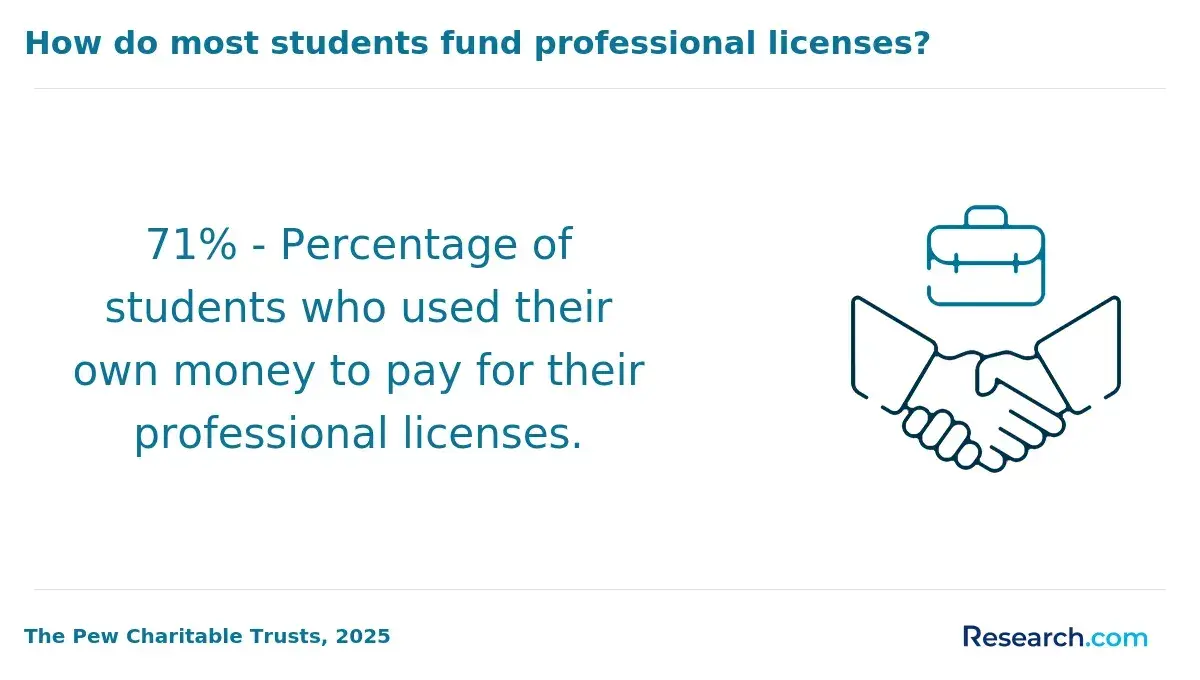
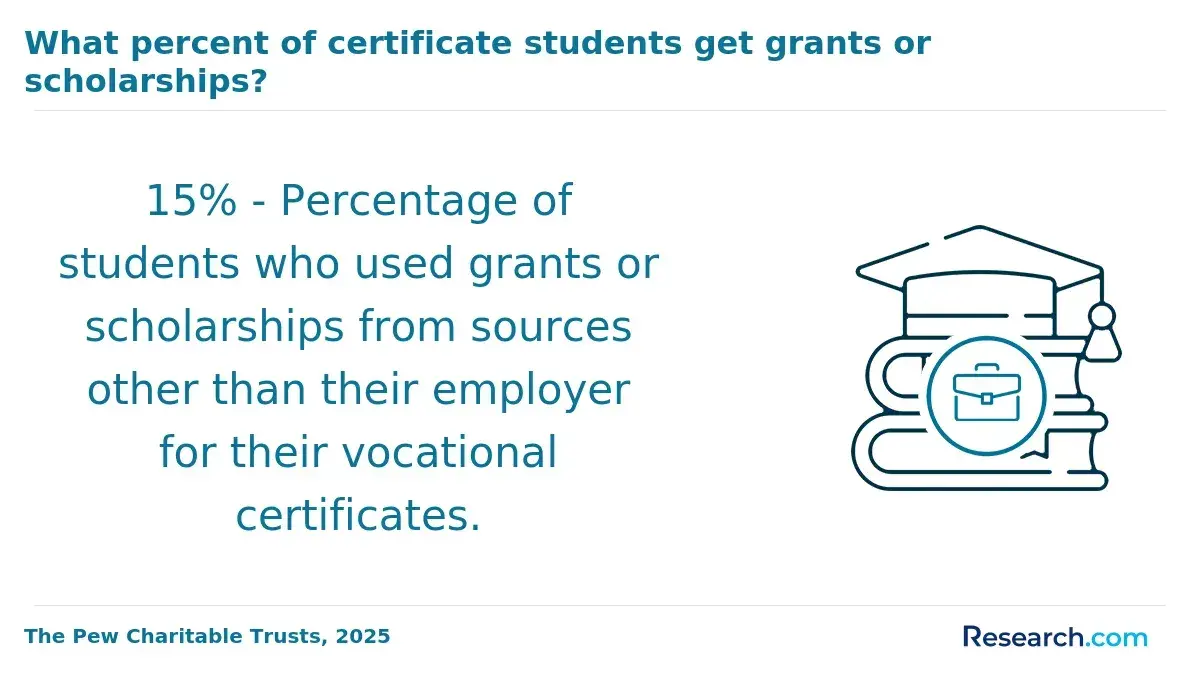
Federal student aid generally depends on enrollment in an eligible program at an eligible institution; a standalone noncredit course often does not qualify. Some workforce agencies, employers, unions, veterans' education benefits, and colleges offer separate support, but availability and eligibility vary. Do not borrow based only on projected occupation wages.
What curriculum, skills, and assessments are typically included in 6-week stackable courses?
A credible six-week course has a narrow, assessable outcome. Instead of promising mastery of an entire profession, it should state what learners can perform by the end: interpret a blueprint, document a patient interaction, write a legal citation, configure a basic network setting, or produce a design asset. Stacks should progress from foundations to applied work.
Typical instructional components include short lectures or readings, demonstrations, practice exercises, instructor feedback, and graded assessments. In hands-on fields, assessment may include a lab practical, observed competency, simulation, portfolio, or supervised clinical evaluation. In academic stacks, it may include projects, case analyses, quizzes, and final assignments.
Review the syllabus before enrolling. Look for stated learning outcomes, weekly workload, required software or equipment, grading rules, accessibility support, and retake policies. Avoid programs that describe only topics but never explain how skill competence is measured or documented.
What entry-level and mid-career job roles can these stackable credentials support?
Short stacks can support entry-level roles when they teach a recognizable skill and the employer does not require a license or degree. Examples include administrative support, customer operations, help desk support, production assistance, junior design support, patient-access work, and trade helper roles. A stack becomes more valuable when paired with a portfolio, supervised experience, apprenticeship, or prior work record.
Mid-career learners often use stackable coursework differently: to move into a specialization, document current skills, or prepare for a certification exam. For example, an experienced IT worker may stack networking and security coursework before pursuing a vendor-neutral certification; a healthcare worker may add billing, coding, or administrative skills within employer policies.
Career fit matters as much as demand. People seeking focused, lower-social-interaction work can also explore good jobs for introverts while checking whether the actual daily duties, required collaboration, and training pathway match their preferences.
Do not treat a short credential as a replacement for credentials required by law. Licensure, professional certification, and advanced roles can require degrees, examinations, supervised experience, or ongoing renewal beyond the initial stack.
How can students evaluate salary potential and long-term job outlook for these credentials?
Evaluate return on investment by comparing the full cost and time commitment with the specific role the stack can plausibly support. Start with BLS Occupational Outlook Handbook data for the target occupation's typical education, median wage, and projected outlook. Median wages describe workers in the occupation, not the earnings of people who completed one particular short credential.
For example, BLS reported May 2024 median annual wages of $62,350 for electricians, $59,810 for heating, air conditioning, and refrigeration mechanics and installers, and $44,200 for medical assistants. These figures can help frame opportunity, but state, experience, overtime, union status, geography, and employer requirements can produce very different results.
Use a longer path when the occupation requires it. A short stack can be a strategic first step toward a degree, while an online doctorate serves a fundamentally different advanced academic or professional objective and is not a logical next step for most entry-level credential seekers.
Before enrolling, request outcome information for the exact program: completion rates, placement definitions, employer partners, typical job titles, and the time frame used. Treat missing or overly broad outcomes as a reason to compare another provider.
Other Things You Should Know About
Sometimes, but usually six weeks refers to one accelerated course. A complete stack may require several courses, lab sessions, clinical hours, an apprenticeship, or a separate certification exam. Confirm the total calendar time for the endpoint you want.
They can be worthwhile when each step has a clear use and the full sequence aligns with a job, promotion, certification exam, or degree plan. They are less useful when the provider cannot explain employer recognition, transferability, or the next credential.
Recognition depends on the provider, field, demonstrated skills, and whether the program meets an employer or certifying body requirement. For hands-on and regulated work, employers may place greater weight on supervised practice, licensing eligibility, and in-person competency assessment.
It may, if the course is part of an eligible program at an eligible institution and the student meets aid requirements. Many standalone noncredit courses are not eligible for federal aid, though employer assistance or local workforce funding may be available.
References
- Making sure you're not a bot! https://www.iastatedigitalpress.com/jtmae/article/id/14484/
- Do Short-Term Credentials Stack Up? | MDRC https://www.mdrc.org/work/publications/do-short-term-credentials-stack
- Financial Assistance - The Pennsylvania Key https://www.pakeys.org/financial-assistance/
- Teacher Certification Cost & Financial Aid | Teacher.org | Teacher.org https://www.teacher.org/teacher-certification-cost-and-aid-2/
- Student Loan Options for Certificate Programs https://collegefinance.com/student-loans/student-loan-options-for-certificate-programs
- The Best Guide to Stackable Micro Credentials for Career Advancement https://sertifier.com/blog/stackable-micro-credentials-building-career-success-through-flexible-learning-pathways/
- 6-Week Certification Programs: What You Can Really Finish Fast https://www.trade-schools.net/articles/6-week-certification-programs
- Microcredentials vs Certificates: What Universities Need to Know https://moderncampus.com/blog/microcredentials-vs-certificates-what-universities-need-to-know
- Stackable Credentials: Building Career Ladders That Actually Lead to Jobs | Mapademics https://www.mapademics.com/resources/whitepapers/stackable-credentials-career-pathways
- EdAssist | When to consider stackable skills training https://www.brighthorizons.com/resources/blog/edassist/when-to-consider-stackable-skills-training