2027 Best Online Non-Degree Programs With Career Coaching

Co-Founder and Chief Data Scientist
Choosing short online training is difficult when programs use similar marketing but deliver very different coaching, credentials, and career value. Online non-degree programs can provide focused job preparation without a full degree, but they are not substitutes for licenses or degrees in every field.
The U.S. Bureau of Labor Statistics projects about 1.9 million healthcare job openings per year from 2024 to 2034, illustrating why targeted workforce training matters. This guide helps career changers, working adults, and new entrants compare program types, coaching quality, costs, and realistic next steps.
Key Things You Should Know
- Online non-degree programs usually award a completion certificate, not a professional certification or college degree; verify whether the curriculum actually prepares you for an employer-recognized exam, portfolio, or required license.
- Career coaching is valuable when it includes scheduled one-to-one advising, résumé feedback, interview practice, networking support, and transparent job-outcome reporting - not merely access to a job board.
- Program length can range from a few weeks to roughly a year, while total cost depends on tuition, software, exam fees, equipment, clinical placements, and state licensing requirements; compare total cost against the entry-level role you can realistically pursue.
Top 10 Best Online Non-Degree Programs With Career Coaching
Popular Trade School Programs
Online trade training commonly covers HVAC fundamentals, electrical theory, welding safety, construction estimating, automotive service, and industrial maintenance. These programs may issue a school certificate and can prepare learners for separate industry examinations, but hands-on trades usually require lab work, supervised field experience, an apprenticeship, or employer training.
An associate degree in applied science is a longer, credit-bearing alternative for fields such as electrical technology or construction management. Choose fully online study for theory and exam preparation; choose hybrid training when employers or licensing rules require demonstrated practical skills.
Healthcare Programs
Common online healthcare options include medical billing and coding, pharmacy technician theory, medical administrative assisting, health information support, and community health certificates. Some programs prepare students for a separate certification examination, while others only document course completion. Clinical roles such as medical assisting, dental assisting, nursing, and phlebotomy often require in-person labs, externships, background checks, immunizations, and state-specific rules.
Associate degrees in health information technology or nursing are degree pathways, not non-degree programs. Confirm that an online program includes any required clinical placement before paying tuition.
Criminal Justice / Law Programs
Online non-degree options include paralegal studies certificates, legal research, court reporting foundations, legal transcription, cybersecurity for public safety, and corrections training. A paralegal certificate can build practical legal skills, but it does not authorize someone to practice law or provide legal advice independently.
Employers may prefer American Bar Association-approved education for some paralegal roles, although ABA approval applies to specific programs and is not mandatory everywhere. Associate degrees in criminal justice or legal studies provide broader general education and may transfer more readily than a standalone career-training certificate.
Arts & Design Programs
Digital design, UX/UI foundations, graphic design, video editing, photography, animation, and web content programs are common online choices. These programs usually award a completion certificate rather than a professional license or industry certification.
For creative hiring, a polished portfolio, technical fluency, and client-ready work samples often matter more than the credential name. An associate degree in graphic design can offer more structured critique, general education, and credit transfer options. Pick a coached program that includes portfolio reviews and feedback from working professionals, not just prerecorded software tutorials.
What are online non-degree programs with career coaching and who are they best for?
Online non-degree programs are focused learning experiences offered by community colleges, universities, workforce providers, employers, and private training companies. They generally lead to a certificate of completion, digital badge, or noncredit credential. Career coaching adds structured employment support, such as goal setting, résumé review, mock interviews, portfolio feedback, and job-search strategy.
They are often best for adults who need targeted skills quickly, workers seeking a career pivot, and learners testing an occupation before committing to a degree. They are less suitable when a target role legally requires a degree, supervised clinical education, an apprenticeship, or licensure.
A learner seeking IT support, billing and coding, project coordination, design production, or entry-level business operations may benefit; someone seeking registered nursing, independent legal practice, or licensed electrical work needs a more regulated pathway.
The comparison below separates common program models so readers can match the credential to the goal rather than choosing based on speed alone.
| Program model | Typical outcome | Best use | Key limitation |
| Noncredit career certificate | School or provider completion credential | Focused skill building and career exploration | May not transfer for college credit |
| Credit-bearing college certificate | Academic certificate on a transcript | Stacking toward a degree or career entry | Usually takes longer and may have admissions steps |
| Industry certification preparation | Preparation for a separate certification exam | Fields where employers recognize a specific exam | Completion does not equal passing the exam |
| Bootcamp-style training | Provider certificate and project work | Portfolio-based digital skills | Quality and employer recognition vary widely |
How do accredited online non-degree programs compare with campus-based options?
Accredited online programs can offer the same curriculum and transcripted credit as campus programs when they are delivered by an institution recognized by an appropriate institutional accreditor. However, institutional accreditation does not automatically make a program acceptable for a particular license, certification examination, or employer.
For noncredit providers, "accredited" may refer to the college partner rather than the short program itself, so ask exactly what credential appears on the record.
Online delivery works well for lectures, software practice, discussion, and coaching appointments. Campus or hybrid delivery is usually stronger for labs, equipment-intensive work, clinical skills, live critique, and local employer connections. Learners comparing a credit-bearing pathway with short-term training can also review most affordable online colleges when a longer, aid-eligible college option better fits their goal.
This comparison highlights the practical trade-off: convenience is meaningful only if the learning format meets the occupation's skill and regulatory demands.
| Decision factor | Fully online | Campus or hybrid |
| Schedule flexibility | Usually strongest, especially with asynchronous coursework | Fixed lab, clinic, or class times may apply |
| Hands-on assessment | Limited unless simulations or local placements are arranged | Direct equipment, lab, and instructor observation |
| Coaching access | Often virtual and appointment-based | May include in-person events and local networking |
| Best fit | Knowledge-based, software, administrative, and portfolio skills | Regulated, clinical, mechanical, or equipment-based skills |
What admission requirements and prior education do these programs typically expect?
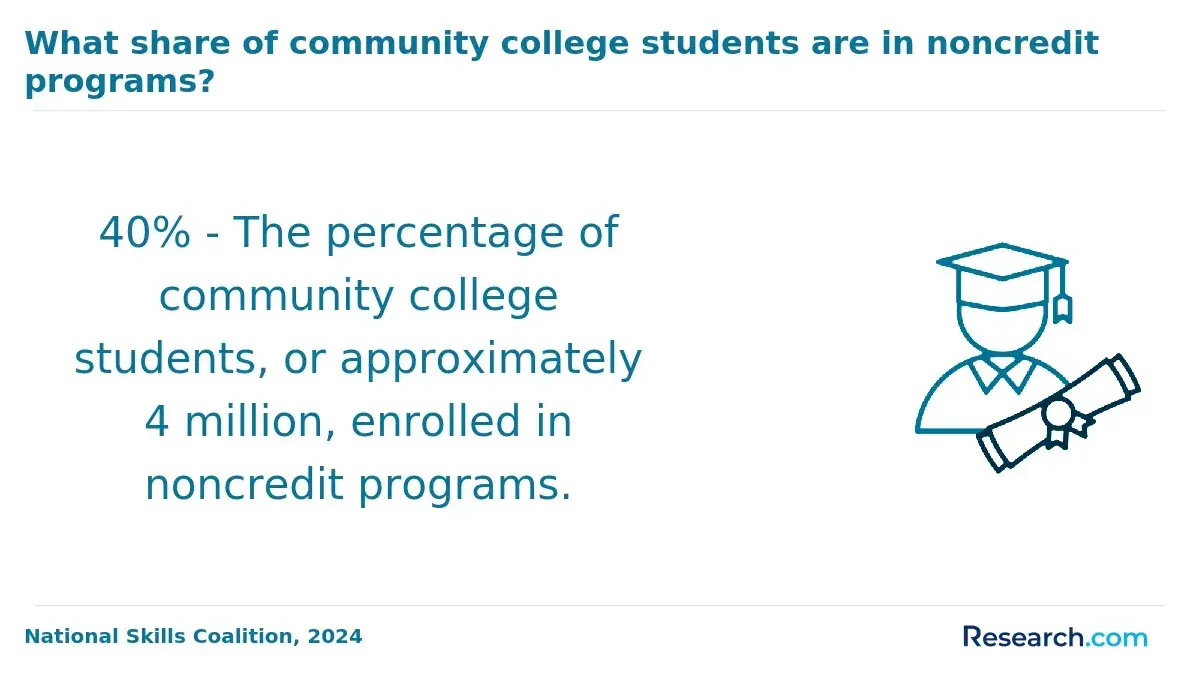
Admissions requirements depend on the provider and credential type. Many noncredit programs use a simple enrollment process and may require only that students meet an age threshold, possess basic computer access, and pay tuition. College-based certificates may require an application, identity documentation, placement testing, prerequisite courses, or a high school diploma or equivalent. GPA and standardized tests are not universal requirements for short workforce programs.
Before enrolling, ask whether prior learning can waive a course, whether transfer credit is accepted, and whether the program is open to students in your state. Requirements are especially important in healthcare and regulated trades, where background checks, vaccination records, drug screening, physical ability standards, or clinical-site approval may apply.
Use this sequence to avoid enrolling in a program that cannot serve your intended career goal.
- Identify the exact job title and the state where you intend to work.
- Check whether the role requires a license, external certification examination, supervised hours, or a degree.
- Match the program's prerequisites and delivery format to those requirements.
- Obtain written confirmation about exam eligibility, placement support, and any in-person obligations.
How long do online non-degree programs with career coaching take and what do they cost?
Short online programs may take weeks or months, while credit-bearing certificates often take two or more academic terms. Cost is not just tuition: learners may need textbooks, software subscriptions, exam vouchers, tools, liability insurance, background checks, travel for labs, or renewal fees after earning a certification. A low tuition figure can be poor value if required costs and career services are unclear.
Federal student aid eligibility is limited for many noncredit programs. Eligible college certificates may qualify when they meet federal program requirements, while private providers may instead offer installment plans, workforce grants, employer reimbursement, or private financing. If a degree is the better long-term option, compare the total commitment with affordable online master's only when your intended occupation eventually requires graduate education.
Use the following cost categories to request a complete written estimate rather than relying on advertised tuition alone.
| Cost category | Questions to ask | Why it matters |
| Tuition and fees | Is the published amount the full program price? | Some providers charge separate registration or platform fees |
| Required materials | Are books, software, kits, and equipment included? | Hands-on and design programs can have substantial supplies costs |
| Exam and licensing expenses | Does tuition include the exam voucher or application fee? | Professional credentials commonly involve separate costs |
| In-person participation | Will travel, lodging, labs, or clinical placement costs apply? | Online theory may still include mandatory local attendance |
What curriculum, coursework, and coaching services do these programs usually include?
A reputable program aligns curriculum, assessment, and coaching with a specific entry-level target. Coursework may include foundational concepts, software tools, professional communication, ethics, documentation, and projects or simulations. Programs preparing learners for an external certification should identify the exam objectives covered and clearly state that students must separately meet the certifying organization's requirements.
Career coaching should be concrete and accessible. The strongest services are scheduled rather than vague promises of "career support," and they should continue long enough for students to use them during an actual job search.
- Individual career planning tied to a realistic target job title
- Résumé, LinkedIn profile, and cover-letter feedback
- Mock interviews with actionable feedback
- Portfolio, project, or work-sample review where relevant
- Networking guidance and employer-event access
- Clear reporting on placement methodology, timing, and exclusions
AI tools are changing entry-level work in administrative, technology, and creative fields, making human review, workflow judgment, and evidence of practical work increasingly important. Prefer programs that teach responsible tool use and ask students to explain their process, rather than relying on generic automated output.
What careers and job roles can online non-degree programs realistically prepare you for?
These programs can prepare learners to apply for entry-level roles, but hiring depends on local demand, prior experience, portfolio quality, background requirements, and employer preferences. A certificate may strengthen an application; it does not replace a required license, degree, or documented work experience. Short training is most credible when the target job has clearly defined junior-level tasks that students can demonstrate.
For example, a billing and coding program may support applications for billing support roles, while an IT support course may support help-desk applications. Learners seeking a quieter work environment can explore high paying jobs for introverts to identify roles whose daily work style - not just pay - matches their preferences.
The table distinguishes plausible starting roles from paths that generally require additional credentials or experience.
| Training focus | Possible entry-level target | Common next requirement |
| IT support | Help-desk or technical support specialist | Industry certification, troubleshooting practice, or experience |
| Medical administration | Medical receptionist or billing support specialist | Employer software training; coding roles may prefer certification |
| Digital design | Production designer or junior content creator | Strong portfolio and software proficiency |
| Paralegal studies | Legal assistant or paralegal trainee | Employer-specific experience and preferred education |
| Skilled trades theory | Apprentice or helper role | Supervised field hours, apprenticeship, or state licensing steps |
What salary ranges and earning potential are associated with careers from these programs?
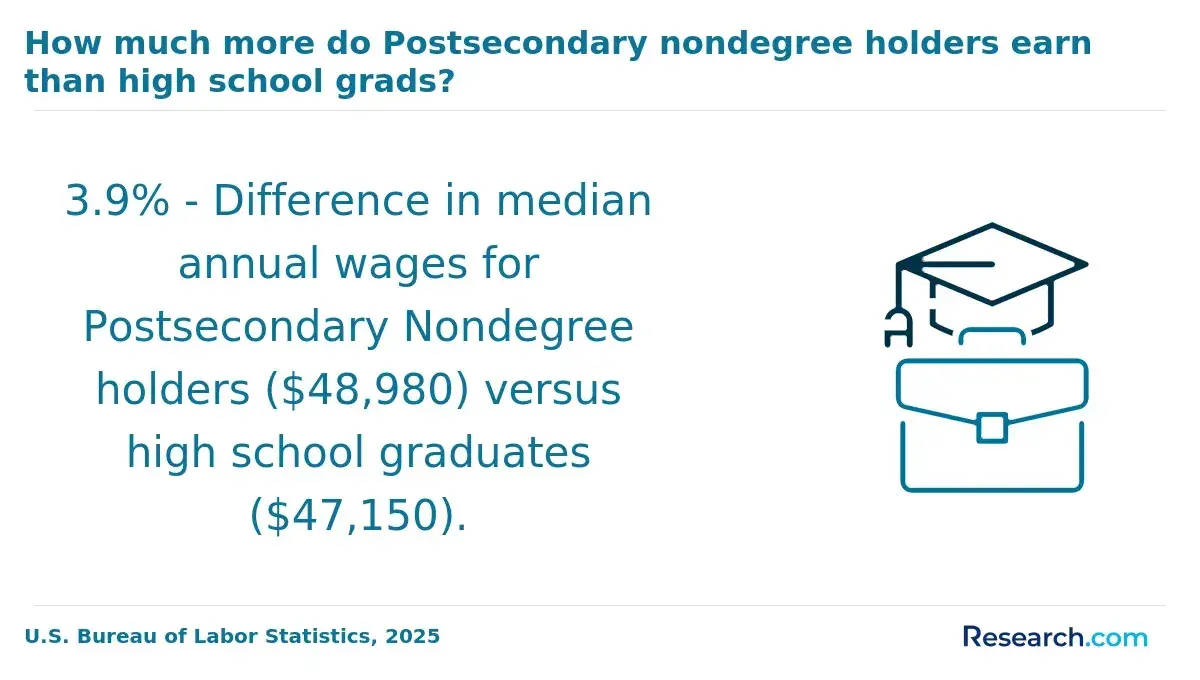
Salary data describes occupations, not what a graduate of a particular short program will earn. Pay varies by state, industry, schedule, experience, certifications, and whether an employer requires a degree. The U.S. Bureau of Labor Statistics reports national occupational data that can provide a useful benchmark, but it cannot predict an individual offer or confirm that a non-degree credential alone qualifies a person for the role.
The following U.S. median annual wages are from BLS 2024 occupational employment and wage data. Use them to compare the broader role with the education and licensing requirements listed in actual job postings.
| Occupation | 2024 median annual wage | Important qualification context |
| Computer user support specialists | $60,340 | Requirements vary; some employers accept relevant training and certifications, while others prefer degrees |
| Medical records specialists | $50,250 | Certificate training can be relevant, but employers may prefer coding knowledge or certification |
| Paralegals and legal assistants | $61,010 | Employers may prefer a degree or paralegal certificate plus related experience |
| Graphic designers | $61,300 | Portfolio quality is central; a bachelor's degree is common but not universally required |
| HVAC mechanics and installers | $59,810 | Typically requires technical training plus on-the-job learning; licensing rules vary by state |
For faster pathways that pair short training with recognized examinations, compare options using quick certifications that pay well, while checking whether each certification requires work experience, continuing education, or renewal.
How do accreditation, industry certifications, and licensing affect program and career outcomes?
Accreditation, certification, and licensing answer different questions. Institutional accreditation evaluates a college or university at the organizational level. Programmatic accreditation evaluates particular programs in certain fields. Professional certification is usually awarded by an independent certifying organization after a candidate meets eligibility standards and often passes an exam. Licensure is a government authorization to practice a regulated occupation.
For a noncredit program, focus less on broad marketing language and more on whether the training meets the requirement that matters for your target job. For example, an online medical coding course may prepare students for an external exam, but eligibility, exam passage, and hiring remain separate steps. Likewise, a trade theory certificate cannot replace state-mandated supervised experience.
Ask the provider to identify the exact accreditor, certifying body, licensing board, or employer standard it references. Then verify whether the program is approved, recognized, or merely aligned with that standard. This distinction prevents a common mistake: paying for a certificate that sounds official but has no clear role in the hiring or licensure process.
How can students evaluate and choose a reputable online non-degree program with coaching?
The best program is the one that closes a documented gap between your current skills and a realistic target role. Start with job postings in the location where you plan to work, then compare program curricula against the software, credentials, and experience employers repeatedly request. Do not select solely by completion speed, advertised salary, or a broad "job guarantee" claim.
Before signing an enrollment agreement, use these questions to evaluate both academic quality and the coaching promise.
- What exact credential will I receive, and is it credit-bearing, noncredit, or preparation for a separate certification exam?
- Who provides career coaching, how often can I meet with them, and how long does access last?
- What job titles does the curriculum specifically support, and what qualifications do those jobs still require?
- What are all required costs, including software, exams, equipment, travel, and renewal fees?
- Are job-placement figures independently defined, current, and clear about who is counted?
- Can I review the withdrawal policy, refund terms, instructor qualifications, and student complaint process before enrolling?
Red flags include pressure to enroll immediately, vague claims of accreditation, no written total-cost estimate, coaching that is only a self-service job board, and promises that completion guarantees employment. A credible provider will answer detailed questions in writing and explain limitations. If your target role ultimately requires a degree, compare stackable college certificates, employer tuition support, and longer academic routes before committing.
Other Things You Should Know About
They can be worthwhile when they teach skills requested for a specific entry-level role, include meaningful coaching, and cost substantially less than the value of the opportunity they support. They are a weaker investment when the desired occupation requires a degree, license, clinical training, or apprenticeship that the program does not provide.
They may improve job readiness through skills practice, a portfolio, résumé feedback, and interview preparation. They cannot guarantee employment. Check whether the provider publishes a clear definition of placement outcomes and whether local employers recognize the training.
No. A certificate generally documents completion of an educational program. A professional certification is awarded by a certifying organization after candidates meet its standards, often including an examination, work experience, or continuing education requirements.
It depends on the provider and program. Some eligible college-based certificate programs may participate in federal aid programs, while many noncredit and private-provider programs do not. Ask the school's financial aid office about eligibility and compare employer reimbursement, workforce grants, and payment plans before borrowing.
References
- Career Coaching vs. Career Counselling | Foreseeable Futures https://www.foreseeablefutures.ca/career-coaching-vs-career-counselling
- ICF vs EMCC vs AC: Which Credential Employers Trust https://tandemcoach.co/icf-vs-other-coaching-certifications/
- Career Coaching Certification: Cost & Programs | Pigment https://pigment.is/blogs/blogs/career-coaching-certification
- Career Coach Certifications | Insurance Canopy https://www.insurancecanopy.com/blog/career-coach-certifications
- Career Coach Certification: Choosing the Right Program https://transformationacademy.com/2024/12/05/how-to-choose-the-right-career-coach-certification-program/
- Career Outcomes https://career.mercer.edu/outcomes/
- Professional Coach Certification - Co-Active Training Institute https://coactive.com/blog/professional-coach-certification
- Indiana Launches Virtual Career Coaching Program for Workers in Transition https://www.insidetrack.org/news/indiana-launches-virtual-career-coaching-program-for-workers-in-transition
- What Is The Difference Between A Career Coaching Program And A Career Coach? | Alexia Palau https://www.alexiapalau.com/post/what-is-the-difference-between-a-career-coaching-program-and-a-career-coach
- 6 Most Trusted Career Coach Certifications for 2026 (Reviewed) https://luisazhou.com/blog/career-coach-certifications/