
2027 Best Certifications for Single Parents

Co-Founder and Chief Data Scientist
Choosing career training as a single parent means balancing childcare, income needs, study time, and long-term job stability. The strongest options are usually short, recognized programs that lead toward roles with predictable hiring pathways, not simply the fastest credential. U.S. Bureau of Labor Statistics projections for 2024-34 show continued demand in healthcare support, skilled trades, legal support, and technology-related occupations.
This guide compares certificates, professional certifications, associate degrees, costs, schedules, licensing steps, and school-quality checks so you can select a realistic path for your family.
Key Things You Should Know
- For many single parents, a credit-bearing community-college certificate or an industry certification offers a lower-risk starting point than a longer degree. Confirm whether the credential meets employer, certification-exam, or state licensing rules before paying.
- Schedule fit matters as much as program length. Asynchronous online coursework can help, but healthcare and trade programs often require fixed clinical, lab, or apprenticeship hours that need reliable childcare.
- BLS May 2024 median pay ranged from $47,300 for dental assistants to $61,010 for paralegals and legal assistants. Occupational pay is not a guaranteed outcome of completing a certificate.
Top 10 Best Certifications for Single Parents
Popular Trade School Programs
Trade certificates emphasize hands-on skills and can lead to apprenticeships or entry-level work. HVAC, welding, electrical, automotive technology, plumbing, and commercial-driver training are common choices. Many programs run from a few months to about a year, while apprenticeships take longer but combine paid work with training.
Choose a program with evening labs, clear equipment fees, and employer connections. Electrical and plumbing work usually require state-regulated apprenticeship and licensing steps, so a short school certificate alone is rarely the final qualification.
Healthcare Programs
Healthcare certificates can include medical assisting, dental assisting, pharmacy technician, medical billing and coding, practical nursing, and nurse aide training. Medical coding and billing may work well online, although employers may prefer recognized professional certification.
Clinical paths require in-person practice, background checks, immunizations, and sometimes drug screening. A certificate may prepare a student for an examination, but it does not automatically award a professional certification or license. Confirm clinical-hour locations and daytime requirements before enrolling.
Criminal Justice / Law Programs
Legal studies certificates, paralegal certificates, court-reporting programs, corrections training, and public-safety certificates can support administrative or justice-system careers. A paralegal certificate is educational training; voluntary professional credentials have separate eligibility rules.
Paralegal work often has office-based schedules, but court deadlines can create occasional inflexibility. Police and corrections roles generally involve agency-specific hiring, background investigations, physical standards, and academy training. A criminal justice certificate alone does not qualify someone for sworn law-enforcement employment.
Arts & Design Programs
Graphic design, web design, digital marketing, photography, user-experience design, and video-production certificates build portfolio-based skills. These programs can suit parents who need remote freelance or hybrid work possibilities, but income may be less predictable than in regulated fields.
Prioritize courses that produce current portfolio samples, teach accessible design and AI-assisted workflow ethics, and include feedback from working professionals. A credit-bearing certificate may stack into an associate or bachelor's degree; a noncredit bootcamp usually does not transfer.
Which certifications fit single parents seeking flexible, family-friendly career paths?
The best family-friendly credential is one that matches your available hours, local job market, and tolerance for required in-person training.
Flexible does not always mean fully online: a medical assistant certificate may have online lectures but require daytime clinical placements, while bookkeeping or medical coding coursework may be largely asynchronous.
These paths tend to fit different priorities:
- Maximum scheduling control: Medical billing and coding, bookkeeping, digital marketing, IT support, and project-management certificates can offer asynchronous coursework, though employer recognition varies by provider.
- Structured entry path: Dental assisting, practical nursing, HVAC, and pharmacy technician programs provide clearer occupational training but commonly require labs, clinicals, or shifts.
- Long-term education pathway: Credit-bearing certificates in nursing prerequisites, business, legal studies, and information technology may stack into an associate degree.
If you need pause-and-resume coursework, compare online self paced colleges carefully. Self-paced courses can reduce deadline pressure, but they demand strong time management and may not work for programs with clinical or lab attendance requirements.
How do online certification programs compare to campus options for single parents?
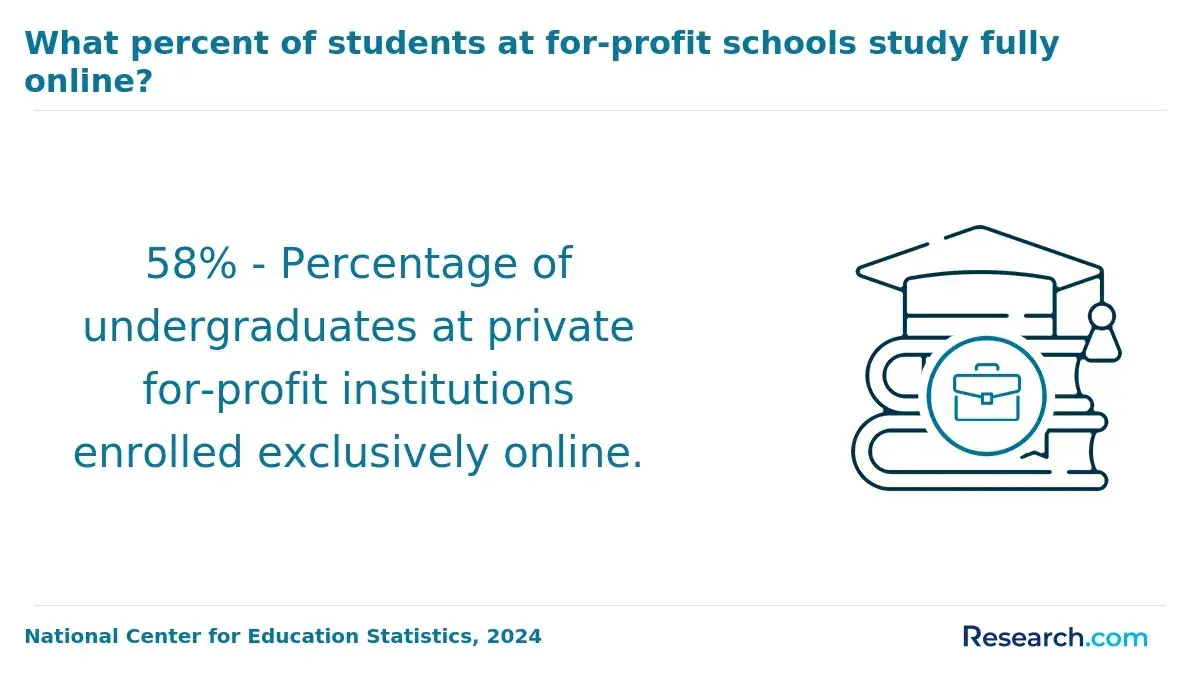
Online programs can reduce commuting and simplify study around school pickup, but campus-based programs can offer equipment access, scheduled support, and local employer relationships. The right format depends on whether the career requires supervised skill practice, clinical hours, or licensing-board-approved instruction.
This comparison shows the practical trade-offs single parents should weigh before choosing a format.
| Format | Best fit | Main advantage | Important limitation |
| Asynchronous online | Administrative, business, coding, and digital skills | Study outside standard work hours | Requires self-direction and may offer limited live help |
| Live online | Students who need instructor contact | Regular structure without commuting | Fixed meeting times can conflict with childcare |
| Hybrid | Healthcare, technical, and lab-based training | Combines flexibility with supervised practice | Travel and mandatory attendance remain |
| Campus or apprenticeship | Trades and clinical occupations | Hands-on learning and local networking | Least flexible for transportation and family schedules |
Before selecting an online provider, verify its institutional accreditation when academic credit or federal aid is involved, and verify program approval separately for regulated careers. This overview of accredited online colleges can help you start comparing recognized institutions.
What admission requirements do single parents typically need for certificate programs?
Admission requirements depend on the credential type. A college certificate may require an application, high school completion or equivalent, placement assessment, and residency documentation for in-district tuition.
A third-party professional certificate may only require registration and payment. Licensing-track healthcare programs usually have additional safety and clinical requirements.
Gather these items early because delays often affect a parent's ability to start on schedule:
- Government-issued identification, prior-school records, and proof of high school completion when the school requires them.
- Program-specific prerequisites, such as algebra, anatomy and physiology, keyboarding, or prior work experience.
- Clinical or field-placement documents, which may include immunization records, a physical examination, CPR training, background screening, or drug testing.
- A written plan for transportation, childcare, internet access, and backup coverage during mandatory labs, exams, or clinical shifts.
Do not assume GPA, SAT/ACT scores, or transfer credit apply to every program. Ask whether the program is credit-bearing, whether credits transfer, and whether prior learning or work experience can reduce required coursework.
How long do popular certifications for single parents take and what do they cost?
Completion time ranges from a few weeks for an exam-preparation course to two years for an associate degree. The price also varies sharply by provider, residency, equipment, exams, and required clinical supplies.
For context, College Board reported average published tuition and fees of $4,050 for in-district students at public two-year colleges in 2024-25; this is a national benchmark, not the total price of a particular certificate.
Use this overview to distinguish the typical time commitment from expenses that may sit outside advertised tuition.
| Credential type | Typical timeframe | Cost considerations | Transfer or stackability |
| Industry certification preparation | Weeks to months | Course fee, exam fee, retake fee, and optional study materials | Usually noncredit; employer value depends on the certifying body |
| Noncredit career certificate | Months | Tuition, platform access, tools, uniforms, and certification exams | Usually does not transfer as college credit |
| Credit-bearing college certificate | Several months to about one year | Per-credit tuition, fees, books, supplies, and transportation | May apply toward an associate degree if the college confirms it |
| Associate degree | About two years full time | Tuition plus broader general-education and living costs | May transfer toward a bachelor's degree under a formal agreement |
Ask for a complete program-cost worksheet before applying. If a longer degree is ultimately necessary for your target role, compare an affordable online bachelor's degree with a stackable certificate route rather than paying separately for unrelated training.
What accredited schools offer high-quality certifications suitable for single parents?
High-quality options often come from public community colleges, technical colleges, accredited nonprofit institutions, union apprenticeship programs, and established professional associations.
For a college certificate, institutional accreditation supports credit quality and may matter for federal financial aid; programmatic approval may also be necessary in nursing, allied health, or other regulated fields. For an industry certification, the reputation of the certifying organization and employer acceptance matter more than college accreditation.
Compare providers using these signals rather than advertising claims:
- A public community or technical college with published tuition, course descriptions, instructor information, and a clear catalog of certificate-to-degree pathways.
- A state-approved nursing, practical nursing, nurse aide, or allied-health program when the field requires approval before licensure eligibility.
- A registered apprenticeship sponsor for electrical, plumbing, HVAC, or other trades that require documented supervised work hours.
- An established professional-certification provider that publishes exam eligibility, renewal rules, testing costs, and disciplinary policies.
Ask each school for its current accreditation status, program approval, completion requirements, clinical-placement process, and whether graduates are eligible for the exact exam or license you need. Requirements can change by state and credential.
Which certifications lead to in-demand, entry-level jobs with stable schedules?
Single parents seeking more predictable schedules should look beyond broad "high-demand" claims and examine where work occurs.
Medical records specialists, billing staff, legal support workers, bookkeepers, and some IT-support roles are more likely to operate during business hours than emergency care, retail pharmacy, corrections, or many trade service calls. No occupation guarantees a school-hours schedule, especially at entry level.
The following comparison separates fields with relatively structured work settings from those that commonly involve variable coverage needs.
| Path | Common entry credential | Schedule pattern to investigate | Career-fit caution |
| Medical records specialist | Health information or coding certificate; certification may be preferred | Often office, hospital, or remote administrative hours | Hospital employers may still require coverage outside weekdays |
| Paralegal or legal assistant | Paralegal certificate or associate degree | Usually business hours | Deadlines and trial preparation can require overtime |
| IT support | Industry certification or IT certificate | Business-hours help desks are common | Some employers require evening or on-call coverage |
| Dental assistant | State-appropriate training and, where required, examination | Often aligned with dental-office hours | Part-time roles may have limited benefits |
| HVAC technician | Trade certificate plus apprenticeship or employer training | Daytime installation work may be available | Service and emergency calls can be irregular |
Check actual job postings within commuting distance before enrolling. Note required credentials, stated shifts, pay ranges where disclosed, and whether employers request experience that a school program does not provide.
What salaries and advancement opportunities can certifications provide single parents?
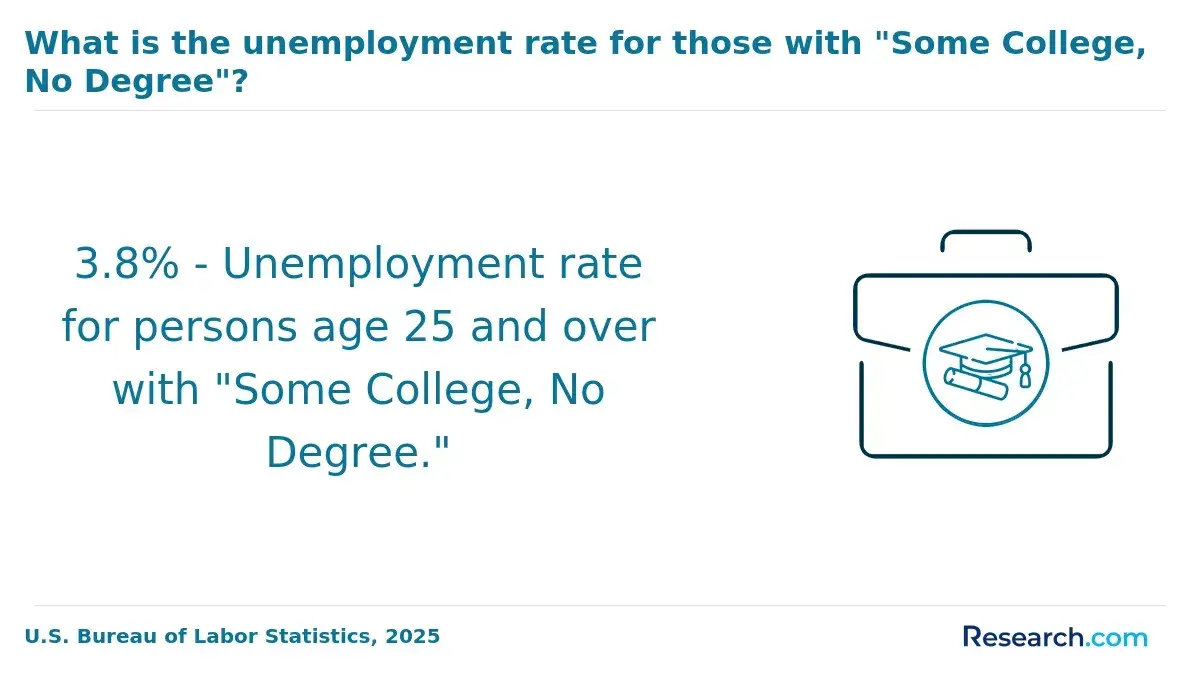
Certificates can open access to training-related roles, but occupational earnings reflect location, experience, hours, employer type, and education, not the certificate alone. U.S. Bureau of Labor Statistics May 2024 national median annual wage data provides a useful comparison point for occupations associated with several common pathways.
The figures below describe the occupation as a whole and should be used to compare potential fields, not to forecast an individual graduate's earnings.
| Occupation | May 2024 median annual wage | Typical advancement route |
| Dental assistants | $47,300 | Expanded functions where state rules permit, office management, or dental hygiene education |
| Medical records specialists | $50,250 | Specialty coding, auditing, health-information management, or a degree pathway |
| Heating, air conditioning, and refrigeration mechanics and installers | $59,810 | Apprenticeship completion, licensure where required, senior technician, or contracting |
| Paralegals and legal assistants | $61,010 | Practice-area specialization, litigation support, compliance, or legal operations |
| Web developers and digital designers | $95,380 | Portfolio growth, specialization, project leadership, or bachelor's-level advancement |
Higher-paying digital roles often require a strong portfolio and experience beyond a short certificate. If your target career consistently lists a bachelor's degree, compare the credential route with relevant the best college degrees before committing to a program that may not meet employer expectations.
What licensing or professional certification steps follow completion of these programs?
Finishing a program and becoming licensed or professionally certified are often separate steps.
A school certificate documents coursework; a certification is awarded by an independent organization after meeting its standards; a license is permission from a government authority to practice under state law. The order and requirements vary substantially.
Before paying for training, confirm which of these post-completion steps applies to your intended role:
- Verify that the school's curriculum meets the eligibility rules of the licensing board or certification organization.
- Complete required clinical hours, supervised work experience, apprenticeship hours, or background screening.
- Apply for and pass any required examination, paying attention to separate testing and retake fees.
- Meet renewal obligations, which can include continuing education, fees, current CPR status, or periodic recertification.
Examples include state licensure for practical nurses, state-specific dental-assisting functions, and trade licensing after required experience. Certifications for coding, IT, and project management may be voluntary but can strengthen an application when local employers recognize them.
How can single parents choose reputable, supportive certification programs and avoid scams?
A reputable program is transparent about what learners receive, what they must do after completion, and what the full cost will be. Be especially cautious when a provider uses "certified" loosely, promises a job, pressures you to enroll immediately, or will not provide written information about accreditation, approval, refund rules, or exam eligibility.
Use these practical checks before signing an enrollment agreement:
- Match the credential to a specific job posting and identify whether employers request a certificate, industry certification, license, degree, or prior experience.
- Request the complete cost in writing, including books, tools, uniforms, tests, background checks, transportation, and clinical or lab fees.
- Confirm institutional accreditation for college-credit programs and separate state or program approval for regulated occupations.
- Ask exactly when labs, clinicals, externships, and proctored exams occur, and whether placement is guaranteed or merely assistance.
- Read withdrawal, refund, leave-of-absence, and reentry policies so an illness or childcare emergency does not create avoidable debt.
- Speak with a program advisor about tutoring, disability services, emergency aid, childcare referrals, and part-time course sequencing.
A lower tuition price is not automatically a better value if the program lacks required approval, creates a nontransferable dead end, or schedules mandatory training when you cannot attend. A slower, stackable pathway can be the safer investment when it preserves work income and family stability.
Other Things You Should Know About the Best Certifications
The quickest option is not always the most useful. Short IT, bookkeeping, digital-marketing, or medical-billing training may take weeks or months, but verify that local employers recognize the credential. Regulated healthcare and trade paths generally take longer because they include clinical, lab, apprenticeship, or licensing requirements.
Possibly. Federal aid may be available for eligible certificate programs at participating schools, while noncredit courses and many third-party certification programs may not qualify. Ask the financial-aid office whether the specific program, enrollment level, and institution are eligible before enrolling.
Single parents need a high school diploma or GED in 2027 to enroll in most certification programs. Additional requirements may include proof of income for financial aid eligibility and documentation of single parent status for specialized support options or grants.
Choose a certificate when you need a focused, lower-commitment route into a defined role and the credential matches employer requirements. Choose an associate degree when job postings commonly require it, when you want broader advancement options, or when the certificate credits clearly apply toward the degree.
References
- Flexible Online CHHA Training Options for Single Parents https://www.pcicareers.org/single-post/online-chha-training-single-parents
- Help Paying for Child Care https://www.childcareaware.org/families/cost-child-care/help-paying-child-care-federal-and-state-child-care-programs/
- Single Parents at Work: Our Research | Single Parent Rights - Single Parent Rights https://www.singleparentrights.org/employment-research
- Child Care Financial Assistance Options https://childcare.gov/consumer-education/get-help-paying-for-child-care/child-care-financial-assistance-options
- Pursuing Flexible Education as a Single Mom https://blackstone.edu/pursuing-flexible-education-as-a-single-mom/


