2027 Best Certificate Programs With Short Courses

Co-Founder and Chief Data Scientist
Choosing a short certificate program means weighing speed against employer recognition, hands-on training, and total cost. These programs can build job-ready skills in weeks or months, but a certificate is not the same as a professional certification or occupational license. U.S. Bureau of Labor Statistics projections for 2024-2034 show faster-than-average growth in several certificate-relevant fields, including healthcare support and skilled trades.
This guide helps career changers, recent graduates, and working adults compare program types, verify quality, estimate costs, and choose training that fits a realistic career goal.
Key Things You Should Know
- Short certificate programs commonly take several weeks to about one year; programs requiring clinical hours, labs, or licensure preparation usually take longer than fully online career courses.
- For 2024-2034, the U.S. Bureau of Labor Statistics projects 12% growth for medical assistants and 9% growth for electricians, making targeted training especially relevant in these fields.
- Choose a certificate only after confirming whether employers need a school-issued certificate, an industry certification exam, a state license, an associate degree, or supervised experience.
Top 10 Best Certificate Programs With Short Courses
Popular Trade School Programs
Trade certificates emphasize practical skills and often combine classroom instruction with labs, shop work, or apprenticeships. Common options include welding, HVAC, electrical, plumbing, diesel technology, CNC machining, and commercial driving. A short certificate can support entry-level hiring, but electricians and plumbers typically need apprenticeships and state-specific licensing before independent work. HVAC students should confirm whether training prepares them for EPA Section 608 certification. Choose campus or hybrid delivery when equipment practice is essential; a fully online program is usually insufficient for hands-on trades.
Healthcare Programs
Healthcare certificates may prepare learners for roles such as medical assistant, pharmacy technician, dental assistant, medical billing and coding specialist, phlebotomist, or nursing assistant. Clinical programs normally require immunizations, background checks, CPR training, and supervised placement. Completion certificates may prepare students for third-party certification exams, but do not automatically confer certification or state licensure. Medical billing and coding can be largely online, while phlebotomy, dental assisting, and nursing assistant training require in-person clinical practice. Verify that a program meets the requirements of the intended employer, certifying body, or state board.
Criminal Justice / Law Programs
Short programs in criminal justice and law include paralegal studies, legal secretary training, court reporting foundations, security officer training, forensic technician basics, and corrections certificates. A paralegal certificate can be useful for people who already hold a degree or have office experience, but it does not authorize someone to practice law. Security training may be governed by state licensing rules and may include fingerprinting or background screening. Students interested in law enforcement should check agency-specific education, physical fitness, academy, and background requirements before enrolling.
Arts & Design Programs
Arts and design certificates commonly focus on graphic design, UX design, digital marketing design, web design, photography, animation, video editing, or interior design fundamentals. These programs are best when they produce a polished portfolio using current software and realistic briefs. A short certificate can demonstrate focused skills, but employers often evaluate portfolios more heavily than the credential itself. For regulated work such as some interior design roles, state rules and professional expectations vary. Compare instructor feedback, portfolio reviews, software access, and project depth before choosing a provider.
What are short-course certificate programs and who are they best suited for?
A short-course certificate program is an educational credential awarded after completing a defined sequence of courses or training. It may be offered by a community college, university, trade school, employer, nonprofit, or private training provider. Programs can be credit-bearing, meaning coursework may apply toward a future degree, or noncredit, meaning the main value is workforce skill development.
Short certificates are usually best for adults seeking a focused entry point, workers updating a specific skill, or students testing a field before committing to a longer program. They are less suitable when the target occupation legally requires a degree, extended clinical education, apprenticeship, or license. A professional certification is different: it is usually awarded by an independent organization after an exam, experience review, or continuing-education requirement.
The comparison below clarifies which route fits common goals.
| Option | What the learner earns | Best use | Main limitation |
| Short certificate | School or provider credential | Focused, faster skills training | May not meet licensing or degree requirements |
| Industry certification | Credential from a certifying body | Validating a defined professional skill | May require an exam, experience, or renewal |
| Associate degree | Academic degree | Broader preparation and transferable credit | Usually takes longer and costs more |
| Apprenticeship | Paid supervised work training | Licensed skilled-trade pathways | Entry can be competitive and multi-year |
How do online and campus certificate programs compare for flexibility and outcomes?
Online certificate programs offer the greatest scheduling flexibility for theory-based subjects such as project management, bookkeeping, coding, data analytics, medical billing, and digital design. Campus and hybrid formats are generally stronger for skills requiring labs, equipment, clinical practice, performance feedback, or direct observation.
Outcomes depend more on curriculum quality, practice opportunities, employer recognition, and learner support than on the delivery label alone. For example, an online coding certificate can be useful when it includes portfolio projects and career support, while an online phlebotomy course without supervised blood draws will not provide equivalent preparation. Learners who need a broader credential may compare an accelerated associate degree with a standalone certificate before committing.
This comparison highlights the practical trade-offs.
| Factor | Online | Campus or hybrid |
| Schedule | Often asynchronous and part-time friendly | Usually fixed meeting or lab times |
| Hands-on practice | Limited unless local placement is arranged | Direct access to labs, equipment, and instructors |
| Travel costs | Usually lower | May include commuting, parking, or relocation |
| Best fit | Digital, administrative, and theory-based skills | Clinical, technical, and equipment-based skills |
How can students verify accreditation and program quality for certificate programs?
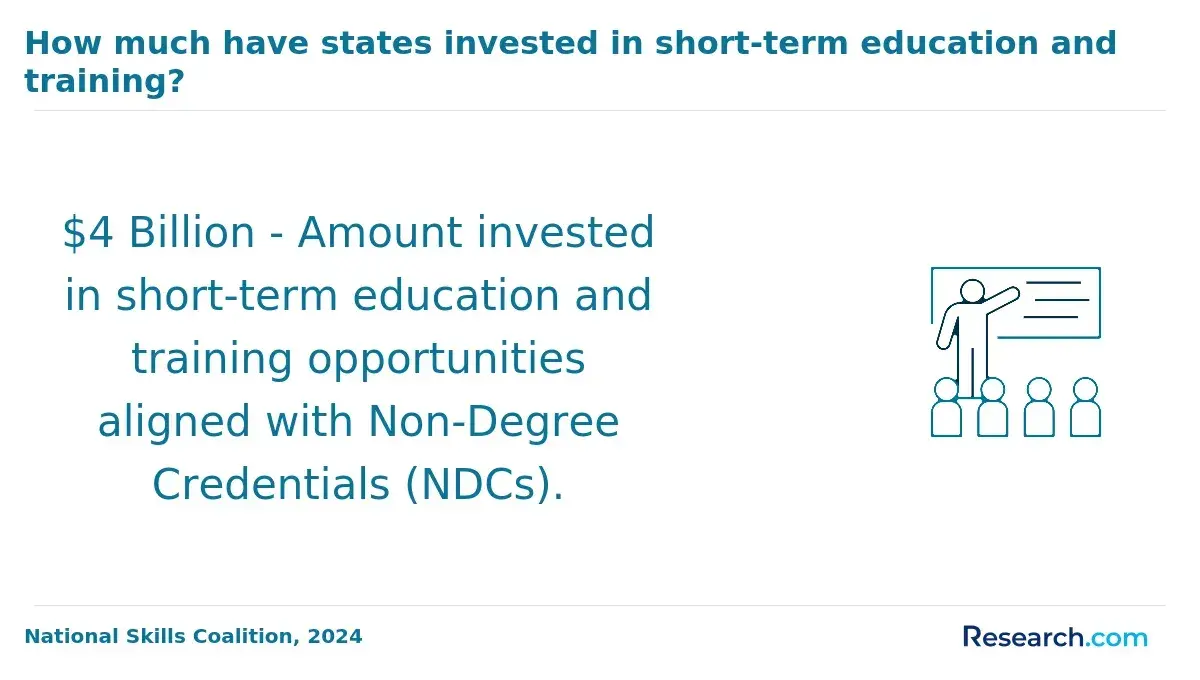
Program quality starts with identifying the credential issuer and the requirement you must meet after completion. Institutional accreditation matters most for college credit, federal student aid eligibility, transfer plans, and academic quality review. Programmatic approval matters when a field has specialized standards, particularly in healthcare and certain technical disciplines.
Before paying a deposit, verify these points directly with the school, regulator, employer, or certifying organization:
- Confirm the institution's accreditation through the U.S. Department of Education or Council for Higher Education Accreditation databases when the program is college-based.
- Check whether the specific program has required approval, such as nursing board approval or eligibility for a recognized certification examination.
- Ask whether clinical placements, labs, externships, exam fees, tools, uniforms, and background checks are included in the advertised price.
- Request completion, licensure-exam, job-placement, and employer-partnership information, including how each outcome is calculated.
- Read the refund policy and confirm whether credits transfer or stack into a degree before enrolling.
A common mistake is assuming institutional accreditation automatically makes every certificate professionally qualifying. It does not. Conversely, a respected noncredit provider may teach useful skills but offer no transferable academic credit. Match the quality check to the purpose of the credential.
What admission requirements and prerequisites do most short certificate programs have?
Admissions requirements vary sharply by provider and field. Many noncredit online certificates require only a payment method, basic computer access, and readiness for the coursework. Community college certificates may require an application, residency documentation, placement assessment, or prerequisite coursework. Clinical and public-safety programs commonly add health, background, drug-screening, immunization, and physical-capacity requirements.
Applicants should distinguish entry requirements from employment requirements. A school may admit a student without prior experience, while an employer may later require a driver's license, CPR credential, portfolio, security clearance, certification exam, or work authorization.
Ask admissions staff for written answers to the following questions before applying:
- Is this certificate credit-bearing, and can its credits apply to a named associate or bachelor's program?
- Which prerequisites must be completed before the first course, clinical rotation, or lab?
- Does completion make me eligible for a specific certification or licensure exam, or is additional training required?
- What technology, equipment, transportation, and attendance expectations apply?
Students seeking a longer academic route may also evaluate easiest degree to get options carefully, while recognizing that "easier" should never replace checking career relevance, accreditation, and total cost.
How long do short certificate programs take, and what do they typically cost?
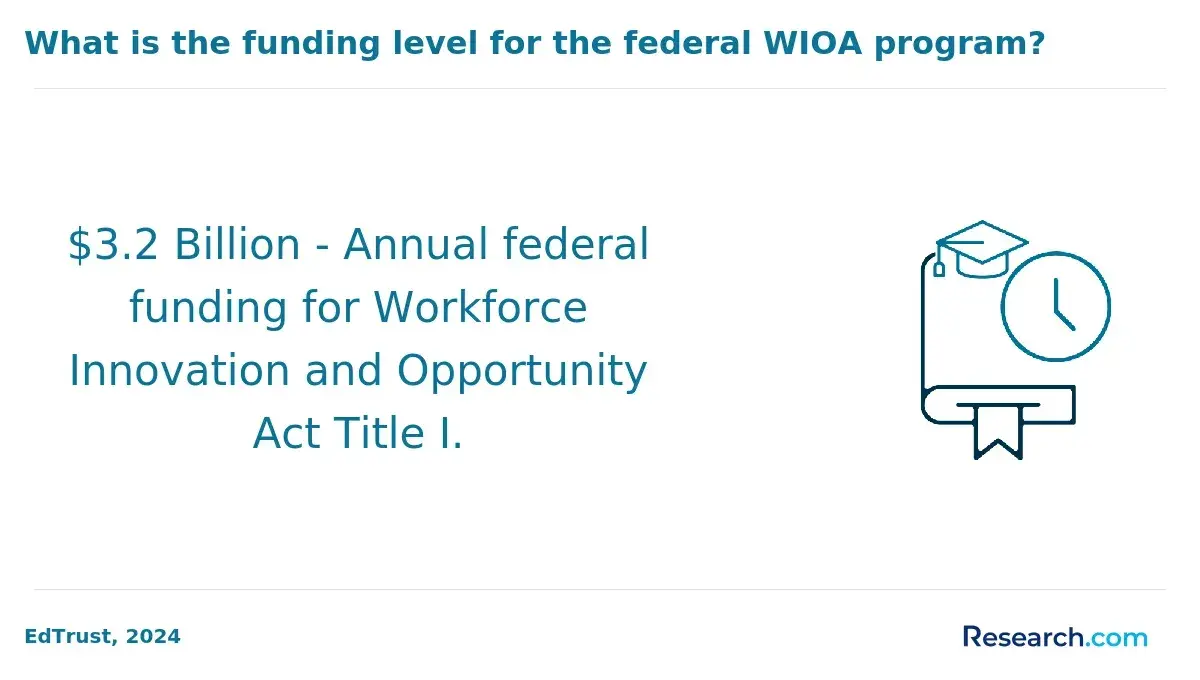
Short certificates can range from a few weeks for a focused noncredit course to roughly one year for a college or clinical certificate. Time depends on required contact hours, externships, licensing rules, course sequencing, and whether students attend full time. A self-paced online program may be fast, but it can require strong self-management and may not include instructor feedback or placement support.
Costs vary by provider, residency, supplies, and required external fees. The table separates common cost drivers so readers can compare published tuition with the likely total price.
| Cost factor | Why it changes the total | What to confirm |
| Tuition or course fee | May be charged per course, credit, term, or package | Full program price and payment schedule |
| Required materials | Tools, software, textbooks, scrubs, and safety gear can be separate | Itemized supply list |
| Clinical or lab costs | Health checks, transportation, and facility fees may apply | Placement and attendance expenses |
| Exam and licensing fees | Usually paid to a separate certifier or state agency | Whether fees are included or optional |
College-based certificates may qualify for some aid when they meet federal and institutional rules, while short noncredit programs often do not. Compare employer tuition assistance, workforce grants, payment plans, and lower-cost public options. Readers exploring broader budget choices can review cheapest online colleges alongside certificate providers.
What coursework and skills do leading short certificate programs usually cover?
Leading short certificate programs focus on a narrow, demonstrable set of skills rather than broad general education. The strongest curriculum ties instruction to actual job tasks, current tools, safety standards, documentation, and supervised practice where required. Learners should be able to explain what they can do after the program, not merely name the courses they completed.
Although exact coursework varies, effective programs commonly build these skill areas:
- Technical foundations, such as electrical theory, medical terminology, design software, legal procedures, or bookkeeping principles.
- Applied practice through labs, simulations, case files, client-style projects, clinical rotations, or equipment training.
- Workplace skills, including communication, documentation, digital literacy, time management, and professional ethics.
- Career evidence, such as a portfolio, skills assessment, practicum evaluation, industry exam preparation, or supervised hours record.
AI tools are changing administrative, design, and technology work, so choose programs that teach responsible use of current software alongside core judgment, verification, privacy, and communication skills. Avoid courses that promise an AI-related job without teaching projects, data handling, or the human review expected in real workplaces.
Which careers and entry-level roles can short certificate programs help you access?
A certificate can help a candidate pursue entry-level roles when the employer values the specific skills taught, but it is not a universal hiring credential. The most realistic outcomes are roles with structured tasks, employer training, or an established credential pathway. Licensure-dependent occupations may require substantial additional steps.
This table connects common certificate areas with examples of roles and important limits.
| Certificate area | Possible entry-level roles | Important limitation |
| HVAC or electrical | Helper, installer trainee, maintenance assistant | Independent work generally requires apprenticeship or licensing |
| Medical assisting | Medical assistant, clinical support worker | Employer and state expectations vary; certification may be preferred |
| Billing and coding | Billing specialist, claims processor, coding trainee | Employers may prefer certification or experience |
| Paralegal studies | Legal assistant, administrative assistant | Does not permit legal practice |
| Digital design | Production artist, junior content designer, freelance assistant | Portfolio quality and experience strongly affect hiring |
For professionals who already hold a bachelor's degree and want a more advanced academic credential, online 1 year masters programs may be a better fit than an entry-level certificate.
What salary ranges and advancement opportunities are common after earning a certificate?
Salary depends on occupation, location, employer, shifts, union status, experience, licensing, and education beyond the certificate. It should not be treated as a return guaranteed by a program. The U.S. Bureau of Labor Statistics reported a 2024 median annual wage of $62,350 for electricians and $44,200 for medical assistants; these figures describe the occupations, not certificate-graduate earnings.
Advancement is most likely when a short program is the first step in a recognized progression. A trade trainee may move through an apprenticeship, a medical assistant may add specialty credentials or pursue nursing, and a designer may build a portfolio into more complex work. Certificates have weaker value when they teach generic skills without a portfolio, supervised practice, employer recognition, or a clear next credential.
To evaluate return on investment, compare total out-of-pocket cost and lost work time with the local entry-level job requirements, not just occupation-wide median pay. Ask local employers which credentials they actually recognize and whether they reimburse training after hire.
How can you choose a reputable short certificate program aligned with your goals?
A reputable short certificate program aligns with one target role, fits your schedule, and provides evidence that employers or regulators recognize its training. Start with job postings and conversations with local employers, then work backward to the education, certification, license, portfolio, or experience those roles require.
Use this practical selection process to avoid paying for training that does not move you toward your goal:
- Name one target job and identify the minimum qualifications in several current local job postings.
- Decide whether you need a school certificate, industry certification, license preparation, academic credit, or a combination of these.
- Compare total costs, required supplies, time to completion, scheduling, and any unpaid clinical or externship hours.
- Verify accreditation, program approval, certification-exam eligibility, and transfer policies with authoritative sources rather than marketing claims.
- Review instructor qualifications, hands-on hours, career services, portfolio requirements, and outcome disclosures.
- Keep written records of every promise about placement, exam eligibility, refunds, and credit transfer before signing an enrollment agreement.
Major red flags include pressure to enroll immediately, vague claims about "accreditation," salary guarantees, missing refund terms, no itemized fees, and programs that cannot explain whether graduates qualify for a required exam or license. The best fast program is not necessarily the shortest one; it is the shortest credible route that meets the requirements of your intended role.
Other Things You Should Know About
They can be worthwhile when the curriculum matches a specific job requirement, builds demonstrable skills, and costs substantially less than a longer path. They are less worthwhile when an occupation requires a license, degree, or apprenticeship that the program does not provide.
Some noncredit online certificates can be completed in weeks, especially in software, office administration, or introductory business topics. Faster is not automatically better: verify employer recognition, project quality, and whether the training meets any licensing or examination requirements.
Sometimes. Certificates can support entry-level roles in fields such as healthcare support, skilled-trade assistance, administration, and digital production. Hiring still depends on local demand, experience, background requirements, portfolio quality, and any required certification or license.
Employers may value both, but they serve different purposes. A certificate shows completion of education or training; a certification usually verifies that a person met standards set by an independent professional organization. Check job postings to see which credential is requested.
References
- Study: Modest earnings gains from short-term training https://www.ccdaily.com/2025/11/study-modest-earnings-gains-from-short-term-training/
- What You Should Know About Short-Term Certification Programs https://www.learnhowtobecome.org/career-resource-center/short-term-certifications/
- ECE: State Short Early Childhood Education Certificate - Family Child Care https://northseattle.edu/programs/early-childhood-education/state-short-early-childhood-education-certificate-family-child-0
- Certificate Programs | Seattle Colleges https://www.seattlecolleges.edu/programs/certificate-programs
- 7 in-demand certifications in 2025 | edX https://www.edx.org/resources/in-demand-professional-certifications
- Can Short-Term Certificates Compete with Full Degrees in 2026? https://www.scholaro.com/db/News/can-short-term-certificates-compete-250
- The Top 5 Certificate Programs for Jobs With Growth Potential | CourseStorm https://www.coursestorm.com/blog/top-certificate-programs-for-jobs
- 9 Best Online Certificate Programs that Lead to Higher Pay https://blackstone.edu/9-best-online-programs-for-higher-pay/