2027 Best Certificate Programs

Co-Founder and Chief Data Scientist
Choosing a certificate program means weighing speed, cost, employer recognition, and whether the credential actually supports your target job. Certificates are educational awards for completing a defined course of study; they are not the same as professional certifications earned through an exam or industry body.
U.S. Bureau of Labor Statistics projections show healthcare support occupations are expected to grow faster than average from 2023 to 2033. This guide helps career changers, recent graduates, and working adults compare high-value certificate paths, delivery formats, costs, licensing requirements, and realistic next steps.
Key Things You Should Know
- High-value certificates align with a specific job target, local employer demand, and any required state license or industry certification; healthcare, skilled trades, IT, and business operations often offer the clearest pathways.
- Many career certificates take several months to about one year, while an associate degree usually takes about two years; BLS occupational data should be used to evaluate the role, not as a promise of earnings after completing a certificate.
- Before paying tuition, verify whether the program is credit-bearing, institutionally accredited when applicable, eligible for aid, accepted by licensing boards, and portable to a later associate or bachelor's degree.
Top 10 Best Certificate Programs
Popular Trade School Programs
Trade certificates emphasize hands-on, job-specific training and commonly lead to apprenticeships, entry-level work, or required exams. Strong options include HVAC technician, welding, electrical technology, plumbing, diesel mechanics, automotive service, and industrial maintenance. Most combine classroom safety instruction with lab practice; online-only delivery is usually unsuitable for skills requiring supervised shop hours.
Choose a certificate when you want focused entry training, but confirm state apprenticeship, journeyman, or contractor rules before enrolling. An associate degree can be a better fit for students seeking broader technical coursework or supervisory advancement.
Healthcare Programs
Healthcare certificates can prepare students for roles such as medical assistant, pharmacy technician, dental assistant, medical billing and coding specialist, nursing assistant, or phlebotomy technician. Clinical programs generally require immunizations, background checks, CPR training, and supervised externships.
A school certificate may prepare graduates for a separate certification examination, but it does not automatically grant a license. Verify that clinical placements are available in your area and that the curriculum meets state rules. For licensed nursing or imaging careers, an approved degree program is often required instead.
Criminal Justice / Law Programs
Criminal justice, paralegal studies, legal office administration, and court reporting certificates can build foundational knowledge in legal procedures, records, ethics, and communication. A paralegal certificate is most useful when it includes practical legal research, writing, and software training; employers may prefer American Bar Association-approved programs where available, although ABA approval is not universally required.
These programs do not qualify graduates to practice law, become police officers, or bypass agency hiring standards. Students aiming for attorney, investigator, or law-enforcement careers may need additional education, academy training, or employer-specific screening.
Arts & Design Programs
Certificates in graphic design, UX design, digital media, photography, animation, web design, and interior design can help learners create a portfolio quickly. Their career value depends heavily on demonstrable work, software proficiency, critique, and client-facing experience rather than the credential alone.
Seek programs with current tools, portfolio reviews, accessible instructors, and clear ownership rules for student work. A short certificate suits people building targeted skills; an associate or bachelor's degree may be more appropriate for roles requiring deeper studio practice, broader theory, or a competitive professional portfolio.
What types of certificate programs offer the best career value today?
The best career-value certificate is not simply the shortest or cheapest one. It is a program that teaches skills employers can verify, meets any regulatory requirement, and costs substantially less than the earnings and advancement opportunity it may support. Credit-bearing certificates from community colleges can be especially useful when they stack into an associate degree; noncredit professional certificates may be better for rapid upskilling in software, project work, or business tools.
These categories generally offer the strongest practical value when matched to a real opening or advancement plan:
- Licensed or regulated support roles: Medical assisting, pharmacy technology, dental assisting, and commercial driving can have defined training and examination pathways, but requirements vary by state and employer.
- Skilled trades: HVAC, electrical, welding, and industrial maintenance certificates can create an entry point to paid apprenticeships or technician roles, especially when local employers recognize the school.
- Technology support and analytics: IT support, cybersecurity fundamentals, cloud administration, and data analytics certificates can complement industry certifications and portfolios; advanced technical roles often require experience beyond the certificate.
- Business operations: Bookkeeping, payroll, project coordination, and supply-chain certificates work best for learners who can document software skills and relevant work samples.
A certificate is less likely to be the right standalone investment for occupations requiring a bachelor's degree, graduate degree, substantial field experience, or a state-issued professional license. Compare the program curriculum with actual job postings in your area before treating it as a direct route to employment.
How do accredited online certificate programs compare with campus-based options?
Accredited online certificate programs can be a strong choice for theory-based fields such as bookkeeping, IT, business, coding, and legal administration.
Campus or hybrid programs are generally safer for trades and healthcare fields that require labs, equipment, clinical placements, or skills assessments. Institutional accreditation matters most for credit-bearing college certificates, federal aid eligibility, transfer planning, and confidence that academic standards are independently reviewed. Programmatic approval may also matter in regulated healthcare fields.
Format should follow the learning task, not just convenience. A self-paced online college option can suit disciplined learners completing lecture-heavy coursework, but confirm deadlines, faculty access, proctoring, and whether self-paced study is accepted for any licensing or certification requirement.
Use these trade-offs when comparing formats:
- Online: Often offers lower commuting costs and greater scheduling flexibility, but requires reliable technology, time management, and clear access to student support.
- Hybrid: Combines online theory with required labs or clinical sessions and is often the most practical model for applied training.
- Campus-based: Provides regular equipment access and in-person feedback, but may cost more in transportation, parking, housing, or lost work time.
What admission requirements do most certificate programs have?
Admission requirements depend on whether the credential is an academic certificate, a continuing-education program, or a third-party professional certificate. Community college certificates commonly require an application, identity or residency information, and placement or prerequisite verification. Many short noncredit programs require only payment and basic readiness to participate.
Healthcare and public-safety programs may add requirements because students work around patients, sensitive information, or clinical partners. Applicants may need a high school diploma or equivalent, immunization records, drug screening, criminal background checks, CPR certification, or placement testing. Competitive programs can require prerequisite science courses or a minimum GPA, while many entry-level workforce certificates do not.
Before applying, ask whether requirements apply to admission, enrollment in clinical courses, externship placement, graduation, or eligibility for a separate certification exam. These stages are not interchangeable, and a school should explain each one in writing.
How long do certificate programs take and what do they cost?
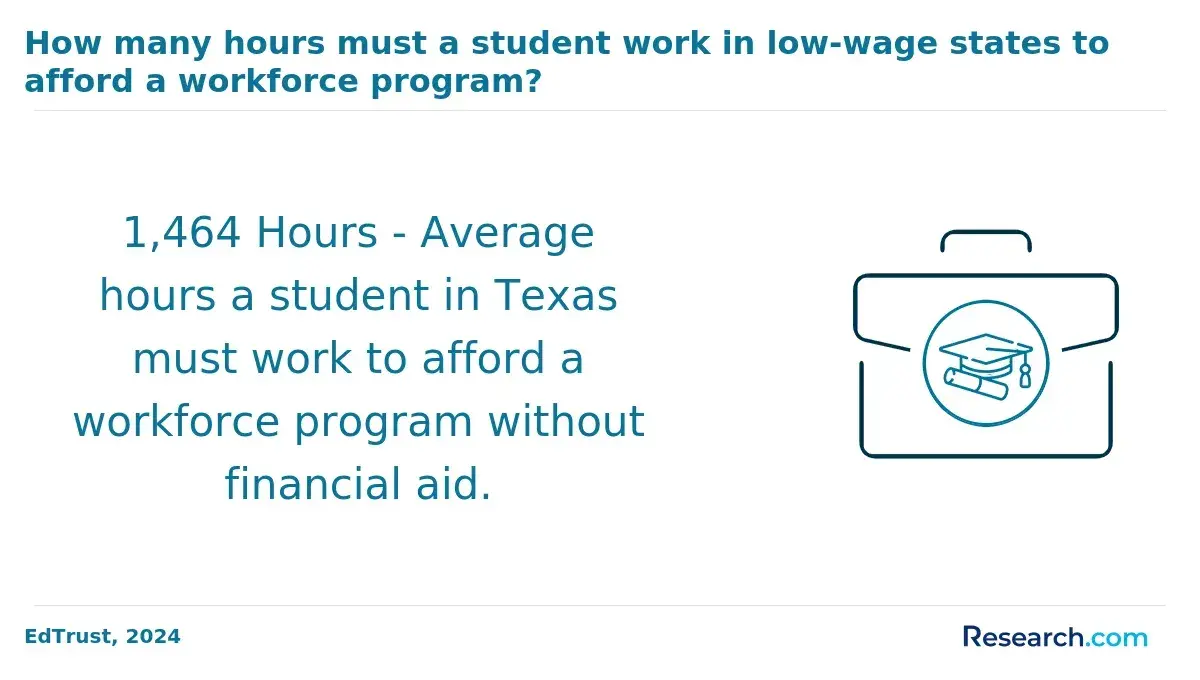
Program length ranges from a few weeks for narrowly focused noncredit training to roughly one academic year for many college certificates. Cost varies even more: public community colleges may charge by credit, private career schools may quote a package price, and professional providers may charge per course, subscription, examination, or retake. Tuition is only one part of the investment.
Budget for the complete path, including these commonly overlooked costs:
- Application, registration, technology, laboratory, and graduation fees.
- Tools, uniforms, software, textbooks, background checks, vaccinations, and transportation to labs or clinical sites.
- Licensing, certification examination, fingerprinting, renewal, and continuing-education expenses where required.
- Reduced work hours or childcare costs during full-time study, internships, or clinical rotations.
Credit-bearing programs may qualify eligible students for federal aid when offered by an eligible institution, while many noncredit programs do not. Working adults who may later need graduate education should compare the cheapest master's degree online options before selecting a certificate that cannot transfer or stack into a longer academic path.
What core courses and skills do top certificate programs typically include?
Top certificate programs teach a focused combination of technical knowledge, applied practice, workplace behavior, and documentation. The precise curriculum should map to the tasks a beginner will perform, not merely broad career labels. For example, an HVAC curriculum should show safety, electrical fundamentals, refrigeration systems, diagnostics, and hands-on service procedures; a medical billing program should show coding systems, claims workflows, compliance, and relevant software.
Regardless of field, employers frequently value evidence that learners can perform these transferable tasks:
- Use field-specific equipment, software, records systems, or documentation standards accurately.
- Apply safety, privacy, ethics, and quality-control rules in realistic scenarios.
- Communicate with customers, patients, supervisors, or team members professionally.
- Troubleshoot routine problems and know when to escalate a safety, legal, or technical issue.
- Present proof of competence through a portfolio, practical assessment, externship evaluation, or industry examination where relevant.
Be cautious of programs that list only vague outcomes such as "career readiness" without naming tools, competencies, supervised practice, instructors' qualifications, or assessment methods.
Which careers and job roles can you pursue with a certificate?
A certificate can support entry-level employment, career transitions, or advancement in a current workplace, but the role available depends on local hiring practices, prior experience, background requirements, and any license or certification rules. It is most useful when the job title, training requirements, and next credential are clear before enrollment.
Common certificate-aligned job paths include the following:
- Trades: HVAC helper or technician trainee, welder trainee, electrical apprentice, maintenance technician, automotive service technician, or installer.
- Healthcare: Medical assistant, pharmacy technician, dental assistant, nursing assistant, phlebotomy technician, patient care technician, or medical records specialist.
- Technology and business: Help desk specialist, junior IT support technician, bookkeeping clerk, payroll assistant, project coordinator, or logistics coordinator.
- Legal and public service: Paralegal assistant, legal secretary, records clerk, victim advocate assistant, or court administrative support worker.
- Creative fields: Junior graphic designer, production artist, web content assistant, digital marketing assistant, or freelance creative contractor.
Veterans and service members should also compare schools' transfer policies, support services, and schedule design. Military-friendly online colleges may offer useful flexibility for learners balancing deployments, benefits administration, or frequent relocations.
What salary ranges and earning potential do certificate holders have?
Salary information should be evaluated by occupation rather than assumed to be the outcome of a certificate. The U.S. Bureau of Labor Statistics reported a 2024 median annual wage of $49,210 for all occupations, while occupations tied to certificate-level training can fall below or above that benchmark depending on specialization, region, shifts, union coverage, experience, and licensing.
For example, entry-level healthcare support and office roles may have lower starting pay but clearer pathways to additional credentials. Skilled trades may offer stronger earnings potential after apprenticeship progression, overtime, or licensure, but can involve variable schedules and physical demands. Technology certificates can support entry roles, yet applicants usually need hands-on projects and current technical skills to compete.
When comparing earnings potential, review local job postings, wage data for the exact occupation, required experience, and the cost of the full training-to-employment path. Treat salary figures as labor-market context, not a guarantee that a certificate holder will earn that amount.
What licensing or professional certification might be required after a certificate?
Completing a certificate program and earning a professional certification or license are separate steps. A school certificate confirms completion of education or training. A professional certification is usually issued by an industry organization after an exam, skills assessment, experience requirement, or continuing education. A license is issued by a government authority and may be legally required to practice a regulated occupation.
Requirements commonly arise in these situations:
- Healthcare programs may prepare students for national certification examinations or state registry requirements, while clinical employers may impose additional hiring conditions.
- Electricians, plumbers, HVAC technicians, and other trades workers may need apprenticeship hours, examinations, and state or local licensing before independent work.
- Commercial driving requires a commercial driver's license and may require approved training under federal and state rules.
- IT certificates can prepare learners for vendor-neutral or vendor-specific certification exams, but employers may still expect experience and practical troubleshooting ability.
Ask the program whether it meets current eligibility rules for the exam or license in the state where you intend to work. Do not rely on a general statement that a program is "certification ready."
How can you evaluate and choose a reputable certificate program?
A reputable program makes its credential type, curriculum, total charges, delivery requirements, and career limitations easy to verify. Start with your intended job, then work backward: identify whether that job needs a license, certification, supervised hours, associate degree, portfolio, or employer training. This prevents paying for a credential that does not meet the actual entry requirement.
Use this practical review process before enrolling:
- Find several local or remote job postings for your target role and record the education, license, software, and experience employers request.
- Confirm whether the provider is a college, a state-approved career school, an employer program, or a third-party training provider, and verify the appropriate accreditation or approval.
- Request the full cost of attendance, including fees, tools, examinations, clinical requirements, and likely transportation costs.
- Ask who teaches the program, how practical skills are assessed, whether externships are guaranteed or competitive, and what happens if placement is unavailable.
- Check credit transfer, stackability, withdrawal, refund, and complaint policies in writing before paying a deposit.
Red flags include pressure to enroll immediately, unclear licensing eligibility, vague employer partnerships, unusually broad job promises, and refusal to provide a detailed curriculum. Learners with a long-term academic goal may also compare pathways such as the most affordable online doctoral programs to understand how a short credential fits into, or fails to fit into, a future degree plan.
Other Things You Should Know About
They can be worth it when the curriculum matches a specific job requirement, employer demand, or licensing pathway and the total cost is manageable. They are less valuable when the target occupation requires a degree, substantial experience, or a license the program does not support.
A certificate is awarded by a school or training provider after completing a program. A certification is awarded by a professional organization after meeting its standards, often through an exam and ongoing renewal requirements.
Possibly, especially in fields where work can be learned and demonstrated online, such as IT support, bookkeeping, or digital marketing. For healthcare and trades, confirm that online coursework includes required labs, clinical training, or supervised practical experience.
Some credit-bearing college certificates are designed to stack into an associate or bachelor's degree, but transfer is never automatic. Noncredit certificates and third-party professional programs usually do not carry college credit. Get the receiving institution's transfer policy in writing.
References
- Online vs. In-Person HR Certifications: What's Best? https://hrcertification.com/blog/online-vs-inperson-hr-certifications-biid1000211
- What is the difference between quality assurance, accreditation and certification? - SFJ Awards https://sfjawards.com/quality-assurance-accreditation-certification/
- Which Degrees Have the Best Return on Investment Internationally? https://uninewsletter.com/blogs/which-degrees-have-the-best-return-on-investment-internationally/en
- The Top 5 Certificate Programs for Jobs With Growth Potential | CourseStorm https://www.coursestorm.com/blog/top-certificate-programs-for-jobs
- Are online education programs worth it? Understanding their value - MSU Denver https://www.msudenver.edu/innovative-lifelong-learning/blog/are-online-education-programs-worth-it-understanding-their-value/
- The University Courses With The Highest Return On Investment - Here Student Living https://herestudents.com/the-university-courses-with-the-highest-return-on-investment/
- The Benefits of Certificate Programs in Higher Education https://moderncampus.com/blog/benefits-of-certificate-programs.html
- Accreditation Standards - Accreditation Council for Business Schools and Programs https://acbsp.org/page/accreditation-standards
- Complete Guide to TEFL Certification Process 2025 https://teflinstitute.com/blog/tefl-certification-process-2025/
- Choosing an Online Certification Course: A Step-by-Step Guide https://www.qahe.org/article/choosing-an-online-certification-course-a-step-by-step-guide/