2027 Most Affordable Microcredentials

Co-Founder and Chief Data Scientist
Choosing a low-cost microcredential can be harder than choosing a degree: prices, employer recognition, and career value vary widely. The U.S. Bureau of Labor Statistics projects employment for data scientists to grow 34% from 2024 to 2034, illustrating why targeted digital skills remain attractive.
This guide is for career changers, working adults, and budget-conscious learners comparing short credentials. It explains what affordable programs actually provide, what they cost beyond tuition, which fields have stronger prospects, and how to avoid paying for training that does not match your goal.
Key Things You Should Know
- Affordable microcredentials are usually short, focused courses or certificate sequences; a low sticker price matters only if the provider, skills taught, and employer recognition fit your target role.
- For job-focused options, compare total costs - including exams, software, equipment, and renewal fees - not tuition alone; many noncredit programs are not eligible for federal student aid.
- Strong near-term options often build verifiable digital, healthcare-support, or technical skills, but a microcredential does not automatically confer professional licensure or guarantee employment.
Top 10 Most Affordable Microcredentials
Popular Trade School Programs
Affordable trade-focused microcredentials commonly cover welding fundamentals, HVAC maintenance, electrical safety, industrial maintenance, construction estimating, and computer-aided design. A short certificate can help a beginner test a trade or document a narrow skill, while an associate degree usually provides broader theory, general education, and more hands-on hours. Choose a campus lab program when equipment practice is essential; choose online coursework only for theory or code preparation. For regulated work, verify whether the training satisfies your state's apprenticeship, examination, or supervised-hours rules before enrolling.
Healthcare Programs
Healthcare microcredentials may address medical billing, pharmacy technician preparation, sterile processing, electronic health records, or healthcare support skills. They can be economical entry points, but clinical roles often require more than an online badge: state rules, employer policies, clinical placements, background checks, immunizations, and a separate certification exam may apply. Medical assisting is usually taught through a longer certificate or associate program with supervised practice rather than a brief standalone microcredential. Ask whether the program is credit-bearing and whether it specifically prepares students for a recognized national exam.
Criminal Justice / Law Programs
Low-cost options in this area include legal research, e-discovery, court administration, corrections, cybersecurity law fundamentals, and victim advocacy training. A short microcredential can strengthen office, research, or compliance skills, but it does not make someone an attorney, police officer, or licensed investigator. Paralegal employment may involve employer preferences for an associate degree, bachelor's degree, or approved paralegal education. Choose a credit-bearing certificate or associate pathway when you may later need transferable coursework; choose a focused professional credential for a discrete workplace skill.
Arts & Design Programs
Arts and design microcredentials often teach UX foundations, graphic design software, digital marketing creative, video editing, animation basics, or portfolio development. They are most valuable when they produce work samples a hiring manager can review. A short program may suit learners adding one tool to an existing portfolio, while an associate degree can offer wider critique, production, and design-history training. Before paying, confirm software costs, ownership of completed work, instructor feedback, and whether the final portfolio reflects the jobs you want rather than only classroom exercises.
What are microcredentials and how do they work?
A microcredential is a compact, focused credential showing that a learner completed a defined set of skills or assessments. Colleges, community colleges, employers, industry associations, and online learning companies may issue them. Unlike a professional certification, which is awarded by a certifying body after meeting its standards and often passing an exam, a microcredential usually documents learning completion.
They work best when the skill is specific and observable: data visualization, cloud fundamentals, project coordination, medical coding concepts, or advanced spreadsheet analysis. Some are digital badges; others are college certificates carrying academic credit. If your goal is a recognized exam or job credential, compare the course outcome with certifications that pay well rather than assuming the two are equivalent.
Use this comparison to identify the type of credential that matches your goal before comparing prices.
| Option | Typical provider | Best use | Key limitation |
| Noncredit microcredential | College or online provider | Quick, narrow upskilling | May not transfer for academic credit |
| Credit-bearing certificate | Accredited college | Career training with possible stackability | Usually takes longer and costs more |
| Professional certification | Certifying organization | Meeting an industry standard | May require an exam, experience, or renewal |
| Associate degree | College | Broader entry-level preparation | Greater time and tuition commitment |
Which microcredentials have the best job prospects?
The best job prospects generally come from microcredentials tied to a documented skill shortage, a recognized employer tool, or a pathway into a larger credential. Technology, healthcare support, skilled technical work, and business operations are practical areas to investigate, but local job postings should decide the final choice.
BLS projects data scientist employment to grow 34% from 2024 to 2034. That does not mean an introductory data microcredential qualifies a learner for data scientist roles, which commonly require substantial mathematics, programming, and often a degree; it does show sustained demand for analytical skills that can also support junior reporting or operations work.
Prioritize credentials that provide evidence employers can evaluate.
- Match the curriculum to repeated requirements in at least 20 local or remote job postings.
- Prefer assessed projects, labs, simulations, or proctored examinations over attendance-only badges.
- Check whether the credential maps to a named platform, industry standard, or next-step certificate.
- For licensed healthcare and trade roles, confirm the state board or employer accepts the training before paying.
How much do microcredentials cost?
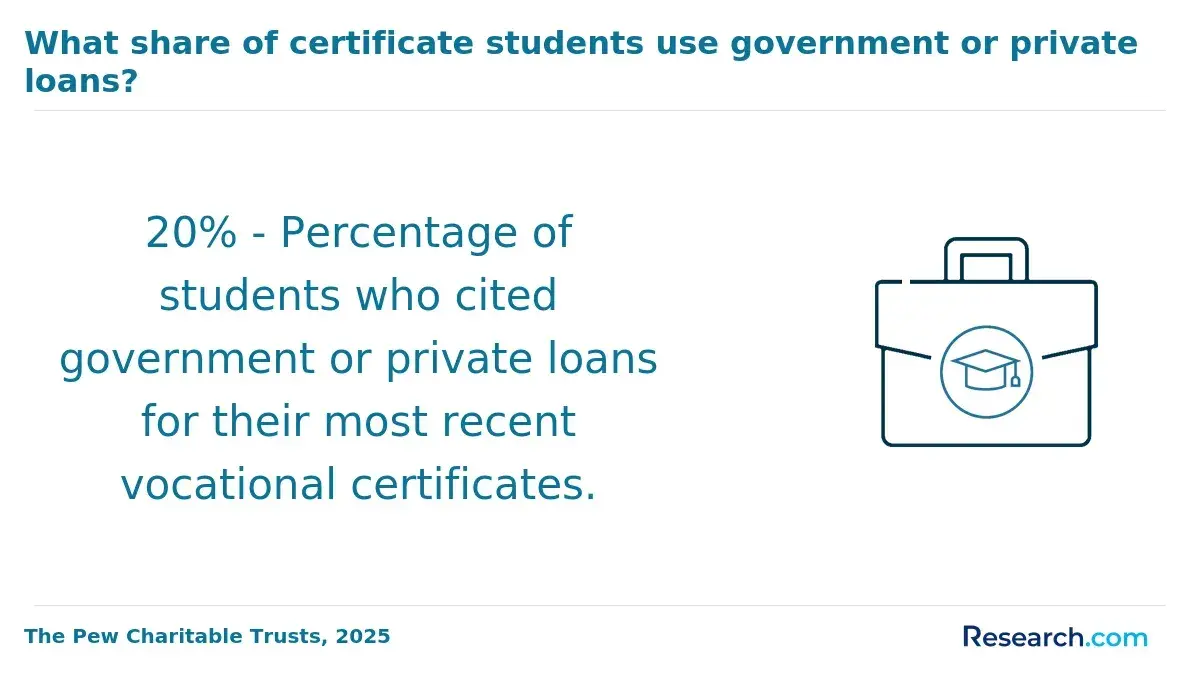
Affordable can mean very different things: a self-paced course may charge a monthly subscription, a community college may charge per credit, and an exam-oriented program may charge separately for testing and materials. The true cost is the amount required to finish with the credential or exam preparation you need, not the advertised starting price.
For learners who need a broader, credit-bearing route, an online associate degree may offer more extensive preparation than several unrelated badges, though completion time and total tuition are usually higher.
Review the following cost categories in writing before you enroll.
| Cost category | Why it changes affordability | What to verify |
| Tuition or subscription | May cover one course rather than the full pathway | Total modules needed to earn the credential |
| Assessment fees | Can be required for a badge or certification attempt | First attempt, retake, and proctoring charges |
| Materials and software | Common in design, IT, and trade training | Required licenses, tools, kits, and device specifications |
| Travel or clinical costs | Can exceed online-course savings | Lab, practicum, background-check, and transportation requirements |
| Renewal costs | Apply mainly to professional certifications | Continuing education and recertification schedule |
Are microcredentials offered online or on campus?
Microcredentials are offered online, on campus, and in hybrid formats. Online delivery is often the least expensive for software, business, and theory-based topics because it can reduce commuting and facility costs. It is less suitable when competency depends on supervised clinical practice, machinery, physical tools, or live performance feedback.
Choose online study if you can demonstrate skills through projects, simulations, or proctored assessments and need flexible scheduling. Choose campus or hybrid training when employers expect lab hours, a practicum, portfolio critique, or instructor observation. Before enrolling, ask whether sessions are live or self-paced, whether attendance is required, how assessments are verified, and whether you must travel for a final exam or placement.
What accreditation should a microcredential program have?
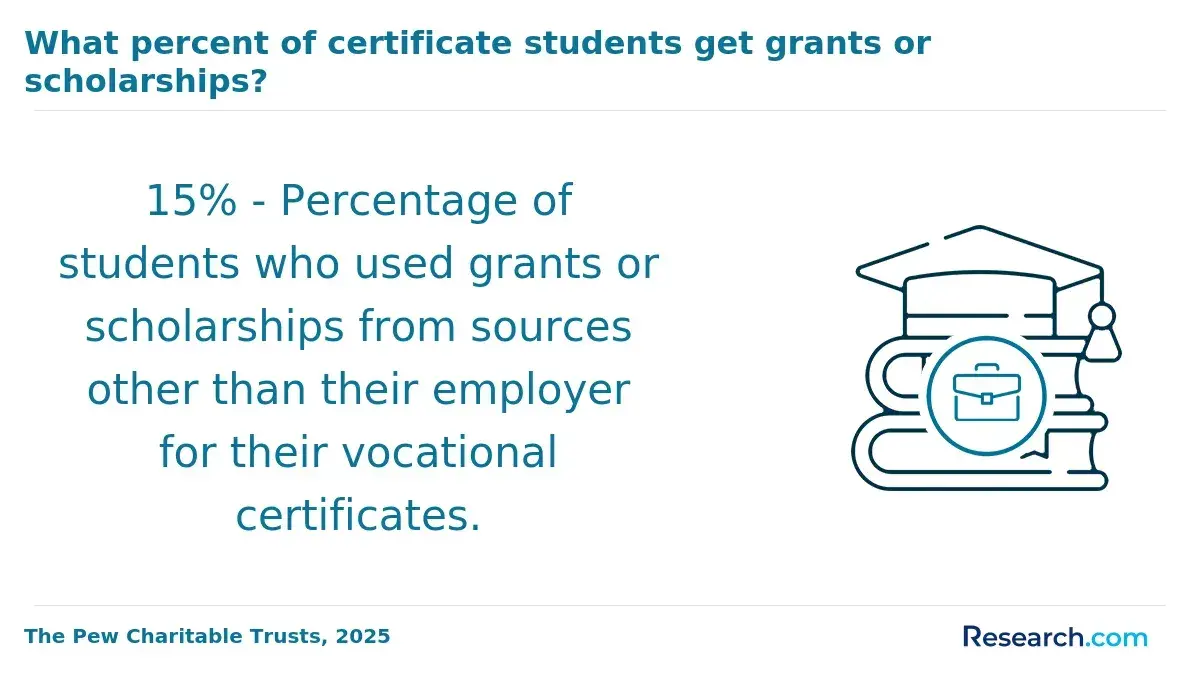
Accreditation applies primarily to institutions and, in some fields, specialized programs; it is not a universal seal on every microcredential. For a credit-bearing college credential, verify that the institution is accredited by an accreditor recognized by the U.S. Department of Education or the Council for Higher Education Accreditation. This matters most if you may seek financial aid, transfer credit, or continue toward a degree.
For noncredit and industry-issued microcredentials, employer recognition and transparent assessment can matter more than institutional accreditation. Healthcare, legal, and trade training may also need program approval, clinical affiliation, or alignment with a licensing board. Do not assume an accredited college's short course alone fulfills state eligibility requirements for a license or certification exam.
What jobs can microcredentials help you qualify for?
Microcredentials can help candidates document a job-relevant capability, qualify for internal tasks, or become more competitive for entry-level support roles. They are strongest when paired with prior experience, a portfolio, a degree, an apprenticeship, or a recognized certification where the occupation requires one.
Potential outcomes depend on the credential and hiring market. The table separates realistic entry points from roles that normally need more preparation.
| Microcredential focus | Possible related work | Important qualification limit |
| Data analytics tools | Reporting, operations, or analyst-support tasks | Advanced analyst roles may require experience and stronger quantitative preparation |
| IT support or cloud basics | Help desk or technical-support pathways | Employers may expect a vendor certification or hands-on troubleshooting experience |
| Medical billing or records | Administrative healthcare support | Employers may prefer coding certification for coding-specific roles |
| Legal technology | Document review or legal-office support | Paralegal roles may require broader legal education or experience |
| Design software | Production design or freelance project work | A portfolio is usually more persuasive than course completion alone |
People rebuilding their education or employment history should also consider programs with transparent admissions and support policies; this guide to degrees felons can get can help when a longer credential is the better next step.
How long do affordable microcredential programs take?
Affordable microcredentials can take from a few hours to several months, depending on whether they are a single course, a multi-course sequence, or an exam-preparation pathway. Self-paced programs can be fast, but only if you have enough weekly time to finish before subscription charges accumulate. Instructor-led college options may follow a term schedule even when the content itself is short.
For a realistic timeline, divide the published instructional hours by the hours you can study each week, then add time for assignments, assessment retakes, and any required lab or practicum. A short timeline is not automatically a better value: for hands-on or regulated work, supervised practice can be the feature that makes the credential credible.
What admission requirements do microcredential programs have?
Admission requirements range from none for open-enrollment online courses to a high school diploma, placement testing, prerequisite coursework, background screening, or proof of work experience for college and advanced professional programs. GPA and standardized tests are uncommon for many standalone microcredentials, but requirements depend on the provider and level.
Check eligibility before paying a nonrefundable fee, especially for healthcare and technical programs. Ask whether prior knowledge is assumed, whether required software or equipment is included, whether international or identity-verification rules apply, and whether a criminal background check or drug screening could affect a required placement. If the credential leads to a certification exam, review that certifying organization's eligibility rules separately.
How do you choose a reputable microcredential provider?
A reputable provider makes the learning outcomes, total price, assessment method, instructor qualifications, refund terms, and credential issuer easy to verify. The best low-cost choice is not necessarily the cheapest course; it is the least expensive option that teaches the exact skill, produces credible evidence, and fits your next career step.
Use these checks to compare providers consistently and avoid common red flags.
- Start with a target job title and collect current job postings to identify the skills, software, license, or certification employers actually request.
- Confirm who issues the credential and whether employers, industry bodies, or an accredited college recognize that issuer.
- Request the complete cost, including subscriptions, examinations, materials, proctoring, travel, and retake fees.
- Review a syllabus and verify that assessment includes meaningful work rather than only videos or attendance.
- Ask whether the credential is credit-bearing, stackable, transferable, or eligible for employer tuition assistance, get policies in writing.
- Compare completion support, instructor access, accessibility services, and refund terms before committing.
Be cautious of providers that promise jobs, salaries, licenses, or "accreditation" without naming the accreditor or regulator. If your long-term plan is advanced academic study, compare the credential's transfer and progression value with affordable PhD programs rather than treating a short badge as a substitute for graduate education.
Other Things You Should Know About
They can be worthwhile when they teach a skill requested in your target job market and provide assessed evidence of competence. They are less useful when the credential issuer is unclear, the curriculum is generic, or the job requires a degree, license, apprenticeship, or separate certification.
Often, no. Many microcredentials are noncredit and do not qualify for federal student aid. Credit-bearing certificates at eligible institutions may have different options, so confirm eligibility directly with the school's financial aid office.
Some do, especially when the issuer is known and the credential demonstrates a relevant tool or skill. Employers generally place more value on verified assessments, projects, portfolios, experience, and recognized certifications than on an unassessed completion badge.
Begin with community colleges, public workforce programs, employer-sponsored training, and reputable providers that publish full costs. Choose one credential tied to a specific job requirement instead of buying multiple unrelated courses, and include exam, software, and renewal costs in your comparison.
References
- Microcredentials: Empowering Modern Learners & Employers https://evolllution.com/microcredentials-empowering-modern-learners-employers
- Microcredentials vs Certificates: What Universities Need to Know https://moderncampus.com/blog/microcredentials-vs-certificates-what-universities-need-to-know
- Financial Aid Now Applicable to Certain Microcredentials https://sunyjefferson.edu/news/financial_aid_micros.php
- Micro-credentials Vs. Certifications: What behaviors and outcomes do they create in your IT functions? - DASA https://www.dasa.org/blog/micro-credentials-vs-certifications-what-behaviors-and-outcomes-do-they-create-in-your-it-functions/
- Micro-Credentials | NEA https://www.nea.org/professional-excellence/professional-learning/micro-credentials
- How Microcredentials Are Revolutionizing the Higher-Education Business Model https://manhattan.institute/article/how-microcredentials-are-revolutionizing-the-higher-education-business-model
- Microcredentials: What They Are and Why They Matter https://www.citizensbank.com/student/articles/what-are-microcredentials.aspx
- What are Microcredentials? https://assess.com/microcredentials/
- Financial Aid Types | Pikes Peal Community College https://www.pikespeak.edu/costs-scholarships-aid/financial-aid/aid-types/index.php
- Types of Financial Aid https://www.hhloans.com/types-of-financial-aid/