2027 Best Certifications With Easy Admission Requirements

Co-Founder and Chief Data Scientist
Choosing a credential with simple entry requirements can shorten the path to a new career, but "easy admission" does not always mean easy employment or licensing. The U.S. Bureau of Labor Statistics projects healthcare support occupations to grow faster than average from 2024 to 2034, making targeted entry-level training especially relevant. This guide helps career changers, recent graduates, and working adults compare certificates, industry certifications, and associate-degree pathways by admissions barriers, cost, format, recognition, and job potential.
Key Things You Should Know
- Easy-admission options commonly require a high school diploma or equivalent, identity documentation, and sometimes a background check; competitive GPA, entrance exams, and prior college credit are often unnecessary.
- Short certificates can lead to entry-level work, but regulated fields such as nursing, medical assisting, and skilled trades may also require approved training, examinations, supervised practice, or state licensure.
- For labor-market context, BLS projects healthcare support occupations to grow 15% from 2024 to 2034; choose a credential tied to a specific local job requirement rather than enrolling based on low admissions barriers alone.
Top 10 Best Certifications With Easy Admission Requirements
Popular Trade School Programs
Trade school certificates emphasize hands-on skills and often admit applicants with a diploma or GED rather than college-level grades. Common options include HVAC technician, welding, electrical helper, plumbing, CDL training, automotive service, and industrial maintenance certificates. Many take several months to one year; associate degrees usually take about two years. Apprenticeships can be a stronger alternative for electrical or plumbing careers because they combine paid work with required supervised hours. Confirm whether training prepares you for an employer exam, an industry certification, or state licensing rather than assuming the school credential alone does.
Healthcare Programs
Healthcare certificates with accessible admissions include nursing assistant, phlebotomy, medical billing and coding, medical assisting, pharmacy technician, and sterile processing. Programs may require immunizations, CPR training, drug screening, a background check, placement testing, or proof of English proficiency even when no minimum GPA is published. A school certificate confirms course completion; credentials such as Certified Nursing Assistant registration or a national technician certification are separate requirements. Clinical programs need approved placements, so fully online study is rarely sufficient for direct patient-care roles. Check state rules before paying an enrollment deposit.
Criminal Justice / Law Programs
Entry-level criminal justice, paralegal studies, legal office, and security certificates often have open or broad-access admission policies. They can introduce criminal procedure, legal research, report writing, records management, and workplace ethics. A certificate may support roles such as security guard, legal assistant, records clerk, or corrections-related support worker, but it does not automatically qualify someone as a police officer, attorney, or licensed private investigator. Police and security positions commonly impose separate age, fitness, background, firearms, or state-registration standards. Applicants with prior convictions should ask about occupational eligibility before enrolling.
Arts & Design Programs
Graphic design, digital media, photography, web design, video editing, and UX-focused certificates typically prioritize enrollment readiness over GPA. Admission may require only a diploma, basic computer access, and software costs; portfolio review is more common in advanced programs than beginner certificates. These programs work best for learners who will build demonstrable projects while studying. A certificate can teach tools and workflow, but employers frequently evaluate portfolios, freelance experience, and communication skills alongside credentials. For learners seeking academic progression, a credit-bearing community-college certificate may transfer more reliably than a noncredit provider certificate.
Which certifications offer the easiest admission while still leading to strong career outcomes?
The strongest low-barrier options are usually those with a clear employer or regulator requirement: CDL training for commercial driving, nursing assistant training for long-term care, phlebotomy for specimen collection, HVAC certificates for entry-level technician work, and IT support certifications for help-desk roles. "Certification" usually means a credential issued by an independent certifying body after an exam or other standards; a school-issued certificate is different.
This comparison separates accessible entry routes from paths that need more screening or supervised training.
| Pathway | Typical entry barrier | Important career condition | Best fit |
| IT support certification | Usually no formal college admission | Employers may expect hands-on troubleshooting skills | People comfortable with technology and self-study |
| Nursing assistant certificate | Diploma or equivalent plus health screening | State-approved training and registry rules may apply | People testing interest in direct care |
| CDL training | Age, driving-record, medical, and testing rules | Commercial driver license is required | Applicants able to meet driving and schedule demands |
| HVAC certificate | Usually broad-access enrollment | EPA refrigerant credential is often needed for relevant work | Hands-on problem solvers |
| Medical billing and coding certificate | Usually diploma or equivalent | Certification can strengthen applications but is not universally required | Detail-oriented administrative learners |
IT support and project-oriented tech credentials can be practical for applicants without formal admissions records, although they require disciplined practice. Readers comparing entry-level options can also review certifications that pay well to weigh training effort against the work involved.
What admission requirements do most high-value certification programs typically expect from applicants?
Most short, career-focused programs use eligibility screening rather than selective college admission. A high school diploma, GED, or equivalent is common; some noncredit industry certification exams have no formal education requirement at all. Programs involving patients, vehicles, tools, children, or secure facilities add requirements because employers and regulators do.
Before applying, verify which of the following applies to your exact program and state.
- Educational eligibility, such as a diploma, GED, minimum age, or basic reading and math assessment
- Identity and legal documentation, including a valid ID, work authorization requirements, or driving-record review for transportation programs
- Safety and placement screening, such as a background check, drug test, physical exam, immunizations, CPR certification, or fingerprinting
- Program readiness requirements, including computer equipment, required software, attendance capacity, clinical availability, or a placement interview
- Credential-specific prerequisites, such as training hours, supervised experience, or completion of an approved course before an external examination
Do not confuse open enrollment with guaranteed placement. A school may admit most qualified applicants but limit clinical seats, externships, or advanced laboratory courses. Ask whether the published requirements apply to initial enrollment or to the portion of training that makes the credential job-relevant.
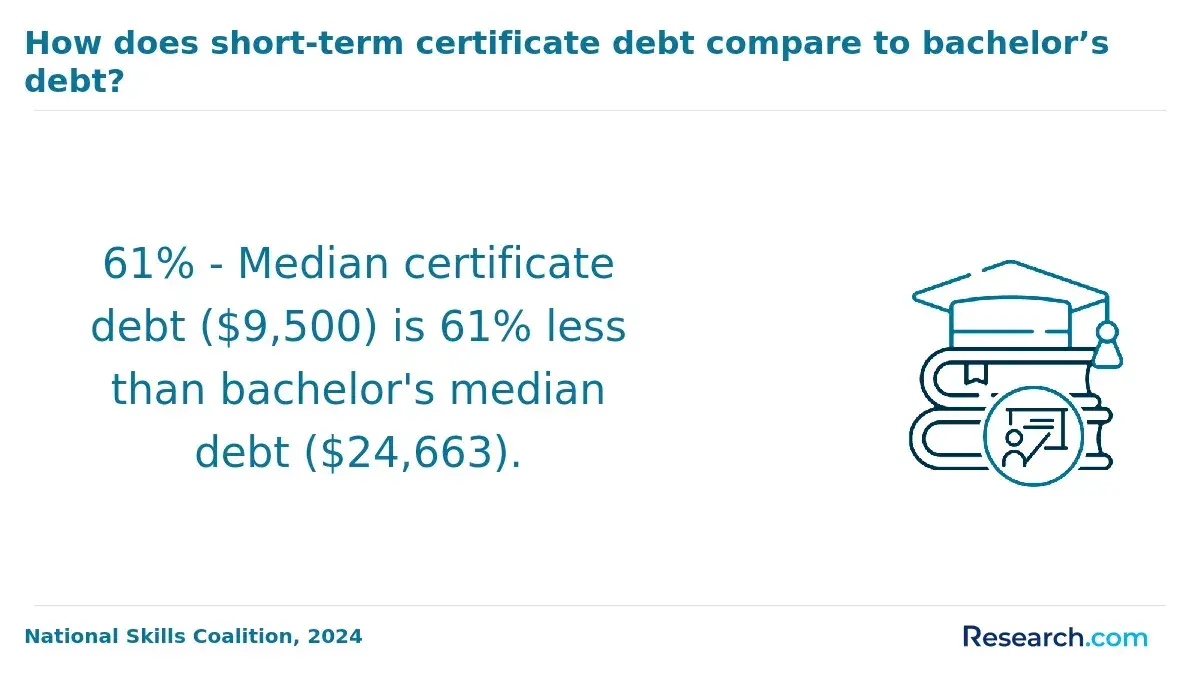
How do online certification programs compare with campus options for flexibility and quality?
Online programs are often best for theory-heavy fields such as IT support, bookkeeping, medical billing, project coordination, and digital design. Campus or hybrid formats are usually more appropriate when learners need labs, equipment, live skill checks, clinical rotations, or employer-facing practice. Quality depends less on delivery mode than on whether the curriculum, instructors, assessment, and required practical experiences match the intended credential or license.
The table below highlights the trade-off readers should evaluate before selecting a format.
| Factor | Online option | Campus or hybrid option |
| Scheduling | Often flexible, especially asynchronous coursework | Usually fixed meeting or lab times |
| Hands-on training | May require local arrangements or separate externships | More direct access to labs, equipment, and instructors |
| Clinical and licensing preparation | Limited for direct-care occupations | Often better suited when approved practical hours are required |
| Networking | Can be strong with live cohorts and career services, but varies | More informal contact with peers and local employers |
| Best use | Knowledge-based credentials and working adults | Skill-intensive, regulated, or equipment-based training |
Self-paced learning can reduce scheduling friction, but it requires consistent time management and may offer less immediate support. Explore online college classes at your own pace if schedule control is your primary need; confirm that self-paced delivery still meets any proctored exam, lab, or practicum requirement.
Which industries offer entry-level certifications with minimal prerequisites and good job prospects?
Healthcare support, transportation, skilled trades, information technology, and business operations offer several accessible credentials. Demand is not identical across every location, so local job postings and state rules matter more than national popularity. BLS projects wind turbine service technicians and solar photovoltaic installers among the fastest-growing occupations for 2024-2034, but these roles may require physical capability, safety training, and employer-specific preparation beyond a short credential.
For a lower-risk decision, match the industry to the type of work you can realistically perform.
- Choose healthcare support if you can meet screening requirements and are comfortable with patient contact, bodily fluids, or shift work.
- Choose transportation if you have an acceptable driving record and can meet medical and licensing standards.
- Choose trades if you prefer practical troubleshooting and are prepared for apprenticeships, job-site conditions, and continued licensing requirements.
- Choose IT if you enjoy systematic problem-solving and can create evidence of skills through labs, projects, or entry-level support experience.
- Choose business administration or bookkeeping if you prefer office workflows, accuracy, and software-based work rather than regulated hands-on practice.
AI and automation are changing routine administrative and technology tasks, which makes foundational digital literacy, communication, and problem-solving more valuable. A short credential is strongest when it launches ongoing learning rather than claiming to complete an entire career pathway.
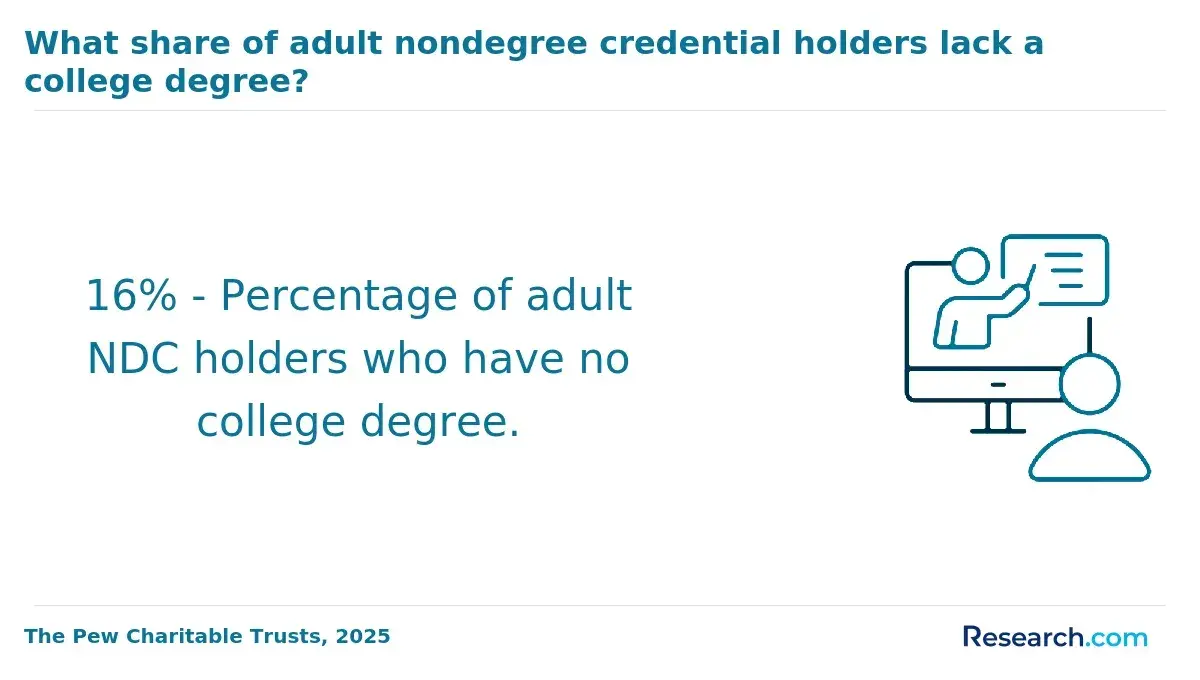
How long do these certification programs take, and what total costs should students expect?
Completion time ranges from a few weeks for exam preparation to about one year for many academic or career certificates. Associate degrees generally require about two years of full-time study. Cost comparisons should include more than tuition: application fees, exam fees, background checks, uniforms, tools, software, transportation, clinical supplies, and license fees can materially change the total.
This timeline helps distinguish credential types that are often grouped together under "certification."
| Credential type | Typical timeline | Cost pattern | Transfer or stackability |
| Industry certification exam | Weeks to months of preparation | Study materials and examination fees | Usually noncredit; recognized by employers when relevant |
| Noncredit career-training certificate | Weeks to months | Program fee plus supplies and external exams | Usually does not transfer as college credit |
| Credit-bearing college certificate | Several months to about one year | Per-credit tuition, fees, books, and required equipment | May stack into an associate degree, subject to school policy |
| Associate degree | About two years full time | Tuition and broader college expenses | May transfer, but receiving institutions decide equivalencies |
Request a written total-cost estimate and compare it with likely local entry-level openings before borrowing. Students who eventually need broader advancement options may find that online degrees offer a more suitable next step than repeatedly buying unrelated short courses.
What accreditation and licensing standards should students use to evaluate certification programs?
Use the standard that governs the outcome you want. Institutional accreditation matters most for credit-bearing college programs, transfer possibilities, and many financial-aid processes. Programmatic approval matters in regulated fields, while an industry credential's value depends on whether employers recognize the certifying organization. A private training provider can be useful without being a college, but it should clearly explain what its completion document represents.
Use these checks before enrollment, especially for healthcare, legal, transportation, and technical training.
- Identify the exact job, license, registry, or external certification examination you want to pursue.
- Check the relevant state board, licensing agency, registry, or exam sponsor to confirm approved education and eligibility requirements.
- Ask the provider whether its program is credit-bearing, whether credits can transfer, and whether it is institutionally accredited when those issues matter.
- Confirm that online students receive every required lab, clinical, practicum, or proctored assessment component.
- Get written details on completion rates, refund rules, total charges, career services, and any claim about exam eligibility.
A major red flag is a school that promises licensure, employment, or a national credential without naming the governing agency or examination. Another is vague language such as "accredited" without identifying the accreditor and the scope of recognition.
What jobs and career pathways are available after completing easy-admission certifications?
Easy-admission credentials usually support entry-level roles rather than immediate advancement into every occupation in the field. The best pathway is one where the first credential creates a credible next step: employment experience, an apprenticeship, a state registry listing, a qualifying exam, or stackable college credit.
The following examples show how initial training can connect to longer-term choices without overstating what one certificate qualifies a person to do.
| Starting credential | Possible entry-level role | Potential next step |
| Nursing assistant training | Nursing assistant or patient-care aide where eligible | Practical nursing, registered nursing, or allied-health study |
| HVAC certificate | Installer helper, maintenance helper, or junior technician | Apprenticeship, manufacturer training, or advanced service work |
| IT support certification | Help-desk technician or desktop-support trainee | Networking, cloud, cybersecurity, or systems administration skills |
| Paralegal or legal-office certificate | Legal assistant, intake specialist, or records clerk | Associate or bachelor's study, depending on employer expectations |
| Digital design certificate | Production assistant, junior content creator, or freelance support work | Portfolio development and specialized design or UX training |
Career changers who already hold a bachelor's degree and need a more advanced, focused credential should compare certificate options with an online master degree. Graduate study has higher admissions and cost expectations, but it may make more sense for roles that require advanced academic preparation.
What salary ranges and earning growth can graduates of these certifications realistically expect?
Salary depends on occupation, location, shift differentials, employer, experience, union coverage, licensure, and education level - not simply on holding a certificate. BLS reported a May 2024 median annual wage of $59,770 for HVAC mechanics and installers, while nursing assistants had a median annual wage of $39,530. These occupation-level figures are useful benchmarks, but a short certificate alone may not qualify a person for every job included in an occupation group.
Use wage information as a screening tool, not a promise. Compare local entry-level postings with the program's full cost, required work hours, physical demands, and the additional credentials employers request. Earnings often grow when workers gain supervised experience, move into specialized tasks, obtain required licenses, or complete a stackable degree; growth is never automatic.
How can students choose reputable, low-barrier certification programs that align with their goals?
Start with the job, not the provider. Search local postings for the exact job title you want, identify repeated requirements, and then choose the shortest credible program that satisfies those requirements. This approach prevents a common mistake: paying for a broad certificate when employers actually want a license, a named certification exam, a portfolio, or experience.
Use this decision sequence to compare low-barrier programs responsibly.
- Write down one target role, your preferred work setting, schedule limits, and any physical or background-related constraints.
- Review local postings and identify the recurring education, license, software, certification, and experience requirements.
- Verify program approval or exam eligibility with the regulator, registry, employer, or certifying organization when applicable.
- Compare total out-of-pocket cost, not tuition alone, and ask whether employer sponsorship, workforce funding, or payment plans are available.
- Choose online study only if all practical, clinical, and proctored requirements can be completed where you live.
- Request written policies on refunds, attendance, job-placement claims, transfer credit, and access to career support before enrolling.
A reputable program explains its limits plainly: whether it awards academic credit, whether it prepares students for an external exam, and what learners must still do after completion. Avoid providers that pressure you to enroll immediately, refuse to disclose total charges, or imply that a completion certificate is the same as a government license or industry certification.
Other Things You Should Know About
They can be worthwhile when the credential matches a real entry requirement for a local role and the total cost is manageable. They are less useful when the provider cannot show how its training connects to an employer-recognized certification, license, portfolio, or job skill.
Many noncredit training programs and industry certification exams do not require a college GPA. Credit-bearing college certificates may request transcripts, placement information, or minimum academic standing, especially for limited clinical programs.
Eligibility varies by program and provider. Some credit-bearing certificates at eligible institutions may qualify for certain aid, while noncredit courses, exam-preparation programs, and third-party bootcamps often do not. Ask the school's financial-aid office before enrolling.
Employers generally care more about whether the training developed relevant skills and meets required standards than whether theory courses were online. For licensed or hands-on work, verify that the online program includes approved labs, clinicals, supervised practice, or testing where required.
References
- 9 Best Online Certificate Programs that Lead to Higher Pay https://blackstone.edu/9-best-online-programs-for-higher-pay/
- Best IT Certifications for Beginners in 2025 - Merit America https://meritamerica.org/blog/best-it-certifications/
- The Benefits of Certificate Programs in Higher Education https://moderncampus.com/blog/benefits-of-certificate-programs.html
- Five Overlooked Benefits of Having an IT Certification - Great Jobs KC https://greatjobskc.org/five-overlooked-benefits-of-having-an-it-certification/
- 7 in-demand certifications in 2025 | edX https://www.edx.org/resources/in-demand-professional-certifications
- Best Entry-Level IT Certifications for Beginners - ONLC https://www.onlc.com/blog/best-beginners-entry-level-it-certifications/
- The Top 5 Certificate Programs for Jobs With Growth Potential | CourseStorm https://www.coursestorm.com/blog/top-certificate-programs-for-jobs
- Certification vs. Degree: Which is Right for You? - TechBuffalo https://www.techbuffalo.org/certification-vs-degree-which-is-right-for-you/
- CourseCareers https://coursecareers.com/blog-posts/best-certifications-start-a-career
- What Employers Say a Certification Adds to Resumes https://www.nrep.org/blog/what-employers-say-about-certifications