2027 Best Certifications for Parents

Co-Founder and Chief Data Scientist
Parents choosing career training need a path that fits school pickups, household budgets, and realistic hiring requirements. The best option is not always the shortest credential: a certificate is education from a school, while a certification is a professional credential earned from a certifying body. U.S. Bureau of Labor Statistics projections show healthcare support occupations are expected to grow faster than average from 2024 to 2034. This guide compares flexible programs, explains where licensure matters, and helps parents choose training with a credible route to work.
Key Things You Should Know
- For the fastest entry into work, consider a career certificate tied to a specific role, such as medical assisting, bookkeeping, HVAC, or IT support; verify whether the role also requires a state license or third-party certification exam.
- Flexibility matters as much as speed: asynchronous online coursework can suit parents, but clinical healthcare training, lab work, apprenticeships, and licensing exams may still require fixed in-person hours.
- Use occupational data as context, not a promise: BLS reported a May 2024 median annual wage of $43,680 for medical assistants and projected 15% employment growth for the occupation from 2024 to 2034.
Top 10 Best Certifications for Parents
Popular Trade School Programs
Trade certificates and associate degrees can fit parents who prefer hands-on work and clear job pathways. HVAC, welding, electrical, plumbing, automotive technology, and industrial maintenance programs commonly combine classroom learning with labs; apprenticeships may be a better paid-training alternative. A short certificate can build entry-level skills, while an associate degree may add general education credits and broader advancement options. Check evening lab availability, required tools, safety equipment costs, and whether the program prepares students for a state or industry exam. Online-only trade training is rarely sufficient for practical competencies.
Healthcare Programs
Healthcare is often attractive to parents because entry routes range from short certificates to associate degrees, but rules vary substantially by role and state. Medical assisting, phlebotomy, pharmacy technician, practical nursing, dental assisting, and medical billing programs differ in clinical-hour and exam requirements. A school certificate is not automatically professional certification or licensure. Confirm that clinical placements work with your schedule and that the program meets your state board's eligibility rules before paying a deposit. For registered nursing, an approved degree program and licensure examination are generally required; a short certificate is not a substitute.
Criminal Justice / Law Programs
Legal studies, paralegal, criminal justice, public safety, and court-reporting programs can support work in law offices, government agencies, compliance teams, and public-service settings. A certificate may be useful for legal administrative or entry-level compliance work, while an associate degree can provide a wider academic foundation. Paralegal requirements are employer-dependent, and a certificate does not authorize someone to practice law or provide legal advice. Parents should compare internship access, local employer relationships, background-check requirements, and course schedules. For roles involving peace-officer authority, separate academy training and state standards commonly apply.
Arts & Design Programs
Graphic design, web design, digital marketing, photography, UX design, and video-production certificates can offer portfolio-based routes for parents seeking freelance, hybrid, or remote-friendly work. The credential matters less than demonstrable work samples, software skills, client communication, and experience. Choose a program with project feedback, current tools, accessible instructors, and a portfolio you can show employers. A certificate can be a sensible low-commitment starting point; an associate degree may help learners who need more design theory, structured practice, and transferable college credit. Avoid programs that promise freelance income without teaching client acquisition.
What types of certifications are most valuable and flexible for busy parents?
The most valuable option is the one that matches a parent's target job, available weekly hours, and local licensing rules. A short noncredit course can quickly teach software or job-search skills, but it may not carry academic credit. A credit-bearing college certificate can sometimes stack into an associate degree. A professional certification, by contrast, is awarded by an industry organization and may require an examination, renewal, or documented experience.
For parents balancing unpredictable schedules, these formats usually offer the clearest trade-offs:
| Option | Best fit | Flexibility | Key limitation |
| College career certificate | Entry-level technical or healthcare preparation | Often part-time; some online coursework | Clinical and lab courses may be fixed |
| Industry certification | Workers who need employer-recognized proof of skills | Exam preparation may be self-paced | May require prior knowledge or renewal |
| Noncredit professional certificate | Career changers building targeted skills | Frequently asynchronous online | Usually does not transfer for college credit |
| Stackable credit certificate | Parents planning toward a degree | Can start with fewer courses | Longer total path if a degree is the goal |
Competency-based study can be useful for experienced learners who can move faster through familiar material, but it demands consistent independent study. Review this list of competency-based colleges if that model fits your learning style.
Choose a short, skills-focused credential when you need a defined entry role quickly. Choose a stackable certificate or associate degree when employers in your field routinely prefer college credit, when you may pursue advancement later, or when you need a stronger academic foundation.
How can parents choose accredited, reputable certification programs in the United States?
For credit-bearing programs, begin by checking institutional accreditation and, where applicable, programmatic approval. Institutional accreditation affects transferability and may affect eligibility for federal student aid. For career training that leads to licensure, approval by the relevant state board matters more than a school's marketing language. Noncredit providers may not be accredited because they do not award academic credentials; evaluate them through employer recognition, transparent curriculum, instructor qualifications, and verified outcomes instead.
Before enrolling, use this sequence to separate credible programs from weak ones:
- Write down the exact job title you want and identify whether it requires a license, certification examination, clinical hours, or background check.
- Confirm directly with the state licensing board or certifying organization that the program meets eligibility requirements where required.
- Ask the school for total charges, required equipment, exam fees, clinical or externship arrangements, withdrawal policies, and the next available course schedule.
- Ask whether credits transfer or stack into a degree, and get the answer in writing if that affects your decision.
- Compare completion, placement, and licensure-exam information carefully, including how the school defines "placement."
Red flags include pressure to enroll immediately, vague claims that a program is "accredited" without naming the accreditor, no explanation of clinical placement, and salary promises. A program can be legitimate yet still be a poor fit if its required daytime attendance conflicts with caregiving. Parents considering a degree after a certificate can also compare one year masters programs online for later-stage career advancement.
Are online certification programs for parents as respected as campus-based options?
Online programs can be respected when the provider is credible, the curriculum matches workplace standards, and the credential is appropriate for the occupation. Employers generally care more about whether you can perform the work and whether you hold any required license or industry certification than whether lecture material was online. However, online delivery does not remove practical requirements. Nursing, dental, allied-health, skilled-trade, and laboratory programs often require supervised in-person training.
Use this comparison to decide whether online delivery is realistic for your situation:
| Question | Online may work well when | Campus or hybrid is safer when |
| Learning format | You can manage deadlines and learn from recorded lessons | You need live coaching and structured study time |
| Skill type | Work is software, administrative, analytical, or communications based | Work requires equipment, patient care, labs, or supervised practice |
| Career requirement | No state-mandated practical hours apply | Licensure or employer standards specify clinical, lab, or field hours |
| Family schedule | Coursework is asynchronous and exams are remotely proctored | Home distractions make dedicated study time difficult |
Ask whether classes are truly asynchronous, whether proctored exams have set times, and how instructors respond to questions. "Online" can still mean mandatory live sessions, internships, or weekend intensives.
What admission requirements do certificate programs for parents typically have?
Requirements depend on the credential provider and career field. Many entry-level college certificates require a high school diploma or equivalent and an application; some use placement assessments rather than standardized tests. Selective healthcare programs may require prerequisite courses, immunizations, drug screening, CPR training, criminal background checks, and health documentation before clinical placement. Industry certification exams may require work experience, training, or both.
Parents should confirm these requirements before committing to a start date:
- Minimum education, prerequisite courses, placement testing, and any minimum grade requirements.
- Required technology, internet access, software, tools, uniforms, textbooks, and transportation.
- Clinical, internship, lab, or practicum hours and whether scheduling is controlled by the school or host site.
- Background checks, fingerprints, immunizations, physical exams, or drug tests that may affect field eligibility.
- Certification-exam eligibility, retake rules, and whether exam fees are included in tuition.
A low admission barrier does not mean a program has no demands. Parents should budget time for homework, commute time, exam preparation, and unexpected childcare needs, especially in compressed programs.
How long do parent-focused certification programs take, and what do they cost?
Completion time ranges from a few weeks for narrowly focused noncredit training to roughly one year for many college certificates; associate degrees commonly take about two years of full-time study. Part-time enrollment can make a program manageable but extends the calendar. Accelerated formats reduce calendar time, not total workload, so they are best for parents with dependable childcare and ample study capacity. Explore a fast track program only after confirming its weekly workload and required attendance.
Total cost includes more than tuition. The table highlights expenses that most often change the real budget:
| Cost category | Why it matters | Question to ask |
| Tuition and mandatory fees | May differ for in-district, online, and out-of-district learners | What is the full published program price? |
| Books, software, and equipment | Can be substantial in trades, technology, and design | Which items are required versus optional? |
| Testing and licensing | May be paid separately from tuition | Are exam, application, and renewal fees included? |
| Clinical or practicum costs | May include uniforms, health screening, parking, and travel | Where are placements located and when are shifts scheduled? |
| Childcare and lost work time | Often determines whether an accelerated schedule is affordable | How many fixed hours are required each week? |
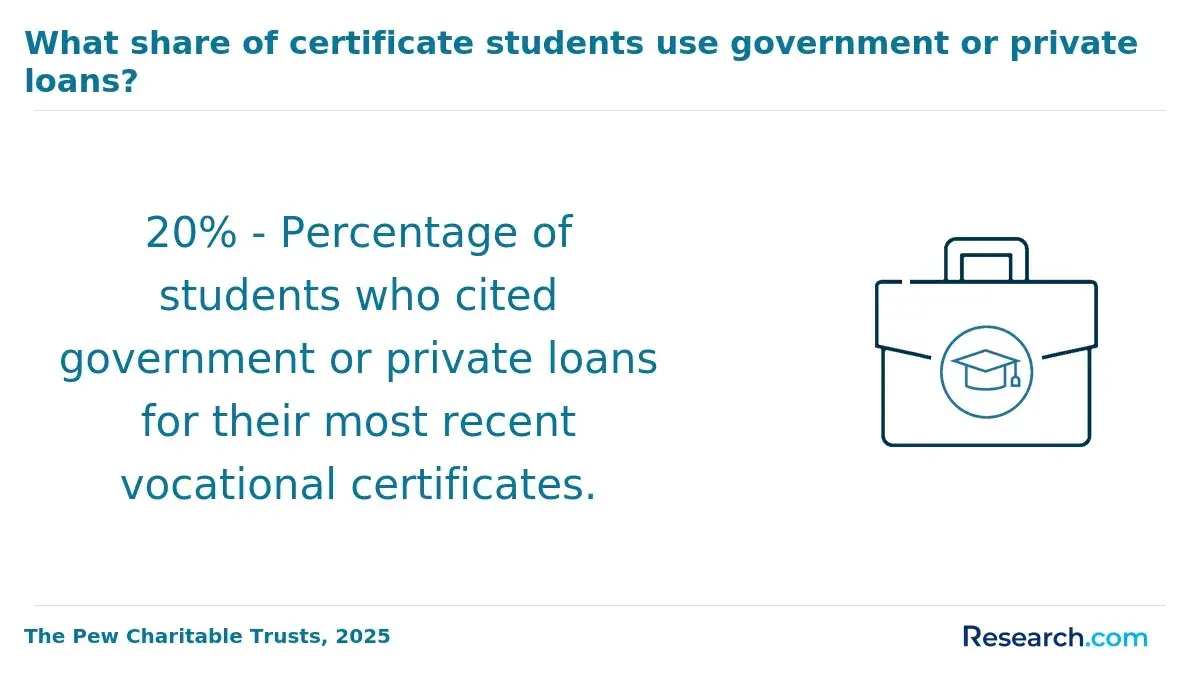
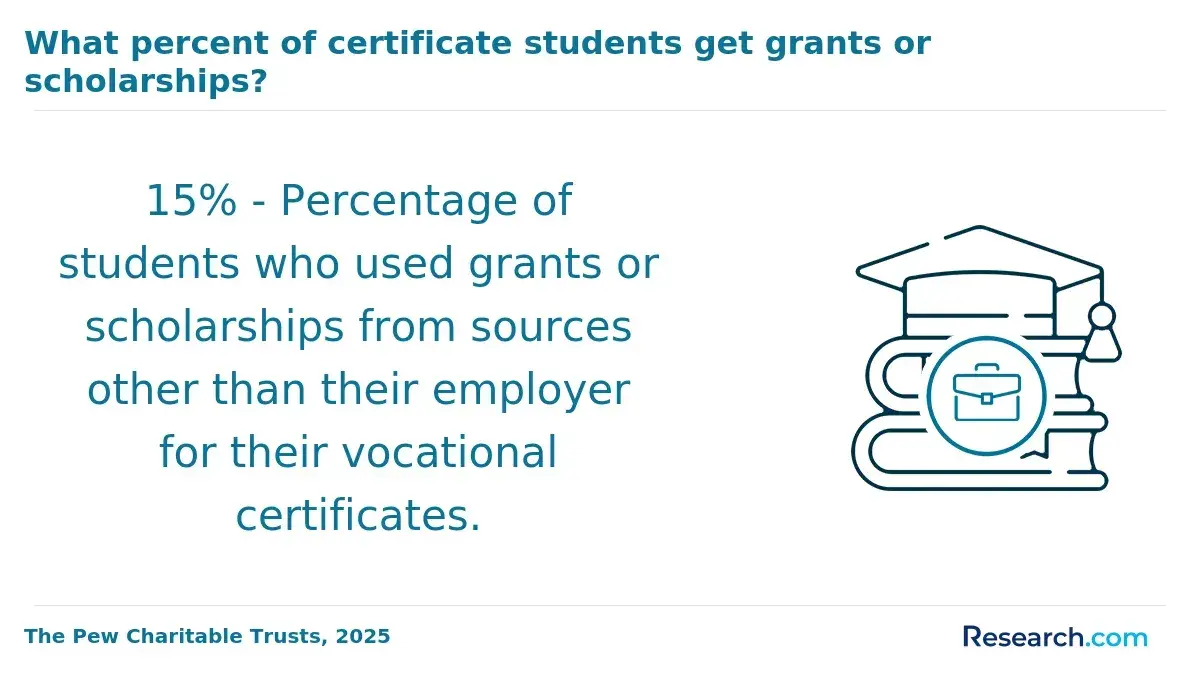
Credit-bearing certificates at eligible institutions may qualify for federal aid depending on program length and other rules; noncredit programs often do not. Ask about employer tuition assistance, workforce grants, payment plans, and whether withdrawing creates a balance due. Compare net cost after aid rather than advertised tuition alone.
What skills and coursework do the best certifications for parents usually include?
The best certifications for parents usually build a combination of job-specific competence and employability skills. Employers increasingly expect workers to use digital tools, communicate clearly, protect private information, and adapt to changing workflows. AI can accelerate documentation, scheduling, customer service, design drafts, and basic analysis, but it also makes judgment, verification, and interpersonal skills more important.
Look for coursework that teaches skills you can demonstrate in an interview or portfolio:
- Role-specific procedures, equipment, terminology, safety practices, and applicable regulations.
- Digital literacy, including spreadsheets, cloud collaboration, industry software, and responsible use of AI-assisted tools.
- Written communication, customer or patient interaction, documentation, and professional boundaries.
- Problem solving, time management, and prioritization for shift-based or deadline-driven work.
- Career preparation through supervised practice, a portfolio, mock interviews, or employer-facing projects.
A curriculum should identify assessment methods, not merely list topics. For example, design learners should leave with reviewed projects, while healthcare learners need documented competence in required clinical tasks. Avoid programs centered entirely on passive videos if the target role demands practical performance.
What careers and job roles can parents pursue with these certifications?
A certificate can open an entry point, but job eligibility depends on the employer, local regulations, previous experience, and the specific credential. Parents may target roles with predictable daytime schedules, evening shifts, hybrid work, or freelance potential; each comes with different trade-offs in stability, benefits, and supervision.
This comparison connects common training choices with realistic early-career directions:
| Training focus | Possible roles | Important qualification note |
| Medical assisting or billing | Medical assistant, patient service representative, billing specialist | Clinical roles may require specific training or employer-preferred certification |
| IT support or data tools | Help desk specialist, technical support representative, junior analyst | Portfolio, vendor certification, and troubleshooting ability can matter greatly |
| Skilled trades | Apprentice, installer, technician helper, maintenance worker | Licensure and apprenticeship requirements vary by state and trade |
| Legal or compliance studies | Legal assistant, records specialist, compliance support worker | A certificate does not qualify someone to practice law |
| Digital design or marketing | Production designer, content coordinator, freelance creative support | Employers commonly evaluate portfolio quality and experience |
If your long-term objective requires a bachelor's degree, choose a credit-bearing path with clear transfer policies rather than repeatedly buying unrelated short courses. Parents exploring broader, creative career options can review fun majors in college that pay well before deciding whether a certificate or degree is the better investment.
What salary ranges and earning potential can certified parents realistically expect?
Earnings vary by occupation, location, hours worked, experience, employer, and licensure; a credential alone does not set pay. The most useful approach is to compare the cost and duration of training with wage information for the actual occupation you intend to enter. According to BLS May 2024 wage data, the median annual wage was $43,680 for medical assistants, $49,210 for paralegals and legal assistants, and $61,550 for computer user support specialists.
Those figures describe workers in each occupation, including people with varied education and experience, not guaranteed outcomes for certificate completers. Use them to assess whether a program's total cost and schedule sacrifice are proportionate to local opportunity. Request local entry-level wage ranges from employers or workforce agencies, and ask schools how many graduates worked in the field rather than accepting a broad salary claim.
Higher-paying roles may require more than a short credential: an associate or bachelor's degree, apprenticeship hours, a license, a portfolio, or prior experience. For many parents, a lower-cost certificate that creates a stable first step can be more practical than an expensive program that assumes immediate advancement.
What is the job outlook and demand for careers suited to certified parents?
Demand is strongest where a credential aligns with an essential service, a regulated skill, or a persistent employer need. BLS projects employment of medical assistants to grow 15% from 2024 to 2034, much faster than the average for all occupations. That outlook supports interest in medical-assisting training, but it does not eliminate competition for the most family-friendly shifts or guarantee openings in every community.
Parents should evaluate demand locally, because schedules and hiring needs differ more than national projections suggest. Call several employers and ask which credentials they recognize, whether they hire trainees, what shifts are hardest to fill, and whether they reimburse education. In technology and creative fields, AI-related workflow changes make current software skills and a visible work sample increasingly important. In trades and healthcare, practical competence, reliability, and required licensing remain central.
A sensible next step is to select two target occupations, compare their required training and typical schedules, then contact local employers before enrollment. This reduces the common mistake of choosing a credential based solely on broad job-growth claims.
Other Things You Should Know About
The quickest legitimate option depends on the target role. Short industry certificates in software, bookkeeping, customer service, or IT can take weeks or months, while healthcare and trade roles often require longer supervised training. Choose based on employer requirements, not duration alone.
Some credit-bearing certificate programs at eligible institutions may qualify for federal aid, subject to program and student eligibility rules. Noncredit courses frequently do not. Ask the provider about total price, payment plans, workforce funding, employer assistance, and refund rules.
A certificate is usually better when you need focused, lower-cost preparation for an entry-level role. An associate degree may be better when the field requires it, when credits can support future advancement, or when you want a broader academic foundation.
Review job postings from local employers, ask hiring managers or recruiters directly, and verify the credential with the relevant licensing board or professional organization. A school's statement that employers "recognize" a program is not enough without specific evidence.
References
- How Do I Get Paid to be a Family Caregiver? | ARCH National Respite Network & Resource Center https://archrespite.org/caregiver-resources/how-do-i-get-paid-to-be-a-family-caregiver/
- Choosing a Parent Training Program - Child Mind Institute https://childmind.org/article/choosing-a-parent-training-program/
- Parent Coach Certification® Program Overview https://www.thepci.org/training-program/program-overview.html
- The Cradle Coach Academy https://thecradlecoachacademy.com/parent-coach-certification
- Exploring Statistics on Parenting Classes: The Center for Divorce Education's Evidence-Based Solutions https://divorce-education.com/statistics-on-parenting-classes/
- Getting Financial Assistance for Career Training https://ccitraining.edu/blog/getting-financial-assistance-for-career-training/
- Parenting Coach Certifications: What Parents Need to Know https://theparentingpassport.com/certifications
- 5 Trusted Parenting Coach Certification Programs in 2026 https://luisazhou.com/blog/parenting-coach-certifications/
- Online - Degrees and Certificates: Parent Education and Family Support Studies Certificate | Edmonds College https://www.edmonds.edu/programs-and-degrees/online-degrees-and-certificates/degrees-and-certificates/fss-pared-cert-ysapfc20.html
- How to Choose the Best Parenting Coach Certification in 2025 | Jai Institute for Parenting https://www.jaiinstituteforparenting.com/how-to-choose-the-best-parenting-coach-certification-in-2025