2027 Best Career Training Programs With Flat-Rate Tuition

Co-Founder and Chief Data Scientist
Choosing career training is difficult when advertised tuition excludes tools, exams, clinical fees, or extra terms. Flat-rate tuition can make costs easier to predict, but it does not automatically make a program affordable or job-ready. U.S. Bureau of Labor Statistics projections released in 2024 show healthcare support occupations are projected to grow faster than average from 2023 to 2033. This guide helps adult learners compare flat-price programs, understand credential and licensing limits, estimate total costs, and choose training that fits a specific job target.
Key Things You Should Know
- Flat-rate tuition means one published price for a defined program or term; confirm whether books, kits, exams, clinical placements, and retake fees are included before comparing schools.
- For regulated work such as nursing, electrical trades, cosmetology, and legal services, state approval, supervised hours, and exam eligibility matter more than a low advertised price.
- Occupational outlook varies sharply: use current BLS pay and 2023-2033 projections as labor-market context, not as a promise that a certificate graduate will earn a particular salary.
Top 10 Best Career Training Programs With Flat-Rate Tuition
Popular Trade School Programs
Flat-price trade certificates commonly cover HVAC, welding, electrical technician foundations, plumbing, industrial maintenance, CDL preparation, and automotive service. A short certificate can teach entry-level skills, while an associate degree adds general education and may be more transferable. Apprenticeships are often a stronger fit for licensed construction trades because paid supervised work can count toward required hours. Ask whether tuition includes safety equipment, consumable materials, certification testing, and employer connections. Do not assume an online trade certificate alone meets hands-on or state licensing requirements.
Healthcare Programs
Common flat-rate healthcare options include medical billing and coding, pharmacy technician, medical assistant, dental assisting, phlebotomy, practical nursing, and health information certificates. These are educational certificates, not professional certifications. For example, a billing certificate may prepare a student to pursue an optional industry certification exam, while a practical nursing program may prepare eligible graduates for licensure testing. Clinical training, background checks, immunizations, drug screening, uniforms, and certification exams can materially increase the total price. Confirm that a program satisfies the requirements of the relevant state board or employer.
Criminal Justice / Law Programs
Career-focused legal programs include paralegal studies certificates, legal assistant certificates, criminal justice associate degrees, court reporting training, and corrections or public-safety coursework. Paralegals generally work under attorney supervision and are not licensed to practice law. A flat-rate paralegal certificate may suit someone who already holds a degree and needs targeted legal skills; an associate degree can be better for learners needing broader entry-level preparation. Check local employer expectations, internship opportunities, software training, and whether the program is approved by a recognized legal education body when that matters to your target role.
Arts & Design Programs
Flat-rate arts and design training may include graphic design, UX/UI design, digital marketing design, photography, animation, interior design, web design, and game art certificates. Portfolio quality usually matters more than the credential title for many creative roles. Programs should provide structured critiques, current software exposure, accessibility and copyright basics, and portfolio projects that resemble employer work. Budget for hardware, subscriptions, printing, portfolio hosting, and certification exams where applicable. Learners seeking quiet, independent creative work can also explore jobs for introverts while evaluating role fit.
What is flat-rate tuition for career training programs and how does it work?
Flat-rate tuition is a pricing model in which a school charges one stated amount for a defined training program, cohort, or enrollment period instead of billing separately for every credit or course. It is most useful when the curriculum, expected duration, and included services are clearly fixed.
A flat price can apply to a noncredit career course, a credit-bearing certificate, a bootcamp, or an associate degree pathway. These are not interchangeable credentials. A school certificate documents completed education; a professional certification is usually awarded by an independent organization after candidates meet eligibility rules and, often, pass an exam.
Before treating a price as final, request an itemized enrollment agreement. The following costs are commonly outside the headline tuition:
- Application, registration, technology, and graduation fees
- Books, software, tools, uniforms, lab supplies, and protective equipment
- Licensing, certification, background-check, fingerprinting, and examination charges
- Clinical placement, externship, travel, parking, and liability-insurance costs
- Extra tuition if a learner exceeds the included completion window or must repeat a course
The central trade-off is simple: flat-rate tuition reduces price uncertainty, but a low price has limited value if the program omits essential hands-on training, does not meet licensure rules, or has weak employer relevance.
How do career training programs with flat-rate tuition compare in total cost and value?
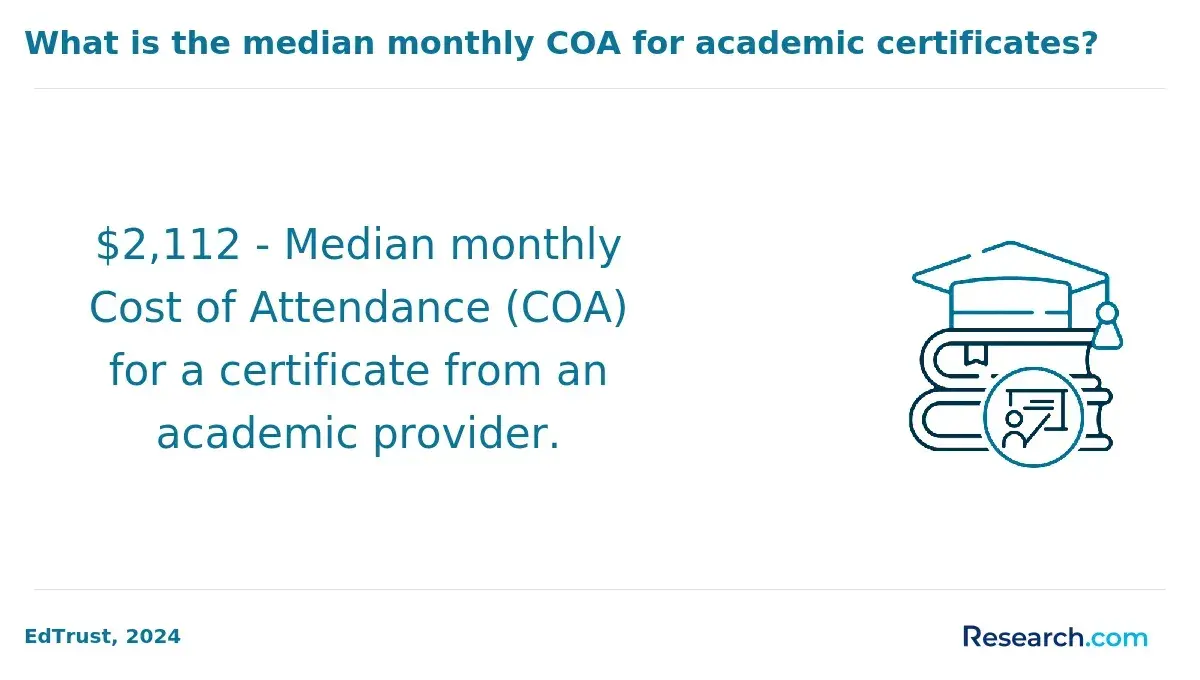
To compare total value, calculate the complete out-of-pocket amount and then test whether the credential is sufficient for the first job you want. A $6,000 program that requires another $2,000 in tools, testing, and travel may cost more than an $8,000 all-inclusive program. Conversely, a longer credit-bearing program may cost more but offer transferable college credit and broader advancement options.
This comparison separates pricing convenience from actual career value.
| Comparison factor | Flat-rate program | Per-credit or course-priced program |
| Budget predictability | Higher when the completion window and inclusions are defined | Can change with course load, repeats, and fee schedules |
| Best fit | Learners seeking a focused, fixed curriculum | Learners needing flexible pacing or selectable courses |
| Completion risk | May require additional payment after the included period | Usually charges for each additional course or credit |
| Transfer potential | Varies; noncredit training may not transfer | More likely in accredited credit-bearing programs |
For learners who need federal aid, compare the school's eligibility and net price rather than assuming any flat-price program accepts FAFSA. This overview of cheapest online colleges that accept FAFSA can help identify lower-cost degree options that may be worth comparing against private career schools.
Which accredited schools offer reputable flat-rate career training programs in the U.S.?
Reputable options can be found at public community colleges, technical colleges, union or employer apprenticeship sponsors, and some private career schools. The right oversight depends on the program type. Institutional accreditation is especially relevant for credit-bearing college programs and federal aid eligibility; programmatic approval or state authorization can be more important for regulated career training.
Use this screening framework before relying on a school's flat-rate claim.
| Program goal | What to verify | Why it matters |
| College certificate or associate degree | Institutional accreditation, credit status, transfer policy, and state authorization | Supports credit recognition and may affect aid eligibility |
| Healthcare licensure pathway | State board approval, clinical requirements, and exam eligibility | Graduation alone may not permit licensure |
| Skilled trade pathway | Apprenticeship registration, required supervised hours, and local licensing rules | Hands-on hours may be mandatory for progression |
| Industry certification preparation | Exam alignment, prerequisites, proctoring, and employer recognition | Training completion and certification are separate outcomes |
Ask the school for its accreditor or regulator name, approval status, completion requirements, written refund policy, and the exact credential awarded. Be cautious when a provider claims "accredited" without identifying by whom, guarantees employment, or will not provide a full cost disclosure in writing.
What admission requirements do flat-rate career training programs typically have for adult learners?
Adult learners often encounter simpler entry requirements in nondegree training than in associate degree programs, but requirements still vary by occupation and provider. Many short career programs require a high school diploma, GED, or equivalent; some use placement assessments instead of GPA or standardized tests. Competitive healthcare and selective public-college programs may have prerequisite courses, minimum grades, entrance exams, or limited seats.
Applicants to programs with clinical, field, or security-sensitive placements may also need:
- Identity verification and proof of eligibility to participate in required placements
- Criminal background checks, drug screening, immunizations, or health clearances when required by a placement site
- CPR training, physical-capacity documentation, or vaccination records for certain healthcare pathways
- Prerequisite math, science, writing, or computer skills
- A laptop, reliable internet access, or required software for online learning
Do not self-reject because of an older GPA without checking the actual policy. Instead, ask whether adult students can use prior learning, placement testing, prerequisite completion, or documented work experience. Also ask whether prior coursework transfers; noncredit programs often do not award transfer credit.
How do online flat-rate career training programs differ from campus-based options?
Online flat-rate programs can be practical for learners balancing work, caregiving, or distance, but they are not automatically faster or cheaper. They commonly deliver lectures, simulations, discussion, assessments, and career support online. Campus-based options more easily provide labs, equipment, studios, clinical coordination, and instructor observation.
The choice should follow the occupation's hands-on and regulatory requirements rather than personal convenience alone.
| Decision area | Online or hybrid option | Campus-based option |
| Scheduling | Often allows asynchronous coursework, though deadlines remain | Usually follows scheduled class and lab times |
| Hands-on practice | May require local labs, externships, or short residencies | Typically integrated into the program site |
| Best for | Administrative, technology, business, and some design skills | Equipment-heavy, clinical, and performance-based training |
| Primary risk | Assuming online coursework satisfies local licensure rules | Higher commuting, housing, and scheduling burdens |
Parents and caregivers may benefit from comparing flexible study structures with these degrees for stay at home moms. Before enrolling online, confirm where labs occur, who arranges placements, whether your state is eligible, and what happens if a placement site is unavailable.
What curriculum and skills are taught in leading flat-rate career training programs?
Leading career training programs teach job-specific tasks plus durable workplace skills. The strongest curricula connect learning outcomes to actual entry-level responsibilities, use current equipment or software, and give learners feedback on work products rather than relying only on multiple-choice tests.
Typical curriculum components differ by field:
- Trades: safety procedures, blueprint reading, measurement, tools, diagnostics, codes, and supervised practice
- Healthcare: privacy rules, documentation, patient communication, terminology, infection control, and role-specific technical skills
- Legal support: legal research, writing, document management, ethics, and litigation or transactional workflows
- Design: design principles, visual communication, prototyping, software workflows, accessibility, and portfolio development
- Business and technology programs: spreadsheets, customer relationship systems, data handling, cybersecurity basics, and AI-aware workflow practices
AI tools are changing documentation, design iteration, customer support, and coding workflows, but they do not remove the need for judgment, safety, confidentiality, or verified technical skills. Ask how instructors teach responsible AI use and how the program assesses work completed independently.
What career paths, job roles, and industries do these flat-rate programs prepare you for?
Flat-rate career programs generally prepare learners for entry-level or support roles, not automatic advancement to every title in an industry. Match the program to a job posting you could realistically pursue immediately after completion, then identify any separate license, certification, portfolio, apprenticeship, or experience requirement.
The following examples show how training type relates to realistic pathways.
| Training focus | Possible entry-level roles | Common next requirement |
| HVAC, electrical, plumbing, welding | Helper, trainee, technician assistant, apprentice | Supervised hours, apprenticeship progression, or local licensing |
| Medical assisting or billing | Medical assistant, patient services representative, billing specialist | Employer training, clinical eligibility, or optional certification |
| Paralegal studies | Legal assistant, paralegal support, case-file specialist | Attorney-supervised experience and employer-preferred credentials |
| Graphic or UX design | Junior designer, production artist, content design assistant | Strong portfolio and role-specific software experience |
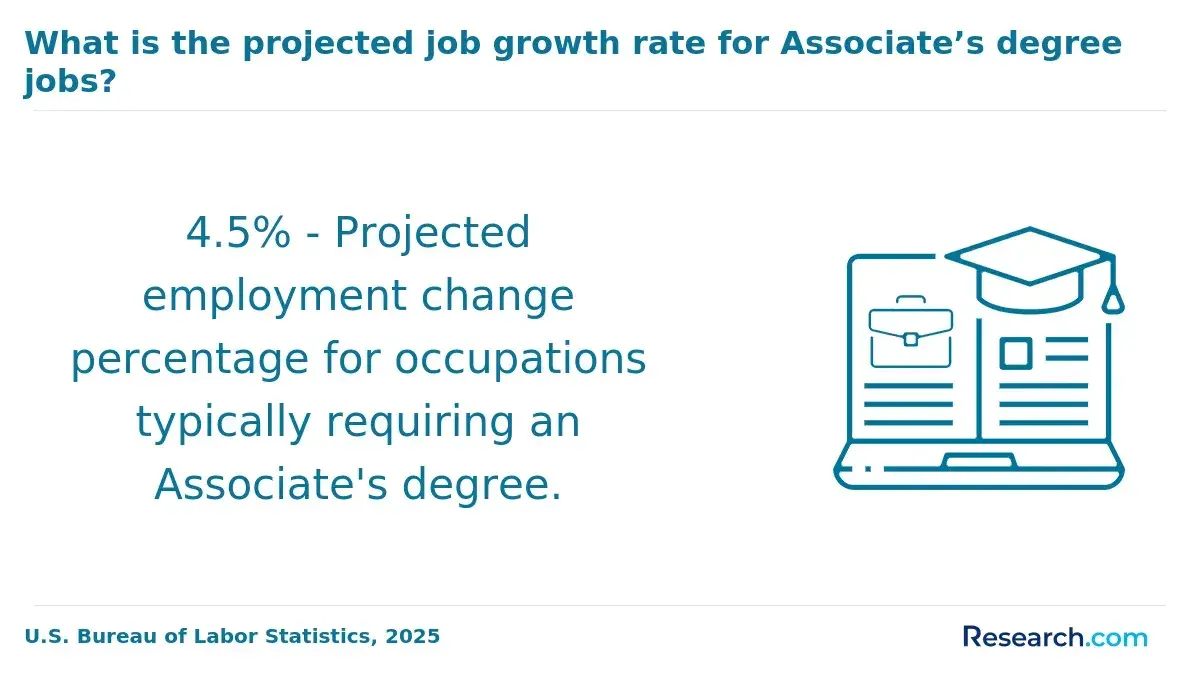
If your goal requires an associate degree, compare program pacing and credit transferability before paying for a noncredit course. An associates degree online option may offer a broader credential, though advertised accelerated timelines depend on transfer credit, course availability, and full-time study.
What salary ranges and earning potential can graduates of flat-rate career programs expect?
Salary information should be used as occupational context, not as a predicted outcome from completing a flat-rate program. Pay differs by state, metro area, shift, union coverage, employer, experience, licensure, and specialization. A certificate alone may not qualify a person for the occupation represented in broad labor data.
Recent U.S. Bureau of Labor Statistics occupational data illustrate the range of related roles. In May 2024, the national median annual wage was $44,200 for medical assistants, $61,010 for paralegals and legal assistants, $59,810 for HVAC mechanics and installers, and $58,910 for graphic designers. These figures are useful benchmarks, but they include workers with varied education and experience levels.
Compare the local entry-level wage shown in current job postings with your total training cost, expected unpaid hours, transportation, and any lost work income. A lower-cost certificate can have solid value when it leads to a credible first role; a higher-priced program needs stronger evidence of required approval, practical training, and employment relevance.
How can students evaluate program length, licensing requirements, and job outlook before enrolling?
Evaluate length, licensing, and job outlook in that order: first determine the job you want, then confirm the legal or employer requirements, and only then compare program speed and price. Programs marketed as "fast" may exclude prerequisites, licensing wait times, clinical scheduling, or the time needed to build a portfolio.
Use these steps before signing an enrollment agreement:
- Find several current job postings in your intended location and record the minimum education, license, certification, software, and experience requirements.
- Check the relevant state licensing board or regulatory agency when the work is regulated; verify that the exact program qualifies graduates to apply or sit for any required exam.
- Request a written list of tuition, included items, excluded fees, refund conditions, completion deadlines, and costs for repeats or extensions.
- Confirm whether training is credit-bearing, whether credits transfer, and whether an associate degree or apprenticeship would better support your long-term goal.
- Review BLS occupational outlook information alongside local job listings to distinguish national demand from openings in your area.
- Speak with admissions staff about placement support, then verify claims through documented outcomes, employer partners, or graduate references when available.
Major red flags include vague accreditation claims, pressure to enroll immediately, guaranteed-job promises, missing state approvals, and a refusal to disclose extra fees. The best flat-rate program is the one whose complete cost, learning format, and credential outcome match the requirements of a specific career target.
Other Things You Should Know About
They can be easier to budget for, but they are not automatically cheaper. Compare the full cost, including supplies, exams, licensing, travel, and extension charges, with the price of comparable credit-bearing, apprenticeship, and employer-sponsored options.
It depends on the school and program. Eligible programs at qualifying institutions may participate in federal aid, while many short noncredit programs do not. Ask the financial aid office whether the specific program is aid-eligible and whether employer tuition assistance or workforce grants are available.
Not necessarily. A certificate shows you completed training. A certification is a separate professional credential that may require an exam, work experience, education, or other eligibility criteria. Confirm requirements directly with the certifying organization.
Choose a focused certificate when you need targeted entry-level skills quickly and the employer or regulator accepts it. Choose an associate degree when the field commonly requires broader education, you want transferable credit, or you may pursue a bachelor's degree later.
References
- Recognizing the Reality of Working College Students | AAUP https://www.aaup.org/academe/issues/106-2/recognizing-reality-working-college-students
- Free Tuition - TCSG | Technical College System of Georgia https://www.tcsg.edu/free-tuition/
- Financial Aid - Center for Employment Training https://cetweb.edu/financial-aid
- Aid for Non-Traditional Students - Finaid https://finaid.org/otheraid/nontraditional/
- Do Trade Schools Improve Job Placement Success https://tidewatertechtrades.edu/blog/do-trade-schools-help-job-placement/
- Job Training Programs | VA | FastForward https://fastforwardva.org/
- When the Cost Doesn't Match the Career: The Case for Career-Focused Education | Accelerated Academy https://www.acceleratedacademy.us/blog-articles/when-the-cost-doesnt-match-the-career-the-case-for-career-focused-education
- Vocational programs and alternative pathways - Institute for Collaborative Education http://www.iceschoolnyc.org/vocational-programs-and-alternative-pathways
- StraighterLine vs. Traditional College Costs: What You'll Really Pay (And How to Avoid Student Loan Debt) https://www.straighterline.com/blog/straighterline-vs-traditional-college-costs-loans
- Driving Down Costs for Degree Programs - Education Assistance https://www.brighthorizons.com/article/edassist/flat-rate-tuition-programs