2027 Best Online Certifications With Year-Round Enrollment

Co-Founder and Chief Data Scientist
Choosing an online credential is difficult when programs use similar marketing language but lead to very different outcomes. Year-round enrollment can let you begin sooner, yet flexibility does not replace employer recognition, hands-on training, or licensure eligibility. The U.S. Bureau of Labor Statistics projects healthcare occupations to grow faster than the average for all occupations from 2024 to 2034. This guide helps career changers, working adults, and recent graduates compare credit-bearing certificates, professional certifications, and short career-training programs before investing time and money.
Key Things You Should Know
- Year-round enrollment means a provider accepts learners in multiple start terms or on a rolling basis; it does not necessarily mean every course, clinical placement, or exam is available immediately.
- A college certificate documents completion of a course sequence, while an industry certification usually requires meeting an external organization's standards and often passing an exam; verify which credential employers actually request.
- For career-focused options, compare total cost, required equipment, supervised fieldwork, exam fees, accreditation or approval, and local job postings - not tuition or speed alone.
Top 10 Best Online Certifications With Year-Round Enrollment
Popular Trade School Programs
Online trade programs commonly cover HVAC theory, electrical fundamentals, construction estimating, welding safety, automotive service concepts, and logistics. A certificate can build foundational knowledge, but most skilled trades require in-person labs, apprenticeships, supervised hours, or state licensing before independent work. Choose a hybrid program when the occupation requires hands-on competency. Fully online training fits estimating, safety, blueprint reading, dispatch, and business operations better than it fits welding or electrical field practice. Ask whether the curriculum prepares you for a specific exam, such as EPA Section 608 for refrigerant handling.
Healthcare Programs
Year-round online healthcare options include medical billing and coding, health information technology, medical terminology, pharmacy technician preparation, and healthcare administration certificates. These programs are useful for learners seeking administrative or support roles, but clinical careers such as nursing, sonography, dental hygiene, and medical assisting generally require in-person labs and placements. Confirm whether a program is accredited when that affects certification, transfer credit, or licensure. For coding and billing, check whether coursework prepares you for an external credential exam and whether employers in your area recognize that credential.
Criminal Justice / Law Programs
Online certificates and associate degrees in criminal justice, legal studies, paralegal studies, cybersecurity, and corrections can support entry-level public safety, compliance, or legal-support goals. A criminal justice credential alone does not guarantee police employment, because agencies set separate fitness, background, academy, and state requirements. Paralegal programs deserve extra scrutiny: employers may prefer American Bar Association-approved education, though ABA approval is not required for every role. Learners interested in law school should generally prioritize a bachelor's degree and strong academic record over a short legal-studies certificate.
Arts & Design Programs
What are the most in-demand online certifications with year-round start dates?
The most in-demand online options tend to align with occupations that need documented technical, administrative, digital, or compliance skills. Demand should guide your shortlist, but it is not proof that a short program alone meets every employer's hiring requirements.
| Credential path | Typical online fit | Potential entry point | Important limitation |
| Medical billing and coding certificate | Strong for coursework; practicum policies vary | Billing, coding, or revenue-cycle support | Employers may prefer an external coding certification or experience |
| IT support certificate or certification preparation | Strong; virtual labs are common | Help desk or technical support | Hands-on troubleshooting and customer service still matter |
| Cybersecurity certificate | Strong for theory and labs | Security support or analyst pathway | Many analyst jobs require prior IT experience or a degree |
| Bookkeeping certificate | Strong; cloud accounting tools can be taught remotely | Bookkeeping or accounts-payable support | Automation is reshaping routine work, so software skills are essential |
| Project management certification preparation | Strong for working professionals | Project coordinator | Advanced certifications can require verified work experience |
Technology, healthcare administration, and compliance-facing work are practical choices for remote learners because much of the instruction can occur through simulations and software. By contrast, avoid programs claiming that entirely online coursework replaces required clinical, laboratory, apprenticeship, or licensing components.
How do online certification programs compare to campus-based options for flexibility and outcomes?
Online programs are usually more flexible because they may offer asynchronous lessons, several term starts, and part-time pacing. Campus programs can be stronger when instruction depends on equipment, direct observation, peer critique, or required field placements. Outcomes depend less on delivery mode than on curriculum quality, learner support, employer recognition, and whether the format lets you finish successfully.
| Decision factor | Online or hybrid advantage | Campus-based advantage |
| Schedule | Multiple starts and study around work | Fixed routine and immediate in-person access |
| Hands-on learning | Virtual labs and simulations for suitable fields | Physical equipment, supervised practice, and studio work |
| Networking | Can connect across locations | Local employer events and face-to-face relationships |
| Cost planning | May reduce commuting and relocation costs | May include facilities and services in fees |
| Accountability | Works well for self-directed learners | Helpful for learners needing structure |
If your long-term goal requires graduate study, compare program quality and institutional recognition rather than choosing solely by the earliest start date. Learners planning beyond a certificate can also explore cheap online doctorate degree options after they establish the appropriate undergraduate and professional foundation.
How can you verify that an online certification program is properly accredited and reputable?
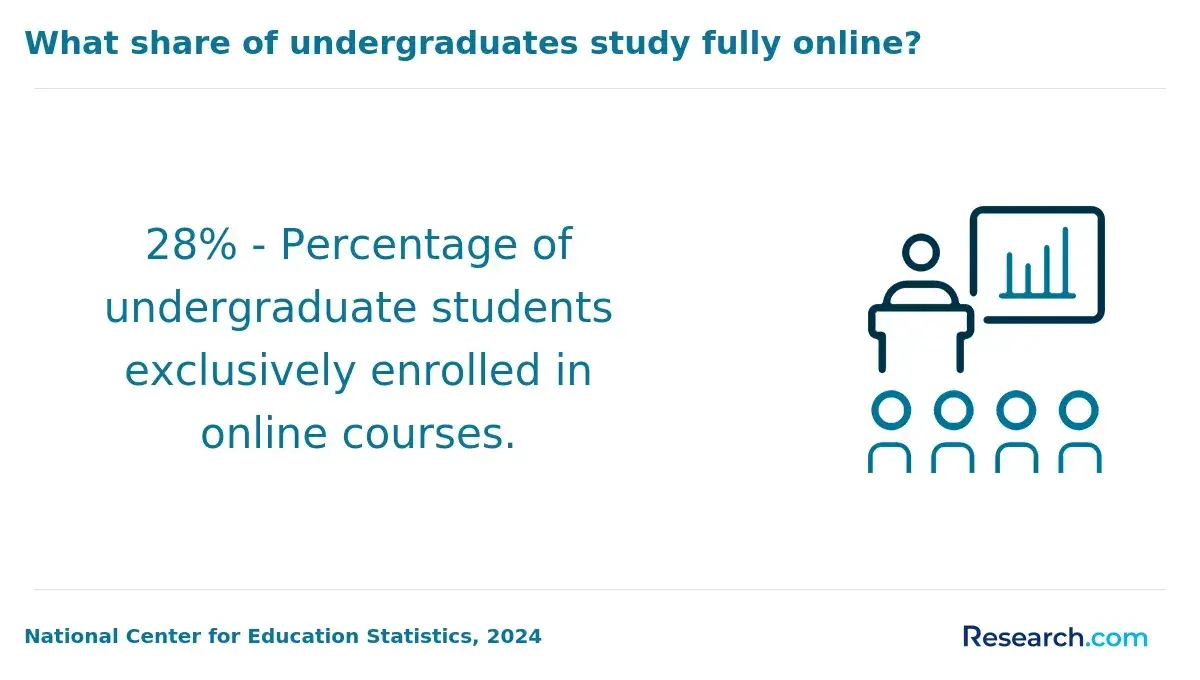
Accreditation is most relevant when a certificate is credit-bearing, tied to federal aid, intended for transfer, or used to meet a profession's educational requirement. Institutional accreditation applies to a college or university; programmatic accreditation applies to particular fields. A third-party professional certificate may not be accredited because it is not a college credential, but it should still have transparent issuer standards and market recognition.
Use this verification sequence before paying a deposit:
- Identify whether the offering is a college certificate, noncredit career program, or preparation for an external certification exam.
- Check the institution in the U.S. Department of Education's Database of Accredited Postsecondary Institutions and Programs and confirm the accreditor is recognized.
- For regulated fields, verify approval with the relevant state board or professional accreditor before enrolling.
- Read the catalog for total credits, delivery method, refund terms, transfer policy, required practicum, and exam eligibility.
- Ask local employers whether they recognize the credential and which certifications they prefer.
A common red flag is a provider that advertises "accredited" without naming the accreditor or confuses approval, membership, and certification with institutional accreditation. If you prefer mission-driven institutions, compare non profit online universities and independently confirm that a particular program meets your career requirements.
What admission requirements and prior education are needed for year-round online certifications?
Requirements vary substantially by provider and credential type. Many noncredit online programs use open enrollment and need only identity verification, payment arrangements, basic computer access, and sufficient English or math readiness. Credit-bearing undergraduate certificates may require a high school diploma or equivalent, transcripts, placement information, or prerequisite courses. Graduate certificates normally require a bachelor's degree and may require a related major or professional experience.
Before applying, separate admission requirements from career-entry requirements. The following questions prevent a mismatch:
- Does the program require prior coursework, a degree, work experience, or a minimum GPA?
- Is the credential for beginners, or does it assume current industry knowledge?
- Will you need a background check, immunizations, drug screening, equipment, or a local placement?
- Does completion make you eligible for an external certification exam, and are there separate exam prerequisites?
- Are credits transferable or stackable into an associate or bachelor's degree, and is that policy documented in writing?
Do not assume rolling admission means immediate access to every class. Cohort courses, clinical rotations, and capstone projects may operate on separate schedules.
How long do online certification programs take, and what do they typically cost?
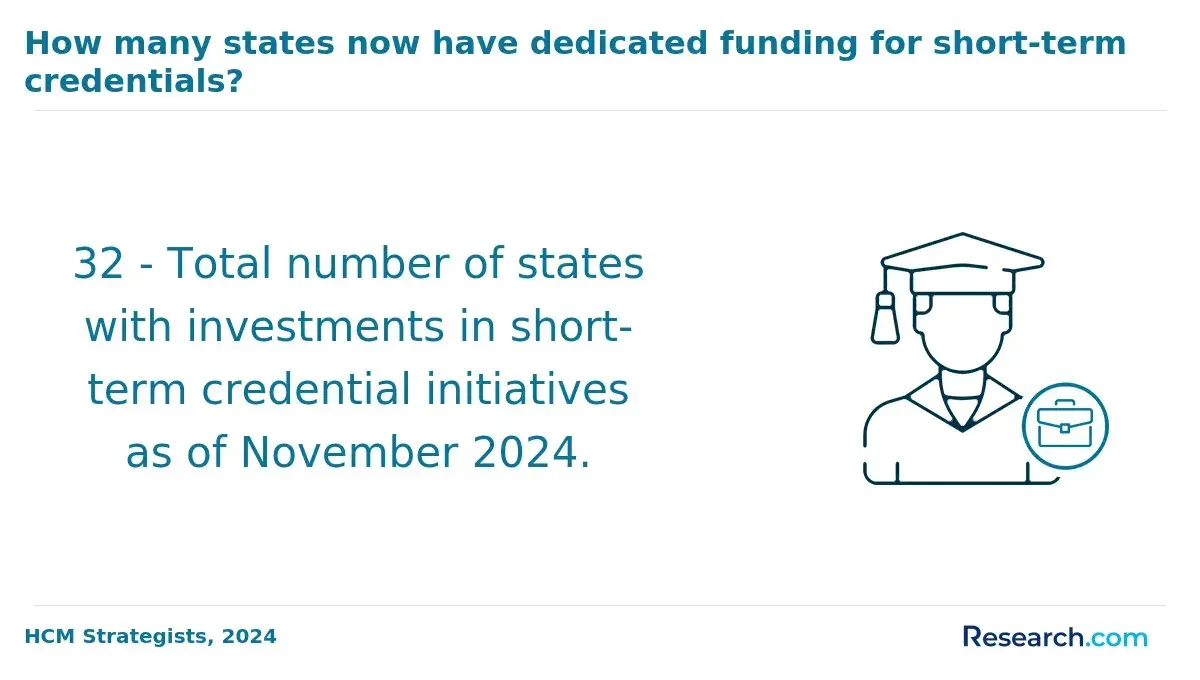
Completion time ranges from a few weeks for a focused noncredit course to roughly one academic year for many college certificates. A part-time learner may take longer, particularly when courses have prerequisites or only run in certain terms. Year-round starts reduce waiting time between terms; they do not automatically shorten the required learning hours.
Total cost is broader than advertised tuition. Compare these cost categories before deciding whether an accelerated option is truly affordable:
| Cost category | Why it changes the total |
| Tuition or subscription fee | May be charged per credit, per course, per term, or as one package |
| Technology and materials | May include a computer, software, tools, textbooks, lab kits, or internet access |
| External examination | Certification and licensure exams often have separate application and testing fees |
| Required in-person work | Travel, parking, uniforms, liability coverage, and clinical or lab expenses can apply |
| Opportunity cost | Accelerated pacing can reduce work hours or increase the risk of withdrawing |
Credit-bearing programs may qualify for federal aid when the institution and program meet eligibility rules; short noncredit offerings often do not. Ask about employer tuition assistance, payment plans, scholarships, and withdrawal deadlines before committing. Do not borrow based on an assumed salary increase.
What curriculum and skills do top online certification programs usually include?
Top online programs teach a defined skill set and provide evidence that you can apply it. Strong curricula align assignments with the tools, workflows, regulations, and communication tasks used in entry-level roles rather than relying only on recorded lectures and multiple-choice quizzes.
Look for curriculum elements that match your target field:
- Job-relevant software, virtual labs, or simulations that let you practice tasks safely.
- Projects, case studies, or a portfolio that can be shown to employers where appropriate.
- Feedback from qualified instructors, not only automated grading.
- Current coverage of privacy, security, ethics, accessibility, and AI-assisted work where relevant.
- Clear preparation for external exams when the program claims certification readiness.
AI tools are changing many office, technology, and design workflows. Choose programs that teach responsible use, verification, data protection, and human judgment rather than promising that a tool alone replaces foundational skills.
Which careers and job roles can you access with online certifications?
Online credentials can support a career transition, advancement in a current role, or preparation for a separate professional certification. They are most valuable when the credential fills a specific skills gap and your target employers recognize it. They are less suitable when a job legally requires a degree, license, apprenticeship, or extensive supervised experience.
| Career area | Possible role after relevant preparation | Credential reality check |
| Health information | Medical records specialist, billing support, coding trainee | External certification may improve competitiveness; employer requirements vary |
| Information technology | Help desk technician, support specialist, junior systems support | Entry certifications and a project portfolio can help, but practical troubleshooting is important |
| Business operations | Bookkeeper, payroll assistant, project coordinator | Software proficiency and experience often determine advancement |
| Legal support | Legal assistant or paralegal support | Hiring standards differ by employer; a certificate does not authorize legal practice |
| Digital design | Production artist, junior designer, content-production support | A portfolio commonly carries substantial weight |
For learners prioritizing location flexibility, review which fields and degree paths commonly support distributed work through this guide to degrees for remote jobs. Remote availability remains employer- and role-specific, even in digitally delivered occupations.
What salary ranges and earning potential are associated with popular online certifications?
Salary data describes occupations, not a guaranteed return from completing a certificate. Pay varies by state, industry, experience, schedule, employer size, and whether a role requires a degree, license, or advanced certification. Use wages to assess a career path's ceiling and entry conditions, then compare them with your own total education cost.
| Occupation | U.S. median annual wage, May 2024 | Credential interpretation |
| Medical records specialists | $50,250 | Certificates can be relevant, but employer preferences and coding credentials differ |
| Computer support specialists | $61,550 | Some positions accept certificates or certifications; others prefer a degree |
| Paralegals and legal assistants | $61,010 | A certificate may be useful, especially for degree holders entering legal support |
| Graphic designers | $61,300 | Portfolio quality and experience are central; education requirements vary |
| HVAC mechanics and installers | $59,810 | Typically requires hands-on training and may require licensing or certification |
These Bureau of Labor Statistics figures are national medians for the occupations, not starting pay and not evidence that certificate holders earn those amounts. If maximizing earnings is your primary objective, compare the broader educational routes covered in top paying degrees alongside shorter credentials.
How does the job outlook and industry demand affect the value of online certifications?
Labor-market demand affects value because a credential has stronger practical utility when it maps to real openings, recognized skills, and a sustainable career ladder. The BLS projects employment of information security analysts to grow 29% from 2024 to 2034, much faster than the average for all occupations. That outlook signals demand for cybersecurity expertise, but it does not mean an introductory certificate alone qualifies a new entrant for an analyst role.
Evaluate demand locally and realistically. Search current job listings in the city or region where you intend to work, record the recurring requirements, and compare them with the program's curriculum. Count whether employers ask for a certificate, a named industry certification, a degree, prior experience, a license, or a portfolio. This process is more reliable than selecting a program based on broad national demand claims.
Be cautious of providers that use projected growth as a promise of placement. A reputable school can explain its curriculum, support services, refund policies, and any reported outcomes, while acknowledging that hiring depends on the learner and the market.
Other Things You Should Know About
Some noncredit providers use rolling enrollment, while colleges may offer several starts per year. Confirm the actual start date for required courses, labs, practicum placements, and capstones before applying.
They can be, especially when issued by an accredited institution or recognized industry organization and paired with demonstrable skills. Employer recognition depends on the field, credential issuer, and role.
A certificate is usually awarded after completing education or training. A certification is generally awarded by a professional body after meeting eligibility standards, often including an examination and sometimes work experience.
Sometimes, but only if the program meets the education requirements set by the relevant state licensing board. Many licenses also require supervised practice, examinations, background checks, or in-person skills verification.
References
- Course Completion Rate Benchmarks: Improve Yours (2026) | Ruzuku https://www.ruzuku.com/learn/articles/course-completion-rates
- Best Student Loans for Certificate Programs - Credible https://www.credible.com/student-loans/student-loans-for-certificate-programs
- How Long Do eLearning Courses Take to Complete? https://www.elearningcollege.com/elearning-blog/how-long-do-elearning-courses-take-to-complete
- Explore Online Certificate Programs Approved by FAFSA https://www.edumed.org/online-schools/fafsa-approved-certificate-programs/
- Calbright College: Free Online Certificate Programs in California https://www.calbright.edu/
- Accreditation Office Hours https://acbsp.org/
- 2025's Best Online Graduate Certificate Programs in the U.S. https://www.onlinemastersdegrees.org/graduate-certificate-programs/
- Recognized Institutions https://transcriptresearch.com/pages/recognized-institutions
- The Benefits of Continuing Education - UNE Online https://online.une.edu/the-benefits-of-continuing-education-how-upskilling-opens-new-career-opportunities/
- Accredited Online Courses: How to Pick Programs That Actually Count https://www.upskillist.com/blog/accredited-online-courses-how-to-pick-programs-that-actually-count/