2027 Best Career Training Programs With Career Services

Co-Founder and Chief Data Scientist
Choosing career training is difficult when schools advertise "job placement" without explaining what support or outcomes they provide. U.S. Bureau of Labor Statistics projections for 2024-2034 show especially strong demand in several hands-on and healthcare occupations, including diagnostic medical sonographers, projected to grow 13%.
This guide compares certificate, diploma, associate degree, apprenticeship, and industry-certification paths that include career services. Learn which programs fit your goal, how to verify career support, what credentials matter, and how to avoid paying for training that does not meet employer or licensing requirements.
Key Things You Should Know
- Career services can include résumé review, interview coaching, employer introductions, externship coordination, and job-search support; they do not guarantee employment, salary, or licensure.
- The strongest options align training with a specific employer-recognized credential, apprenticeship, certification exam, or state licensing requirement rather than offering a vague "career certificate."
- BLS 2024-2034 projections show demand varies widely. Diagnostic medical sonographers are projected to grow 13%, while paralegals and legal assistants are projected to show 0% growth, making local employer connections especially important.
Top 10 Best Career Training Programs With Career Services
Popular Trade School Programs
Trade programs commonly award a diploma, certificate, or associate degree in electrical technology, HVAC/R, welding, plumbing, automotive service, diesel technology, or industrial maintenance. They suit learners who want practical, equipment-based training and may lead to apprenticeships or entry-level technician roles.
A school certificate is not the same as a journeyman license; licensing and apprenticeship requirements vary by state and trade. Favor programs with lab time, employer partnerships, safety training, and documented help securing apprenticeships or interviews.
Healthcare Programs
Healthcare career training includes certificates or diplomas in medical assisting, practical nursing, phlebotomy, pharmacy technology, dental assisting, and medical billing, plus associate degrees in nursing, dental hygiene, radiologic technology, and sonography. Clinical programs usually require immunizations, background checks, drug screening, and supervised placements.
Completion may prepare students to seek certification or licensure, but eligibility depends on the program, state board, and examination rules. Choose clinical education carefully: online coursework can be useful, but required labs and patient-care clinicals generally cannot be replaced by remote study.
Criminal Justice / Law Programs
Career-focused legal programs include paralegal studies certificates and associate degrees, legal assistant training, court reporting programs, and criminal justice certificates or degrees. Paralegal certificates can help candidates build legal research, writing, and document-management skills, but they do not authorize independent legal practice.
Court reporting often requires specialized machine shorthand training and may involve state credentialing. Criminal justice coursework can support entry-level public safety, corrections, or administrative roles, though many law-enforcement agencies impose separate age, fitness, background, academy, and hiring requirements.
Arts & Design Programs
Arts and design training can include certificates or associate degrees in graphic design, web design, UX design, animation, digital media, photography, fashion design, and interior design. Portfolio quality often matters as much as the credential, so career services should include portfolio reviews, internships, client projects, and interview preparation.
A short certificate may be suitable for learning a focused tool or skill, while an associate degree can provide broader studio practice. Verify whether the program teaches current software, accessibility, AI-assisted workflows, and intellectual-property basics.
What are the best career training programs with job placement help?
The best career training program is the one that connects directly to the job requirements in your local market and provides verifiable support beyond a generic job board. Ask each provider for written definitions of "placement," the time period measured, the number of graduates included, and whether jobs must be related to training.
This comparison shows which program formats are usually strongest for different career-service needs.
| Program type | Best fit | Career-services value to verify | Important limitation |
| Registered apprenticeship | Trades such as electrical, plumbing, and construction | Paid work experience, wage progression, mentor, and employer sponsor | Openings can be competitive and schedules are employer-driven |
| Community college certificate or associate degree | Healthcare, technical, and skilled-trade learners | Clinical placement, internship office, employer recruiting, and alumni outcomes | Support quality differs substantially by campus and program |
| Licensed career school diploma | Accelerated hands-on training | Externship agreements, instructor referrals, and written placement methodology | Confirm total cost and whether the credential meets licensing rules |
| Industry certification preparation | IT, project support, office software, and selected technical fields | Exam preparation, portfolio support, and access to employer networks | A training certificate may not include the certification exam or fee |
For shorter options, compare program outcomes with 12 month certificate programs that pay well, but confirm that the listed career actually accepts the credential in your state or area. The best choice is often a program with an internship, clinical rotation, or apprenticeship because it produces work evidence as well as classroom completion.
Which career training programs offer the highest salary potential?
Programs with the highest salary potential tend to lead toward licensed clinical roles, advanced technical work, or occupations requiring substantial experience after training. A short program alone may not qualify a learner for every occupation below; these are median annual wages for the occupation, not promised earnings for program completers.
The following BLS May 2024 wage data helps compare occupational upside with the education typically required.
| Occupation | Typical entry education | Median annual wage, May 2024 | Decision point |
| Dental hygienist | Associate degree and state license | $94,260 | Requires accredited clinical education and licensure |
| Diagnostic medical sonographer | Associate degree or postsecondary certificate | $89,340 | Clinical placement and employer-recognized preparation are critical |
| Registered nurse | Approved nursing program and license | $93,600 | Associate and bachelor's pathways can lead to licensure, subject to state rules |
| Web developer | Requirements vary by employer | $90,930 | Portfolio and demonstrable skills can matter more than program length |
| Electrician | Apprenticeship or technical training | $62,350 | Pay commonly rises with apprenticeship progression and licensure |
High wage potential is not the same as a fast route to high pay. Learners seeking a shorter technical option can explore 12 month certificate programs that pay well only after checking prerequisites, exam requirements, clinical obligations, and local openings. In healthcare, particularly, higher-paying roles commonly require state licensure rather than only a school-issued certificate.
Which career training programs have the strongest job outlook?
The strongest outlook is usually found where employers need in-person services, regulated patient care, maintenance, or infrastructure work. National projections are useful for direction, but local demand, licensing rules, and employer hiring practices should decide where you enroll.
BLS employment projections for 2024-2034 identify several career-training-aligned occupations with above-average or steady demand.
| Occupation | Projected employment change, 2024-2034 | Why training choice matters |
| Diagnostic medical sonographers | 13% | Programs need clinical education and equipment experience |
| Electricians | 9% | Apprenticeship access can be as important as classroom training |
| HVAC/R mechanics and installers | 8% | Employers often value refrigerant handling and troubleshooting skills |
| Web developers and digital designers | 8% | Portfolios must demonstrate current design and technical capabilities |
| Registered nurses | 5% | Approved education and licensure are mandatory for practice |
Automation and AI are changing routine office and design tasks, so learners should prioritize programs that teach problem-solving, client communication, quality control, and current software rather than isolated tool training. Before enrolling, review regional job postings and ask career services which employers hired recent graduates in the same field.
Are online career training programs as credible as campus programs?
Online career training can be credible when the provider is legitimate, the curriculum matches employer or licensing expectations, and required practical learning is completed appropriately.
Online delivery is most workable for IT, billing and coding theory, legal studies, business software, and digital design. It is less suitable as a fully remote substitute for clinical healthcare, welding, electrical lab work, or other skills requiring supervised practice.
Online format does not automatically make a credential transferable, license-eligible, or employer-recognized. Programs using competency based programs may allow learners to progress after demonstrating mastery, which can benefit experienced adults, but students should confirm that pacing does not reduce access to instructor feedback, labs, clinicals, or career coaching.
Compare the delivery model before deciding.
| Question | Online program | Campus or hybrid program |
| Best for | Flexible schedules and theory-based subjects | Hands-on skills, labs, and clinical training |
| Career support to expect | Virtual coaching, remote recruiting, portfolio review | Local employer events, labs, clinical coordinators, in-person networking |
| Main risk | Weak engagement or missing practical requirements | Commuting and fixed schedules |
What accreditation should career training programs have?
Accreditation matters most when a program leads to federal aid eligibility, transfer credit, professional certification, or state licensure. Institutional accreditation evaluates a college or school as an organization.
Programmatic accreditation evaluates a particular professional program, such as nursing, sonography, dental hygiene, or radiologic technology. State approval or licensure to operate is not the same as accreditation.
For regulated careers, start with the licensing board or certifying body, then verify that the exact campus and delivery format meet its educational requirements.
For example, a nursing applicant should confirm approval by the relevant state nursing board; a learner considering medical imaging should check whether the program meets the requirements connected to the intended credentialing examination.
Be cautious when a provider uses broad language such as "accredited curriculum" without naming the accreditor, scope, and program location. Also ask whether credits are transferable; even accredited institutions set their own transfer-credit policies.
What certificates or licenses do these programs prepare you for?
Career training may prepare you for an external examination, a state license, an employer assessment, or only a school certificate of completion. These outcomes are distinct. A certificate documents education; a certification is awarded by a professional organization after its standards are met; a license is legal authorization issued by a government authority.
Common examples include the following, but eligibility rules can change by state, certifier, and occupation.
- HVAC programs may prepare students for EPA Section 608 refrigerant-handling certification testing.
- Nursing programs approved by a state board may prepare eligible graduates to take the NCLEX licensing examination.
- Medical assisting programs may prepare graduates for a national certification examination, depending on the curriculum and certifier's eligibility rules.
- CompTIA, cloud, and cybersecurity preparation programs may help learners study for vendor-neutral or vendor-specific certification exams, often with separate exam fees.
- Paralegal certificates build legal support skills but do not confer a license to practice law.
Before paying a deposit, obtain the school's written answer on which examination or license the program prepares you for, whether exam fees are included, and what percentage of students complete the required practical component.
How long do career training programs usually take?
Completion time depends more on the credential and required supervised practice than on marketing claims.
Noncredit online training can take weeks or months, many full-time career certificates take roughly six to 12 months, associate degrees commonly take about two years of full-time study, and apprenticeships can take several years while participants earn wages. Part-time schedules extend these timelines.
Time estimates should include more than class sessions. A realistic comparison includes admissions processing, prerequisite courses, clinical or externship scheduling, certification-exam preparation, and the job search. A fast program makes sense when it meets the exact entry requirement for your target role; it is a poor trade-off if you later need to repeat training for licensure.
If your long-term goal requires graduate-level advancement rather than entry-level training, an easy online masters degree may be a more relevant option after you have completed the necessary undergraduate education and work prerequisites.
How much do career training programs cost?
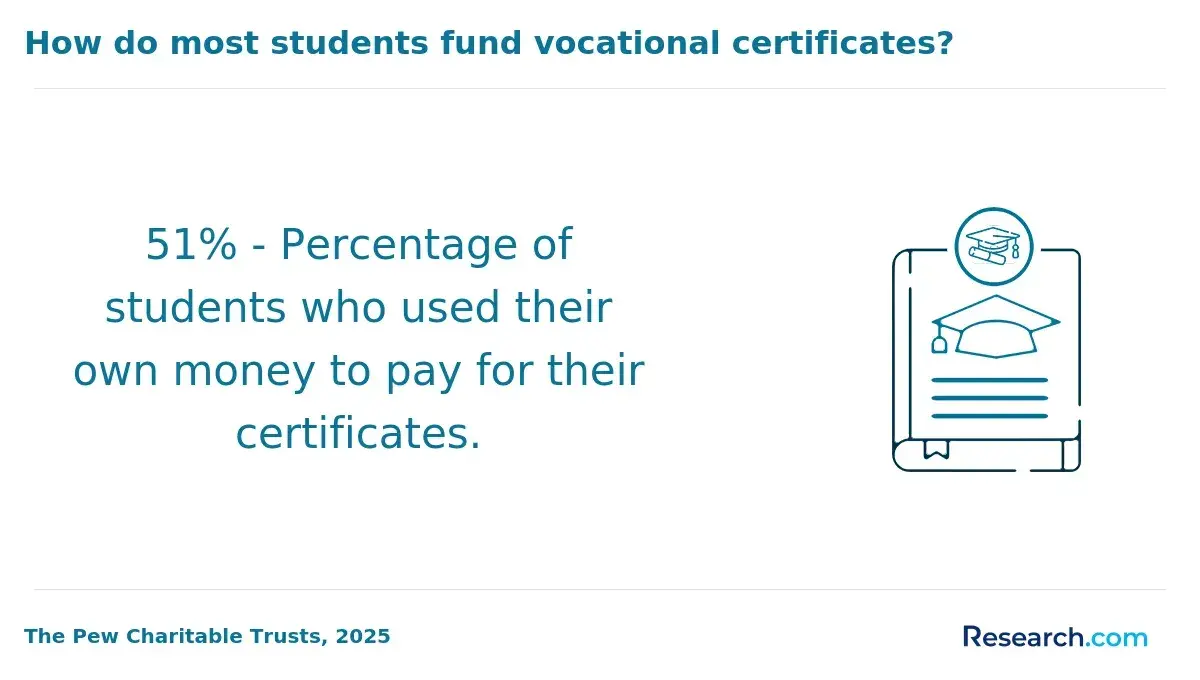
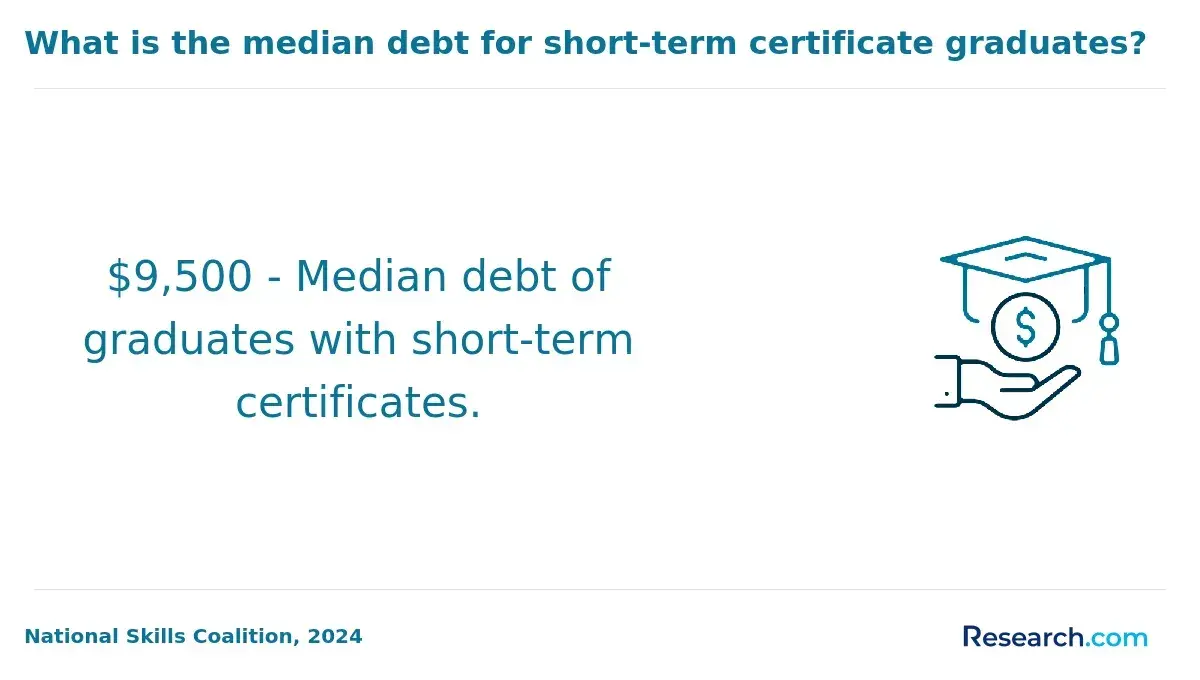
Cost should be evaluated as total career-entry cost, not advertised tuition. Include registration charges, books, tools, uniforms, background checks, immunizations, transportation, exam fees, licensing fees, required software, and income lost if a program prevents you from working. Apprenticeships may reduce upfront education costs because participants are paid, while clinical programs can require substantial unpaid placement time.
For a broad public-college benchmark, the College Board reported average published tuition and fees of $4,150 for in-district students at public two-year colleges in the 2025-2026 academic year. Individual career schools, private colleges, and noncredit providers can differ sharply, so this figure is a comparison point rather than a price quote.
A higher-priced program can be reasonable when it includes required labs, clinical placement, recognized exam preparation, and transparent outcomes. Conversely, low tuition is not a bargain if the credential does not meet employer or licensing standards.
Learners deciding between career training and a longer degree can also compare fun majors in college that pay well when their interests and time horizon support a bachelor's pathway.
How do you choose a reputable career training program?
A reputable career training program makes its credential, costs, practical requirements, and career-support limits easy to verify. Do not rely on testimonials or a placement-rate claim alone; compare the written evidence from at least two or three providers, including a public college or registered apprenticeship when available.
Use these steps before enrolling.
- Define the exact job, not just a broad field, and review current local postings for required licenses, certifications, tools, and experience.
- Confirm that the program's credential meets the relevant state board, certifier, employer, or apprenticeship requirement.
- Request a complete written cost estimate that includes tuition, equipment, exams, uniforms, background checks, and transportation.
- Ask career services how placement is calculated, which employers recruit graduates, and whether support continues after graduation.
- Verify institutional and programmatic accreditation when transfer credit, federal aid, certification eligibility, or licensure depends on it.
- Speak with recent graduates or employers when possible and ask whether the training matched entry-level work.
- Read cancellation, refund, leave-of-absence, and withdrawal policies before signing an enrollment agreement.
Common red flags include pressure to enroll immediately, unclear total pricing, claims of guaranteed jobs, refusal to name accreditation or approval status, outdated equipment, and a "certification" label for a course that only grants a certificate of completion.
Another frequent mistake is choosing a fully online clinical program without verifying whether it arranges legitimate local labs and supervised placements.
Other Things You Should Know About the Best Career Training Programs
No. Career services can improve preparation and access to employers, but hiring depends on local demand, qualifications, background requirements, interviews, and employer decisions. Ask for the provider's written definition of placement and related-job outcomes.
A certificate can be better when an employer accepts it for an entry-level role and you want a shorter route. An associate degree is often better for regulated clinical careers, broader technical education, and possible transfer to a bachelor's program.
Possibly. Eligible students in qualifying programs at institutions approved for federal student aid may be able to use aid, while many short noncredit courses do not qualify. Check the provider's aid status and compare employer tuition assistance, workforce grants, scholarships, and payment plans.
Ask which graduates are counted, how long after completion outcomes are measured, whether jobs must be related to the program, whether part-time work counts, and which employers hired graduates. Request the answer in writing.
References
- Pathways to Work - United Way of Metropolitan Dallas https://unitedwaydallas.org/programs/pathways-to-work/
- Creating Competitive Career Pathways for Low-Income Americans https://fas.org/publication/sector-employment-training-initiative/
- Can Workforce Solutions Help Me Pay for School or Certification Programs? https://workforcesolutionsrca.com/blog/can-workforce-solutions-help-me-pay-for-school-or-certification-programs
- Getting Financial Assistance for Career Training https://ccitraining.edu/blog/getting-financial-assistance-for-career-training/