2027 Best Certificate Programs With Low Textbook Costs

Co-Founder and Chief Data Scientist
A low tuition price can be misleading when a certificate also requires costly textbooks, software, tools, uniforms, exams, or licensing fees. This guide helps prospective students compare academic and career-training certificates with total cost in mind. College Board reported average published tuition and fees of $4,050 at public two-year colleges for 2024-25, making community-college certificates a practical starting point for many budget-conscious learners. Learn which fields usually use digital materials, what accreditation means, how long programs take, and whether a certificate fits your career goal.
Key Things You Should Know
- Low-textbook programs are most common in office, technology, legal support, business, and some online general-education certificates; hands-on healthcare and trades may have lower book costs but higher equipment, lab, clinical, or exam expenses.
- A certificate is an educational credential awarded for completing a program, while a certification is a professional credential usually awarded by an independent organization after meeting eligibility and examination requirements.
- Compare total cost - not tuition alone - and verify institutional accreditation, program eligibility for licensing or certification exams, required materials, and whether credits can stack into an associate or bachelor's degree.
Top 10 Best Certificate Programs With Low Textbook Costs
Popular Trade School Programs
Trade certificates in HVAC, welding, electrical technology, automotive service, and industrial maintenance can lead to practical entry-level training. Textbook use is often limited, but total expenses may rise because of tools, safety gear, shop fees, testing, and required in-person labs. An HVAC or electrical certificate can make sense for learners seeking hands-on work; an associate degree may be stronger for advancement or transfer. Confirm whether the curriculum supports an apprenticeship, employer-required credential, or state licensing pathway, since completing a school certificate alone does not grant a license.
Healthcare Programs
Medical assisting, pharmacy technician, medical billing and coding, dental assisting, and nursing assistant certificates are common healthcare options. Billing and coding programs can use mostly digital courseware, while clinical programs may require uniforms, immunizations, background checks, liability coverage, lab supplies, and supervised practice. Choose a program aligned with the role's employer expectations and state rules. For example, a medical assistant certificate can provide training, but employers may prefer or require a separate national certification. Nursing-related certificates may also have state-specific approval and clinical-placement requirements.
Criminal Justice / Law Programs
Certificates in paralegal studies, legal office support, court reporting support, homeland security, and criminal justice can suit learners interested in administrative or public-service roles. Online legal support programs often rely on statutes, cases, and digital databases rather than expensive print books. A paralegal certificate is usually best for people who already hold an associate or bachelor's degree, particularly when employers expect postsecondary legal training. It does not authorize someone to practice law or provide legal advice. Review local employer requirements before choosing a noncredit criminal justice credential.
Arts & Design Programs
Graphic design, digital media, web design, photography, and user-interface certificates can keep print-book spending low because instruction often uses online tutorials and digital portfolios. The trade-off is software, a capable computer, storage, printing, cameras, or portfolio-production costs. A short certificate works well for learners building a focused skill set or updating an existing portfolio. It may be less suitable for beginners seeking broad design foundations, internships, and extensive critique. Ask whether educational software licenses remain available after completion and whether portfolio work is reviewed by instructors.
What types of certificate programs typically have low textbook and materials costs?
Programs with lecture-based, digital, or software-centered instruction usually have the lowest traditional textbook costs. "Low textbook cost" does not necessarily mean "low total cost": a program can eliminate print books while charging for proctored exams, subscriptions, supplies, or required practical training.
The following certificate types are often worth comparing first when minimizing book spending is the priority:
- Business administration, bookkeeping, office administration, and project coordination certificates that commonly use online readings, templates, and learning platforms.
- Information technology support, web development, data analytics, and cybersecurity certificates that typically rely on digital documentation and software labs.
- Medical billing, coding, health information, and legal office support certificates, although current code books or database access may still be required.
- General studies and transfer-oriented academic certificates at community colleges that use open educational resources in selected courses.
Hands-on programs can still be affordable, but compare consumable supplies separately. Welding metal, automotive parts, cosmetology kits, dental materials, clinical uniforms, and trade tools can exceed the cost of textbooks.
How do tuition, fees, and textbook expenses compare across certificate programs?
Tuition is only one part of the budget. Credit-bearing college certificates generally charge by credit or term and may qualify eligible students for federal aid, while noncredit workforce certificates may use a package price and have different aid options. The 2024-25 public two-year college tuition-and-fee average of $4,050 is a useful national benchmark, not the price of an individual certificate.
This comparison shows where costs commonly arise so applicants can request an itemized estimate before enrolling.
| Program format | Typical tuition structure | Textbook pattern | Common extra costs |
| Community-college credit certificate | Per credit or per term | May include open materials, e-books, or publisher codes | Student fees, labs, exams, transportation |
| Online college certificate | Per credit or flat term rate | Often digital, but course-specific | Technology, proctoring, software, online fees |
| Noncredit workforce certificate | Packaged program price | Often included or digital | Certification exam, tools, background checks, supplies |
| Trade or clinical certificate | Per course, clock hour, or package | Usually modest relative to practical materials | Equipment, uniforms, insurance, clinical or shop fees |
For a broader earnings-focused comparison of short training paths, review certificate programs that pay well. Do not select one solely because it is inexpensive or fast; confirm that its curriculum matches the job you want.
Which accredited schools offer affordable online certificate programs with minimal textbook use?
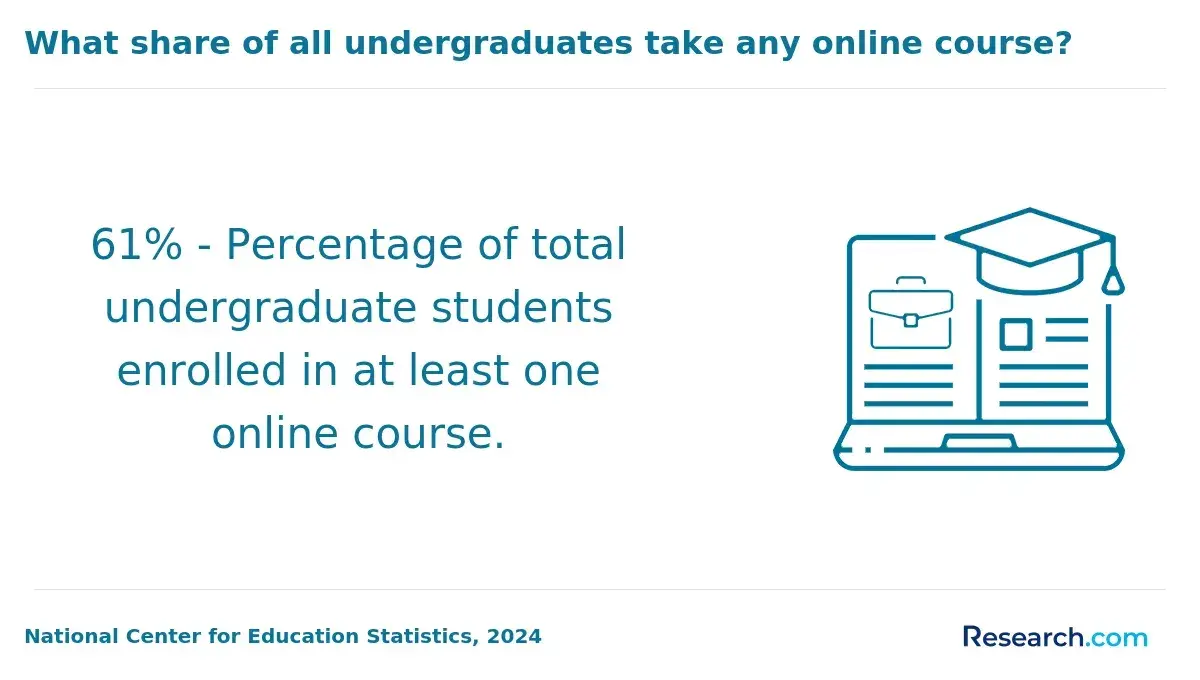
Affordable online certificates with limited print-textbook use are often found at regionally or nationally accredited colleges, especially public community colleges that publish course materials and fees. Examples to investigate include Rio Salado College and Foothill College, both of which offer online certificate options; the material requirements depend on the specific program and course, not the school name alone.
When comparing an online provider, use the institution's catalog and the course schedule to identify whether a certificate is credit-bearing, fully online, and built around digital or open materials. Learners who prefer mission-driven institutions can also compare options at a nonprofit university, while checking whether its certificate is offered online and whether aid applies.
Before applying, request a written estimate covering tuition, mandatory fees, books, access codes, software, proctoring, equipment, and any in-person requirement. A school may be accredited while a particular certificate still has substantial materials costs.
How can students verify that a low-cost certificate program is properly accredited?
Proper accreditation is especially important when a certificate is credit-bearing, uses federal student aid, is intended to transfer, or prepares students for a regulated occupation. Institutional accreditation evaluates the college as a whole; specialized program approval may be necessary in fields such as nursing, allied health, and certain technical occupations.
Use this process to verify a program before paying a deposit:
- Find the school's legal name and accreditor in its official catalog or accreditation disclosure.
- Confirm the accreditor is recognized by the U.S. Department of Education or the Council for Higher Education Accreditation.
- Check the program page for separate approval, clinical eligibility, or exam requirements when the field is regulated.
- Ask whether the exact certificate, delivery format, and state where you plan to work meet licensure or certification-exam rules.
- Get written confirmation of transferability if you expect to apply credits toward a degree later.
A common red flag is a provider that describes itself as "licensed," "approved," or "recognized" without naming an accreditor or explaining what that status covers. Licensing to operate is not the same as accreditation.
What admission requirements do affordable certificate programs usually have for adult learners?
Affordable certificate programs for adult learners often use accessible admissions standards, but requirements depend on whether the credential is a college certificate, a noncredit workforce program, or a regulated clinical program. Many entry-level college certificates require a high school diploma, GED, or equivalent; some also use placement measures to determine whether foundational coursework is needed.
Adult learners should expect requirements to fall into these broad categories:
- Academic certificates may require an application, residency information, prior-school records, and placement or prerequisite courses.
- Short noncredit programs may require only identity verification, payment arrangements, and basic technology access.
- Healthcare, public-safety, and clinical programs may add immunizations, drug screening, background checks, CPR training, physical-capacity documentation, or competitive admission steps.
- Advanced technical certificates may require prior coursework, work experience, or an existing industry certification.
Do not assume "open admission" means immediate entry into every program. Limited clinical seats, equipment capacity, and prerequisites can delay a start date even when the college broadly admits applicants.
How long do low-textbook certificate programs typically take to complete?
Low-textbook certificates commonly take from a few weeks to about one year, but the true timeline depends on credits, prerequisites, clinical hours, course sequencing, and whether the learner studies part time. A focused noncredit digital-skills program may take weeks or months, while a credit-bearing certificate often takes two or three academic terms.
Choose the schedule based on the work itself. Fully online administrative, IT, and business programs can suit working adults when deadlines are flexible. Trade and healthcare programs often require fixed labs, clinical shifts, or supervised assessments, so an "online" label may cover only the classroom portion.
Accelerated study can reduce time away from the labor market, but it can increase weekly workload and make course repeats more costly. Ask for a term-by-term plan showing required courses, expected weekly hours, and the next available clinical or lab placement.
What careers and entry-level jobs can these certificate programs prepare you for?
A low-cost certificate can prepare learners for targeted entry-level work, but outcomes depend on local hiring practices, prior experience, portfolios, employer screening, and any required license or certification. Certificates are generally most useful when they teach a defined job skill and provide evidence of current training.
The table separates common starting roles from the additional qualifications that may be needed.
| Certificate area | Possible entry-level roles | Important limitation |
| IT support | Help desk technician, desktop support trainee, technical support representative | Employers may also expect troubleshooting experience or an industry certification. |
| Medical billing and coding | Billing clerk, coding support specialist, patient-account representative | Employers may prefer a recognized coding certification and healthcare experience. |
| Paralegal or legal support | Legal assistant, file clerk, litigation support assistant | A certificate does not permit legal practice or legal advice. |
| Skilled trades | Apprentice, installer helper, shop technician, maintenance trainee | Licensure, apprenticeship hours, and supervised experience may be required. |
| Digital design | Production artist, junior content creator, design assistant | A portfolio and software proficiency often matter as much as the credential. |
If your goal is a role with broader education requirements or a higher long-term ceiling, compare certificate training with degree pathways and highest paying jobs that typically require bachelor's-level preparation.
What salary ranges and advancement opportunities follow low-cost certificate training?
Occupational wage data describes workers in an occupation, not the earnings of certificate completers. Pay varies by location, experience, shift, industry, union status, licensing, and employer. As one current reference point, the U.S. Bureau of Labor Statistics reported a $44,200 median annual wage for medical assistants in May 2024; a short certificate may help with entry, but it does not establish that wage.
This comparison illustrates why advancement planning matters more than choosing a program based on a salary claim alone.
| Path | Typical advancement route | What can raise career options |
| Medical assisting | Lead assistant, specialty practice support, health-office management | Experience, employer-recognized certification, and additional healthcare education |
| IT support | Network support, systems administration, cybersecurity support | Hands-on projects, vendor certifications, and stackable college credits |
| Legal support | Senior paralegal, litigation support, compliance support | Specialized legal experience and an associate or bachelor's degree where employers prefer it |
| HVAC or electrical trades | Journeyperson, service technician, estimator, supervisor | Apprenticeship completion, licensing where required, and field experience |
For learners who eventually need graduate-level study, an undergraduate certificate is not a substitute for a bachelor's degree. Explore masters degrees online only after confirming the degree and admissions prerequisites for the intended field.
How can students reduce textbook costs through digital resources, rentals, or open materials?
Students can often reduce materials spending without compromising course quality, but they should confirm that a lower-cost format includes the same required access and current editions. Start before registration, because access codes and bundled digital platforms are frequently nonreturnable.
Use these practical steps to control textbook and materials costs:
- Request the complete required-materials list, including edition numbers, access-code duration, software, lab kits, uniforms, and exam vouchers.
- Ask whether the course uses open educational resources, library e-books, instructor-created readings, or materials included in tuition.
- Compare rental, used, digital, and library-reserve options only when an individual access code is not required.
- Buy tools or uniforms after confirming the exact specifications and whether the program offers a loaner, bulk-purchase, or used-equipment option.
- Use employer tuition assistance, workforce grants, veterans education benefits, or college financial-aid counseling when eligible.
A frequent mistake is purchasing materials from a bookstore before the first class meeting. Instructors may clarify that a previous edition, rental, free resource, or shared lab equipment is acceptable.
Other Things You Should Know About
Not always. Online programs may reduce print-book costs, but they can add fees for software, proctoring, digital platforms, technology, or required exam attempts. Compare the complete required-cost list.
Some eligible credit-bearing certificate programs at approved institutions can qualify students for federal aid. Many short noncredit programs do not. Ask the school's financial-aid office whether the exact program is aid-eligible.
It may, particularly when it is a credit-bearing certificate from an accredited college, but transfer is never automatic. Obtain the school's written policy and confirm how many credits apply to your intended degree.
Choose a certificate when you need structured instruction and a school-based credential. Choose an industry certification when employers specifically request it and you already meet its exam or experience requirements. In many fields, the strongest path includes training first and certification afterward.
References
- OER & Zero Textbook Cost https://www.riohondo.edu/academics/oer-zero-textbook-cost/
- Two Year Followup: Course material costs for four-year degrees at Oregon's universities https://openoregon.org/two-year-followup/
- CCSNH Saves Students Over $2.5 Million with Open Educational Resources - Community College System of New Hampshire https://www.ccsnh.edu/ccsnh-saves-students-over-2-5-million-with-open-educational-resources/
- How to Reduce the Cost of College Textbooks - The Scholarly Kitchen https://scholarlykitchen.sspnet.org/2017/03/27/reduce-cost-college-textbooks/
- Alternatives to Buying College Textbooks to Save Money https://www.debt.org/students/college-textbooks-kindles-ipads/
- SURVEY SHOWS STUDENTS OPTING OUT OF BUYING HIGH-COST TEXTBOOKS - Student Vote https://studentvote.org/2014/01/27/survey-shows-students-opting-out-buying-high-cost-textbooks/
- Open Education - SPARC https://sparcopen.org/open-education/
- Research Guides: Textbooks: Finding More Affordable Textbooks https://libguides.pasadena.edu/c.php
- Average Cost of College Textbooks [2026]: Prices per Year https://educationdata.org/average-cost-of-college-textbooks
- A Note to College Students on Textbook Costs https://walterwendler.com/2025/08/a-note-to-college-students-on-textbook-costs/