
2027 Best Certificate Programs With 8-Week Courses

Co-Founder and Chief Data Scientist
Choosing a fast certificate is difficult because "8-week" may describe one accelerated course, not an entire job-ready program. These options can help adults build targeted skills quickly, but only some meet employer, certification, or state licensing requirements.
U.S. Bureau of Labor Statistics projections released in 2024 show healthcare support occupations are projected to grow faster than the average for all occupations through 2033. This guide explains what accelerated certificates can realistically deliver, how to compare providers, and when a longer credential is the safer investment.
Key Things You Should Know
- An 8-week certificate may be a single course, a short noncredit credential, or one term within a multi-course certificate; verify the total calendar time before enrolling.
- For licensed work such as medical assisting, practical nursing, cosmetology, or legal services, completion alone may not meet state rules; confirm program approval and examination eligibility first.
- Short programs can be cost-effective for focused entry-level skills, while credit-bearing certificates may be better when you need transferability toward an associate or bachelor's degree.
Top 10 Best Certificate Programs With 8-Week Courses
Popular Trade School Programs
Trade-focused accelerated courses commonly cover welding fundamentals, HVAC maintenance, electrical safety, construction estimating, commercial driving preparation, and basic automotive service. A short certificate is most useful for an introductory skill, employer-required safety training, or advancement within a trade where you already have experience. It is usually not enough by itself for apprenticeship completion or a state-regulated license. Ask whether hands-on lab hours, tools, exam fees, and supervised field experience are included. For careers requiring extensive practice, an apprenticeship or longer diploma is often the stronger route.
Healthcare Programs
Healthcare 8-week offerings may include medical terminology, pharmacy technician preparation, billing and coding foundations, patient care basics, or CPR-related training. They can suit learners seeking an introduction or a narrowly defined workplace skill. However, clinical occupations often require more than eight weeks because programs must include labs, clinical placements, background checks, immunizations, and state-specific approval. Medical coding and pharmacy technician certificates may prepare students for a separate certification examination, but eligibility rules vary by certifying body. Confirm whether the credential is credit-bearing and whether local employers recognize it.
Criminal Justice / Law Programs
Accelerated criminal justice and law courses can cover legal research, court procedures, corrections, cybersecurity basics, public safety administration, or victim advocacy. Paralegal and legal assistant certificates deserve extra scrutiny: employers may prefer an American Bar Association-approved program, although ABA approval is not required in every setting. A brief course can improve familiarity with legal terminology but rarely substitutes for a full paralegal certificate, degree, or supervised legal experience. Law-enforcement roles generally have agency-specific hiring, physical fitness, background, academy, and state certification requirements beyond academic coursework.
Arts & Design Programs
Short arts and design certificates often focus on Adobe software, graphic design basics, UX foundations, digital photography, video editing, or portfolio development. They are practical for career changers testing a field, freelancers updating a technical skill, and professionals who need a current software credential. Portfolio quality and demonstrable project work usually matter more than the certificate title alone. Choose a course that includes feedback, usable portfolio pieces, and current tools. Learners targeting art direction, architecture, or advanced UX roles may eventually need a stronger portfolio, experience, or a longer degree path.
What are 8-week certificate programs and how do they work for adult learners?
An 8-week certificate program is an educational experience structured around an eight-week session. It may result in an academic certificate from a college, a continuing-education certificate, a workforce-training completion credential, or a provider-issued professional certificate. These are different from professional certifications, which are typically awarded by an independent certifying organization after an exam or other eligibility requirements.
For adult learners, accelerated courses compress the same subject matter into fewer weeks. A three-credit college course that might run 15 weeks can require roughly double the weekly reading, assignments, and assessment preparation when delivered in eight weeks. Many programs are asynchronous online, while lab-based fields may require scheduled campus or clinical hours.
An eight-week format is a good fit when you can protect regular study time, already have relevant background knowledge, and need a defined skill quickly. It is less suitable when you are new to a highly technical field, need extensive instructor support, or must complete clinical, practicum, or licensing hours that cannot be compressed.
Before treating a program as "eight weeks to a career," distinguish these common structures:
- A single eight-week course that awards academic credit or continuing-education units.
- A multi-course certificate completed across two or more eight-week terms.
- A self-paced noncredit training program marketed around an estimated eight-week completion window.
- A short preparatory course for an external certification exam rather than the certification itself.
The total commitment matters more than the session label. Request the course sequence, weekly workload estimate, required attendance schedule, and maximum time allowed to finish.
How do online 8-week certificate programs compare to campus-based options?
Online 8-week certificates can reduce commuting and make it easier to study around work or caregiving, but flexibility is not the same as low workload. Asynchronous delivery works best for theory-heavy subjects such as business software, project coordination, bookkeeping, and introductory IT. Campus or hybrid delivery is often preferable when employers expect equipment practice, studio critique, labs, simulations, or clinical skills.
Adults comparing a short credential with a larger education plan can also explore quick online degrees when an associate or bachelor's credential would better match the target occupation.
The practical differences below should drive the format decision:
| Factor | Online accelerated option | Campus or hybrid option |
| Schedule | Often flexible for lectures and assignments, with fixed deadlines | Usually fixed meeting times and travel requirements |
| Best for | Computer-based, administrative, and theory-focused skills | Hands-on trades, clinical training, studios, and equipment-based learning |
| Interaction | Discussion boards, video meetings, remote office hours | Immediate in-person demonstration and peer practice |
| Main risk | Underestimating self-management and technology needs | Schedule conflicts and commuting costs |
| Licensing fit | Must be verified with the relevant state board | May simplify required in-person hours, but approval still must be confirmed |
Do not choose online delivery solely for speed. Confirm proctoring rules, live-session requirements, software and equipment needs, accessibility support, and whether any internship or externship must be completed locally.
What accreditation and institutional quality standards should 8-week certificate programs meet?
Quality standards depend on the provider and occupation. For credit-bearing college certificates, institutional accreditation from an accreditor recognized by the U.S. Department of Education or the Council for Higher Education Accreditation is a central quality signal. It can affect credit transfer, employer confidence, and eligibility for federal student aid when the student and program otherwise qualify.
Programmatic approval is equally important in regulated fields. Nursing, allied health, cosmetology, truck driving, and some technical programs may need approval from a state board or industry-recognized body. Institutional accreditation does not automatically establish that a program meets a licensing board's educational requirements.
For noncredit provider certificates, focus less on academic accreditation and more on transparent curriculum, qualified instructors, verifiable assessments, employer relevance, refund policies, and clear statements about what the completion credential represents. A reputable provider does not imply that its certificate is college credit, transferable, or a professional certification.
Use these checks before paying a deposit:
- Identify the exact job, external certification, or license you want.
- Check the relevant employer, certification organization, or state board requirements directly.
- Match those requirements to the school's written curriculum, hours, delivery format, and approval status.
- Ask for total charges, withdrawal terms, completion data if available, and the credential wording shown on the final record.
Which careers and job roles can you enter with fast-track certificate programs?
Fast-track certificates can support entry-level roles when the curriculum maps directly to a narrow employer need. Common examples include administrative support, customer service, bookkeeping support, IT support preparation, medical office administration, junior digital marketing tasks, and entry-level production or maintenance work. The credential can signal structured training, but employers may still require a portfolio, background clearance, experience, an external certification, or a license.
Automation and AI are changing the value of short training. Routine software tasks may be automated, while employers increasingly value workers who can verify outputs, communicate with customers, protect data, use job-specific tools, and solve exceptions. Programs that teach only a single platform without projects or applied judgment can age quickly.
Consider the credential's role in the hiring process:
| Career goal | When an 8-week certificate may help | When to choose a longer path |
| Office or business support | Building software, scheduling, records, or bookkeeping skills | When target roles require a degree or advanced accounting knowledge |
| IT support | Learning fundamentals and preparing for an entry-level certification | When pursuing networking, cybersecurity, or software engineering roles |
| Healthcare administration | Developing terminology, billing, or front-office skills | When a clinical credential, supervised hours, or state approval is required |
| Creative services | Producing portfolio samples with current design tools | When advanced strategy, extensive portfolio depth, or a degree is expected |
| Skilled trades | Completing safety or introductory technical modules | When apprenticeship, licensure, or substantial lab practice is required |
The strongest outcome is often a stackable one: use a short course to test the field or gain a workplace skill, then apply it toward a recognized certification, diploma, apprenticeship, or academic credential when needed.
What admission requirements and prior education are needed for accelerated certificate programs?
Admission rules vary substantially. Community-college credit certificates may require a high school diploma or equivalent, placement steps, residency documentation, and prerequisites for technical courses. Graduate certificates require a prior bachelor's degree. Noncredit workforce programs may use open enrollment, while industry certification-preparation courses may require prior work experience or knowledge even if the training provider does not.
Standardized tests are uncommon for short certificates. GPA requirements are also not universal; an open-enrollment program can still have course prerequisites. For example, a medical or technical course may require prior anatomy, algebra, computer literacy, immunization records, or a background check.
Ask admissions or enrollment staff these questions in writing:
- Is this an academic certificate, a noncredit completion certificate, or preparation for an external certification?
- What must I complete before the first day, including technology, background, health, or placement requirements?
- Can completed credits transfer or stack into a diploma, associate degree, or bachelor's degree?
- What happens if I need to withdraw, repeat a course, or pause because of work or caregiving?
Applicants who need a degree pathway rather than a standalone short credential may benefit from reviewing online courses for moms, particularly when schedule control and family responsibilities are major constraints.
How long do 8-week certificate programs take overall and what do they cost?
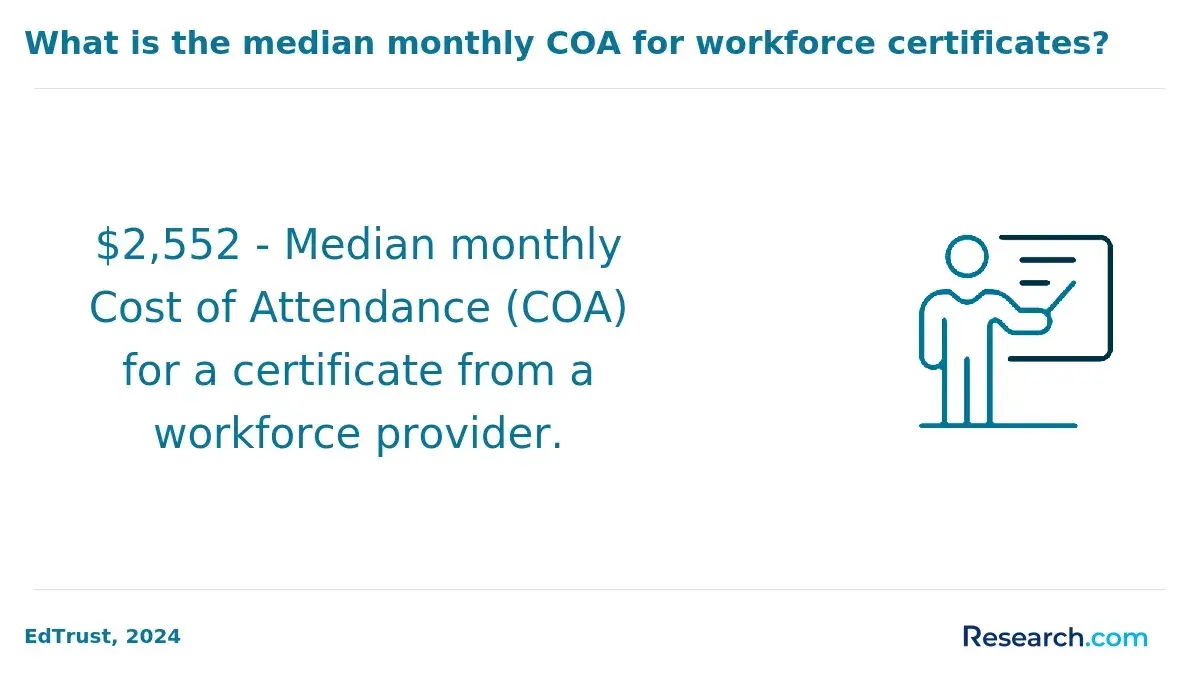
An "8-week certificate" can take eight weeks only when it consists of one course or a tightly scheduled short program. College certificates commonly require several courses, so they may take two, three, or more eight-week sessions. Part-time enrollment, prerequisite courses, limited clinical placements, and course sequencing can extend the calendar substantially.
Cost also varies by credential type. College Board's 2024-25 data reported an average published in-district tuition and fees price of $4,050 for public two-year colleges, but that annual figure is not a price quote for a specific certificate. Use it only as broad context: your actual cost depends on credits, residency, institutional fees, books, tools, testing, supplies, travel, and required insurance or background checks.
The cost categories below help prevent an incomplete comparison:
| Cost category | Why it matters for short programs |
| Tuition or course fee | May be charged per credit, per course, or as a bundled noncredit price |
| Required materials | Can include textbooks, software subscriptions, kits, uniforms, tools, or protective equipment |
| Testing and credentials | External certification exams, fingerprints, background checks, and licenses may be separate |
| Clinical, lab, or travel expenses | Often apply even when lectures are online |
| Lost work time | Live labs, externships, and proctored exams can affect work schedules |
Credit-bearing programs at eligible institutions may offer federal aid to qualifying students, but eligibility depends on program length, enrollment, and other rules. Noncredit programs often do not qualify for federal aid, although employer tuition assistance, workforce grants, payment plans, and state programs may be available. Readers seeking a lower-cost degree alternative can compare cheap online degrees.
What coursework, skills, and learning outcomes do typical 8-week certificate curricula include?
Typical accelerated curricula emphasize a limited, employable skill set rather than broad general education. Coursework may include industry vocabulary, workplace communication, documentation, safety, software use, customer interaction, ethics, privacy, basic data handling, and job-specific procedures. Credit-bearing certificates may also include graded assessments and learning outcomes aligned with a larger program.
Because the pace is compressed, learning outcomes should be observable. A useful program lets you create a work product, complete a simulation, interpret a case, use a relevant tool, or demonstrate a procedure under appropriate supervision. Passive video viewing alone is weak evidence of readiness for most jobs.
Evaluate the curriculum by asking whether it includes the following:
- Current tools, standards, and terminology used by local employers or the relevant certifying organization.
- Practice assignments that produce a portfolio item, documented competency, or measurable assessment result.
- Instructor feedback and a clear process for getting help before deadlines.
- Ethics, privacy, safety, and accessibility topics where the occupation requires them.
For technical fields, check how recently software, equipment, and exam objectives were updated. A short program is valuable only if the skill it teaches remains relevant when you begin applying for work.
What salaries and job outlook can graduates of short-term certificate programs expect?
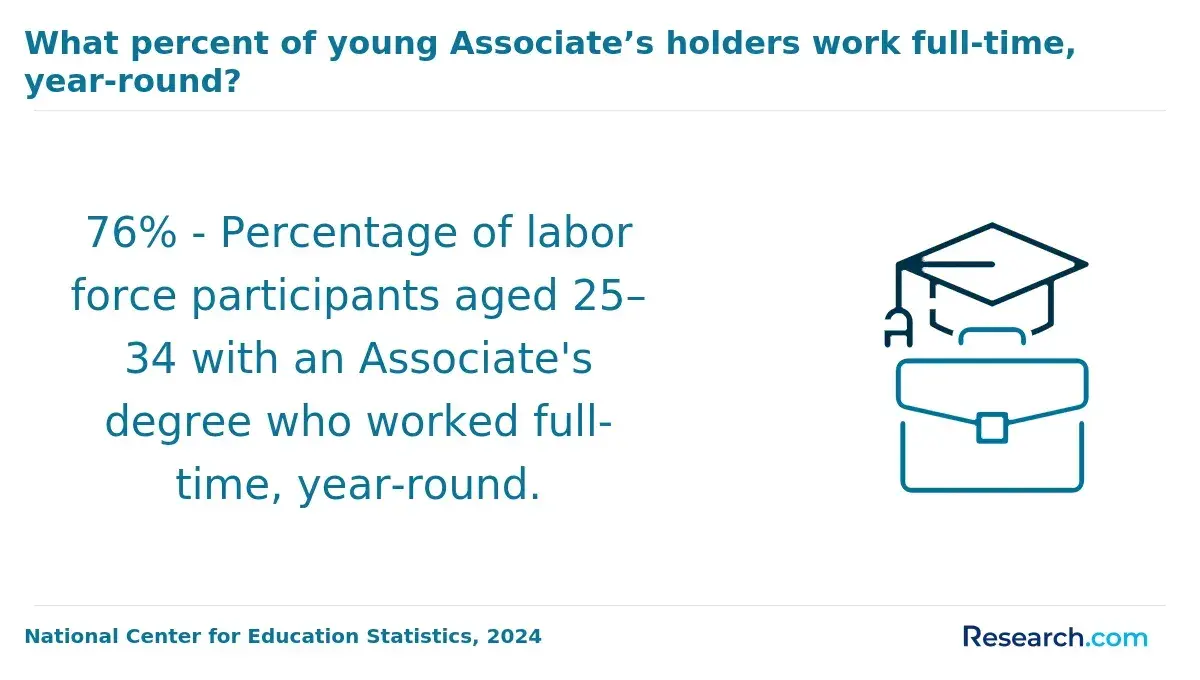
Salary and job outlook depend on the occupation, location, experience, licensing, and employer - not simply on possession of a short certificate. The U.S. Bureau of Labor Statistics reported a 2023 median annual wage of $48,060 for all occupations, while education requirements vary widely across jobs. Use occupational data to assess the target role, then determine whether the certificate is one accepted route into that role.
For example, a short IT support course may help prepare a learner for help-desk applications or an external certification, but it does not establish eligibility for every computer occupation. Likewise, a healthcare administrative certificate may support office roles but does not qualify someone for clinical work requiring a license or supervised practice.
Job outlook should be used as a screening tool, not a promise. Look for occupations with a realistic entry path, local openings, and requirements that match the exact credential. Review several current postings in your area before enrollment to see whether employers request a certificate, a degree, a certification, experience, specific software, or a combination.
Calculate a personal return-on-investment estimate using total out-of-pocket cost, hours away from paid work, expected entry-level opportunities, and the likelihood that the credential can stack into further education. Avoid schools that present broad occupational wage data as though every certificate completer will earn that amount.
How can you choose a reputable 8-week certificate program that meets licensing needs?
Choose a reputable program by starting with the license, certification, or job requirement - not with the advertised completion time. In licensed fields, contact the state board or regulator before enrolling and confirm that the exact program, delivery method, clinical hours, and school location meet current requirements. Requirements can change and may differ across states.
For nonregulated careers, compare curriculum relevance, assessment quality, instructor experience, total cost, learner support, and evidence that employers recognize the provider. Be cautious with phrases such as "certified in eight weeks" unless the provider clearly identifies the independent certifying organization, examination, eligibility rules, and separate fees.
These red flags often signal a poor fit:
- The provider will not state whether the outcome is college credit, a completion certificate, or eligibility for an external exam.
- Marketing implies guaranteed employment, salary, licensing, or certification results.
- Total charges omit tools, exams, background checks, required clinical costs, or recurring software fees.
- The school cannot document approval status for a regulated program or explain local placement arrangements.
- The curriculum has no instructor feedback, practical assessment, portfolio work, lab, or supervised experience where those are essential.
If your goal requires broader credentials and you can commit more time, compare accelerated online bachelor degree programs accredited options. A degree is not automatically better, but it can be the more durable choice for occupations that routinely require one or reward longer-term advancement.
Other Things You Should Know About
Yes, if the provider offers one short course or a tightly structured program. Many certificates contain multiple courses, so the full credential may take several eight-week terms. Confirm the complete course sequence and prerequisites.
Fields like healthcare, information technology, and business administration offer the most 8-week certificate programs in 2027. These programs are designed to quickly provide specialized skills and knowledge. Each field's programs vary in content and requirements, but they aim to enhance employability rapidly.
It can strengthen an application for roles where employers value the specific skill taught. It does not guarantee employment. Compare the certificate with actual local job postings and identify whether employers also require experience, a portfolio, certification, or a degree.
No. A certificate usually documents completion of an educational program. A certification is generally awarded by a professional certifying organization after meeting eligibility standards, often including an exam. A certificate course may prepare you for certification, but it is not automatically the certification itself.
References
- Future Ready - Short-Term Programs at No Cost for Eligible Chicagoans - City Colleges of Chicago: Apply Now https://pages.ccc.edu/futureready/
- Best Student Loans for Certificate Programs - Credible https://www.credible.com/student-loans/student-loans-for-certificate-programs
- Course Delivery Formats 101: Synchronous, Asynchronous, and Blended/Hybrid Learning Explained https://www.iacet.org/events/iacet-blog/blog-articles/course-delivery-formats-101-synchronous-asynchronous-and-blended-hybrid-learning-explained/
- 7 in-demand certifications in 2025 | edX https://www.edx.org/resources/in-demand-professional-certifications
- Choosing the Best Training Format: Virtual, In-Person, or Hybrid? https://educate360.com/blog/virtual-in-person-or-hybrid-how-to-pick-the-right-format-and-the-right-partner/


