2027 Best Career Training Programs

Co-Founder and Chief Data Scientist
Choosing career training means balancing speed, cost, licensing rules, and real hiring demand, not simply picking the shortest program. The U.S. Bureau of Labor Statistics projects healthcare occupations to grow much faster than average from 2023 to 2033, while many skilled-trade roles continue to offer pathways through certificates, apprenticeships, and associate degrees.
This guide helps career changers, recent graduates, and working adults compare program types, verify quality, estimate total costs, and choose training that fits a specific job goal.
Key Things You Should Know
- Career training can range from a few weeks for a noncredit workforce course to about two years for an associate degree. The right timeline depends on whether the target job requires a license, certification, degree, or apprenticeship.
- Programmatic approval matters most in regulated fields. Nursing, dental, HVAC, electrical work, cosmetology, and legal occupations may require state-approved education before graduates can test for licensure or work independently.
- BLS projects healthcare occupations to add about 1.9 million jobs from 2023 to 2033, but demand alone is not enough. Compare total cost, required clinical or field hours, exam pass rates, and local employer expectations before enrolling.
Top 10 Best Career Training Programs
Popular Trade School Programs
Trade programs prepare learners for practical, equipment-based work and often combine classroom instruction with labs, shop practice, or paid apprenticeships. Common certificate and associate degree options include welding, HVAC/R, electrical technology, plumbing, automotive service, diesel technology, construction management, and industrial maintenance.
A short certificate can support entry-level work, while an associate degree may add general education and diagnostic coursework. For electrical, plumbing, and some HVAC paths, confirm whether the program meets state apprenticeship or licensing requirements before paying tuition.
Healthcare Programs
Healthcare career training includes medical assisting, practical nursing, nursing, dental assisting, dental hygiene, pharmacy technology, surgical technology, medical billing and coding, and diagnostic imaging. Certificates may suit support roles, while associate degrees are common for registered nursing and dental hygiene.
Clinical placements are essential; fully online training is usually unsuitable where direct patient-care hours are required. Students should verify approval by the relevant state board and specialized accreditor, determine whether graduates may take a required exam, and budget for uniforms, immunizations, background checks, and exam fees.
Criminal Justice / Law Programs
Criminal justice certificates and associate degrees can cover policing, corrections, homeland security, emergency management, or crime scene procedures. Legal studies and paralegal programs focus on legal research, writing, litigation support, and ethics. These credentials can help applicants build job-relevant knowledge, but they do not automatically qualify someone to become a police officer, attorney, investigator, or licensed professional.
Agencies and employers may impose background, physical fitness, citizenship, age, and academy requirements. Paralegal candidates should prioritize programs with strong legal writing and supervised-practice opportunities.
Arts & Design Programs
Arts and design training may lead to certificates or associate degrees in graphic design, web design, animation, digital media, interior design, photography, fashion, or UX-related production. Portfolio quality commonly matters more than the credential name for creative roles, so students should review graduate work and confirm access to current software and instructor feedback.
A short certificate can build focused software skills; an associate degree may provide broader design theory and portfolio development. Interior design requirements vary by state, and some advanced roles favor a bachelor's degree.
What is a career training program and who are these programs best suited for?
A career training program is structured education designed to prepare people for a defined occupation or job family. It may be offered by a community college, technical school, union apprenticeship, employer, nonprofit workforce provider, hospital, or private career school. The outcome may be a college certificate, diploma, associate degree, completion credential, or preparation for a separate industry certification or state license.
A certificate documents completion of an educational program. A certification is a professional credential issued by a certifying body after an applicant meets its rules, which may include an examination, work experience, continuing education, or all three. Completing a training program may prepare a student for certification, but it does not necessarily award that certification.
Career training is usually best for people who have a specific target role and want a direct route into it. It can be especially useful for adults changing careers, learners who prefer hands-on instruction, and students who need a lower-cost alternative to a four-year degree. It is less suitable when the intended occupation legally requires a bachelor's, graduate degree, or long supervised pathway.
The comparison below clarifies when common training routes make sense.
| Training route | Best for | Typical outcome | Key limitation |
| Noncredit workforce course | Fast skill building or employer-required training | Completion record or provider certificate | May not carry college credit or qualify for aid |
| Academic certificate | Entry-level technical or healthcare preparation | College certificate, sometimes credit-bearing | Transferability varies by institution |
| Associate degree | Roles needing broader coursework or clinical preparation | Associate of Applied Science or similar degree | Usually costs more and takes longer |
| Registered apprenticeship | Licensed trades and paid work-based learning | Journeyworker pathway and related instruction | Openings and entry rules vary by sponsor |
| Industry certification preparation | Workers seeking a recognized professional exam | Training plus possible exam eligibility | Training alone does not ensure certification |
How do you choose an accredited, reputable career training program in the U.S.?
Choose a program by starting with the occupation, not the school's marketing. Search state licensing-board requirements, local job postings, and employer preferences first. Then determine whether the program's credential, curriculum, clinical training, or field hours meet those requirements.
For degree or credit-bearing certificate programs, institutional accreditation can affect credit transfer and federal student-aid eligibility. For regulated occupations, specialized accreditation or state approval may be more important.
For example, nursing, dental hygiene, and many allied-health programs need approval that allows graduates to pursue the relevant licensure examination. Private career schools may also require state authorization.
Before signing an enrollment agreement, use this review process to identify expensive or low-value options.
- Name the exact job title, state, and employer type you want to target.
- Confirm the credential required for entry, advancement, certification, or licensure.
- Verify institutional accreditation, program approval, and complaint history through official regulators.
- Request written information on tuition, fees, supplies, exams, insurance, tools, uniforms, and clinical requirements.
- Ask for completion, placement, licensure-exam, and withdrawal data where the school is required to publish it.
- Compare schedules, instructor access, career services, and the availability of required placements.
Red flags include pressure to enroll immediately, vague statements about accreditation, salary promises, unverified "job placement" claims, and a refusal to provide total costs in writing. Students seeking lower-cost, aid-eligible online options can also compare the cheapest online colleges that accept FAFSA near me, while confirming that the program itself matches their career goal.
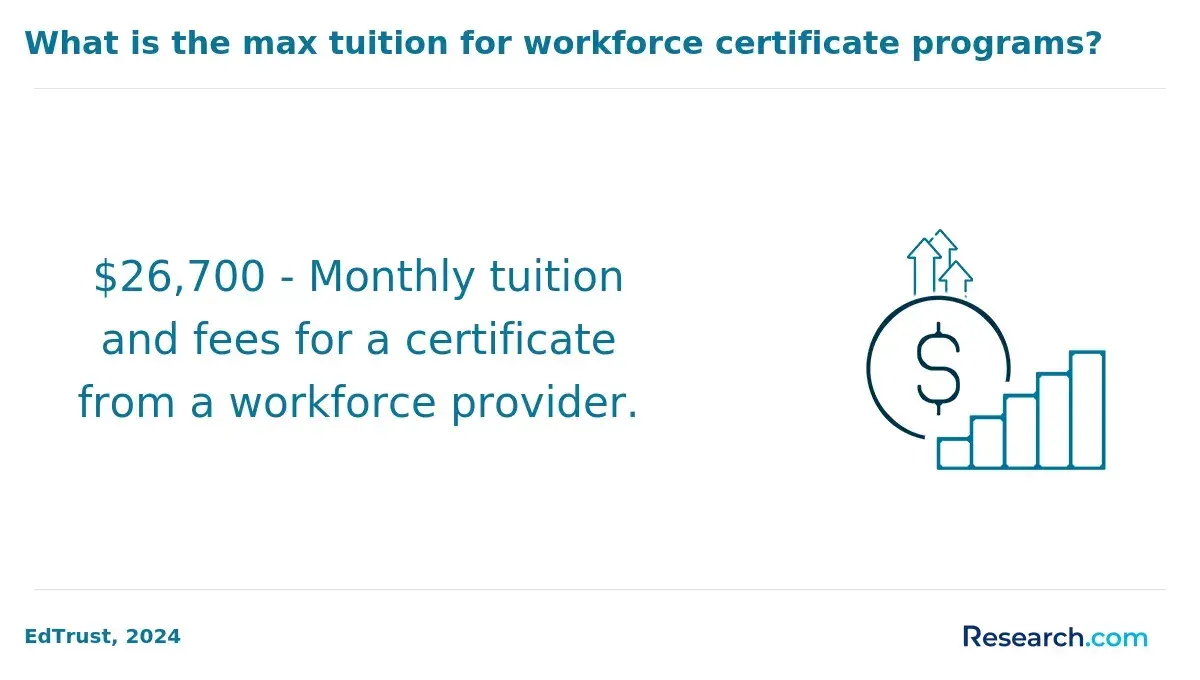
What is the difference between online and campus-based career training programs?
Online career training is often effective for theory-heavy subjects such as billing and coding, business software, legal research, information technology fundamentals, and some design coursework. Campus-based or hybrid formats are usually stronger when students need supervised labs, clinical practice, machinery, tools, shop safety training, or live performance feedback.
The choice should reflect the occupation's training requirements rather than convenience alone. This comparison highlights the trade-off.
| Factor | Online or mostly online | Campus-based or hybrid |
| Schedule | Often more flexible for working adults | Fixed lab, clinic, or shop times are common |
| Hands-on practice | May require local externships or simulations | Direct access to equipment and supervised practice |
| Best-fit fields | Administrative, digital, business, and some IT roles | Trades, patient care, laboratory, and equipment-based roles |
| Licensure preparation | Must be checked carefully by state | May simplify required practical-hour tracking |
| Networking | Depends on virtual support and local placement partners | More face-to-face contact with instructors and employers |
Do not assume an online program is portable across state lines. Ask whether it accepts students in your state, whether required placements are guaranteed or student-arranged, and whether its curriculum meets local licensure rules.
Learners who need a faster degree format rather than a short workforce credential can explore fast track college programs and compare workload expectations with their work schedule.
What admission requirements, prerequisites, and skills are needed for career training programs?
Admissions requirements depend on the provider and the level of training. A noncredit course may require only age verification and payment.
A college certificate or associate degree often requires a high school diploma, GED, or equivalent, while selective healthcare programs may require placement testing, prerequisite science courses, minimum grades, immunizations, drug screening, CPR training, and a background check.
Programs with direct patient care, public safety responsibilities, driving, or access to legal records can impose additional eligibility rules. A criminal record does not automatically prevent enrollment or employment, but it can affect clinical placement, licensing, security clearance, or hiring. Applicants should ask the licensing board or program whether a background issue could limit the intended career before investing.
Successful students commonly need basic digital literacy, communication, punctuality, problem-solving, and the ability to follow safety procedures. Technical programs may also require comfort with measurement, math, documentation, or physical work. Instead of treating admissions as a hurdle alone, use prerequisites as evidence of whether the program realistically prepares students for the work.
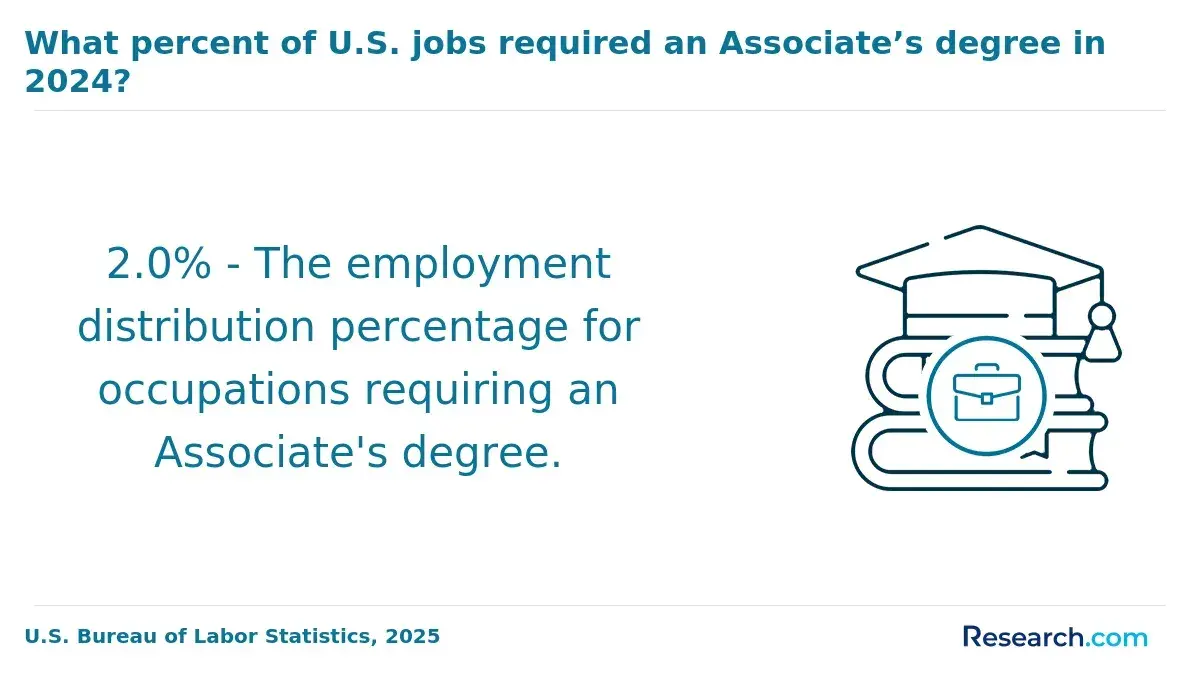
How long do career training programs take, and what do they typically cost?
Career training can take from several weeks to two years or more. Short noncredit courses and exam-prep programs are often the fastest, but may not provide academic credit or meet licensing requirements.
Credit-bearing certificates commonly take several months to about one year of full-time study. Associate degrees generally require about two academic years, though prior credit, prerequisites, clinical sequencing, and part-time attendance can extend that timeline.
Total cost is more than published tuition. The following cost categories help applicants make a realistic comparison without assuming that the lowest tuition is the lowest overall price.
| Cost category | Why it matters | Questions to ask |
| Tuition and mandatory fees | Usually the largest billed expense | Is the quoted price for the full program or one term? |
| Books, software, and supplies | Can be substantial in technical and design programs | Are tools, kits, licenses, or subscriptions included? |
| Clinical, lab, and testing expenses | Common in healthcare and regulated fields | Who pays for screenings, uniforms, exams, and insurance? |
| Transportation and lost work time | Can outweigh tuition for campus or clinical programs | Where are labs, externships, and clinical sites located? |
| Financing cost | Borrowing increases the total paid | What grants, employer benefits, and payment plans are available? |
Federal aid is generally tied to eligible programs at participating institutions; many short noncredit courses are not eligible. Before borrowing, compare grants, workforce-agency support, union or employer tuition benefits, and payment plans.
Students whose long-term target requires a bachelor's degree may also compare 2 year bachelor degree programs rather than paying separately for training that will not transfer.
Employer Confidence in Online vs. In-Person Degree Skills, Global 2024

What core courses and hands-on training can you expect in career programs?
Core coursework varies by field, but reputable programs connect classroom concepts to the tasks employers expect. Trade students may study safety, blueprint reading, measurements, electrical theory, diagnostics, codes, and equipment operation.
Healthcare students can expect anatomy, terminology, ethics, patient safety, documentation, and supervised clinical practice. Legal and criminal justice programs often include writing, procedure, ethics, evidence, and records management. Design programs commonly combine design principles, portfolio work, software, and critique.
Hands-on training is the part to inspect most closely. Ask how many lab, clinical, externship, practicum, or work-based learning hours are included; who supervises them; what equipment students use; and whether the school arranges placements.
Simulation can supplement practice, but it may not replace in-person hours required by an employer, certifying body, or state board.
Artificial intelligence is increasingly part of workplace software, documentation, design tools, and administrative workflows. Favor programs that teach students to use modern tools responsibly, verify output, protect confidential information, and demonstrate foundational skills without relying on automation.
What jobs can you get after completing a career training program?
Completing training can support entry into roles such as medical assistant, practical nurse, dental assistant, pharmacy technician, welder, HVAC technician, automotive technician, electrician apprentice, paralegal assistant, correctional officer, graphic designer, or production artist. Actual eligibility depends on the employer, state, prior experience, background requirements, licensing rules, and the program's curriculum.
Some occupations have a clearer relationship to a specific credential than others. For example, employers may accept a certificate for entry-level medical assisting or HVAC support work, while registered nursing requires approved nursing education and licensure, and attorney roles require substantially more education.
Design hiring may emphasize a portfolio; skilled-trade hiring may emphasize apprenticeship experience and demonstrated safety competence.
For candidates rebuilding their education or work history, program fit matters especially. Some schools and careers have background-related limits, but flexible academic pathways may remain available. Review online degrees for felons alongside employer and licensing-board requirements before deciding on a long-term plan.
What salary ranges and earnings potential do career training program graduates have?
Earnings potential depends primarily on the occupation, geographic area, hours worked, union status, specialty, experience, and licensure, not on a training credential alone. The BLS reported a 2024 median annual wage of $59,190 for all occupations, which is a useful national benchmark but not a prediction for any individual graduate.
Many career-training pathways begin below that benchmark and rise with experience, specialty skills, overtime, commissions, or licensure. Other roles, particularly regulated healthcare and certain technical occupations, may have higher earnings potential but require longer approved education and examinations.
Use local job postings and state wage data to compare entry-level pay with total training cost, commuting needs, and the time you may spend out of work.
A practical return-on-investment check compares the program's full price and likely lost wages during training with realistic local starting opportunities. Avoid schools that present a high occupational median wage as though every student will earn it immediately after completion.
What certifications or licenses are required for careers linked to training programs?
Licenses and certifications are occupation-specific. State licenses are common in practical nursing, registered nursing, cosmetology, electrical work, plumbing, certain imaging roles, and other regulated occupations. Requirements usually include approved education, an application, an examination, background review, and ongoing renewal. Requirements can change and vary by state.
Industry certifications are often voluntary but can strengthen hiring prospects. Examples include EPA Section 608 credentials for technicians who handle regulated refrigerants, CompTIA certifications in information technology, and specialty certifications in coding, welding, project management, or design software. Eligibility rules belong to the issuing organization, not necessarily the school.
Before enrolling, obtain written answers to three questions: Does the curriculum meet exam eligibility rules? Are exam fees included? Does the program track graduates' first-time pass rates? If a school says training "prepares" students for a license or certification, verify whether that means graduates are eligible to apply, not that a credential is guaranteed.
Other Things You Should Know About the Best Career Training Programs
Short noncredit courses and employer training can take weeks, but the fastest option is not always the best choice. If a target job requires clinical hours, an apprenticeship, state approval, or an exam, a longer approved program may be necessary.
They can be worthwhile when the program leads directly to a job requirement, recognized skill, license pathway, or employer-valued credential at a manageable total cost. They are less compelling when the credential is not recognized locally or does not match a specific job target.
Possibly. Eligible credit-bearing programs at participating institutions may qualify for federal aid, while short noncredit programs often do not. Ask about grants, workforce funding, employer tuition assistance, scholarships, and payment plans before borrowing.
No. A certificate usually shows that a student completed an educational program. A professional certification is issued by an independent certifying organization after a person meets its standards, which may include passing an exam or documenting experience.
References
- What are the fastest-growing industries to consider for a career change? - MSU Denver https://www.msudenver.edu/innovative-lifelong-learning/blog/what-are-the-fastest-growing-industries-to-consider-for-a-career-change/
- Trade School vs. College: Weighing cost, timelines & More https://www.midwesttech.edu/resources/careers/trade-school-vs-college-a-guide-to-weighing-your-options/
- Fastest-Growing and Fastest-Declining Industries in United States & Common Jobs in Those Fields - USCI https://www.uscareerinstitute.edu/blog/The-Fastest-Growing-and-Fastest-Declining-Industries-in-the-United-States
- How To Evaluate The Effectiveness Of Training Programs https://elearningindustry.com/how-to-evaluate-the-effectiveness-of-training-programs
- Getting Financial Assistance for Career Training https://ccitraining.edu/blog/getting-financial-assistance-for-career-training/
- Career Training and Trade School Loans https://www.salliemae.com/student-loans/career-training-loan/
- CourseCareers https://coursecareers.com/blog-posts/college-vs-online-career-training