2027 Best Certifications With No SAT or ACT Requirement

Co-Founder and Chief Data Scientist
If you want career training without taking the SAT or ACT, focus on the credential and entry requirement, not a school's name. Many short certificates, industry certifications, apprenticeships, and associate-level programs use a high school diploma, placement testing, prerequisite courses, or no formal academic admission instead.
The U.S. Bureau of Labor Statistics projects healthcare support occupations to grow 15% from 2024 to 2034, illustrating why targeted training can be worth comparing. This guide explains viable programs, costs, timelines, licensing, and how to avoid enrolling in training that does not fit your goal.
Key Things You Should Know
- Most career certificates and industry certifications do not require SAT or ACT scores; trade schools commonly ask for a high school diploma or GED, while some providers have no formal admission requirement.
- Training length ranges from a few weeks for exam preparation to about 6-24 months for many academic certificates. Licenses in healthcare and skilled trades may require approved education, supervised practice, and a separate state exam.
- Compare total cost, required equipment, clinical or lab access, licensing eligibility, and employer recognition before enrolling. A low-tuition program can be a poor value if it does not qualify you for the job or exam you want.
Top 10 2026 Best Certifications With No SAT or ACT Requirement
Popular Trade School Programs
Trade programs typically emphasize supervised, hands-on skill development and usually do not use SAT or ACT scores. Options include welding certificates, HVAC/R certificates, electrical technician training, plumbing training, automotive service technology, diesel technology, and commercial driver training.
A certificate can support entry-level work, but electricians, plumbers, and HVAC technicians often need an apprenticeship, employer training, or state/local licensing before independent practice. Choose a campus or hybrid format when lab hours are essential; fully online theory courses alone are rarely enough for equipment-intensive work.
Healthcare Programs
Common no-test-entry pathways include medical assisting, phlebotomy, pharmacy technician, dental assisting, practical nursing, and medical billing and coding certificates. Programs may require a diploma/GED, immunizations, background checks, drug screening, CPR training, and prerequisite science courses rather than SAT or ACT results.
A school certificate is not automatically a professional certification or license. For example, practical nurses must meet state licensing requirements and pass the NCLEX-PN. Verify that clinical placements are included and that the curriculum meets the requirements of the intended certifying body or state board.
Criminal Justice / Law Programs
Paralegal studies, legal assistant, court reporting, cybersecurity, private security, and corrections certificates can provide focused career preparation without SAT or ACT submission. A paralegal certificate may suit people who already hold a degree or have office experience, while an associate degree can provide a broader entry route.
Requirements for law enforcement, security work, and court-related roles vary by employer and jurisdiction and may include background investigations, physical standards, academy training, or licensing. Confirm whether the program is academic, career-focused, or designed for a specific credential exam.
Arts & Design Programs
Graphic design, digital media, web design, photography, animation, UX design, and fashion certificates generally value a portfolio more than SAT or ACT scores. Noncredit programs can quickly build software skills, while credit-bearing certificates may be stackable toward an associate degree.
For creative careers, review student portfolios, software access, instructor feedback, and opportunities to complete real projects. A certificate is most useful when it produces work samples that match the jobs you seek; for highly competitive design roles, a stronger portfolio or degree may still be needed.
Which certifications lead to the best jobs?
The best option is the one that meets a specific employer, certification, or licensing requirement at a cost and pace you can sustain.
A short program is often strongest for occupations with a defined entry credential, such as commercial driving, welding, medical assisting, or IT support. For roles that require extensive clinical education, a degree, or a state license, short training may only be a first step.
The comparison below separates educational certificates from professional certifications and shows why the distinction matters when assessing job readiness.
| Path | What you earn | Best for | Important limitation |
| Academic certificate | School-issued educational credential | Structured entry-level technical or healthcare training | May not include a required professional exam or license |
| Industry certification | Credential from a certifying organization, often after an exam | IT, project management, bookkeeping, and other skills employers can verify | May require prior experience, renewal, or separate training |
| Apprenticeship | Paid work-based training, sometimes with a credential | Electrician, plumbing, manufacturing, and other skilled trades | Usually takes longer than a standalone certificate |
| Associate degree | College degree with general education and major coursework | Careers needing wider academic preparation or future transfer options | Usually costs and takes more than a certificate |
For faster options, review certificate programs that pay well, then verify that the specific program includes the practical training and exam preparation required in your state. The BLS projects wind turbine service technicians to grow 50% from 2024 to 2034, but this is an occupational outlook, not a promise that any certificate holder will obtain a job.
Which programs require only a high school diploma?
Programs that commonly require only a high school diploma or GED include many trade certificates, commercial driver training, medical assisting and phlebotomy programs, pharmacy technician training, basic IT certificates, and entry-level business software programs.
Some providers also accept applicants without a diploma but may require an ability-to-benefit assessment, placement test, or adult education coursework.
Do not confuse an admission requirement with a hiring requirement. Employers, licensing boards, and certifying organizations can impose additional conditions after completion. The following checks help identify whether a diploma-only pathway is truly practical.
- Read the provider's admission page to confirm that SAT and ACT scores are not required.
- Check for prerequisites such as algebra, anatomy, a driver's license, age minimums, or background screening.
- Ask whether the credential qualifies graduates to sit for a certification or licensing examination.
- Confirm whether the credential is credit-bearing and can apply toward an associate or bachelor's degree later.
If your long-term goal changes toward graduate study, a certificate will not replace undergraduate degree prerequisites. Compare easy masters programs only after confirming the bachelor's degree and admissions requirements involved.
Are online certifications as credible as campus programs?
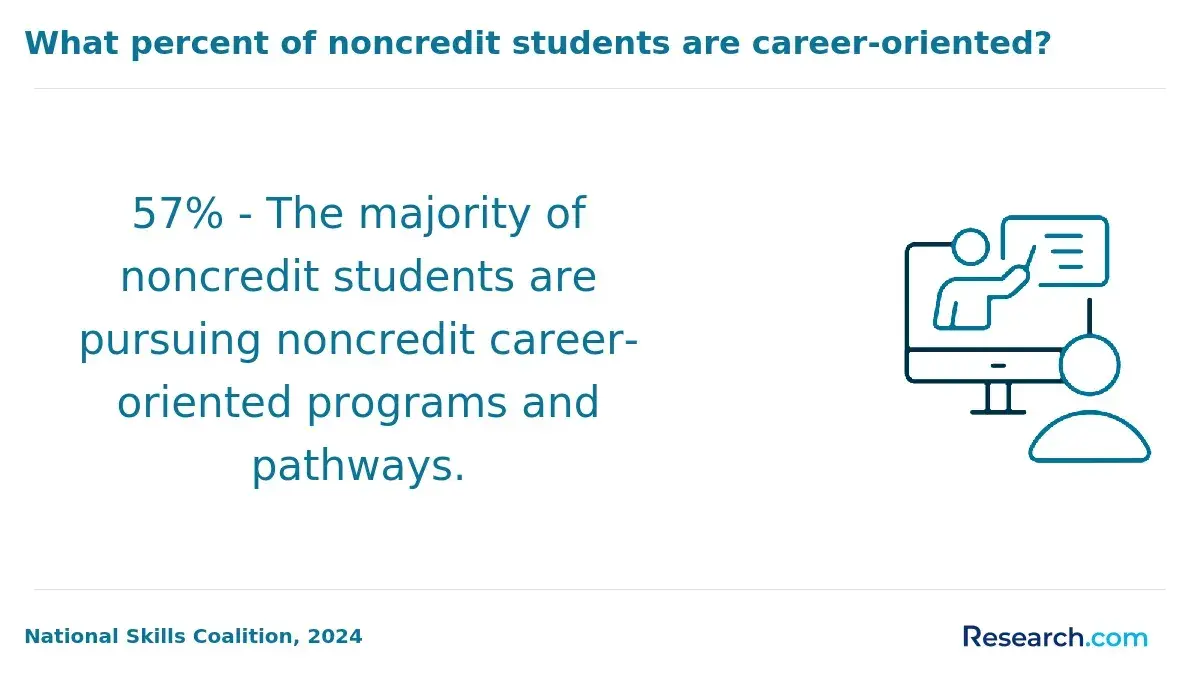
Online certifications can be credible when the issuer is recognized by employers and the assessment verifies the advertised skill. Examples include vendor certifications in technology and credentials earned through established professional associations.
An online academic certificate can also be credible when issued by an appropriately accredited college and when its curriculum meets the relevant career or transfer purpose.
Online delivery is less suitable when a field requires clinical rotations, shop work, live patient contact, or monitored skills demonstrations. Hybrid programs may combine online lectures with local labs or clinical placements, but students should confirm who arranges the placement and whether travel is required.
Before paying, evaluate these signals of credibility:
- For college certificates, verify the institution's recognized institutional accreditation and whether the program itself has specialized approval when the field requires it.
- For professional certifications, identify the issuing organization, exam format, renewal rules, and employer demand in your target area.
- Review whether instructors have current field experience and whether the program provides proctored assessments, labs, or portfolio feedback.
- Be cautious of providers that promise guaranteed employment, license eligibility without naming the state, or instant credentials with no meaningful assessment.
Employer Confidence in Online vs. In-Person Degree Skills, Global 2024

How much do certificate programs cost?
Costs vary more by provider, equipment, clinical requirements, and location than by the words "certificate" or "certification." A self-paced exam-preparation course may cost far less than a college certificate with labs, while required tools, uniforms, books, testing fees, background checks, transportation, and lost work time can materially change the total.
Use this cost comparison to separate advertised tuition from the expenses that determine your actual investment.
| Program type | Typical cost pattern | Common additional expenses | Value question to ask |
| Short online training | Usually lower tuition and flexible payment options | Exam voucher, software, proctoring | Does the issuer's credential matter to local employers? |
| Community college certificate | Per-credit tuition plus institutional fees | Books, labs, tools, transportation | Are credits transferable or stackable into a degree? |
| Private career school | Program-price tuition, often with financing offers | Equipment, certification tests, licensing fees | What is included in the enrollment agreement? |
| Apprenticeship | May have low direct tuition while participants earn wages | Tools, union or application fees, travel | Is the apprenticeship registered and recognized in the trade? |
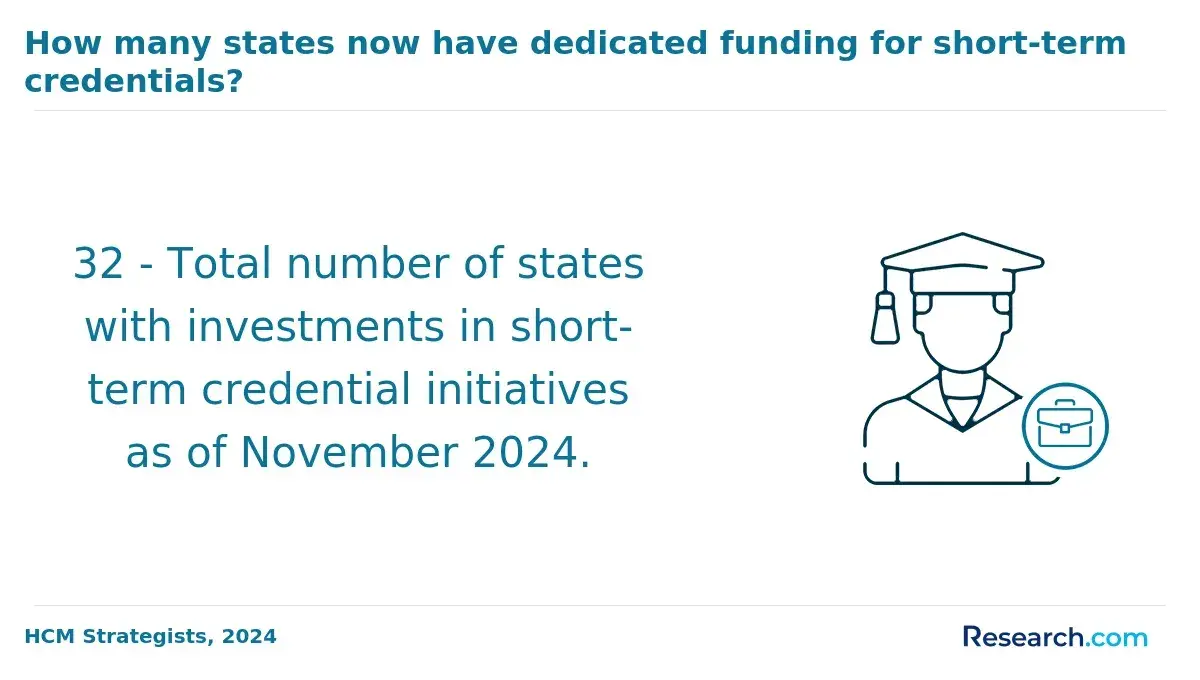
For a very short format, compare the provider, assessment, and total fee, not just the advertised timeline, when considering 6 week certification programs online. Federal student aid may be available for eligible programs at participating schools, but many noncredit courses and third-party certifications are not eligible; ask the provider's financial aid office rather than assuming aid applies.
How long do these certification programs take?
Completion time depends on whether training includes academic credits, clinical hours, lab work, an internship, or an exam-preparation period. Self-paced professional certificates may take weeks, while credit-bearing certificates often take one or two academic terms. Healthcare and trade pathways requiring supervised practice can take longer even when classroom instruction is brief.
Choose speed only after confirming what the schedule includes. An accelerated program can work for a learner with flexible daytime availability, but a part-time evening program may be safer for someone balancing work or caregiving.
Ask whether published duration assumes full-time enrollment, whether missed labs can be made up, and how long graduates typically wait for clinical placements or a licensing exam.
A short certificate is not necessarily a shortcut to a regulated occupation. If the target role requires an apprenticeship or a state license, plan for the full pathway from enrollment through supervised experience and examination.
What coursework is included in certification programs?
Coursework should match the work you expect to do, not merely deliver a completion document. Academic certificates often combine foundational theory, occupational coursework, and practical assessment. Industry-focused programs may concentrate on a vendor platform, exam objectives, or a portfolio.
Typical curriculum components vary by field:
- Trade programs may include safety procedures, tool use, blueprint reading, electrical or mechanical fundamentals, and supervised lab practice.
- Healthcare programs may include medical terminology, anatomy, patient privacy, infection control, documentation, and clinical experience where required.
- IT programs may include hardware, networking, cloud tools, cybersecurity basics, scripting, troubleshooting, and certification-exam preparation.
- Business and design programs may include spreadsheets, project workflows, software applications, communication, design principles, and portfolio projects.
Request a course sequence and ask what percentage of instruction is hands-on. A program that teaches only test terminology may be adequate for an entry-level exam, but it may not develop the practical competence employers expect.
Which certifications need licensing or exams?
Licensure is government permission to practice a regulated occupation; certification is usually a credential granted by a nongovernmental certifying body. A school certificate can prepare you for either, but it does not automatically grant either one.
Fields where licensing or an exam is commonly relevant include practical nursing, cosmetology, dental hygiene, commercial driving, real estate, electrical work, plumbing, and certain security roles. Requirements differ by state and can include approved education, criminal-background review, age requirements, clinical or supervised hours, an examination, and continuing education.
Use these questions before selecting a program:
- Which exact license or certification is required for the intended job in the state where you plan to work?
- Is the school approved by the applicable board, agency, or recognized certifying organization?
- Does tuition include required exam preparation, clinical placement, and the first testing fee?
- What conditions besides graduation must be met before you can apply?
A provider should answer these questions in writing. Treat vague claims such as "license-ready" as a red flag unless the program identifies the relevant board and eligibility standard.
What salaries do certificate careers offer?
Occupational wages reflect the job, location, experience, schedule, and employer, not simply the certificate a person completed. Use wage data to evaluate whether a target occupation can support your goals, then confirm that the credential is a recognized route into that occupation.
The BLS reported a 2024 median annual wage of $65,380 for electricians, $59,210 for licensed practical and licensed vocational nurses, and $60,340 for paralegals and legal assistants.
These figures are national occupation medians, so local pay and entry-level offers can differ substantially. Electricians typically learn through an apprenticeship; an electrical certificate alone may not meet licensing or employer requirements.
If salary is your main decision criterion, compare certificate pathways with degree-based alternatives using the best degrees to make money. A longer degree can expand access to some occupations, but it may carry higher tuition and opportunity costs than targeted training.
How do you choose an accredited program?
Accreditation matters most when you need federal aid eligibility, transferable college credit, clinical placement, a state license, or eligibility for a professional exam. Institutional accreditation evaluates a college as a whole; specialized or programmatic approval can be necessary in fields such as nursing, allied health, and some technical education.
Third-party certification providers are not colleges, so their value rests on the reputation of the issuing organization and employer recognition rather than college accreditation.
Use a documented comparison process before signing an enrollment agreement:
- Start with the job title, then identify its mandatory license, certification, degree, or apprenticeship requirements.
- Confirm the provider's approval, accreditation, or industry recognition with the relevant regulator, certifying body, or employer, not only the provider's marketing materials.
- Request the complete cost of tuition, supplies, exam fees, clinical requirements, and financing charges in writing.
- Compare curriculum, schedule, instructor qualifications, practical training, completion policies, and refund terms.
- Ask local employers whether they recognize the credential and what entry-level applicants must show.
Common mistakes include choosing the cheapest option without checking exam eligibility, assuming online study satisfies hands-on requirements, and treating a completion certificate as a license. The best program is the least expensive credible route that meets your actual job requirement, not simply the fastest advertised program.
Other Things You Should Know About the Best Certifications
Some college-based certificate programs may request standardized scores or use placement testing, but many do not. Career schools, noncredit providers, apprenticeships, and industry certification programs generally focus on other eligibility requirements, such as age, a diploma/GED, prerequisites, or an exam.
Yes, for some entry-level technical, trade, healthcare support, administrative, and IT roles. The result depends on the occupation, local employer requirements, your practical skills, and whether a license or professional certification is required. Some careers require an apprenticeship or degree in addition to a certificate.
A certificate is usually better when you need focused, lower-cost training for a defined role and do not need broad college coursework. An associate degree may be better when employers prefer it, a license requires it, or you want transferable credits and a path to a bachelor's degree.
Confirm the provider's accreditation or regulatory approval when relevant, review the complete enrollment agreement, verify eligibility for any required licensing exam, and ask local employers whether they recognize the credential. Avoid programs that guarantee jobs, hide fees, or make unclear claims about licensing.
References
- SAT and ACT Policies and Score Ranges for Popular Colleges and Universities https://www.compassprep.com/college-profiles/
- List of Colleges Dropping & Reinstating ACT/SAT Requirements https://progresslearning.com/news-blog/colleges-dropping-reinstating-act-sat-requirements/
- 15 Jobs That Only Require a Certificate (and Pay Well!) | The Muse https://www.themuse.com/advice/jobs-that-only-require-a-certificate
- 80 Highest Paying Jobs without a Degree (Over $50k) - USCI https://www.uscareerinstitute.edu/blog/80-Jobs-that-pay-over-50k-without-a-degree
- Find Test-Optional Colleges - No SAT/ACT Requirement https://www.accreditedschoolsonline.org/online-colleges/no-sat-or-act/
- The Return of Standardized Testing: Which Top Colleges Require SAT/ACT https://orieladmissions.com/colleges-require-sat-act/
- Why You Should Submit Scores to Test-Optional Schools https://www.c2educate.com/submit-scores-test-optional-schools/