2027 Best Online Certificate Programs for Parents

Co-Founder and Chief Data Scientist
Parents choosing a short online program need more than a flexible schedule: they need training that fits childcare demands and leads toward a realistic goal. The U.S. Bureau of Labor Statistics projects medical assistant employment to grow 12% from 2024 to 2034, faster than the average for all occupations. This guide compares practical certificate paths, explains costs and credential rules, and helps parents identify programs worth their time, money, and family coordination.
Key Things You Should Know
- Choose a certificate based on the job's actual entry requirements: some roles accept short career training, while clinical, legal, and skilled-trade work may require exams, supervised practice, licensure, or an associate degree.
- Flexible does not always mean self-paced. Parents should confirm live-session times, externship hours, lab requirements, exam windows, and whether coursework can be completed around school and childcare schedules.
- Career outlook varies widely: BLS projects medical assistant employment to grow 12% from 2024 to 2034, but a certificate alone does not guarantee employment, certification, licensure, or that wage level.
Top 10 Best Online Certificate Programs for Parents
Popular Trade School Programs
Online trade certificates work best for the classroom portion of a hands-on field, not as a replacement for required shop practice. Parents may consider construction estimating, HVAC fundamentals, electrical theory, welding technology, automotive service advising, or logistics certificates. HVAC, electrical, welding, and automotive programs commonly require campus labs, local partnerships, or apprenticeships before learners can develop job-ready practical skills. Choose a fully online option for estimating, drafting software, safety, or supply-chain work; choose a hybrid program when the target occupation requires supervised equipment use.
Healthcare Programs
Healthcare certificates can include medical billing and coding, pharmacy technician preparation, medical assisting, dental assisting, sterile processing, and practical nursing prerequisites. Billing and coding may be completed online, although employers may prefer an industry certification. Medical assisting and similar patient-care programs require clinical placements, immunizations, background checks, and hands-on competency evaluation; they are rarely fully online. Parents seeking the shortest remote option should consider administrative healthcare training, while those seeking direct patient care should plan for daytime clinical hours and state-specific rules.
Criminal Justice / Law Programs
Relevant online options include paralegal studies, legal research, victim advocacy, corrections, cybersecurity fundamentals, and criminal justice certificates or associate degrees. A paralegal certificate may strengthen office and research skills, but it does not authorize someone to practice law or guarantee eligibility for a particular employer. Parents interested in public safety should check agency hiring standards before enrolling, since police, corrections, and court roles may require fitness testing, background screening, academy training, or a degree. Online study is especially suitable for legal writing and theory-based coursework.
Arts & Design Programs
Parents who need portfolio-focused, remote-friendly training can explore graphic design, digital marketing design, UX design, web design, photography editing, animation, or digital media certificates. These programs differ from occupational licensing paths because employers often evaluate samples of work more than a particular credential. A short certificate can provide structure and software practice, but it should produce a portfolio aligned with the jobs sought. Before enrolling, verify software costs, instructor feedback, portfolio reviews, and whether the curriculum reflects current tools rather than relying only on recorded tutorials.
What Are Online Certificate Programs for Parents?
Online certificate programs for parents are short, focused learning programs designed to build a defined academic, technical, or job-related skill without completing a full degree. They may be offered by community colleges, universities, trade schools, healthcare training providers, or industry platforms. Their value depends on the provider, the field, and whether the credential is credit-bearing, recognized by employers, or connected to a required exam.
A certificate is not the same as a certification. A certificate documents completion of education or training. A certification is awarded by a professional organization after a candidate meets its standards, which may include an exam, work experience, or continuing education. Some certificate programs prepare learners for an external certification exam, but completion alone does not mean the learner is certified.
Parents who want a shorter route into a new field can compare online certification programs alongside academic certificates. The best fit is usually a program with predictable weekly workload, recorded content where appropriate, clear support services, and a credential that matches the employer or licensing requirement.
The comparison below separates common program models so parents can avoid paying degree-level prices for a noncredit course when academic credit, transferability, or licensure preparation is their real goal.
| Program type | Typical provider | Best for | Key limitation |
| Credit-bearing academic certificate | College or university | Building college credit or a stackable path | Transfer acceptance is never automatic |
| Career-training certificate | Career school or community college | Focused entry-level technical preparation | May not carry academic credit |
| Professional certificate | University or industry provider | Skill development and portfolio building | Employer recognition varies by field |
| Certification-prep program | College, training provider, or association | Preparing for a separate credentialing exam | May not meet exam eligibility by itself |
Which Online Certificate Programs Need Accreditation?
Accreditation matters most when a certificate leads toward regulated practice, academic credit, federal student aid eligibility, or an industry-recognized pathway. Institutional accreditation applies to the college as a whole. Programmatic accreditation applies to particular disciplines and can be important for health professions, technical education, and some legal studies pathways.
For a noncredit program in software, design, bookkeeping, or digital marketing, formal programmatic accreditation may be less important than transparent curriculum, qualified instructors, employer relevance, and verifiable outcomes. For medical assisting, nursing-related training, dental programs, and other clinical fields, parents should confirm that the program meets state rules and any accreditor or exam sponsor requirements before paying a deposit.
Check accreditation directly through the U.S. Department of Education or Council for Higher Education Accreditation databases, then ask the school whether the exact online format and clinical arrangement are covered. A school's general accreditation does not automatically mean every certificate meets a licensing board's educational standard.
How Do Online and Campus Certificates Compare?
Online and campus certificates can cover the same curriculum, but they create different scheduling, networking, and practical-training trade-offs. Online study is usually strongest for theory, administrative skills, technology, business, law-related coursework, and digital portfolio development. Campus or hybrid delivery is often stronger when instructors must observe clinical procedures, tool use, laboratory work, or performance-based skills.
Parents comparing formats should look beyond the word "online." The following factors show whether a program is genuinely compatible with family responsibilities.
| Factor | Online certificate | Campus or hybrid certificate |
| Scheduling | May offer asynchronous coursework | Usually has fixed meeting or lab times |
| Hands-on learning | Limited unless local placement is arranged | More direct equipment and instructor access |
| Childcare planning | Often easier for coursework | Needed for labs, clinicals, and commutes |
| Networking | Requires intentional virtual outreach | More in-person peer and employer contact |
| Best use | Remote-friendly or knowledge-based roles | Licensed and hands-on career preparation |
Parents who may ultimately need a longer credential can compare flexible online colleges and ask whether the certificate credits apply to an associate or bachelor's degree. A stackable credit certificate can be a sensible starting point when family finances or available study time make a full degree unrealistic right now.
What Are the Admission Requirements for These Programs?
Admission requirements depend on the credential type. Many noncredit professional certificates use open enrollment and require only payment, basic technology, and readiness for the course. College-based certificates commonly require an application, identity documentation, high school completion or equivalent, and placement information when learners take college-level English or math. Competitive clinical programs may add prerequisites, minimum grades, background screening, health records, drug testing, and CPR training.
Before applying, parents should request a written checklist. This is especially important if a program advertises rapid entry but delays participation until a clinical site, background check, or prerequisite course is completed.
- Identify the target job and confirm its education, certification, and licensing requirements with employers or the relevant state board.
- Ask whether the certificate is credit-bearing, whether credits are transferable, and whether prior learning or transfer credit can reduce coursework.
- Confirm asynchronous versus scheduled class hours, required campus visits, externships, and the deadline for completing them.
- Calculate the full admission-to-completion cost, including supplies, exams, background checks, software, travel, and childcare.
How Long Do Online Certificate Programs Take?
Online certificate length ranges from a few weeks for a narrowly scoped noncredit course to about one year or longer for a college certificate with multiple classes. A parent should treat advertised completion time as a best-case academic timeline, not a promise. Self-paced programs can be fast for learners with uninterrupted study time, while cohort programs provide structure but may have fixed assignment and attendance deadlines.
Clinical, internship, practicum, and certification-exam requirements can extend the calendar beyond coursework. Programs that advertise "100% online" may still require learners to secure local placements, which can be difficult to schedule around work and school pickup times.
A practical planning rule is to map the weekly workload against family commitments before enrolling. Choose part-time study if the program permits it and the career goal does not require immediate entry; choose an accelerated format only when dependable childcare, technology, and study blocks are already in place.
How Much Do Online Certificate Programs Cost?
Cost varies more by provider and program type than by the word "online." A college certificate may charge tuition by credit plus fees, while a noncredit provider may quote one bundled price. Neither price tells the full story unless parents include books, equipment, proctoring, licensing or certification exams, required uniforms, clinical compliance items, and travel for any in-person component.
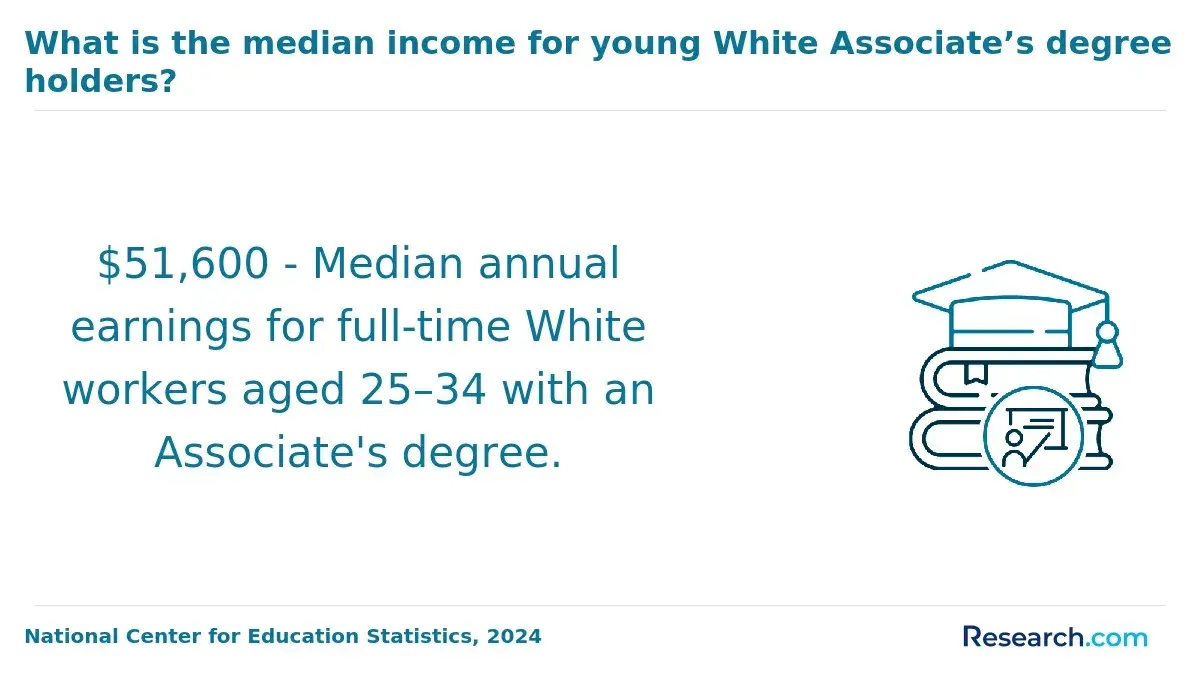
Parents considering an academic route can compare certificate costs with related online degrees. An associate degree usually requires a larger time and tuition commitment, but it may be the better value when the target occupation requires a degree or when certificate credits do not transfer.
Use the following cost categories to compare written estimates from schools rather than relying on a tuition headline.
- Tuition or program fee, including whether the price is per credit, per course, or all-inclusive
- Required technology, software subscriptions, textbooks, kits, tools, and lab materials
- External exam, application, background-check, immunization, and licensing expenses
- Transportation, parking, clinical travel, and childcare during required in-person hours
- Lost income or reduced work hours during intensive labs, practicum, or externship periods
Federal aid eligibility is generally tied to eligible programs at participating institutions and is not universal for short certificates or third-party courses. Ask the financial aid office about eligibility, then compare employer tuition assistance, workforce grants, scholarships, payment plans, and the consequences of borrowing for a credential with uncertain transfer value.
What Careers Can Parents Pursue After Certification?
Certification can support a career transition, advancement in a current role, or a first step toward a degree. The right outcome depends on what the certificate teaches and what employers require. Administrative certificates may support applications for office, customer support, billing, scheduling, bookkeeping, or entry-level technology roles. Clinical certificates may support eligibility for specific support roles only when required practical training and state rules are met.
Parents seeking work that can better fit home responsibilities should distinguish remote-capable work from guaranteed remote work. Skills in bookkeeping, coding, digital design, project coordination, IT support, and customer operations may be useful in remote-capable settings; explore related degrees for remote jobs if a certificate is not enough for the roles you want.
The table shows how to match a certificate to a realistic next step rather than assuming every program leads directly to the same career level.
| Career direction | Potential certificate focus | Important reality check |
| Healthcare administration | Billing, coding, medical office support | Employers may prefer experience or an external certification |
| Direct patient support | Medical assisting, dental assisting, pharmacy technician | Clinical training and state or employer rules may apply |
| Business operations | Bookkeeping, office administration, project tools | Portfolio and practical software skill can matter more than course completion |
| Technology support | IT support, cybersecurity fundamentals, web development | Entry-level competition can be substantial; projects and certifications may help |
| Creative services | Graphic design, UX, digital media | A strong portfolio is usually essential |
What Salaries and Job Outlook Apply to These Careers?
Occupational wage data is useful for comparing fields, but it is not a forecast of what a certificate completer will earn. Pay varies by state, experience, employer, schedule, industry, and whether the role requires a license, degree, or external certification. The BLS reported a 2024 median annual wage of $44,200 for medical assistants, while projecting 12% employment growth from 2024 to 2034. That makes the field worth investigating for qualified parents, not an assurance that a short online program alone meets hiring requirements.
Use wage and outlook data as a screening tool: compare the occupation's entry requirements with the exact certificate, then estimate how long it may take to gain the experience employers request. Faster-growing occupations can still have competitive local hiring, and a higher median wage may reflect education or experience beyond a certificate.
AI and automation are also changing entry-level work. Routine administrative tasks may be increasingly software-assisted, so parents should favor programs that teach judgment, communication, workflow tools, data accuracy, ethical use of technology, and work samples - not just repetitive task steps.
How Do You Choose a Reputable Online Certificate Program?
A reputable online certificate is transparent about what learners receive, what they must do in person, and what the credential does not qualify them to do. Start with the target job, then work backward to the minimum education, certification, and licensing requirements. Do not choose based solely on an attractive completion timeline or a claim that a credential is "recognized."
Before submitting an application, use these checks to compare finalists and expose expensive mismatches.
- Verify institutional and, where relevant, programmatic accreditation through official databases rather than relying on a school logo or marketing language.
- Ask for the complete curriculum, instructor qualifications, total cost, refund policy, and a written list of all required materials and third-party fees.
- Confirm whether clinicals, internships, labs, or proctored exams are required and who is responsible for arranging the placement.
- Check whether the program prepares for a named certification or license, then verify eligibility rules directly with the exam sponsor or state board.
- Request transfer and stackability policies in writing if future college credit matters to your plan.
- Review local job postings to see whether employers request the certificate, a degree, experience, software skills, or a separate certification.
Red flags include pressure to enroll immediately, vague job-placement claims, no published faculty or curriculum, unclear refund terms, and promises of licensure without naming the relevant board. The strongest choice is not necessarily the shortest or cheapest one; it is the program whose format, total cost, recognition, and required outcomes match your family schedule and career target.
Other Things You Should Know About
Yes, particularly in asynchronous programs, but check weekly deadlines, group projects, live sessions, and required practicum hours. A part-time schedule is often more sustainable when childcare coverage is limited.
Employers usually care most about the provider's credibility, the skills taught, relevant work samples, and whether the role requires a recognized certification or license. For regulated careers, verify requirements before enrolling.
It can build skills used in remote-capable roles, such as bookkeeping, IT support, design, and administrative operations. It does not guarantee remote work because employers set location, experience, and hiring requirements.
Choose a certificate for a focused, lower-commitment skill goal when employers accept it. Choose an associate degree when the occupation requires it, when you want broader career options, or when transferable college credit is important.
References
- Professional Preparation and Recognition https://npen.org/professional-preparation
- Parenting Program Comparison - Gordon Training International https://www.gordontraining.com/parenting-program-comparison/
- Online Divorce Education: Choosing the Right Parenting and Co-Parenting Course https://twofamiliesnow.com/blog/!/3/online-co-parenting-classes
- Child Development Courses Online | The Kid's Directory https://www.kids-houston.com/child-development-courses-online/
- Online Parent Education and Family Stabilization Course https://courseforparents.com/
- How to Choose the Online Parenting Class that's Right for Your Family https://www.positiveparentingsolutions.com/how-to-choose-online-parenting-course/
- Parent Education Program Overview https://azcourthelp.org/browse-by-topic/custody-information/pip
- Positive Discipline Association https://positivediscipline.org/parent-educator-training
- Online Co-Parenting Classes - 2, 4, 6, 8, 10 and 12 Hour starting at $29.99 https://www.onlineparentingprograms.com/
- Frequently Asked Questions https://courseforparentingskills.com/frequently-asked-questions