2027 Best Online Certificate Programs With Year-Round Enrollment

Co-Founder and Chief Data Scientist
Choosing an online certificate is difficult when "start anytime" marketing hides differences in accreditation, clinical requirements, transfer credit, and career value. Year-round enrollment can shorten the wait to begin, but it does not eliminate course schedules or licensing rules.
The U.S. Bureau of Labor Statistics projects healthcare occupations to grow much faster than average from 2023 to 2033, making career-focused training especially relevant. This guide helps prospective students compare certificate types, verify outcomes, estimate total costs, and select an option that fits their target job.
Key Things You Should Know
- Year-round enrollment usually means multiple start dates or rolling admissions, not self-paced study; confirm the next cohort date, course sequence, and whether required classes are available every term.
- For regulated careers, online coursework alone may not qualify you: clinical placements, supervised hours, state approval, and a separate licensing or certification exam can still be required.
- Compare total cost and career fit, not speed alone. BLS projects healthcare occupations to grow much faster than average from 2023 to 2033, but entry requirements vary substantially by role.
Top 10 Best Online Certificate Programs With Year-Round Enrollment
Popular Trade School Programs
Year-round online trade options commonly include construction management, HVAC theory, electrical technology, welding fundamentals, automotive service, drafting, and industrial maintenance certificates. These work best for learners who need flexible academic instruction while gaining hands-on practice locally.
Programs involving tools, equipment, or safety competencies are often hybrid because employers and licensing bodies may require supervised lab work. Choose a short certificate for foundational skills or an associate degree when you want broader general education and a pathway to advancement. Confirm whether the program prepares you for an industry exam, apprenticeship, or employer-required credential.
Healthcare Programs
Online healthcare certificates may cover medical billing and coding, health information technology, pharmacy technician theory, medical assisting coursework, or healthcare administration. Billing, coding, and administrative programs are often fully online, while patient-care programs usually require in-person labs, background checks, immunizations, and clinical placements.
A certificate is education; it may prepare you for a separate certification examination but does not itself create a professional license. Before enrolling, verify that the curriculum meets the expectations of the relevant certifying organization and, for clinical roles, your state board. Ask who arranges clinical placement and whether fees are included.
Criminal Justice / Law Programs
Year-round online certificates in criminal justice, legal studies, paralegal studies, cybersecurity law, and court administration can build knowledge for support roles or degree pathways. They are useful for working adults seeking an introduction to legal systems, report writing, ethics, or public safety administration.
However, a paralegal certificate does not authorize someone to practice law, and law-enforcement hiring commonly includes agency-specific fitness, background, and academy requirements. Choose a credit-bearing college certificate if future degree transfer matters; choose focused professional training when a specific employer skill is the goal. Review local hiring standards before paying tuition.
Arts & Design Programs
Online certificates in graphic design, digital media, UX design, web design, photography, animation, and interior design can help learners develop a portfolio quickly. Year-round starts are particularly useful when software-based coursework can be completed remotely.
Portfolio quality, software fluency, and client-facing experience often matter as much as the credential for creative entry-level work. A certificate can be a practical choice for career changers who already hold a degree; an associate degree may suit learners needing broader foundations. Check whether software subscriptions, equipment, critiques, and portfolio reviews are included in the stated price.
What are online certificate programs?
An online certificate program is a structured course of study that awards an educational credential after completion. Colleges, universities, community colleges, and career-training providers offer them. It is not the same as a professional certification, which is typically awarded by an industry body after an exam and sometimes verified work experience.
Programs vary widely. A credit-bearing undergraduate certificate may later apply toward an associate or bachelor's degree; a noncredit professional certificate generally does not.
Learners seeking a longer academic route can compare easy associate degrees when they need general education coursework, broader transfer potential, or qualifications beyond a short program.
| Option | Best for | Typical recognition | Important limitation |
| Credit-bearing college certificate | Career entry or future degree study | College transcript; may be stackable | Transfer acceptance is decided by the receiving school |
| Noncredit career certificate | Focused job skills and faster training | Provider-issued completion credential | Usually does not carry academic credit |
| Professional certification | Demonstrating industry competence | Certifying organization credential | May require an exam, renewal, or work experience |
How do you choose an accredited online certificate program?
Choose accreditation and approval based on the job you want, not on a school's advertising language. Institutional accreditation is especially relevant for credit-bearing college programs, federal student aid eligibility, and credit transfer. Programmatic approval can be more important in regulated fields such as nursing, medical assisting, and some technical occupations.
Use the following checks before applying. They help identify whether a year-round online option will be useful after completion:
- Identify the exact target role and determine whether it requires a license, certification exam, apprenticeship, degree, or clinical hours.
- Verify the institution's accreditation and any program-specific approval directly with the accreditor, state board, or certifying organization.
- Request the published curriculum, total fees, delivery format, completion policy, and clinical or lab arrangements in writing.
- Ask whether credits transfer, whether the certificate stacks into a degree, and whether courses are offered every session.
- Compare career services, employer relationships, and outcomes disclosures without treating outcomes as guarantees.
If your goal is graduate-level advancement rather than entry-level training, review what is the easiest masters degree carefully; admissions standards and academic workload differ from certificate programs.
Common red flags include vague claims that a program is "accredited" without naming the accreditor, promises of guaranteed employment, pressure to enroll before reviewing disclosures, and unclear statements about licensure eligibility. A school should be able to explain exactly what credential you earn and what it does not qualify you to do.
What admission requirements do online certificate programs have?
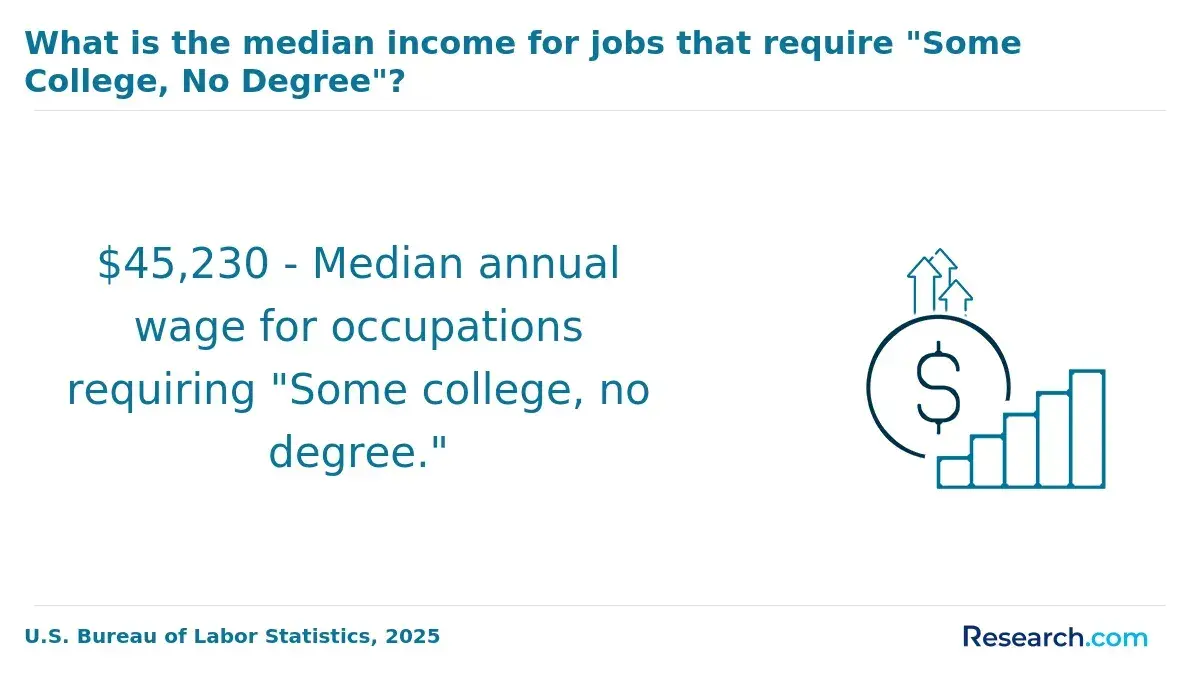
Admission requirements depend on provider and credential level. Many noncredit career certificates use a simple registration process and may require only proof of age or education.
Credit-bearing undergraduate certificates commonly require a high school diploma, GED, or equivalent, while graduate certificates generally require a bachelor's degree. GPA, placement testing, transcripts, technology checks, and prerequisite courses are program-specific rather than universal.
Applicants with a criminal record should review both school admission policies and occupational restrictions before enrolling. Some institutions specifically serve this population; explore online colleges that accept felons while also checking whether a licensing board or employer background review could affect the intended role:
| Program type | Common entry requirement | Extra screening that may apply |
| Noncredit professional certificate | Registration and payment | Prerequisite skills or software access |
| Undergraduate certificate | High school completion and application | Placement, transcripts, or course prerequisites |
| Healthcare clinical certificate | Academic admission requirements | Background check, immunizations, drug screen, clinical compliance |
| Graduate certificate | Bachelor's degree and transcripts | Relevant coursework or professional experience |
How long do online certificate programs take?
Online certificates can take from a few weeks to roughly one year or more, depending on credit count, prerequisites, course sequencing, and whether labs or clinical hours are required. Year-round enrollment can reduce the time between deciding and starting, but it does not necessarily reduce the instructional time needed to master competencies.
Before choosing an accelerated schedule, compare the workload with your available time. Learners who need a graduate credential on a compressed timeline can also review fastest masters degree options, which are a different academic commitment from a short certificate.
| Schedule model | How year-round enrollment helps | Trade-off |
| Rolling enrollment | May allow frequent or immediate starts | Often requires strong self-management |
| Multiple terms each year | Reduces waiting for a fall or spring intake | Required courses may still follow a sequence |
| Accelerated cohorts | Can shorten calendar time to completion | Higher weekly workload and fewer breaks |
| Part-time pathway | Lets working adults begin sooner and pace study | Usually increases total completion time |
How much do online certificate programs cost?
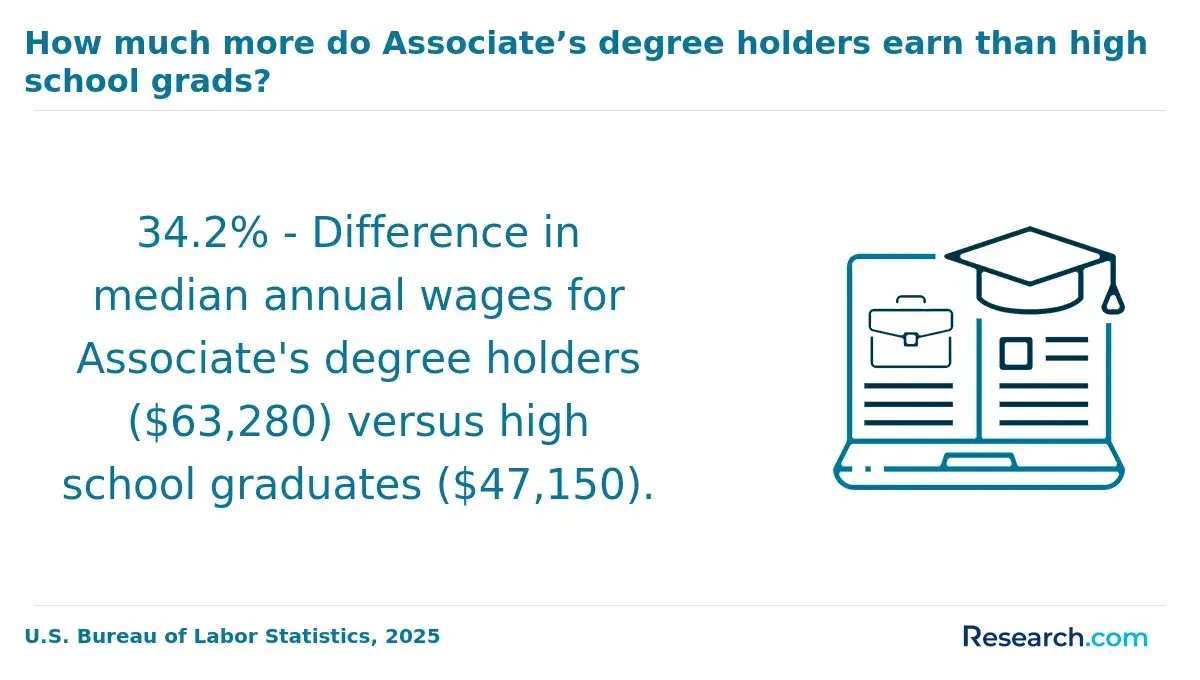
Cost depends on whether the program is credit-bearing, public or private, in-district or out-of-district, and whether it requires equipment, software, exams, labs, or clinical compliance. Tuition is only one part of the investment. Federal aid may be available for eligible students in qualifying programs, but many short noncredit certificates do not qualify; ask the provider's financial aid office rather than assuming eligibility.
Build a written estimate before comparing schools. The categories below reveal expenses that low advertised tuition can exclude:
- Tuition and mandatory institutional fees.
- Books, software licenses, tools, uniforms, and equipment.
- Certification examination, application, and renewal fees when applicable.
- Background checks, immunizations, drug screens, and liability coverage for clinical programs.
- Travel, parking, childcare, and lost work time for labs, proctoring, or clinical placements.
For affordability, compare net price after grants, employer tuition assistance, veterans' education benefits when eligible, and payment plans. Do not borrow based solely on a projected salary; first confirm that the credential is recognized for the job you plan to pursue.
Which online certificate programs offer the best career paths?
The best career path is the one where the certificate matches a documented entry requirement or a clear skill gap. Certificates tend to be strongest for defined support roles, technical skills, and degree-stackable pathways. They are weaker choices when employers typically require a license, apprenticeship, associate degree, bachelor's degree, or substantial portfolio and experience.
The U.S. Bureau of Labor Statistics projects overall employment in healthcare occupations to grow much faster than average from 2023 to 2033.
That broad outlook supports investigating healthcare training, but readers should evaluate the outlook and requirements for the specific occupation rather than assuming every healthcare certificate leads to the same opportunities.
| Career direction | When a certificate can fit | When to consider another path |
| Medical coding or billing | You want administrative healthcare skills and can pursue an employer-valued certification separately | You want direct patient care or a role requiring clinical licensure |
| Skilled trades | You need foundational technical theory before an apprenticeship or entry-level work | The occupation requires extensive supervised field training |
| Legal support | You seek legal terminology, research, and office skills | You intend to practice law or meet a jurisdiction-specific paralegal standard |
| Digital design | You need current software skills and a portfolio | You need broad design theory, internships, or a degree for a preferred employer |
What jobs can you get with an online certificate?
An online certificate can support applications for entry-level or support positions, but employers evaluate the full profile: prior experience, portfolio, background requirements, technical assessments, licenses, and local demand. The certificate itself is not a job guarantee.
Potential job directions depend on the curriculum and any required external credentials:
- Medical billing specialist, coding support staff, patient access representative, or health records clerk.
- Administrative assistant, legal assistant, records specialist, or court support worker.
- Junior graphic designer, production artist, content coordinator, or web design assistant.
- Construction coordinator, drafting assistant, maintenance trainee, or technical support worker.
- Customer support, project coordination, or operations support roles tied to a specialized industry.
For better results, align coursework with job postings in your intended location. Save several postings before enrollment and compare their stated education, software, certification, experience, and scheduling requirements with the program's curriculum.
What salaries can online certificate graduates expect?
Salary data is most reliable when tied to an occupation, not to certificate completion. The U.S. Bureau of Labor Statistics publishes national occupational wage data, but earnings vary by state, industry, experience, shift, union status, and employer.
Some listed occupations require more than a certificate, so use wages as labor-market context rather than a promise of post-completion pay.
To assess return on investment, compare your expected total out-of-pocket cost with realistic local entry-level postings and the time needed to complete required licensing, exams, or supervised experience.
Ask schools whether their outcomes reports distinguish certificate completers from degree completers and whether they report the job titles used in their calculations.
| Salary question | Better way to evaluate it |
| "What will I earn after the certificate?" | Review wages for the specific occupation and local entry-level postings |
| "Does this role require more education?" | Check state rules, employers, and occupational profiles before enrolling |
| "Is a higher wage realistic?" | Identify required experience, certification, shift work, or degree progression |
| "Is the program worth the cost?" | Compare total cost, completion time, local demand, and likely next credential |
How do licensing and certification rules affect your choice?
Licensing and certification rules can determine whether an online certificate is useful. Licensure is legal permission from a state authority to practice a regulated profession.
Certification is usually a voluntary or employer-preferred credential awarded by an independent organization. A school certificate may prepare you for either process, but it does not replace the process unless the relevant authority explicitly says so.
Take these steps before paying a deposit, particularly for healthcare, trades, education, and legal-adjacent programs:
- Find the state board, licensing agency, or certifying organization for your intended role.
- Confirm the required education, supervised hours, examination, background review, and renewal rules.
- Ask the school whether its online program meets requirements in your state and obtain the answer in writing.
- Verify whether the school arranges required clinicals, labs, or externships and what happens if placement is delayed.
- Plan for separate application and examination costs after graduation.
A major mistake is enrolling in a nationally marketed program without confirming state eligibility. Rules can change and may differ by state, so the regulator - not a general program description - should be your final source for permission to practice.
Other Things You Should Know About
Not always. Year-round enrollment may mean monthly, quarterly, or multiple term starts. Confirm the next available start date, whether your required courses are offered immediately, and whether the program uses a cohort sequence.
They can be, especially when issued by a recognized college or aligned with a known industry requirement. Employer value depends on the credential, curriculum, practical skills, external certifications, and the role you seek.
Some certificates provide required education or exam preparation, but licensing usually also requires an application, examination, background review, and sometimes supervised hours. Verify requirements with your state licensing authority.
Choose a certificate for focused, shorter training or a defined skill gap. Choose an associate degree when you need broader qualifications, general education credit, stronger transfer options, or a role that commonly requires a two-year degree.
References
- The Top 5 Certificate Programs for Jobs With Growth Potential | CourseStorm https://www.coursestorm.com/blog/top-certificate-programs-for-jobs
- 7 in-demand certifications in 2025 | edX https://www.edx.org/resources/in-demand-professional-certifications
- QM Program Certification Overview https://www.qualitymatters.org/qm-reviews-certifications/program-reviews
- How to Build a Strong Continuing Education Program That Actually Works https://moderncampus.com/blog/strong-continuing-ed-program.html
- Which Online Certification Programs Are Recognized by Employers in the U.S.? https://fellow.msicertified.com/blog/which-online-certification-programs-are-recognized-by-employers-in-the-u-s
- 15 Best Online Learning Platforms for Professionals, and Lifelong Learners In 2025 https://buddyboss.com/blog/best-online-learning-platforms-for-professionals-and-learners/
- 2025's Best Online Graduate Certificate Programs in the U.S. https://www.onlinemastersdegrees.org/graduate-certificate-programs/