2027 Best Non-Degree Programs With Student Success Coaching

Co-Founder and Chief Data Scientist
Choosing short-term training is difficult when programs promise career support but define "coaching" very differently. Non-degree programs can build job-ready skills faster than a degree, yet they may not meet licensure or employer requirements.
The U.S. Bureau of Labor Statistics projects 5.2 million new jobs across the economy from 2024 to 2034, making focused training a practical option for many career changers. This guide helps adult learners, recent graduates, and working professionals compare coached certificates, understand their limits, and choose support that fits their goals.
Key Things You Should Know
- Choose a coached non-degree program only after confirming that its curriculum matches a specific entry-level job, employer requirement, certification exam, or state licensing pathway; coaching cannot replace required education or supervised clinical training.
- Student success coaching should include scheduled human contact, progress planning, academic or technical help referrals, and career preparation - not merely automated reminders or a general support inbox.
- BLS projections for 2024-2034 show growth in several certificate-aligned fields, including medical assistants at 12%, electricians at 9%, and heating, air conditioning, and refrigeration mechanics and installers at 8%; demand does not eliminate local hiring, licensing, or experience requirements.
Top 10 Best Non-Degree Programs With Student Success Coaching
Popular Trade School Programs
Trade-focused certificates commonly cover electrical work, HVAC/R, welding, plumbing, diesel technology, industrial maintenance, and commercial driving. Programs usually combine safety instruction with lab practice; apprenticeships or employer-supervised hours may still be required for independent work or licensure.
An associate degree in applied science can offer broader technical coursework, but it is a degree rather than a non-degree credential. Coaching is most useful when it helps learners manage lab schedules, prepare for exams, find apprenticeships, and document hands-on competencies. Verify state rules before choosing an online-heavy trade program.
Healthcare Programs
Common healthcare certificates include medical assisting, pharmacy technician, dental assisting, medical billing and coding, sterile processing, phlebotomy, and practical nursing preparation where offered. Clinical placement, background checks, immunizations, CPR training, and state-specific rules can affect eligibility and total cost.
A program completion certificate is not the same as national certification or a professional license. Strong coaching helps students complete compliance paperwork, prepare for clinical schedules, and understand exam eligibility. Learners seeking registered nursing, sonography, or other regulated roles may need an approved degree pathway instead.
Criminal Justice / Law Programs
Non-degree options may include legal assistant, paralegal studies, court reporting support, private security, corrections, crime scene support, or emergency dispatch training. A certificate can introduce legal terminology, research, report writing, ethics, and office technology, but it does not authorize someone to practice law.
Paralegal hiring standards vary: some employers prefer a degree, substantial legal-office experience, or an American Bar Association-approved education pathway. Coaching can help learners develop professional writing samples, organize internship searches, and assess whether a local agency has additional background, fitness, or licensing requirements.
Arts & Design Programs
Arts and design certificates often focus on graphic design, UX fundamentals, digital marketing design, photography, animation, web production, or interior design support. Portfolio quality usually matters more than a completion certificate alone, so the best coached programs include critiques, project deadlines, accessibility basics, and portfolio review.
Software-focused courses can become outdated quickly; ask how often tools and assignments are refreshed. For regulated interior design titles or advanced art-direction roles, a longer degree and documented experience may be more appropriate. Coaching should support portfolio development, not promise freelance income or placement.
What are non-degree programs with student success coaching and who are they for?
Non-degree programs with student success coaching are short, focused learning experiences that award a certificate of completion, digital badge, workforce credential, or other non-degree recognition. They may be delivered by community colleges, universities, trade schools, employers, nonprofits, or private training providers. Their distinguishing feature is structured support intended to help learners persist, solve barriers, and translate training into a next step.
Student success coaching is broader than tutoring. A coach may help a learner set milestones, plan weekly study time, navigate financial or personal barriers, connect with instructors or accessibility services, and prepare for career services. The quality of this support varies substantially. Some providers assign a named coach with recurring appointments; others provide group webinars or self-service messaging.
These programs can fit people who need targeted skills, want to test a field before pursuing a degree, need a faster transition into an entry-level role, or are returning to education after time away. They are less suitable when the target occupation legally requires a degree, a state-approved curriculum, clinical hours, apprenticeship hours, or extensive prior experience.
A certificate is an educational award for completing a course of study. A professional certification is different: it is generally awarded by a certifying body after a person meets defined standards, often including an examination and sometimes work experience. Ask whether the program prepares students for a separate certification exam, whether that exam is optional, and whether graduates meet its eligibility rules.
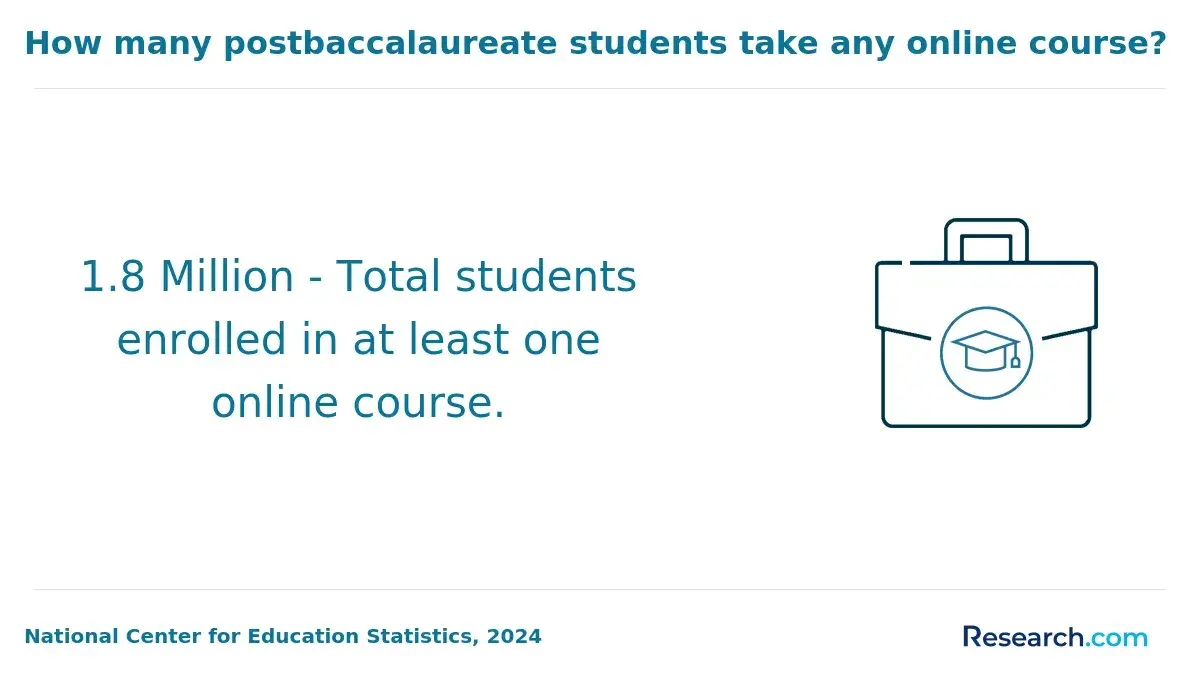
How do online and campus-based coached certificate programs compare for flexibility and support?
Online and campus-based coached certificate programs can both work well, but they solve different problems. Online delivery can reduce commuting and make part-time study more realistic; campus or hybrid delivery can provide equipment, labs, clinical coordination, and immediate practice feedback. For hands-on or regulated fields, fully online instruction may cover theory but cannot replace required in-person competencies.
This comparison highlights the support trade-offs to examine before enrolling.
| Decision factor | Online coached program | Campus or hybrid coached program |
| Schedule | Often asynchronous, with scheduled coaching appointments | Fixed lab, class, or clinical times; may suit learners needing routine |
| Hands-on learning | Best for digital, administrative, and theory-based skills | Better for equipment practice, demonstrations, and supervised skills |
| Coaching access | Requires reliable video, messaging, and proactive check-ins | May offer in-person meetings and easier instructor referrals |
| Career networking | Can reach broader employers but may be less local | Often stronger ties to nearby employers, labs, and placement sites |
| Best fit | Self-directed learners with dependable technology | Learners who benefit from structure or need practical facilities |
Ask how often coaching occurs, whether sessions are optional, how quickly staff respond, and what happens if you fall behind. A program that labels itself flexible but has rigid proctored exams, group meetings, or clinical shifts may not fit a working schedule. Learners considering a longer academic route can also compare the pace and workload of a best accelerated bachelor's degree online option before committing to a short credential.
What accreditation and quality standards should coached non-degree programs meet?
Quality standards depend on the provider and occupation. A credit-bearing college certificate should generally be offered by an institution accredited by an agency recognized by the U.S. Department of Education or the Council for Higher Education Accreditation. Institutional accreditation matters most when students want federal aid eligibility, transfer possibilities, or assurance of institutional oversight. It does not by itself prove that a particular program meets occupational licensing rules.
For career training, look for the approval or recognition that matches the destination: a state licensing board for regulated healthcare training, an industry body for a certification-preparation course, or documented employer partnerships for job-focused programs. Programs claiming approval should identify the exact approving organization and the program location or format covered.
Use these checks to separate meaningful support from marketing language.
- Confirm the credential awarded, whether it carries academic credit, and whether credits may transfer; obtain transfer policies in writing because receiving institutions make the final decision.
- Match the curriculum to a published exam blueprint, licensing rule, apprenticeship requirement, or job posting rather than relying on broad career claims.
- Request completion, exam-pass, placement, and wage information with definitions, reporting periods, and cohort sizes; small or selective cohorts can make outcomes hard to generalize.
- Review instructor qualifications, lab access, clinical-placement responsibility, complaint procedures, refund terms, and the coach-to-learner model.
A red flag is a provider that says accreditation "does not matter" without explaining the credential's purpose. Another is a promise that completion alone makes a learner licensed, certified, or job-ready. Reputable providers clearly distinguish preparation from eligibility and outcome from guarantee.
What admission requirements and learner readiness factors do these programs typically expect?
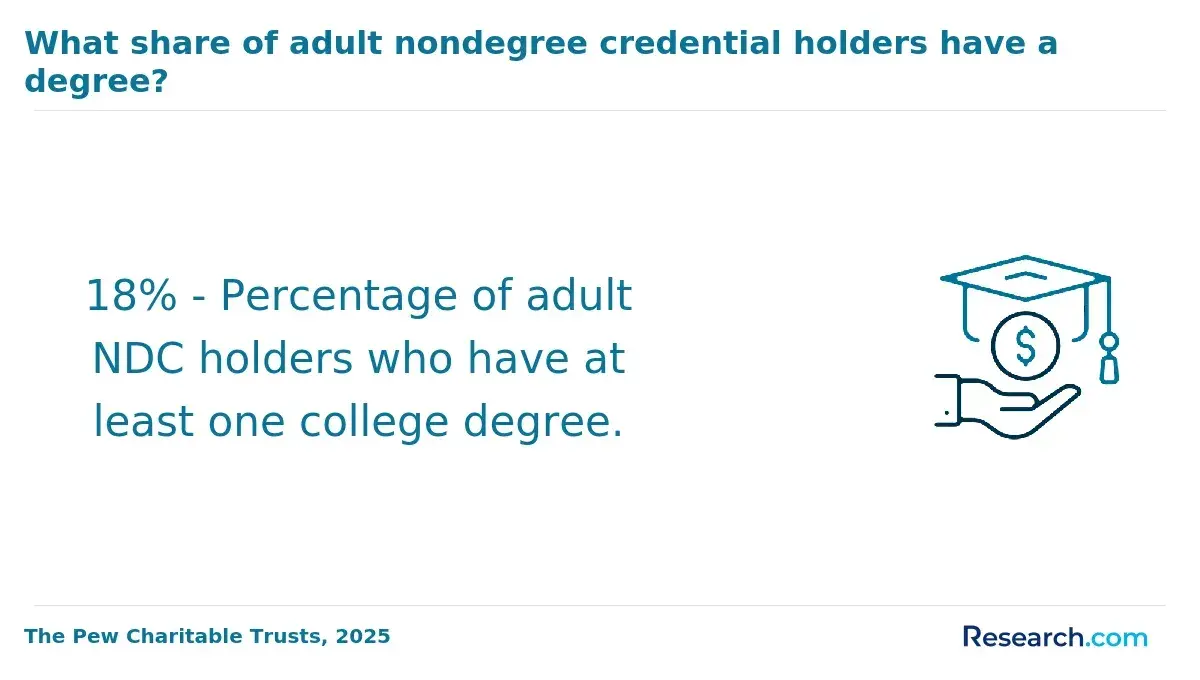
Admissions expectations range from open enrollment for short online courses to selective screening for clinical, technical, or cohort-based training. Many noncredit programs do not require a college GPA, SAT, ACT, or transfer evaluation. In contrast, credit-bearing certificates may require a high school diploma or equivalent, placement testing, prerequisite courses, or minimum grades in foundational subjects.
Healthcare and public-safety programs frequently add requirements because students work with patients, sensitive information, or regulated environments. These may include a criminal background review, drug screening, immunizations, physical ability documentation, CPR certification, health insurance, or a required orientation. Requirements can be imposed by a clinical site or state board, not just the school.
Readiness matters as much as formal admission. A coached program is a good match when you can reserve recurring study time, use the required technology, communicate early when barriers arise, and participate in coaching. If you need substantial math, writing, English-language, digital-literacy, childcare, or transportation support, ask whether those services are actually provided or whether referrals are available. Coaching is helpful, but it is not a substitute for accommodations that must be arranged through the appropriate process.
Before paying a deposit, obtain a written list of prerequisites and identify the latest point at which a missing requirement could prevent completion, clinical participation, examination, or employment.
How long do coached non-degree programs take, and what do they cost?
Completion time can range from a few weeks for a narrow noncredit course to roughly a year or longer for a substantial certificate with labs, clinicals, or part-time scheduling. The advertised duration is usually an instructional estimate, not a guarantee. Missed labs, limited clinical placements, prerequisite courses, exam retakes, and personal scheduling needs can extend the timeline.
Total cost should be evaluated as a pathway cost, not just tuition. Noncredit programs may charge a bundled price, while college certificates may bill by credit. Either model can exclude tools, uniforms, software, textbooks, background checks, examinations, licensing applications, transportation, and required insurance.
This cost framework helps compare offers that advertise similar tuition but provide very different levels of access and support.
| Cost component | Why it matters | Question to ask |
| Tuition or program fee | May cover instruction only or include materials | What is the full amount due from enrollment through completion? |
| Required equipment and software | Trade and design programs can require specialized items | Which items must I purchase, rent, or already own? |
| Clinical, lab, and compliance costs | Often apply in healthcare and hands-on training | Are screenings, immunizations, uniforms, and travel included? |
| Exam and licensing costs | Completion may not include external credentialing | Which exam, retake, application, or renewal fees are separate? |
| Lost work time | Fixed labs or clinicals can affect earnings and childcare needs | What attendance hours are mandatory? |
Federal student aid is generally tied to eligible programs at eligible institutions and may not apply to many short noncredit offerings. Ask the provider about institutional aid, workforce grants, employer tuition assistance, payment plans, veterans education benefits where applicable, and refund rules.
Do not borrow based on an expected job outcome; compare the full cost with local entry-level job requirements and realistic time to employment. Learners aiming eventually for research or advanced academic work should recognize that short training rarely substitutes for an affordable online PhD programs pathway.
What core curriculum and coaching services do the best programs usually include?
The best coached non-degree programs combine a focused curriculum with visible, repeatable human support. Core instruction should teach the specific knowledge, tools, safety practices, communication habits, and applied tasks relevant to the stated career target. In technical fields, this often means demonstrations and assessed practice. In digital fields, it should mean projects that show usable work rather than only videos and quizzes.
Look for coaching services that have clear boundaries and delivery methods. Strong programs state whether learners receive one-on-one coaching, how appointments are scheduled, what happens after an absence, and how coaches coordinate with instructors, tutoring, accessibility staff, or career services. Career coaching can include résumé feedback, mock interviews, portfolio review, networking guidance, and job-search organization; it should not be presented as a job guarantee.
Effective programs also measure progress through observable milestones: completed modules, competency demonstrations, portfolio artifacts, clinical readiness, practice exams, or employer-reviewed projects. This gives the learner and coach a concrete reason to intervene early. If a provider cannot explain what a coach does in a typical week, how learners reach that person, or what outcomes the service is designed to improve, treat "success coaching" as an unverified feature.
What careers and job roles can coached certificate programs realistically prepare you for?
Coached certificate programs can prepare learners for entry-level, support, technician, assistant, or junior roles when the curriculum matches local employer needs. They are usually not a direct route to senior, independently licensed, managerial, or highly specialized positions. Hiring also depends on location, prior experience, background requirements, portfolio quality, and whether an employer requires an external certification or degree.
The roles below show realistic examples of where training may lead and the common limits to understand.
| Program focus | Possible entry-level roles | Important limitation |
| Electrical or HVAC/R | Apprentice, installer helper, maintenance trainee | Licensure and independent work commonly require supervised experience and state-specific steps |
| Medical assisting or phlebotomy | Medical assistant, phlebotomy technician, clinical support worker | Employer preferences and state scope-of-practice rules vary |
| Billing and coding | Billing specialist, claims support, coding trainee | Some employers prefer coding certification or experience |
| Legal support | Legal assistant, intake coordinator, document specialist | A certificate does not qualify a person to provide legal advice or practice law |
| Digital design or web production | Junior designer, production artist, content assistant | A portfolio and current technical skills are often decisive |
For learners whose target job requires a bachelor's degree, compare a short credential as a skill-building step against completing a degree. The guide to what is the easiest bachelor's degree to get can help frame that decision, but "easiest" should never outweigh accreditation, career fit, and completion support.
What salary ranges and job outlooks are associated with careers from these programs?
Salary data should be used as occupational context, not as a promise about what a certificate graduate will earn. The BLS May 2024 national median annual wage was $62,350 for electricians, $59,810 for heating, air conditioning, and refrigeration mechanics and installers, $44,200 for medical assistants, $61,010 for paralegals and legal assistants, and $61,300 for graphic designers. These figures include workers with varying education, experience, geography, and responsibilities.
This comparison pairs selected BLS 2024-2034 outlook data with the education caution most relevant to a short program decision.
| Occupation | Projected employment change, 2024-2034 | How to interpret it |
| Medical assistants | 12% | Growth supports demand, but employers may prefer certification and may set their own education expectations |
| Electricians | 9% | Training is commonly followed by apprenticeship and licensing progression |
| HVAC/R mechanics and installers | 8% | Hands-on competence and refrigerant-handling requirements can be central to hiring |
| Graphic designers | 2% | Competition and portfolio strength can matter more than a certificate title |
| Paralegals and legal assistants | 0% | Employers may favor candidates with legal experience, a degree, or a recognized paralegal education route |
Automation and generative AI are changing task design in administrative, coding, legal-support, and design work. Choose programs that teach verification, ethics, communication, workflow tools, and portfolio-quality applied work rather than training only on a single platform. If your primary goal is an externally validated credential, compare the role's requirements with certifications that pay well; confirm that you meet any examination and experience prerequisites independently of course completion.
How can prospective students evaluate and choose a reputable coached non-degree program?
The best program is not the shortest or the most heavily advertised. It is the one that demonstrably fits your target occupation, schedule, budget, learning needs, and next credentialing step. Start with job postings from your intended location and identify repeated requirements: licenses, software, certifications, shift availability, degrees, experience, and physical expectations. Then use those requirements to screen programs.
Follow this practical sequence before enrolling.
- Name the exact job or advancement goal and identify whether it requires a license, external certification, degree, apprenticeship, or supervised hours.
- Compare at least three programs using the same total-cost list, required attendance hours, curriculum, coaching frequency, completion rules, and refund policy.
- Ask for written confirmation of the credential awarded, external exam eligibility, clinical or internship responsibility, and whether the format meets requirements in your state.
- Request outcome data with definitions and cohort sizes, then compare it with local job postings rather than treating a placement claim as universal proof.
- Speak with an admissions representative or coach and ask who will support you after a missed deadline, failed assessment, or scheduling conflict.
- Choose only after confirming how the credential connects to the next step: employment, apprenticeship, certification examination, stackable college credit, or further education.
Common mistakes include selecting a program solely because it is fast, mistaking a completion certificate for professional certification, overlooking clinical or equipment costs, and assuming online learning automatically meets local licensure rules. Avoid schools that pressure immediate enrollment, obscure refund terms, offer vague job guarantees, or refuse to document coaching services and credential outcomes. A reputable program will give you time and clear information to make an informed decision.
Other Things You Should Know About
They can be worthwhile when the training maps directly to an attainable job target and coaching is specific, accessible, and included in the cost. They are a weaker investment when a target role requires a degree, license, or experience the program cannot provide.
Look for a named contact or defined coaching team, scheduled check-ins, progress planning, referral to academic or technical support, and career guidance. Ask whether coaching is one-on-one, how often it occurs, and whether it continues through job-search preparation.
Sometimes, but only if the program and its required in-person components meet the rules of the relevant state licensing board. Online theory courses alone usually do not replace clinical hours, lab competencies, examinations, or supervised practice.
Recognition depends on the employer and field. Employers may value a certificate from an accredited college, an approved training provider, or a program aligned with an industry certification. Review local job postings and ask the school which employers recognize the specific credential.
References
- Design Principles for Improving Practice with Instructional Coaching - EdResearch for Action https://edresearchforaction.org/research-briefs/design-principles-for-improving-practice-with-instructional-coaching/
- Pairing financial assistance with student success coaching - InsideTrack https://www.insidetrack.org/blog/why-pairing-scholarships-with-student-success-coaching-is-so-powerful
- Success Coaching https://www.alamancecc.edu/services-and-support/success-coaching/index.php
- Student Success Coaching Certificate | DC Education Group https://www.dceducationgroup.com/success-coach-certificate
- "Student Success Coaching: Holistic Support Model for At-Risk Student Retention" https://resources.rework.com/libraries/higher-education-growth/student-success-coaching
- Learn More: Student Success Coaching https://www.partnershipstudentsuccess.org/success-coaching/
- How Support Non-Traditional Students | Instructional Connections https://instructionalconnections.com/how-to-support-non-traditional-students/
- Defining Effective Coaching Practices to Support Teachers... https://weeac.wested.org/resource/defining-effective-coaching-practices-to-support-teachers-and-improve-student-outcomes/
- Coaching Practices in Higher Education: Coaching for Performance and Coaching for Growth - The EvoLLLution https://evolllution.com/programming/personal-development/coaching-practices-in-higher-education-coaching-for-performance-and-coaching-for-growth
- Student Success Coach https://www.nunez.edu/human-resources/unclassified-employment-opportunities/student-success-coach