2027 Best Non-Degree Programs With Flexible Deadlines

Co-Founder and Chief Data Scientist
Choosing training that fits an unpredictable work or family schedule can be harder than choosing a subject. Flexible-deadline non-degree programs include open-enrollment courses, self-paced certificates, short-term workforce programs, and hybrid career training. They can build job-ready skills without a degree, but flexibility does not replace required clinical hours, supervised practice, or licensing rules.
The Bureau of Labor Statistics projects about 1.9 million openings each year in healthcare occupations from 2023-2033. This guide helps you compare realistic timelines, costs, delivery formats, credentials, and career limits before enrolling.
Key Things You Should Know
- Self-paced online certificates and open-enrollment workforce courses usually offer the most deadline flexibility; clinical, lab, apprenticeship, and licensing programs generally require fixed attendance.
- A certificate shows completion of an educational program, while a certification is a professional credential earned through a certifying body's standards, often including an exam; employers and licensing boards may value them differently.
- For context, the BLS reports a 2024 median annual wage of $62,340 for HVAC mechanics and installers and $59,200 for paralegals and legal assistants; occupational pay is not a guaranteed outcome of any certificate program.
Top 10 Best Non-Degree Programs With Flexible Deadlines
Popular Trade School Programs
Flexible trade training is most practical for theory-heavy entry coursework, not hands-on skill validation. Common options include HVAC technician certificates, electrical technician certificates, welding certificates, plumbing pre-apprenticeship training, industrial maintenance certificates, and construction management certificates.
Community colleges may award credit-bearing certificates that can stack into an associate degree; private schools often provide noncredit career-training certificates.
Choose hybrid or campus training when employers, apprenticeships, or licensing pathways require shop hours. A fully online program can support exam preparation or foundational knowledge, but it normally cannot replace supervised field experience required for skilled-trade competence.
Healthcare Programs
Healthcare options include medical billing and coding certificates, pharmacy technician training, medical assisting certificates, dental assisting certificates, phlebotomy training, and nursing assistant programs. Billing and coding coursework may work well online and self-paced, although employers may prefer candidates with an industry certification.
Programs involving patient care typically require scheduled labs, clinical rotations, background checks, immunizations, and sometimes drug screening. Verify state rules before paying: a school completion certificate is not automatically a license or national certification. Learners seeking a registered nursing role generally need an approved degree program and licensure, not a short non-degree certificate.
Criminal Justice / Law Programs
Legal studies certificates, paralegal certificates, court reporting training, legal transcription courses, and criminal justice certificates can suit learners exploring legal support or public-safety work. Entry-level legal research, writing, and procedure courses are often online with frequent or flexible starts.
However, paralegal employers may prefer a program approved by the American Bar Association or candidates with a degree, depending on the role and market. Court reporting requires intensive skill practice and may have state-specific certification expectations. A criminal justice certificate can strengthen knowledge but does not automatically meet police academy, background, fitness, or agency hiring standards.
Arts & Design Programs
Graphic design, digital photography, UX design, web design, animation, video editing, and interior design certificates often allow flexible pacing because portfolios can be completed remotely. A noncredit professional certificate may be useful for targeted software or portfolio skills, while a credit-bearing college certificate may be more transferable toward an associate degree.
Review required software, equipment, critique sessions, and portfolio feedback before enrolling. For interior design, confirm whether the intended role or state has education, experience, examination, or title-use requirements. In creative hiring, demonstrable work and current technical skills may matter as much as the program name.
What types of non-degree programs offer the most flexible start dates and pacing?
The most flexible non-degree programs are usually asynchronous, online, nonclinical, and designed around mastery of digital or administrative skills. "Flexible deadlines" can mean rolling admissions, several start dates, asynchronous weekly modules, self-paced completion windows, or instructor-approved extensions. It rarely means no final deadline.
This comparison shows where flexibility is realistic and where external requirements limit it.
| Program type | Typical flexibility | What limits pacing | Best fit |
| Self-paced professional certificate | High | Enrollment expiration, assessments | Working adults building digital, business, or administrative skills |
| Online college certificate | Moderate | Term dates, weekly assignments, proctored exams | Learners wanting academic credit or stackability |
| Hybrid workforce certificate | Moderate to low | Labs, equipment access, instructor meetings | Trades and technical fields requiring practice |
| Clinical or licensure-prep program | Low | Clinical placements, state rules, skills checkoffs | Patient-care and regulated occupations |
Choose self-paced study if your target job evaluates portfolios, software proficiency, or an industry exam. Choose a scheduled program when a regulator, certifier, or employer expects documented hours, supervised practice, or a particular curriculum. For learners who may later pursue a degree, compare whether a credit-bearing certificate aligns with best majors rather than assuming noncredit coursework will transfer.
How do online and campus-based non-degree programs with flexible deadlines compare?
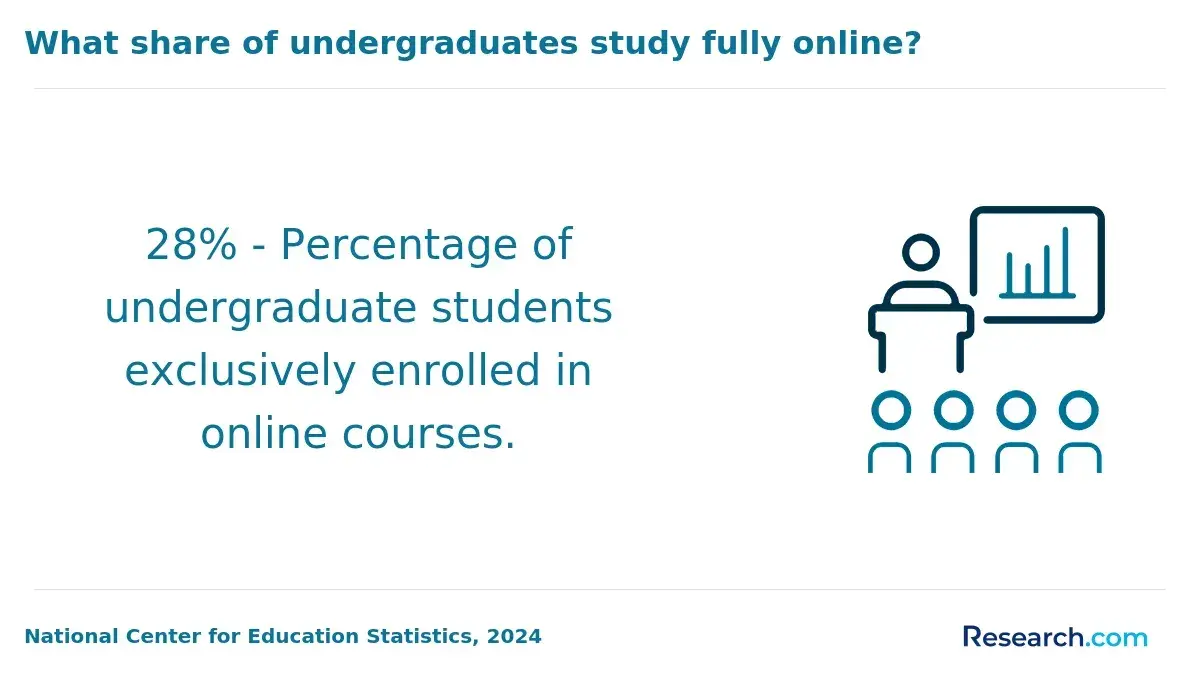
Online and campus-based programs can teach similar theory, but they are not interchangeable for every career. Online study is often the better fit for coding, bookkeeping, legal research, digital design, IT support, and project-oriented business skills. It reduces commuting and may offer multiple starts, but students need reliable technology, self-management, and clear access to instructors.
Campus or hybrid delivery is usually stronger when learners need machines, simulation labs, studio critique, patient interaction, welding booths, electrical panels, or employer-connected clinical placements. A hybrid program can provide the most balanced option: online lectures and assignments with scheduled practical sessions.
Before choosing online delivery, confirm whether the provider is institutionally accredited when academic credit matters and whether the credential is recognized by the relevant employer or certifying organization. Readers comparing degree-granting options can also review accredited online universities. Accreditation does not by itself prove that a short program meets a specific state licensing requirement.
What accreditation and quality standards should flexible non-degree programs meet?
A reputable flexible program should match the kind of credential it offers. For a college certificate, check the institution's recognized institutional accreditation, whether the course carries academic credit, and the written transfer policy. For a noncredit workforce course, focus on curriculum transparency, instructor qualifications, employer relevance, completion requirements, refund terms, and whether the provider prepares students for a named third-party certification exam.
Regulated fields need an additional check. Nursing assistant, practical nursing, medical assisting, pharmacy technician, dental assisting, cosmetology, electrical, and HVAC pathways may be governed by state agencies, boards, or local licensing rules. Ask the school to identify the exact approval status for your state in writing. Do not rely on broad phrases such as "nationally recognized" or "career-ready."
Quality indicators are most useful when they are specific: published program length, required attendance or clinical hours, total charges, instructor access, examination eligibility, and documented student-support services. Be cautious when a provider promises a license, job placement, salary, or certification without explaining the separate requirements.
What admission requirements do flexible-deadline certificate and non-degree programs typically have?
Admission requirements vary more by provider than by subject. Open-enrollment and noncredit programs may require only identity verification, payment, and basic technology access. College-based certificates can require an application, placement testing, prior coursework, or a high school diploma or equivalent. Advanced technical certificates may expect previous work experience or foundational classes.
Programs involving clinical placements or regulated occupations often add requirements after admission. These can include a background check, immunization records, CPR training, drug screening, physical ability documentation, minimum age, and proof of English or math readiness. A criminal record does not always prevent enrollment, but it can affect clinical placement, examination eligibility, or licensing; ask before committing tuition.
Military families and students who move frequently should prioritize portable coursework and clear residency policies. Flexible scheduling can be especially useful when comparing online schools for military spouses, but clinical or lab requirements may still need to be completed locally.
How long do flexible non-degree programs take to complete and what do they cost?
Completion time ranges from a few weeks for a focused noncredit course to roughly one year for many college or career certificates. Flexibility can lengthen the calendar: a self-paced course may allow rapid progress, but work, caregiving, and limited study time can push completion close to the provider's enrollment-expiration date. Fixed-cohort programs are less flexible but may provide more structure, equipment access, and career support.
Total cost is more than tuition. Compare the full written estimate before enrollment, including registration fees, textbooks, software subscriptions, tools, uniforms, liability coverage, exam vouchers, background checks, supplies, transportation, and lost work time for required labs or clinicals.
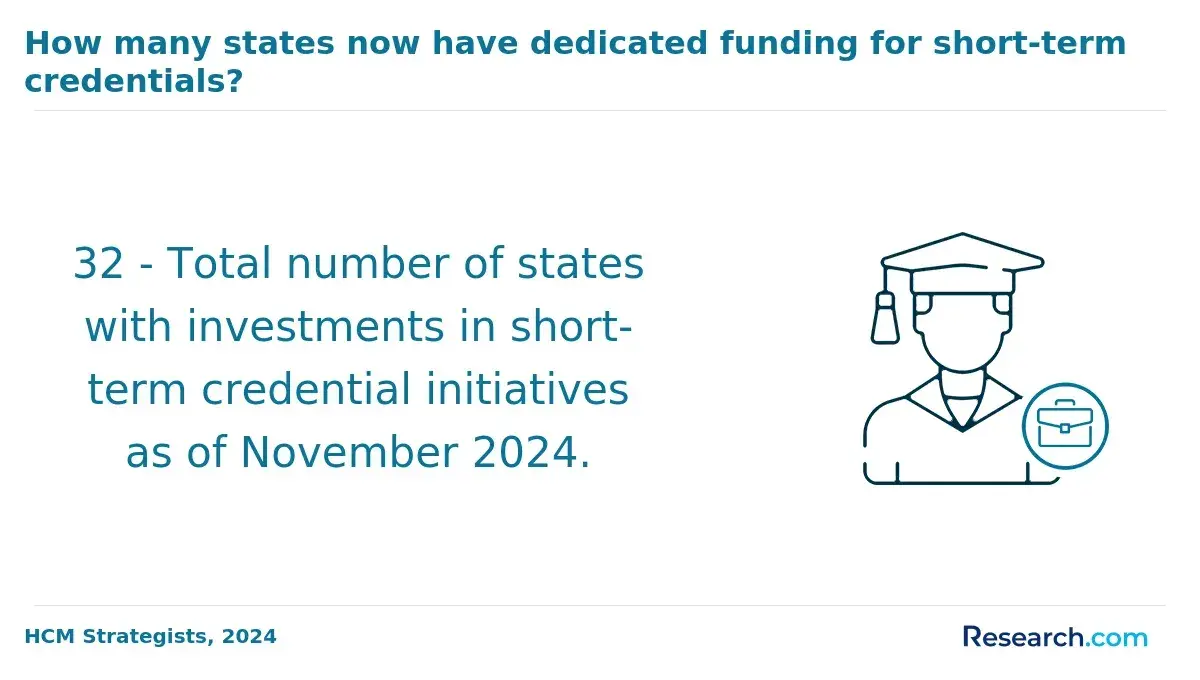
Federal student aid is generally tied to eligible programs at qualifying institutions; many short noncredit courses do not qualify. Employer tuition assistance, workforce grants, payment plans, veterans' education benefits, and state workforce agencies may help, but eligibility varies.
Use this decision rule: pay more only when the added cost buys something your target job actually requires - credit that transfers, documented clinical hours, approved curriculum, equipment practice, or a recognized exam pathway. If your long-term goal is a bachelor's degree, compare the certificate's stackability with highest paying majors before treating the short program as a complete career plan.
What careers and job roles can flexible non-degree programs help you pursue?
Flexible non-degree programs can support entry-level work, advancement in a current field, or preparation for a separate certification exam. They are most useful when the target role has clear, teachable skills and employers accept demonstrable training, portfolios, or recognized certifications. They are less suitable when the occupation legally requires a degree, state license, apprenticeship, or substantial supervised experience.
Examples of realistic pathways include medical billing specialist, pharmacy technician trainee, dental assistant, HVAC helper or technician trainee, welder, industrial maintenance trainee, legal assistant, records specialist, graphic design assistant, junior web designer, and video-production assistant. Job titles and entry standards differ by employer and state.
Before enrolling, work backward from actual job postings in your region. Identify the required credential, software, experience, schedule, physical demands, and license. Then compare the program's curriculum with those requirements. This prevents a common mistake: buying broad "career training" when an employer actually expects a specific certification, portfolio, degree, or apprenticeship.
What salary ranges and earning potential are linked to popular non-degree certificates?
Salary figures describe occupations, not the value of a particular certificate. Pay varies by location, experience, union status, specialty, employer, hours, and whether the worker has required licensure or certification. The following BLS 2024 median annual wage figures provide useful labor-market context for roles that may be related to common non-degree training paths.
| Occupation | 2024 median annual wage | Certificate-only limitation |
| HVAC mechanics and installers | $62,340 | May require apprenticeship, local licensing, or EPA credential depending on duties and location |
| Paralegals and legal assistants | $59,200 | Employers may prefer a degree, relevant experience, or an ABA-approved program |
| Medical records specialists | $50,250 | Employers may prefer coding knowledge or an industry certification |
| Graphic designers | $61,300 | Portfolio quality and experience are central; some positions prefer a bachelor's degree |
| Pharmacy technicians | $43,460 | State registration, certification, and supervised training rules vary |
Use wages as a comparison point, not a promise. Ask whether the program prepares you for the entry role behind the occupation, whether local employers hire certificate holders, and how long it typically takes to gain the experience associated with higher-paying positions.
How do licensing or certification requirements affect choosing a flexible non-degree program?
Licensing and certification rules should drive your choice whenever a program leads toward patient care, construction, transportation, cosmetology, security, or another regulated activity. A school-issued certificate proves you completed its curriculum. It does not automatically grant permission to practice, qualify you for a state license, or award a professional certification.
Start with the end requirement: identify the state board, licensing agency, or certifying organization tied to the job you want. Then verify that the program meets its education, clinical, supervised-hour, examination, and background-check requirements. This order matters because a program can be flexible and legitimate while still being unsuitable for your state or intended role.
Common red flags include vague claims that a course is "certified," missing details about exam eligibility, no explanation of clinical placement responsibility, and pressure to enroll before you can review the refund policy. If a provider prepares students for an exam, ask whether the exam fee is included, whether eligibility depends on additional experience, and what happens if you move to another state.
How can students evaluate and choose a reputable flexible non-degree program in the U.S.?
A reputable program is not necessarily the fastest or cheapest one; it is the one whose format, outcomes, and credential match your stated goal. Compare at least two or three providers using the same criteria, and get key claims in writing before paying a deposit.
Use the following process to make a practical comparison:
- Name the exact job, certification exam, license, or skill outcome you want within the next one to three years.
- Check local job listings and the relevant licensing or certification authority for minimum requirements.
- Confirm whether the program is credit-bearing, noncredit, stackable, institutionally accredited when relevant, or recognized by a named industry body.
- Request the total-cost estimate, refund policy, pacing rules, live-session schedule, equipment list, and completion deadline.
- Verify who arranges clinicals, labs, internships, or apprenticeships and whether there may be additional travel or placement costs.
- Ask how students receive academic help, technical support, career guidance, and documentation of completion.
Do not choose solely on advertised monthly payments, a short completion claim, or a broad job-placement statement. The better investment is often a program with less scheduling freedom but required hands-on practice, clear regulatory approval, and a credential employers can verify.
Other Things You Should Know About
They can be legitimate, but flexibility alone does not establish quality. Check the provider, curriculum, total cost, completion rules, instructor access, and whether the credential meets employer, certification, or state licensing expectations.
Often, yes, if you have enough weekly study time and the program has no required labs or clinicals. Self-paced enrollment still usually has an expiration date, assessment deadlines, and instructor or proctoring requirements.
Only if the receiving institution accepts it. Credit-bearing certificates from an accredited college may have clearer transfer or stackability options than noncredit training, but transfer is never automatic.
Some may meet part of the education requirement, but many licensed fields also require in-person hours, clinical experience, examinations, and state approval. Confirm requirements with the relevant state board before enrolling.
References
- Paying for College in 2026: Proven Ways to Cut Costs and Maximize Financial Aid https://www.scholaro.com/db/News/how-to-pay-for-college-in-2026-260
- Best Online Degrees for Working Adults in 2026 https://www.straighterline.com/blog/degreecompletion-best-online-degrees-for-working-adults-in-2026
- High-Paying, Fast-Growing Jobs Without a Degree https://www.rockwellinstitute.com/blog/jobs-dont-require-degree/
- Why Is Accreditation Important? | ACE Blog https://ace.edu/blog/why-is-accreditation-important/
- Measuring - and Proving - the Effectiveness Of Non-Degree Programs https://www.calbright.edu/newsroom/blog/measuring-and-proving-the-effectiveness-of-non-degree-programs/
- Best Online Degree Programs with Flexible Schedules 2026: Top 5 Ranked https://www.college-scholarships.com/best-online-degree-programs-flexible-schedules-2026/
- What Is the Difference Between Accredited and Non-Accredited Colleges? https://anchoru.com/what-is-the-difference-between-accredited-and-non-accredited-colleges/
- Step Three: Develop flexible models of delivery https://www.luminafoundation.org/local-talent-handbook/develop-flexible-models-of-delivery/
- Jobs That Don't Require a Degree: Insight into High-Paying Careers in Arizona https://www.asreb.com/blog/careers-dont-require-degree/
- Non-Degree Programs: Declining Enrollments and Future Prospects https://wenr.wes.org/americas/non-degree-programs-in-the-u-s-declining-enrollments-and-future-prospects/