2027 Best Online Certificate Programs for Veterans

Co-Founder and Chief Data Scientist
Veterans choosing an online certificate need more than a short program: they need training that works with VA education benefits, civilian hiring requirements, and family or work schedules. The U.S. Bureau of Labor Statistics projects healthcare support occupations to grow 15% from 2023 to 2033, illustrating why targeted career training can matter. This guide explains certificate types, GI Bill considerations, costs, admissions, careers, and red flags so you can compare programs before using earned benefits.
Key Things You Should Know
- Choose a credit-bearing college certificate when you may later pursue an associate or bachelor's degree; choose a noncredit career program only when its employer recognition and GI Bill approval are clear.
- GI Bill eligibility is program-specific, not automatic: confirm that the school and exact online program are VA-approved before enrolling or submitting tuition payments.
- For career context, BLS reports a May 2024 median annual wage of $59,180 for computer user support specialists, but a certificate alone does not necessarily qualify a candidate for every role.
Top 10 Best Online Certificate Programs for Veterans
Popular Trade School Programs
Online trade certificates work best for theory-heavy preparation paired with local labs, apprenticeships, or supervised practice. Common options include construction management, HVAC fundamentals, electrical theory, welding technology, industrial maintenance, logistics, and commercial driving preparation. A certificate may teach job-ready concepts, but it does not replace state licensing, an apprenticeship, required driving tests, or hands-on skill assessment. Veterans should favor programs that clearly identify required in-person components and align coursework with a local employer, union, licensing board, or apprenticeship pathway.
Healthcare Programs
Online healthcare certificates commonly cover medical billing and coding, health information technology, pharmacy technician preparation, medical assisting theory, patient navigation, and healthcare administration. Programs involving direct patient care usually require clinical placements, background checks, immunizations, and state-specific rules; they are rarely fully online. A college certificate can be credit-bearing and stack into an associate degree, while a professional training certificate may prepare students for a separate certification exam. Confirm whether the program meets the eligibility rules for the intended national certification and any state license.
Criminal Justice / Law Programs
Online certificates in criminal justice, homeland security, emergency management, paralegal studies, legal studies, and cybersecurity can help veterans translate military experience into civilian language. They may be useful for administrative, compliance, security, dispatch, investigations support, or emergency-management roles. However, they do not automatically meet hiring standards for sworn law enforcement, attorney licensure, or every paralegal position. For paralegal goals, check employer preferences and whether the program has appropriate institutional recognition. Veterans pursuing public safety roles should also review physical, background, residency, and agency-specific requirements.
Arts & Design Programs
Online arts and design certificates may focus on graphic design, digital media, user experience, web design, photography, animation, or audio production. These programs are often portfolio-driven: employers may care more about demonstrated work, software skills, and project quality than the credential title alone. A short certificate can be a practical entry point for veterans testing a creative field, while an associate or bachelor's program may offer broader studio development and internships. Before enrolling, review required software, equipment, portfolio assignments, and whether students retain rights to their finished work.
What makes an online certificate program a good fit for military veterans?
A good online certificate program for a veteran is one that converts a defined career goal into a manageable training plan without wasting education benefits. It should distinguish between asynchronous coursework, scheduled live classes, labs, clinicals, and externships rather than simply advertising itself as "100% online."
The strongest fit usually combines flexible delivery with accountable support. Military learners may benefit from prior-learning assessment, dedicated VA certifying officials, disability accommodations, tutoring, career services, and instructors who can explain how military occupational experience relates to civilian work.
Use this comparison to decide which format fits your goal.
| Program type | Best for | Key limitation |
| Credit-bearing college certificate | Veterans who may continue to a degree | May take longer and include general education prerequisites |
| Noncredit career certificate | Focused skill training with a short timeline | Usually has limited transfer value |
| Industry certification preparation | Fields with recognized exams, such as IT | Course completion is not the certification itself |
| Hybrid technical program | Careers requiring equipment or clinical practice | Requires travel and fixed attendance |
How do online certificate programs for veterans compare to on-campus options?
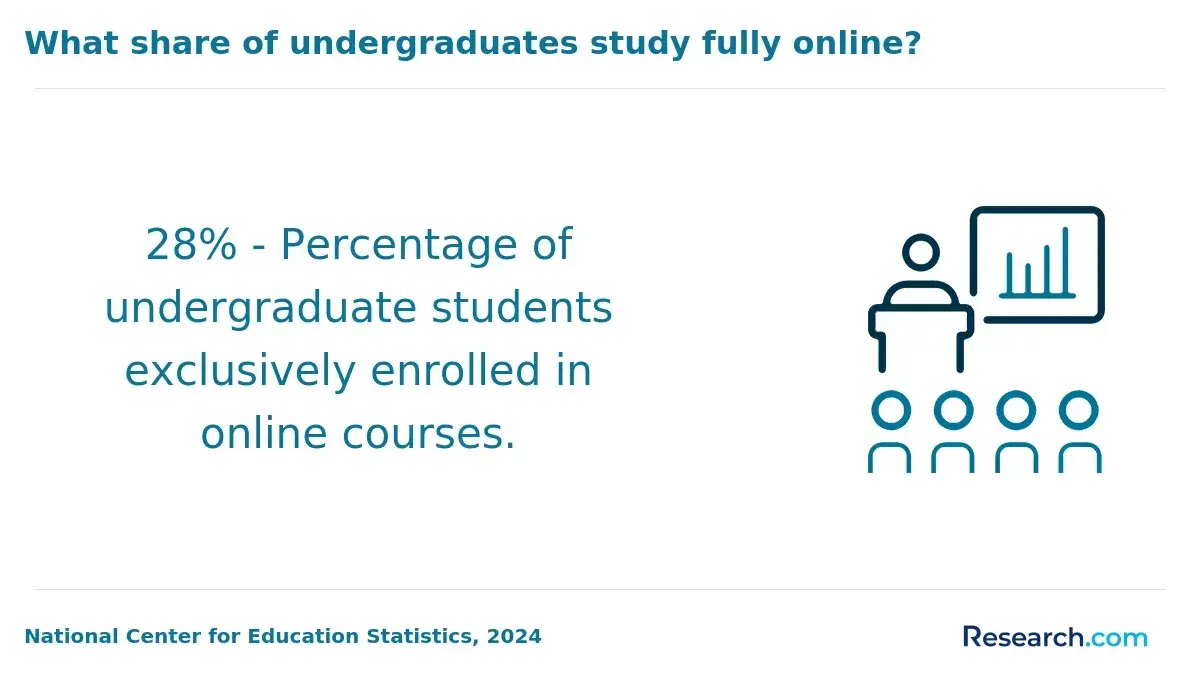
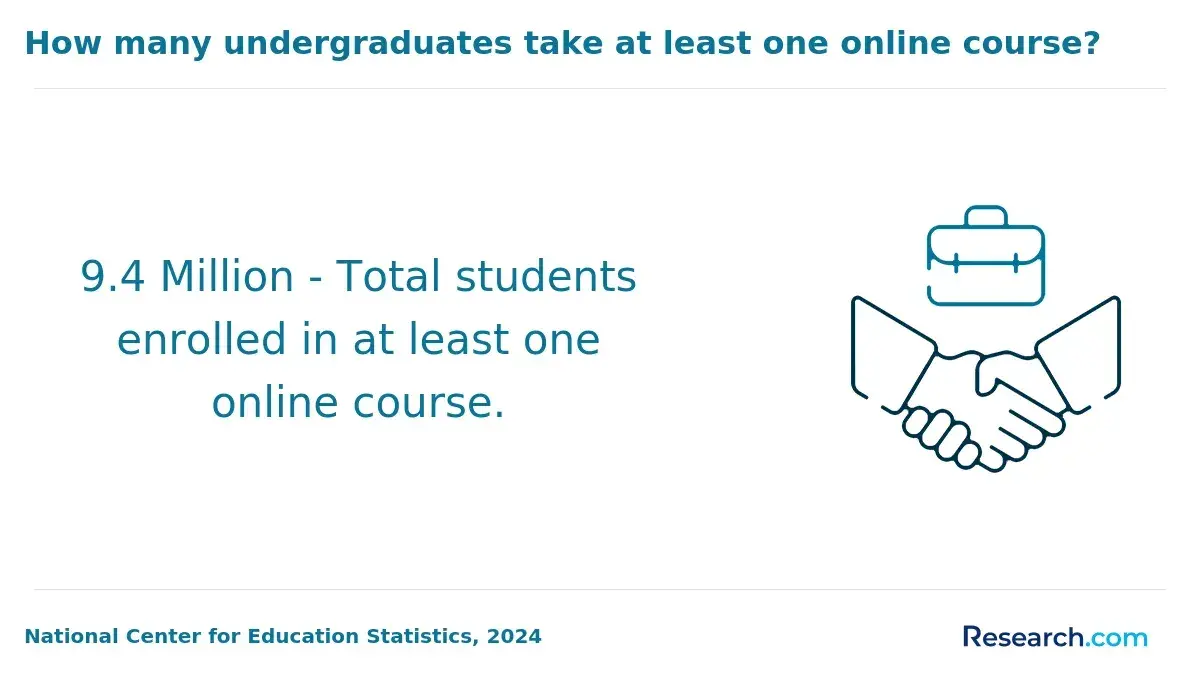
Online certificates can reduce commuting and make part-time enrollment more practical, especially for veterans balancing civilian employment, caregiving, Reserve obligations, or medical appointments. They are most effective when the occupation does not require extensive in-person equipment training or when the school has arranged nearby practicum options.
On-campus or hybrid delivery is often the better choice for skilled trades, direct patient care, and programs where employers expect extensive supervised practice. Online study also changes the housing-benefit calculation for some VA education benefits, so ask the school's VA certifying official how your exact enrollment pattern is certified. Veterans comparing online options with online colleges starting this month should confirm that frequent start dates do not disrupt course sequencing, benefit certification, or access to required labs.
Choose online delivery for flexibility and self-direction; choose campus or hybrid study when physical practice, local networking, or structured accountability is the deciding factor.
What accreditation and GI Bill eligibility should veterans look for in certificate programs?
For a college-based certificate, look first for institutional accreditation recognized by the U.S. Department of Education or the Council for Higher Education Accreditation, then verify programmatic accreditation where a field requires it. Institutional accreditation supports academic quality and may matter for transfer credit and federal aid, but it does not by itself establish that a program meets a professional licensing rule.
GI Bill use requires VA approval for the specific school and program of education. Ask for written confirmation from the school's School Certifying Official and independently check VA program approval information before enrolling. This is especially important for noncredit providers, bootcamps, and short training programs, which may not operate under the same approval framework as a college certificate.
Veterans considering larger degree pathways can compare most reputable online universities, but should still verify the exact certificate's approval, delivery mode, and applicable licensure alignment.
What admissions and military service documentation do veterans need for online certificates?
Admissions requirements depend on the provider and credential. A credit-bearing undergraduate certificate commonly requests an application, identity documentation, prior-school records, and placement information when needed. Noncredit professional certificates may require only registration, while advanced IT, healthcare, or graduate-level certificates can require prior coursework, a degree, or relevant experience.
Prepare your military and benefits documentation early because admissions and VA certification are separate processes. The following materials are commonly useful, although each school sets its own requirements.
- DD Form 214 or other service documentation when the school evaluates military learning or veteran status
- Certificate of Eligibility or education-benefit information requested by the school's VA office
- Official military transcript, such as JST or CCAF records, if seeking evaluated transfer or prior-learning credit
- High school, college, or prerequisite-course transcripts when the program requires them
- Background-check, immunization, drug-screen, or clinical documentation for applicable healthcare programs
Do not assume military training will automatically transfer. Ask which courses are evaluated, whether credits apply to the certificate rather than only elective credit, and whether an evaluation occurs before your first term.
How long do online certificate programs for veterans take, and what do they cost?
Many online certificates take from a few months to about one year, though credit-bearing programs with prerequisites or part-time schedules can take longer. The advertised tuition is only one cost factor: books, exam fees, software, tools, proctoring, travel, uniforms, clinical requirements, and lost work time can materially change the total investment.
Use the school's net price and term-by-term schedule rather than a marketing claim about low monthly payments. Veterans can also compare cheap online universities when a stackable certificate may lead to a lower-cost degree path.
This cost framework helps distinguish a short program from an inexpensive one.
| Cost factor | Why it matters | Question to ask |
| Tuition and mandatory fees | Determines the base billed amount | What is the total charge for all required courses? |
| Benefits coverage | VA payments depend on eligibility and enrollment certification | Which charges are covered under my benefit chapter? |
| Required materials | Technical and clinical programs may need costly equipment | What supplies, software, exams, and travel are excluded? |
| Time to completion | A longer path can increase living and opportunity costs | What prerequisites and course sequences could delay completion? |
For current payment amounts and personal eligibility, rely on VA and school-specific information rather than a general estimate; benefit rules and enrollment details can change.
What common fields and coursework are offered in online certificates for veterans?
Online certificates usually focus on a narrow occupational skill set rather than the broad curriculum of an associate or bachelor's degree. Common fields include information technology, cybersecurity, business administration, project management, supply chain, healthcare administration, medical coding, digital design, criminal justice, emergency management, education support, and skilled-trade theory.
Coursework may include introductory concepts, industry software, ethics, communication, documentation, capstone projects, and exam preparation. In IT, a certificate might prepare a learner for a vendor-neutral or vendor-specific certification exam; passing that independent exam is a separate achievement. In healthcare and legal fields, programs may teach terminology and workflow but cannot substitute for a state license or legally required supervised training.
Veterans with long-term academic goals should ask whether credits are stackable into an associate or bachelor's degree. Those considering eventual senior academic study can also explore online PhD programs for working professionals, although a short certificate is not normally a direct substitute for graduate-degree prerequisites.
What civilian career paths and job roles can veterans pursue with these certificates?
A certificate can support an entry-level transition, strengthen an existing résumé, or document a focused specialization. The right civilian role depends on prior experience, local demand, clearance status where relevant, portfolio quality, licensing rules, and employer requirements - not on the certificate alone.
The table separates realistic target roles from roles that commonly need further education, credentials, or experience.
| Certificate focus | Possible civilian roles | Important qualification note |
| IT support or cybersecurity foundations | Help desk technician, technical support specialist, junior security analyst | Employers may also seek industry certifications, experience, or a degree |
| Medical billing and coding | Billing specialist, coding support, claims representative | Certification preferences vary by employer and setting |
| Logistics or supply chain | Logistics coordinator, inventory specialist, operations assistant | Experience with enterprise systems can be decisive |
| Digital design | Production artist, junior designer, content specialist | A portfolio is typically essential |
| Emergency management | Preparedness coordinator assistant, program support specialist | Government roles may have additional hiring requirements |
Translate military duties into outcomes: equipment maintained, teams led, inventories managed, incidents documented, systems secured, or training delivered. Avoid relying only on military job titles, which civilian recruiters may not recognize.
What salary ranges and promotion opportunities can veterans expect after completing certificates?
Salary varies far more by occupation, geography, experience, employer, clearance eligibility, and degree requirements than by certificate completion alone. Use occupational wage data as a market benchmark, not as a promise about what a program graduate will earn.
For example, the BLS reported a May 2024 median annual wage of $59,180 for computer user support specialists. That figure can help an IT-focused veteran evaluate a support-career pathway, but employers may prefer experience, a degree, or certifications, and entry-level pay may be lower. BLS projects employment for information security analysts to grow 33% from 2023 to 2033, yet that higher-level occupation typically requires more than an introductory certificate.
Promotion often comes from combining the certificate with documented performance, targeted certifications, supervisory experience, and further education. A certificate is most financially sensible when it fills a specific skill gap tied to job postings you can realistically pursue.
How can veterans evaluate and choose a reputable online certificate program?
Evaluate programs backward from the job you want. Review several local and remote job postings first, identify recurring requirements, then compare each program's curriculum, delivery model, recognition, total cost, and benefit eligibility against those requirements.
Before committing GI Bill months or personal funds, take these steps.
- Define a target role, location, and acceptable entry-level work rather than enrolling based only on a broad subject interest.
- Confirm whether the credential is a college certificate, noncredit training certificate, or preparation for a separate industry certification exam.
- Verify VA approval for the exact program and ask how online, hybrid, and accelerated enrollment will be certified.
- Check institutional and programmatic accreditation when transferability, federal aid, certification eligibility, or licensure makes it relevant.
- Request the full program cost, including books, exam vouchers, equipment, travel, labs, and retake fees.
- Ask whether military transcripts, prior learning, or prior certifications can reduce required coursework without weakening career preparation.
- Speak with career services about recent employer partners, placement support, and the program's limitations for licensed occupations.
Common red flags include pressure to enroll immediately, vague statements about GI Bill coverage, guaranteed-job claims, missing instructor information, unclear refund policies, and no explanation of required hands-on training. A reputable provider will give direct answers in writing and will not represent a certificate as a license, degree, or professional certification when it is not.
Other Things You Should Know About
Sometimes. Eligibility depends on your benefit chapter, the school, the exact program, enrollment level, and VA approval. Confirm approval with the school's VA certifying official before enrolling because not every online or noncredit certificate qualifies.
They can be worthwhile when they match a specific job target, provide recognized skills, fit your schedule, and have a reasonable total cost. They are less useful when the target career requires a license, extensive clinical work, an apprenticeship, or a degree that the certificate does not provide.
It may. Many colleges review JST or CCAF transcripts, prior certifications, and documented training. Credit awards vary by school and may apply only as electives, so request an evaluation before deciding on a program.
A certificate is typically awarded by a college or training provider after completing a program of study. A certification is generally awarded by an independent professional organization after meeting its standards, often including an examination. A certificate may prepare you for a certification exam, but it is not the same credential.
References
- Financial Aid for Military & Veterans - Accounting.com https://www.accounting.com/resources/financial-aid-for-veterans/
- Financial Aid for Veterans and their Dependents - Finaid https://finaid.org/military/veterans/
- Best Online Universities for Military Veterans: Tuition Benefits and Support https://lakewood.edu/best-online-universities-for-military-veterans-tuition-benefits-and-support/
- Student Veteran's Guide To College Success https://www.accreditedschoolsonline.org/resources/higher-education-for-military-veterans/
- Free Online Courses for Veterans & Certifications for Military Spouses https://careerrecon.com/free-online-courses-certifications-veterans-military-spouses/
- Free Military Transition Resources, Certifications, and Programs That Actually Work https://pcspayitforward.com/free-military-transition-resources-certifications-and-programs/
- Best Trade Careers for Military Veterans in the United States | Skillit https://skillit.com/the-best-trade-careers-for-military-veterans-in-the-united-states-1
- Veterans Without Degrees: Benefits and Opportunities of Certifications https://www.luminafoundation.org/resource/veterans-without-degrees/
- Best IT Certifications for Military Veterans Transitioning to Civilian Jobs https://trainingcamp.com/articles/best-it-certifications-for-military-veterans-transitioning-to-civilian-jobs/
- 2025 Best Military-Friendly Online Colleges https://www.onlineu.com/online-schools/military-friendly