2027 Best Online Certifications for Veterans

Co-Founder and Chief Data Scientist
Veterans choosing an online certificate need more than a fast program: they need training that matches a civilian role, benefits rules, and employer expectations. The U.S. Bureau of Labor Statistics projects computer and information technology occupations to grow 7% from 2024 to 2034, illustrating why targeted skills credentials can be valuable when aligned with a real job path.
This guide compares certificate options, explains military education benefits, and shows how to evaluate cost, recognition, flexibility, and career outcomes before enrolling.
Key Things You Should Know
- Choose a certificate when you need structured education in a field; choose an industry certification when an employer or professional body expects proof that you passed its exam or met its standards.
- GI Bill funding for online study depends on the school, program approval, enrollment status, and benefit chapter; VET TEC may cover approved high-demand technology training but has separate eligibility and provider rules.
- Prioritize fields with a clear civilian target: BLS projects computer and IT occupations to grow 7% from 2024 to 2034, while healthcare, skilled trades, logistics, and public safety can require state-specific licenses or supervised training.
Top 10 Best Online Certifications for Veterans
Popular Trade School Programs
Online trade certificates work best for theory-heavy preparation rather than hands-on licensure training. Options include HVAC fundamentals, electrical theory, construction management, welding safety, automotive service, supply chain operations, and industrial maintenance. Many programs are noncredit career training; community college certificates may be credit-bearing and stack into an associate degree. Veterans should confirm required labs, tools, apprenticeships, and state licensing pathways before enrolling. A fully online program may prepare you for an exam, but it generally cannot replace supervised field hours for electricians, plumbers, or many HVAC roles.
Healthcare Programs
Online healthcare certificates commonly cover medical billing and coding, health information, pharmacy technician theory, medical assisting coursework, healthcare administration, and patient care support. They suit veterans seeking an entry route into a regulated, documentation-heavy field, especially those with medical, administrative, or logistics experience. Completion time ranges from weeks for short noncredit training to about a year for academic certificates. Verify whether clinical placement is included, whether the curriculum meets certification-exam eligibility, and whether your state requires a license, background check, immunizations, or in-person clinical hours.
Criminal Justice / Law Programs
Online criminal justice, legal studies, paralegal, cybersecurity law, and emergency management certificates can help veterans translate experience in security, investigations, leadership, or operations. Academic certificates may be credit-bearing and useful for advancement or later degree study; short professional certificates are usually noncredit. A certificate alone does not qualify someone as a police officer, attorney, or licensed private investigator. For paralegal work, employer preferences and voluntary professional standards vary. Confirm whether the program addresses your state's rules and whether it provides practical legal research, writing, records, or case-management training.
Arts & Design Programs
Online certificates in graphic design, user experience design, digital media, photography, animation, web design, and video production can suit veterans building a civilian portfolio. The strongest programs provide instructor feedback, portfolio projects, current software exposure, and a clear explanation of whether coursework is credit-bearing. Entry-level hiring in creative fields often depends more on demonstrated work than on the certificate name alone. Veterans should compare software costs, hardware requirements, project ownership, and whether the curriculum reflects employer demand for accessible design, digital content, and AI-assisted production workflows.
What are the best online career fields and industries for veteran certificates?
This comparison separates credentials that can support a transition from those that usually require additional education, experience, or licensing:
| Career field | Useful online credential type | Best fit for veterans with | Important limitation |
| Cybersecurity and IT support | Industry certification preparation or technical certificate | Communications, intelligence, IT, or security experience | Employers may still expect hands-on labs and demonstrated skills |
| Logistics and supply chain | Academic or professional certificate | Transportation, maintenance, procurement, or operations experience | Advanced roles may prefer a degree or substantial civilian experience |
| Healthcare administration | Medical billing, coding, or health information certificate | Medical administration, records, or leadership experience | Clinical roles have separate training and licensing requirements |
| Project management | Professional certificate or certification-exam preparation | Team leadership, planning, and mission execution experience | Some certifications require documented professional experience |
For veterans comparing short programs with credentials that have stronger pay potential, this guide to online certifications can help distinguish job-focused options from general-interest training. Do not select technology training solely because it is online or fast: confirm the exact job title, required tools, portfolio expectations, and certification pathway in local or remote job postings.
How do military benefits, GI Bill, and VET TEC work for online certificates?
Military education benefits can reduce direct tuition costs, but eligibility is not automatic simply because a program is online. The Post-9/11 GI Bill may pay tuition and fees for approved programs at eligible institutions and can provide a housing allowance under qualifying enrollment conditions. The amount, payment destination, and housing eligibility depend on benefit tier, program type, training time, and whether the coursework is considered resident or distance learning.
VET TEC is separate from the GI Bill and is intended for approved high-demand technology training from participating providers. It can be particularly relevant for cybersecurity, software development, cloud, data, and IT training, but participants should verify current availability, remaining entitlement rules, provider approval, and employment-related requirements directly with VA before committing.
Take these steps before signing an enrollment agreement:
- Request the school's VA-certifying official to confirm that the exact program, start date, and delivery format are approved for your benefit chapter.
- Ask whether the credential is credit-bearing, whether enrollment is reported as full-time or part-time, and whether required fees, labs, books, exams, or equipment are covered.
- Compare the benefit use against your end goal; preserving entitlement for a degree may make more sense if your intended occupation requires one.
- Keep copies of your Certificate of Eligibility, enrollment certification, tuition estimate, and any school communication about benefit processing.
A common mistake is assuming every online course at an approved college is itself VA-approved. Program approval and enrollment certification are specific, so obtain written confirmation before paying nonrefundable charges.
How can veterans compare accredited online certification programs and schools?
Accreditation matters most when a certificate carries academic credit, uses federal financial aid, leads toward a degree, or supports a regulated career. Institutional accreditation evaluates the college as a whole; programmatic accreditation evaluates certain professional programs. Neither should be confused with an industry certification issued by a vendor or professional association.
Use the following comparison points to assess whether an online program is credible and practical for your goal:
| Comparison factor | What to verify | Why it matters |
| Credential type | Academic certificate, noncredit certificate, bootcamp completion credential, or certification preparation | Determines transfer value, funding options, and employer interpretation |
| School recognition | Institutional accreditation where relevant and VA approval for benefit use | Helps protect credit transfer and benefit eligibility |
| Career alignment | Named job roles, curriculum, labs, internships, and exam preparation | Prevents enrolling in broad training that does not meet hiring requirements |
| Total cost | Tuition, fees, books, software, equipment, testing, travel, and retake costs | Shows the actual investment beyond advertised tuition |
| Student support | Veterans office, disability services, tutoring, career advising, and technical support | Can determine whether an online format is sustainable |
If you want a credit-bearing route that may lead into a longer program, compare certificates with easy online associate degrees. "Easy" should not mean low value: assess whether the program has the required labs, faculty support, and career relevance for your intended field.
Red flags include vague claims about accreditation, guaranteed jobs, pressure to enroll immediately, missing refund policies, unclear exam fees, and no explanation of state authorization or licensure eligibility. Ask for the catalog, credential-award requirements, completion policy, and a written total-cost estimate.
What admission requirements and prior military training credits apply to veterans?
Admissions rules depend on provider type. A community-college academic certificate may require an application, transcripts, placement steps, prerequisites, and proof of residency. A university graduate certificate may require a bachelor's degree and field-specific prerequisites. Noncredit career training and certification-preparation courses often use open enrollment, but an industry certification exam may impose its own experience, training, or identity requirements.
Before applying, provide official records early and ask these focused questions:
- Which military courses, examinations, or prior college credits will be evaluated for this specific certificate?
- Will awarded credit reduce tuition, shorten completion time, or merely appear as elective credit?
- Do prerequisites require recent coursework, a placement assessment, background clearance, or prior work experience?
- Can credits from this certificate later apply to an associate or bachelor's degree in writing?
Do not assume military leadership experience substitutes for clinical prerequisites, state-mandated training, or certification-exam experience requirements. It may strengthen an application or résumé while still not meeting a regulated occupation's formal rules.
How do online certification formats, pacing, and support services fit veteran lifestyles?
Online certificates range from self-paced modules to scheduled courses with live meetings, exams, team projects, and proctored assessments. Asynchronous courses suit veterans managing work, family, medical appointments, reserve obligations, or relocation. Cohort-based programs can offer stronger accountability and networking but may be harder to fit around unpredictable schedules.
Choose a format based on the learning activity, not convenience alone. Technical programs often need virtual labs or home equipment; healthcare and trades may require local clinicals, simulations, labs, or apprenticeships. Ask whether attendance is mandatory, whether examinations use remote proctoring, how quickly instructors respond, and what happens if service-related obligations interrupt a term.
Veteran-friendly support should include a knowledgeable certifying official, academic advising, accessibility services, mental-health referral pathways, tutoring, career coaching, and clear deployment or withdrawal policies. Test the learning platform before the first term and budget weekly study time realistically. A short certificate can still demand 10 to 20 hours per week when completed on an accelerated schedule.
What tuition costs, financial aid, and scholarship options exist for veteran certificates?
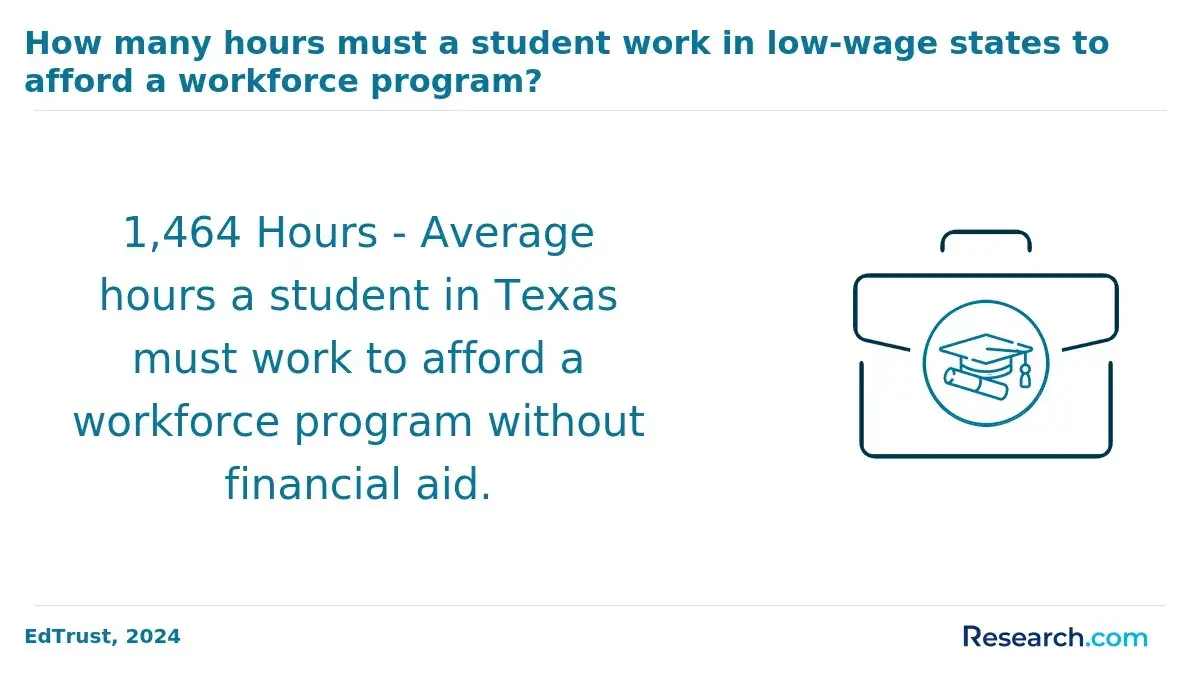
Cost comparisons should start with the full price, not the monthly payment or headline tuition. Credit-bearing public-college certificates may charge per credit plus institutional fees. Noncredit providers may bundle tuition but charge separately for certification exams, software, tools, background checks, uniforms, clinical requirements, or required travel.
Potential funding sources vary by credential and eligibility. Review each source against the exact program rather than assuming it applies:
- GI Bill education benefits may be available for approved programs at eligible schools, subject to VA rules and remaining entitlement.
- Federal student aid may apply to eligible credit-bearing programs at participating institutions, but many short noncredit certificates do not qualify.
- State veteran education benefits, workforce-agency grants, and school-based veteran scholarships may offset uncovered costs.
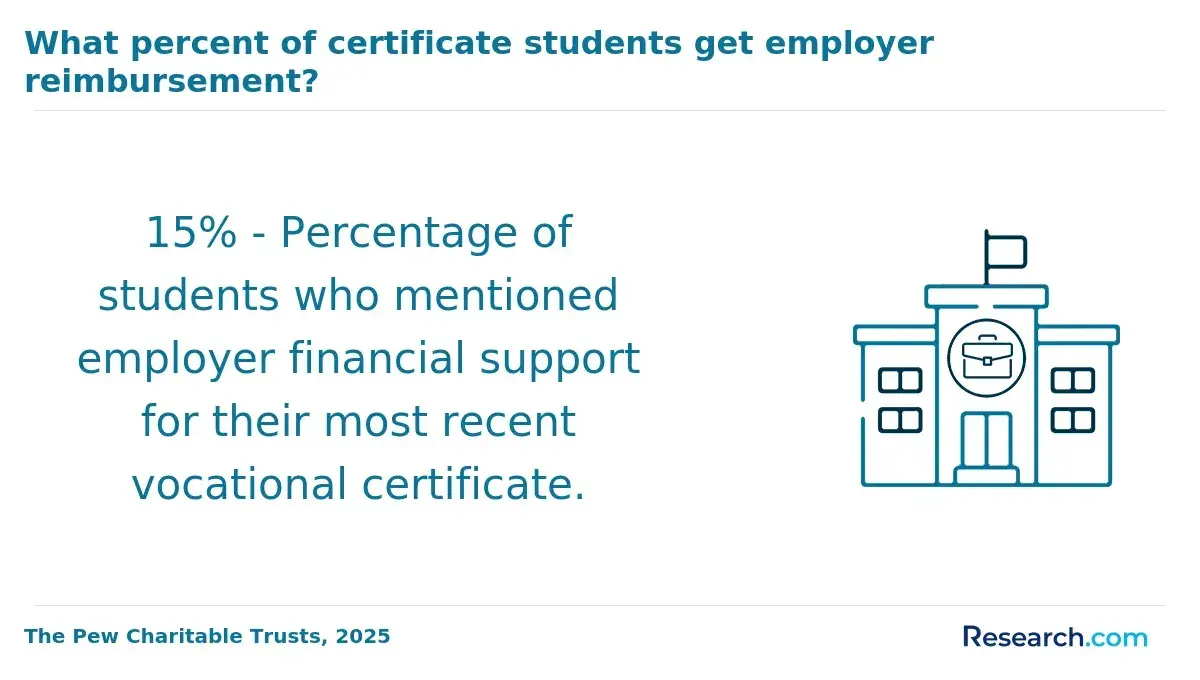
- Employer tuition assistance can be useful for veterans already working in a related civilian field.
- Payment plans reduce upfront cost but do not reduce the total price, so review interest, fees, and withdrawal terms.
Veterans considering a certificate as part of a faster graduate-school strategy can also evaluate masters in 6 months, but only if they already meet bachelor's-level admission requirements and the accelerated format fits their professional goal. Avoid borrowing for a credential until you have compared its total cost with the local hiring value of the named skill or certification.
What jobs, civilian career paths, and industries do veteran-focused certificates lead to?
Veteran-focused certificates do not create separate civilian occupations; they help translate or build the skills employers seek in existing roles. Strong outcomes are most likely when the curriculum maps directly to a job function, includes relevant tools or projects, and complements documented military experience.
The table below connects common certificate pathways to realistic entry points and indicates when further requirements are typical:
| Certificate focus | Potential civilian entry path | Typical additional consideration |
| IT support or cybersecurity | Help desk specialist, junior systems support, security operations support | Industry exams, labs, and a technical portfolio can improve competitiveness |
| Medical billing or coding | Revenue-cycle support, coding assistant, claims processing | Employers may prefer a recognized coding certification |
| Supply chain and logistics | Logistics coordinator, inventory specialist, transportation operations support | Experience with civilian software and regulations may be needed |
| Project coordination | Project coordinator, operations coordinator, scheduling support | Advanced project-management certifications may require experience |
| Digital design | Production artist, content assistant, junior web content role | A portfolio is often more important than coursework alone |
Veterans who discover that their desired role requires a full undergraduate credential rather than a short certificate may compare accelerated bachelors degree programs for adults. This can be a better investment for careers with degree-based hiring filters, provided the accelerated pace is manageable and transfer policies are confirmed.
Translate military experience into civilian language on your résumé: name the equipment, systems, team size, safety responsibilities, data tools, process improvements, and outcomes. Avoid relying on military job titles alone, since civilian hiring managers may not recognize them.
What salaries and long-term earning potential can veterans expect after certification?
Salary potential depends primarily on occupation, location, experience, clearance eligibility, shift differentials, employer, and education level—not on possession of a certificate alone. Certificates can help someone qualify for training, demonstrate current skills, or meet an employer preference, but they do not guarantee an interview, job offer, or pay level.
Recent BLS occupational data provides useful context for comparing longer-term paths, though it should not be treated as an outcome forecast for any individual program.
| Occupation group | 2024 U.S. median annual wage | How to use the figure |
| Computer and information technology occupations | $105,990 | Shows the broad field's wage level; individual entry roles and locations vary substantially |
| Healthcare support occupations | $37,650 | Useful for evaluating entry-level support pathways; licensed clinical roles can differ greatly |
| Transportation and material moving occupations | $39,020 | Relevant to some logistics routes, although supervisory and specialized jobs may pay differently |
| Business and financial operations occupations | $80,920 | Provides context for project, operations, and analyst pathways that often require additional experience or education |
Use salary data as a screening tool: compare the likely entry role, local wage listings, completion cost, and time away from work. A lower-cost credential with a direct hiring connection can offer better near-term value than an expensive certificate with unclear employer recognition.
How can veterans verify licensing, industry certification, and professional standards requirements?
Verify professional requirements before enrollment, particularly in healthcare, skilled trades, legal services, education, and public safety. State licensing boards, employers, and certifying organizations - not the school alone - determine whether coursework qualifies for a license or examination. Requirements can change and may differ by state.
Use this verification sequence to avoid investing in a program that does not meet your intended standard:
- Identify the exact job title and the state where you expect to work.
- Determine whether the role requires a license, registration, certification, background check, supervised hours, or approved curriculum.
- Read the licensing board or certifying organization's eligibility rules, including education and experience requirements.
- Ask the school for written confirmation of how its curriculum addresses those requirements, including clinical, lab, or practicum components.
- Confirm exam fees, renewal requirements, continuing education, and whether the credential is recognized by employers in your target area.
Be cautious with phrases such as "certification-ready" or "licensure-aligned." They may mean the course covers relevant content, not that completion makes you eligible for the examination or license. Keep written records of all confirmations.
Other Things You Should Know About
Often, yes, if the school and exact program are approved and you meet benefit eligibility rules. Coverage, housing allowance eligibility, and enrollment reporting vary by benefit chapter, program type, and course format. Confirm details with the school's VA-certifying official before enrolling.
A certificate is awarded by a college, university, or training provider after coursework. A certification is awarded by a certifying organization after you meet its standards, often through an exam and sometimes experience requirements. A certificate may prepare you for a certification, but it does not automatically grant it.
It can, especially in credit-bearing college programs, but acceptance is determined by the school. Submit official military transcripts early and ask whether approved credit applies directly to certificate requirements, reduces tuition, or transfers into a future degree.
They can be worthwhile when they lead to a specific job skill, recognized certification, required prerequisite, or stackable academic credential. They are less worthwhile when the provider cannot explain employer recognition, total costs, licensing limits, or how the program connects to a realistic civilian role.
References
- Financial help for veterans: 18 sources and programs https://www.gofundme.com/c/blog/financial-help-for-veterans
- Job Training Programs for Veterans - Hire Heroes USA https://www.hireheroesusa.org/training-partners/
- Highest Paying Jobs for Veterans: Where Skills Pay Off | Milivate https://www.milivate.com/library/highest-paying-jobs-for-veterans
- Hiring Military Veterans https://airsdirectory.com/products/military-veteran-hiring-and-recruiting
- Veterans Without Degrees: Benefits and Opportunities of Certifications https://www.luminafoundation.org/resource/veterans-without-degrees/
- Best Careers for Veterans: High-Paying Jobs and Top Opportunities https://mysalesplatoon.com/blog/b/best-careers-for-veterans
- Get Approved For Funding https://www.credentialingexcellence.org/Resources/Military-and-Veterans/Get-Approved-for-Funding
- VETS - Beyond the Uniform https://vetsbeyondtheuniform.com/employer-designations
- Best Certifications for Veterans to Earn in Under 6 Months | Jobs for Veterans | G.I. Jobs https://www.gijobs.com/employment-tips/best-certifications-for-veterans-to-earn-in-under-6-months/
- High-Paying Jobs for Veterans: Career Paths That Reward Discipline, Leadership, and Real-World Experience https://pwa.edu/news/high-paying-jobs-for-veterans/