2027 Best Certifications With No GPA Requirement

Co-Founder and Chief Data Scientist
A low high-school or college GPA should not automatically block career training, but "no GPA requirement" can mean open enrollment, a minimum education requirement, or a provider that reviews readiness differently. This guide helps adult learners, career changers, and recent graduates compare certificate programs and industry certifications without assuming they are the same thing. U.S. Bureau of Labor Statistics data show that several occupations commonly entered through postsecondary nondegree awards, including practical nursing and dental assisting, had median annual pay above $45,000 in May 2024. Learn which path fits your goal, budget, schedule, and licensing rules.
Key Things You Should Know
- Many short certificate programs have open enrollment or no published GPA cutoff, but may still require a high school diploma, GED, placement testing, immunizations, background checks, or prerequisite courses.
- A certificate is education completed through a school or training provider; a certification is a professional credential usually earned through an exam or an industry body. Check which one employers or licensing boards actually require.
- For context, the BLS reported May 2024 median pay of $62,340 for electricians and $59,210 for licensed practical and licensed vocational nurses; occupation-level pay varies by location, experience, license, and employer.
Top 10 Best Certifications With No GPA Requirement
Popular Trade School Programs
Trade certificates commonly emphasize hands-on skills rather than prior GPA. Options include welding certificates, HVAC/R technician certificates, electrical technology certificates, automotive service certificates, commercial driver training, and plumbing apprenticeships. Programs may take weeks to about a year; associate degrees generally take about two years and can add general education coursework. Choose a certificate for faster entry-level preparation, but choose an apprenticeship or associate degree when a state license, union pathway, or broader advancement requires it. Confirm lab time, required tools, safety training, exam preparation, and employer connections before enrolling.
Healthcare Programs
Common no-GPA or low-barrier healthcare pathways include nursing assistant training, phlebotomy, medical assisting, medical billing and coding, pharmacy technician, dental assisting, and practical nursing certificates. Healthcare programs often use prerequisites or entrance assessments instead of a GPA cutoff. Clinical programs can require drug screening, immunizations, CPR certification, criminal-background review, and in-person clinical hours. A school certificate may prepare students for an external examination but does not itself create a license. Verify the program meets the requirements of the relevant state board, employer, or certifying organization before paying tuition.
Criminal Justice / Law Programs
Certificate options include paralegal studies, legal administrative assisting, crime scene investigation fundamentals, corrections training, security guard preparation, and emergency dispatch education. Many entry-level programs focus on a diploma or GED, age requirements, and background eligibility instead of GPA. A paralegal certificate can build legal-office skills, but it does not authorize someone to practice law. Security, corrections, law-enforcement, and dispatch roles can have agency-specific fitness, background, citizenship, driving-record, and state-training requirements. Compare local employer postings with a program's curriculum before choosing an online-only option.
Arts & Design Programs
Graphic design, UX/UI foundations, digital marketing design, photography, video editing, animation, interior design assistance, and web production certificates often prioritize a portfolio over GPA. Noncredit bootcamps can be fast and flexible, while college certificates may offer academic credit and clearer pathways into an associate or bachelor's degree. For creative jobs, completed work matters: students should leave with polished projects, software familiarity, and permission to show work publicly. Avoid programs that promise employment without explaining portfolio reviews, instructor feedback, software costs, or the exact tools employers use.
What types of certifications typically have no GPA requirement for admission?
Certifications with no GPA requirement are most often workforce credentials, noncredit career training, open-admission community-college certificates, and vendor or association certifications. They evaluate eligibility differently because they are not always degree programs.
The comparison below separates common routes so applicants can avoid applying an academic-admissions standard to an industry credential.
| Credential type | Typical provider | How GPA usually matters | Best use |
| Noncredit workforce certificate | Community college or adult career center | Often no GPA review; diploma, ID, or placement may apply | Fast occupational training |
| Credit-bearing college certificate | Community or technical college | May have open admission but course prerequisites can apply | Stacking into a degree |
| Industry certification | Vendor, professional association, or licensing-related body | Usually no GPA; exam, training, or experience rules may apply | Validating a specific skill |
| Apprenticeship | Employer, union, or joint training committee | GPA may not be required; aptitude testing is common | Paid work-based learning |
Examples include entry-level IT certifications, CPR training, commercial driving instruction, and many vendor software credentials. Advanced certifications may require documented work experience even when GPA is irrelevant. If your long-term goal is a degree, ask whether the certificate carries transcripted credit and whether a receiving institution will accept it.
How do admission requirements work for certifications without GPA cutoffs?
"No GPA cutoff" is not the same as "no admissions requirements." Open-enrollment programs generally admit qualified applicants until capacity is reached, while selective clinical cohorts may evaluate prerequisites, testing, interviews, or compliance documentation instead of cumulative GPA.
Before applying, obtain the requirements in writing and distinguish school admission from program admission. A student may be admitted to a college but need a separate application for nursing, welding, or another limited-seat program.
- Confirm whether the credential is credit-bearing, noncredit, or an external certification exam.
- Check the minimum education, age, identity, English-language, and residency requirements.
- Ask whether placement testing, prerequisite grades, entrance exams, interviews, portfolios, or aptitude tests are used.
- Identify health, background, physical, driving-record, or drug-screen requirements before making a deposit.
- Request the refund policy and the next available start date in writing.
A weak academic record can still matter if the program requires anatomy, algebra, or other prerequisite courses. In that case, completing a recent prerequisite successfully can be more useful than searching for a program that merely advertises no GPA review.
What accredited schools and organizations offer reputable no-GPA certification programs?
Public community and technical colleges, accredited nonprofit institutions, registered apprenticeship sponsors, state-approved career schools, unions, healthcare employers, and established professional associations can all be credible choices. Students seeking mission-driven online institutions can also compare non profit colleges when a credit-bearing certificate is the better fit.
Use this screening framework before enrollment.
| Program goal | Quality check | Warning sign |
| State-regulated occupation | Confirm approval with the state licensing board | Provider will not identify eligibility by state |
| Industry certification | Check the certification owner's official eligibility rules | Training seller implies it awards the certification |
| College certificate | Confirm accreditation and transcripted-credit policy | Unclear credit, transfer, or withdrawal policies |
| Apprenticeship | Confirm sponsor registration, wages, and classroom plan | Upfront fees for a supposed paid apprenticeship |
Accreditation does not guarantee transfer credit, employment, or licensure. It is one quality signal that should be combined with curriculum, completion expectations, total cost, and local hiring demand.
How do online and campus-based no-GPA certification programs compare?
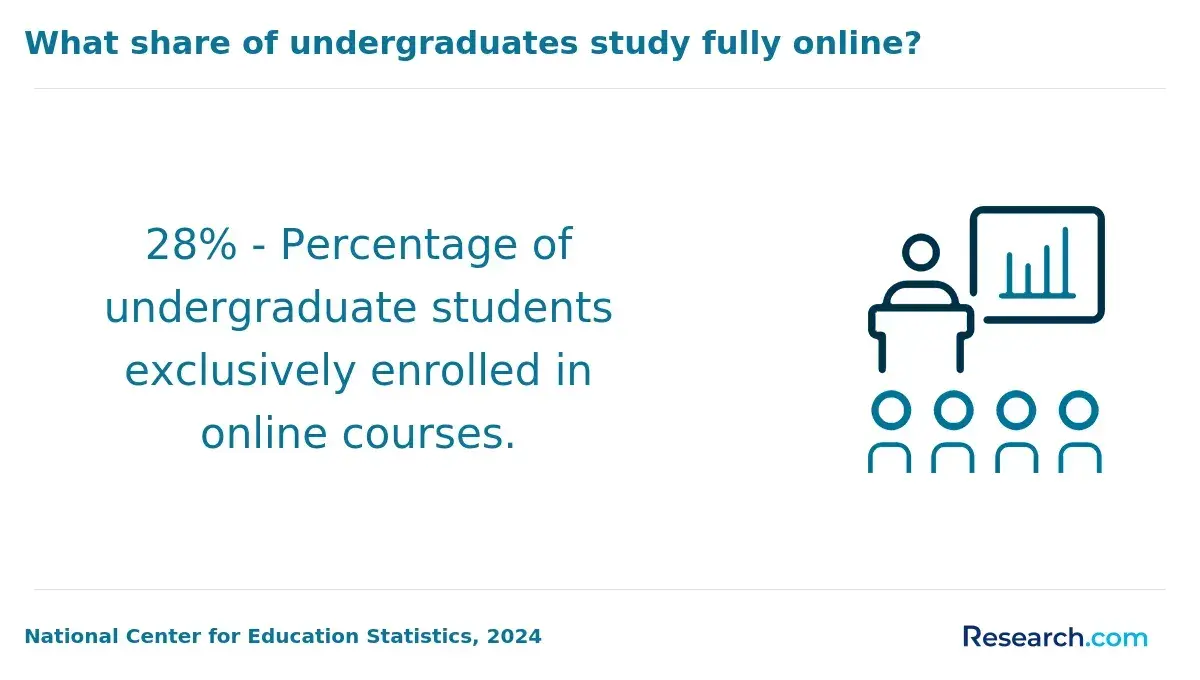
Online no-GPA programs can work well for theory-heavy subjects such as billing, coding, IT support, legal administration, and digital design. Campus or hybrid formats are usually stronger when students need supervised equipment practice, labs, studio critique, clinical rotations, or employer-facing practical assessments.
This comparison highlights the operational trade-off rather than assuming one format is universally better.
| Factor | Online | Campus or hybrid |
| Scheduling | Often asynchronous and easier to fit around work | Set class, lab, or clinical times |
| Hands-on learning | May require local placement or separate practice arrangements | Direct access to labs, equipment, and instructors |
| Networking | Requires deliberate virtual outreach | Often easier through classmates and local employers |
| Best fit | Self-directed learners in digital or administrative fields | Skills requiring observation and supervised practice |
Ask exactly where required practical hours occur and who arranges them. If remote work is the end goal rather than simply online study, compare relevant work from home degrees alongside short credentials; some remote occupations require deeper technical or academic preparation than a brief certificate provides.
What program lengths, costs, and financial aid options exist for these certifications?
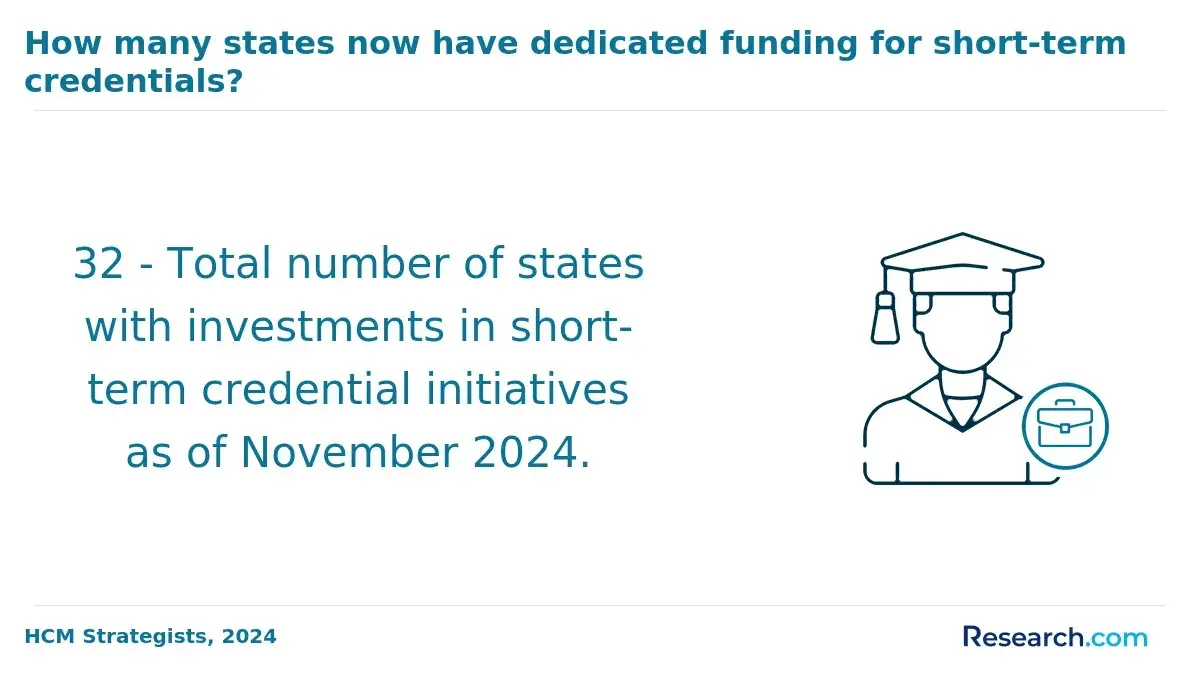
Program length and price vary more by credential type than by GPA policy. A short noncredit course may last days or weeks, career certificates commonly run several months to one year, and credit-bearing certificates may take one or more academic terms. Associate degrees usually take about two years of full-time study, although part-time enrollment extends that timeline.
Costs should be compared as a total, not just tuition. The table identifies the expense categories that can change the real price substantially.
| Cost category | Often applies to | Why it matters |
| Tuition and fees | College and private career programs | May differ for credit and noncredit enrollment |
| Exam and renewal fees | Industry certifications and licenses | May be separate from training tuition |
| Tools, uniforms, software, and books | Trades, healthcare, and design | Can be required before instruction begins |
| Travel, clinical, and background costs | Healthcare and public-safety pathways | Often excluded from advertised tuition |
Federal student aid generally requires enrollment in an eligible program at a participating institution; many noncredit courses and independent certification exams do not qualify. Ask about employer tuition assistance, Workforce Innovation and Opportunity Act funding through local workforce agencies, veterans' education benefits where eligible, payment plans, scholarships, and state workforce grants. A credit-bearing certificate may cost more and take longer but can be a better value when it transfers into a degree. Learners considering a later bachelor's path can compare best bachelor degrees before choosing a certificate with no usable academic credit.
Which careers and job roles can you access with no-GPA certifications?
No-GPA credentials can support entry-level access to skilled trades, support healthcare, office administration, technology support, transportation, protective services, and creative production. They are most useful when employers value a defined skill, a required training record, or a recognized examination.
The following examples show realistic role connections, while recognizing that employers may require experience, a license, or an additional credential.
| Training direction | Possible entry-level roles | Important limitation |
| HVAC, electrical, welding, automotive | Helper, technician trainee, apprentice | Independent work may require apprenticeship hours or licensing |
| Medical assisting, phlebotomy, billing | Medical assistant, phlebotomist, billing specialist | Scope and certification preferences vary by employer and state |
| IT support or software certification | Help desk technician, support specialist | Portfolio, troubleshooting ability, and experience remain important |
| Design and digital media | Production assistant, junior designer, content assistant | Portfolio quality often outweighs the credential title |
Choose a certificate when the target posting explicitly accepts it or treats it as preferred. Consider an associate or bachelor's degree for careers with broad general-education expectations, formal advancement ladders, or roles that list a degree as required. For long-term academic careers, a certificate is not a substitute for an easiest PhD to get pathway; doctoral admission normally requires substantially more prior education and research preparation.
What salary ranges and earning potential are realistic with these certifications?
Salary depends on the occupation, geography, overtime, union coverage, experience, employer, and required license - not simply on having a certificate. The BLS May 2024 median annual wage was $62,340 for electricians, $59,210 for licensed practical and licensed vocational nurses, $46,660 for medical assistants, and $48,790 for graphic designers. These figures describe all workers in each occupation, not the earnings of certificate completers.
Use occupational wage data as a ceiling-and-context check, then compare it with local entry-level postings and the training cost. A short program can be financially sensible when it leads to a clear hiring channel and limited debt; it is less compelling when the advertised role usually requires a degree, portfolio, lengthy unpaid clinical placement, or additional licenses.
Ask each provider for transparent completion, examination, placement, and employer information, but treat school-reported outcomes carefully. Definitions, reporting periods, and the share of graduates included can differ widely.
Do no-GPA certification programs still meet licensing and professional credential requirements?
Sometimes. A no-GPA admission policy does not change the legal or professional requirements that apply after training. For regulated careers, the decisive question is whether the specific program meets the education, clinical, examination, and background standards set by the state or credentialing body.
For example, practical nursing programs must meet state-board requirements before graduates can pursue the NCLEX-PN; a medical billing certificate may prepare a student for a voluntary professional exam; and an HVAC certificate may support entry into work but does not replace local licensing rules. Requirements can change by state and employer.
Before enrolling, complete these checks.
- Identify the exact job title and state where you expect to work.
- Check the state licensing board or credential owner's eligibility requirements directly.
- Ask whether the school's curriculum prepares for a named exam and whether exam fees are included.
- Confirm whether required clinical, supervised, or field hours are built into the program.
- Review whether a past conviction, health condition, or background result could affect placement or licensure.
Do not rely on statements such as "license eligible" without confirming the claim for your location and start date.
How can students evaluate and choose a high-quality no-GPA certification program?
The best no-GPA program is not necessarily the fastest or cheapest one; it is the one whose admission rules, curriculum, delivery format, and credential outcome match the job you want. Start with local job postings and work backward to the minimum education, certification, portfolio, or license employers request.
Use these questions in conversations with admissions staff, program directors, and employers.
- Is there truly no GPA cutoff, and are there separate prerequisites, tests, or cohort-selection rules?
- What credential will I receive: a school certificate, academic credit, eligibility for an exam, or an industry certification itself?
- What is the full price including fees, equipment, exams, uniforms, software, travel, and retake costs?
- Who approves or recognizes the program, and does that approval apply in my state?
- What percentage of instruction is hands-on, and where will clinical or field experiences occur?
- Can credits transfer or stack into an associate or bachelor's degree if my plans change?
- What are the withdrawal, refund, attendance, and make-up policies?
Common mistakes include confusing a training provider's completion certificate with an independent certification, overlooking clinical or tool costs, assuming online learning satisfies hands-on rules, and enrolling before checking state licensing requirements. Avoid pressure-based enrollment tactics, vague outcome claims, and providers that will not provide a catalog, written total cost, or clear refund policy.
Other Things You Should Know About
Often, yes. Many industry certifications do not ask for GPA at all, while workforce certificates may use open enrollment or readiness requirements. However, some college-based or clinical programs still require prerequisite coursework, testing, or competitive selection.
Most employers focus more on relevant skills, required licenses or certifications, practical experience, reliability, and interview performance. GPA may matter for some internships, selective programs, or early-career roles, but it is rarely the central requirement for trade and workforce positions.
A certificate is usually better when you need focused skills quickly and the target job accepts it. An associate degree can be better when you need broader training, transferable credits, or access to roles with stronger educational requirements. Review actual job postings before deciding.
Possibly, if the certificate is an eligible program at a participating school and you meet federal or state aid rules. Noncredit training and standalone certification exams often are not eligible for federal aid, though employer assistance, workforce grants, scholarships, and payment plans may be available.
References
- Lack University Degree? Professional Certifications Can Help Propel Your Career https://www.adaptiveus.com/blog/how-certifications-can-help-your-career/
- 7 in-demand certifications in 2025 | edX https://www.edx.org/resources/in-demand-professional-certifications
- Best Paying Jobs Without a Degree: 24 High-Income Careers for 2026 - tripleten.com/blog https://tripleten.com/blog/posts/best-paying-jobs-without-a-degree
- 10 Quick Certifications That Lead To High-Paying Jobs | Become With Lantern https://www.learnhowtobecome.org/career-resource-center/quick-certifications-that-pay-well/
- The Value of Certificates vs. Degrees: What's Right for You? https://www.calmu.edu/the-value-of-certificates-vs.-degrees-whats-right-for-you
- Academic Catalog https://catalog.ccc.edu/academic-student-policy/appendix-procedures/
- General Schedule Qualification Policies https://www.opm.gov/policy-data-oversight/classification-qualifications/general-schedule-qualification-policies/
- Executive Search and Outplacement Services for the Engineering, Architecture, Construction, and Manufacturing Industries https://www.davron.net/best-entry-level-jobs-no-degree/
- Eligibility Pathways for Professional Certification https://assess.com/eligibility-pathways-certification/
- CourseCareers https://coursecareers.com/blog-posts/why-employers-no-longer-require-college-degrees