2027 Best Online Certificate Programs With 4-Week Courses

Co-Founder and Chief Data Scientist
Choosing a fast online certificate is difficult because a "4-week course" is not always a 4-week credential. Many programs bundle several accelerated courses, while others are noncredit training that may not transfer or meet licensing rules.
This matters as U.S. employment is projected to add 5.2 million jobs from 2024 to 2034, according to the Bureau of Labor Statistics (BLS). This guide helps career changers, working adults, and recent graduates compare program quality, workload, cost, recognition, and realistic next steps before enrolling.
Key Things You Should Know
- A 4-week online course is usually one accelerated class, not a complete certificate; a multi-course certificate commonly takes several 4-week terms to finish.
- Check whether the credential is credit-bearing, noncredit, industry-recognized, or designed to prepare for a separate certification or state license before paying tuition.
- BLS projects 5.2 million new U.S. jobs between 2024 and 2034, but job growth and occupational pay data describe occupations - not guaranteed outcomes for certificate completers.
Top 10 Best Online Certificate Programs With 4-Week Courses
Popular Trade School Programs
Fast online trade certificates work best for knowledge-based preparation, not hands-on skill verification. Options include construction management, HVAC fundamentals, electrical theory, welding safety, logistics, bookkeeping, and computer-aided design (CAD). A short online certificate can help an entry-level worker learn terminology, codes, estimates, or software. It usually cannot replace required shop hours, an apprenticeship, supervised fieldwork, or state licensing. Choose a hybrid program when the target occupation requires equipment practice, clinical-style assessment, or documented competency. Ask whether the certificate prepares you for an industry exam or is simply proof of course completion.
Healthcare Programs
Online healthcare certificates may cover medical billing and coding, health information support, pharmacy technician theory, medical terminology, patient access, or healthcare administration. Four-week classes can efficiently deliver compliance, terminology, and software coursework, but patient-care roles often require in-person labs, background checks, vaccinations, clinical placements, or state approval. A school certificate is different from certification through an organization such as a coding or pharmacy technician certifying body. Confirm whether employers in your area expect a national exam, whether externship support is included, and whether the program meets any state-specific eligibility rules.
Criminal Justice / Law Programs
Short online programs in criminal justice, paralegal studies, legal research, court administration, cybersecurity law, and conflict resolution can build foundational knowledge for support roles. They may suit current public-safety or administrative employees seeking targeted training. However, a short certificate generally does not qualify someone to become a police officer, attorney, probation officer, investigator, or licensed private investigator; those paths may require academy training, a degree, testing, background screening, or state authorization. For paralegal work, compare curriculum depth, local employer expectations, and whether the provider offers career services rather than assuming a certificate alone establishes professional eligibility.
Arts & Design Programs
Online arts and design certificates often focus on graphic design, UX basics, digital marketing content, photography, web design, animation, or Adobe software. Four-week courses are useful for portfolio projects and specific technical skills, especially for learners who already have creative experience. Their value depends heavily on instructor feedback, current software access, and finished work a student can show employers or clients. A certificate may strengthen a portfolio but does not substitute for one. Compare project briefs, critique opportunities, ownership of student work, software fees, and whether the curriculum reflects current employer tools and accessibility practices.
What types of careers can fast online certificate programs with 4-week courses support?
Fast online certificates can support career exploration, entry-level administrative work, skill upgrades, and preparation for a separate industry credential. They are strongest when the target job values a defined skill that can be demonstrated through projects, assessments, or an employer-recognized examination.
The comparison below separates realistic uses from paths that commonly need additional education, practice, or licensing.
| Career direction | How a short certificate can help | Important limitation |
| Medical billing or patient access | Builds terminology, privacy, and workflow knowledge | Employers may prefer coding certification or experience |
| IT support or data tools | Provides introductory software, networking, or analytics skills | Portfolio work and vendor certifications may carry more weight |
| Bookkeeping or payroll support | Teaches accounting software and basic records processes | Advanced accounting roles usually require further education or experience |
| Construction or logistics coordination | Supports scheduling, estimating, safety, or supply-chain knowledge | Does not replace trade licensure or field experience |
| Design and digital content | Produces portfolio-ready work and software familiarity | Hiring commonly depends on portfolio quality, not the certificate alone |
A certificate is a practical first step if it fills a specific skill gap. A degree, apprenticeship, academy, or longer training path is usually more appropriate when the job has legal entry requirements or demands substantial supervised practice. Readers comparing short training with two-year study can also review Barbados community college options for perspective on associate-level pathways.
How do online 4-week certificate programs compare to campus-based options in flexibility and quality?
Online 4-week certificate programs can be more flexible than campus programs because learners may avoid commuting and may have more asynchronous access to lectures. Flexibility does not mean low workload: compressing a conventional course into four weeks can require frequent reading, assignments, quizzes, and discussion participation.
This comparison helps identify when online delivery is a genuine advantage and when a campus or hybrid format is safer.
| Decision factor | Online 4-week format | Campus or hybrid format |
| Schedule | Often suits working learners when content is asynchronous | Usually has fixed meeting, lab, or shop times |
| Hands-on learning | Best for software, theory, documentation, and analysis | Better for clinical, equipment, studio, and shop competencies |
| Instructor access | Depends on response standards, office hours, and feedback design | Allows immediate in-person questions and demonstrations |
| Quality assurance | Requires strong assessment, identity verification, and support | Requires comparable curriculum and qualified instruction |
| Networking | May require deliberate virtual networking effort | Can make local peer and employer contact easier |
Quality is determined by curriculum, assessment, faculty expertise, student support, and alignment with employer or licensing expectations - not by whether classes are online. If you need rolling enrollment rather than a traditional term calendar, compare online colleges with flexible start dates and verify whether their accelerated pace matches your available study time.
What accreditation and institutional quality standards should 4-week online certificate programs meet?
A reputable online certificate should meet standards appropriate to its provider and purpose. A credit-bearing college certificate should be offered by an institution recognized by an institutional accreditor accepted by the U.S. Department of Education or the Council for Higher Education Accreditation. Programmatic accreditation matters only in fields where it is relevant, particularly regulated health professions.
For noncredit, vendor, and workforce programs, institutional accreditation may not apply. In those cases, evaluate transparent curriculum, qualified instructors, independently verifiable assessments, employer recognition, refund terms, privacy practices, and clear statements about what the credential does and does not qualify a learner to do.
Use the following checks before enrollment:
- Confirm the exact credential title, issuer, completion requirements, and whether it earns academic credit.
- Verify institutional accreditation directly through the school and recognized accreditor records when the program is college-based.
- Check state board rules before choosing any program connected to healthcare, legal services, skilled trades, education, or public safety.
- Request the course sequence, faculty qualifications, student-support contacts, and total-cost disclosure in writing.
- Be cautious of providers promising licenses, jobs, transfer credit, or exam eligibility without naming the authority that controls those outcomes.
What admission requirements and prior education do short online certificate programs typically need?
Admission requirements vary more by provider type than by course length. A noncredit professional course may allow direct registration and ask only for payment, basic computer access, and any stated prerequisite knowledge. A credit-bearing undergraduate certificate may require a high school diploma or equivalent and an application. Graduate certificates generally require a completed bachelor's degree, while some advanced industry training requires relevant work experience.
Standardized tests are uncommon for short certificates, but that does not mean everyone is prepared for an accelerated format. Learners should confirm writing, math, software, language, or prior-course prerequisites before registering. Transfer credit also varies: a college may accept prior coursework under its own policies, while a noncredit provider usually does not award transferable credits.
A four-week term is particularly demanding for students balancing full-time work or caregiving. Before enrolling, calculate whether you can consistently reserve time for weekly deadlines, instructor communication, and technical problems rather than relying only on the advertised completion speed.
How long do accelerated online certificate programs take, and what do they cost overall?
The phrase "4-week certificate" needs careful interpretation. Some providers issue a completion certificate after one four-week course. Others run a certificate as three to 10 accelerated courses, making total completion time several months or longer. Course sequencing, prerequisites, start dates, and whether a student studies one or multiple courses at once determine the actual timeline.
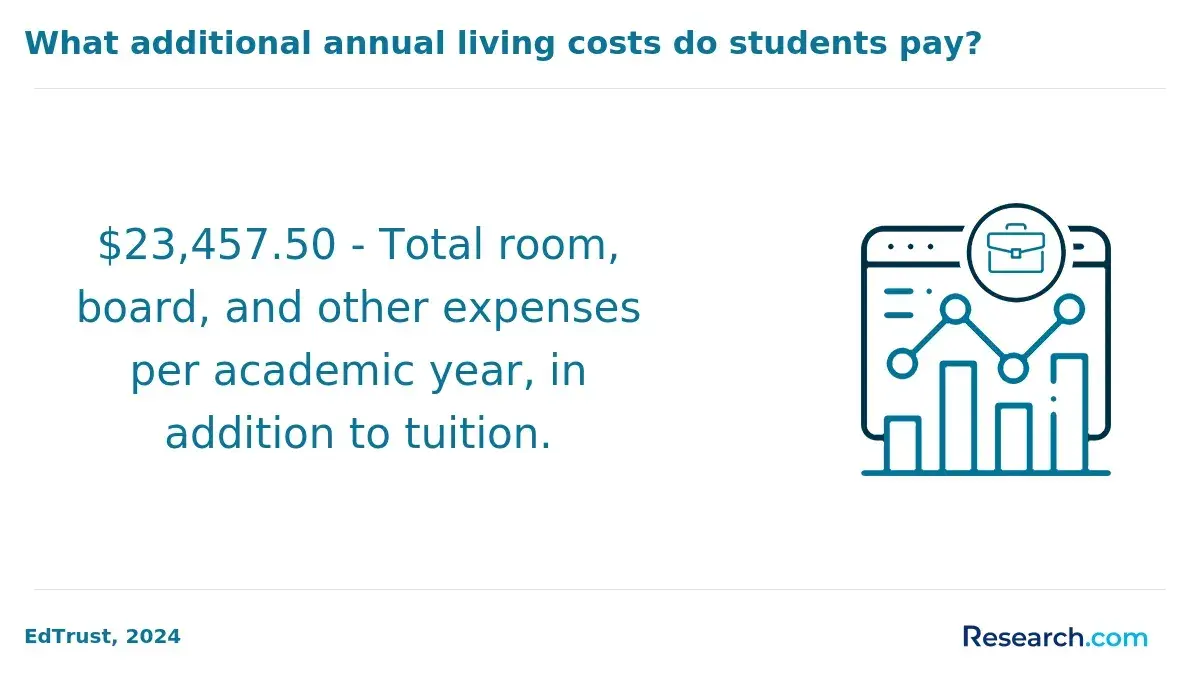
Cost should be evaluated as a total investment, not as the tuition price of one short class. The table identifies expenses that can materially change affordability.
| Cost category | What to verify | Why it matters |
| Tuition | Per course, per credit, or full-program pricing | Shows whether every required course is included |
| Mandatory fees | Technology, registration, graduation, lab, or proctoring charges | Can increase the amount paid beyond advertised tuition |
| Materials and software | Books, licenses, tools, uniforms, equipment, and supplies | May be essential for completing assignments |
| Exams and credentials | Certification exam, retake, background check, or licensing fees | Often are separate from the educational certificate |
| Lost time or income | Weekly workload and required synchronous sessions | Helps assess whether an accelerated schedule is sustainable |
Federal student aid availability depends on the school, program eligibility, enrollment status, and other rules; many short noncredit offerings are not eligible. Ask about employer tuition assistance, payment plans, workforce grants, and refund deadlines before paying. If your goal is a faster industry credential rather than academic coursework, compare quick certifications that pay well and distinguish certification exam requirements from certificate-course requirements.
What coursework and learning outcomes do high-quality 4-week online certificate programs usually include?
High-quality 4-week courses are intentionally designed for an accelerated pace rather than simply compressing a semester's material. They state measurable outcomes, provide a predictable weekly rhythm, use accessible learning technology, and include timely instructor feedback. Depending on the field, learners may complete applied exercises, case analyses, software tasks, simulations, short research assignments, portfolio pieces, or proctored assessments.
Look for learning outcomes that name a skill you can demonstrate, such as interpreting basic healthcare documentation, preparing a spreadsheet model, applying a safety procedure, drafting a legal research memo, or creating a design prototype. Vague promises to "master" a field in four weeks are a warning sign.
A strong course also explains how it verifies learning. Low-stakes quizzes can check recall, but a credible career-oriented certificate should generally include applied work, feedback, and a transparent grading standard. For technical or regulated work, ask how the program evaluates practical competence and whether any portion must be completed in person.
What licenses, industry certifications, or continuing education requirements follow these certificates?
Completing an educational certificate may be useful preparation, but it is not automatically a license or professional certification. Licenses are generally issued by government agencies or state boards and may require approved education, supervised experience, examinations, background checks, and ongoing renewal. Certifications are awarded by independent professional or industry organizations after a candidate meets their criteria, which may include an exam or work experience.
Before enrolling, identify the credential required for your intended role and work backward. Ask whether the program specifically meets examination eligibility requirements, whether those rules apply in your state, what outside fees are required, and whether continuing education is needed after certification or licensure.
Common mismatch examples include taking an online medical course that lacks required clinical training, assuming a construction-safety class grants a trade license, or treating a school-issued paralegal certificate as a legal authorization. When requirements are unclear, contact the relevant licensing board, certifying organization, or prospective employer directly before committing money or time.
What salary ranges and job outlook can graduates of short online certificate programs expect?
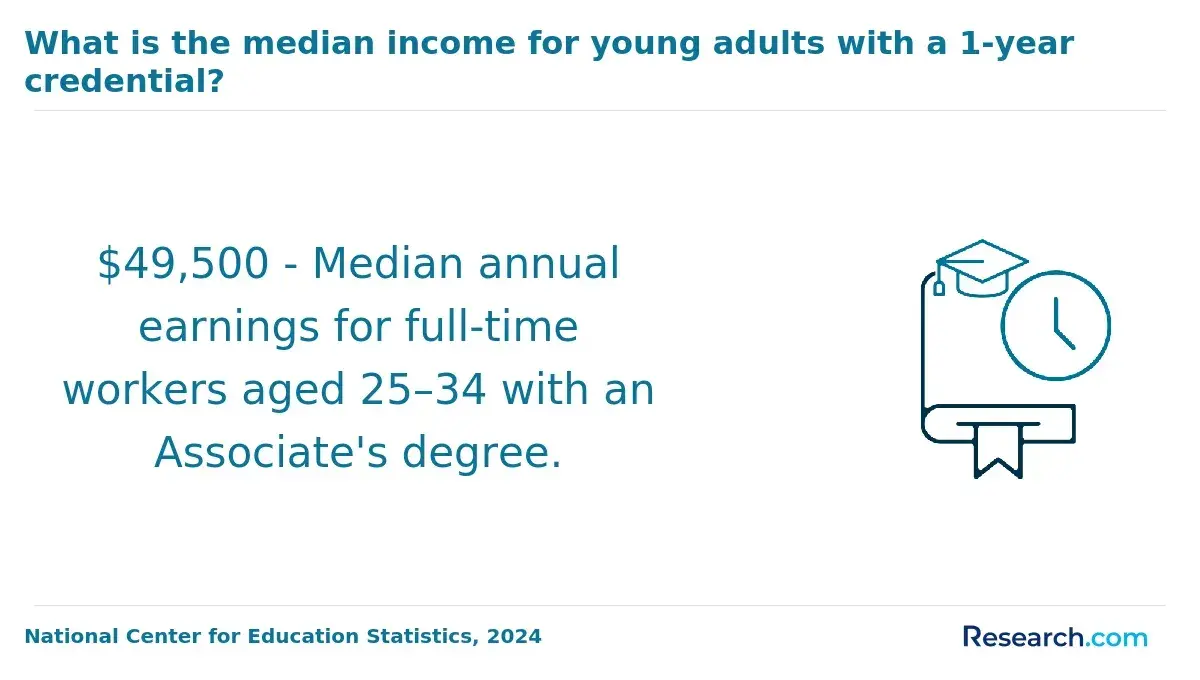
Salary and outlook depend on the occupation, location, experience, employer, licensing status, and education level - not simply on completing a short certificate. BLS May 2024 wage data reported a median annual wage of $49,210 for bookkeeping, accounting, and auditing clerks, while the occupation is projected to decline from 2024 to 2034. That combination suggests a bookkeeping certificate may be most valuable when paired with software skills, broader office responsibilities, or a plan for advancement rather than as a stand-alone job guarantee.
By contrast, BLS projects healthcare and social assistance to be the fastest-growing major sector from 2024 to 2034. That trend can make relevant support training worth investigating, but individual roles have different credential, certification, and clinical requirements.
Use occupational data as a market signal, not a personal earnings promise. Compare local job descriptions for at least several target employers: note required credentials, software, experience, schedules, and pay ranges. If postings consistently request a degree, license, or certification beyond the course you are considering, factor that next requirement into the full cost and timeline.
How can students choose a reputable, career-aligned online certificate program with 4-week courses?
The best online certificate with 4-week courses is the one that maps directly to a realistic next step: a demonstrable skill, an employer requirement, a recognized exam, or a stackable academic credential. Speed is valuable only if the curriculum, delivery method, and recognition fit your goal.
Use this process to compare programs before applying:
- Write down the exact job, promotion, exam, or skill outcome you want within the next year.
- Review local job listings and identify the credentials, software, experience, and licenses employers actually request.
- Determine whether you need a credit-bearing certificate, noncredit training, industry certification preparation, an associate degree, or hands-on apprenticeship training.
- Confirm the full sequence of courses, total price, required materials, weekly workload, start dates, and refund policy.
- Verify accreditation, state authorization, licensure alignment, and exam eligibility through the responsible institution or authority.
- Ask how learners receive feedback, technical support, career support, and access to instructors during the accelerated term.
- Compare the certificate's outcome with a longer path if the occupation requires supervised practice, a license, or substantial portfolio development.
Red flags include pressure to enroll immediately, unclear total costs, unnamed instructors, broad salary promises, missing state-licensure disclosures, and claims that credits will transfer everywhere. Transferability is decided by the receiving institution, not the sending provider. For learners who are still deciding between a short credential and a broader academic direction, this guide to the top 10 best majors for the future can help frame longer-term options.
Other Things You Should Know About
Prerequisites for 4-week online certificate programs vary by field but often include a high school diploma or equivalent. Some specialized programs may require prior coursework in the discipline or relevant work experience to ensure preparedness for the intensive curriculum.
They can be legitimate if the provider clearly identifies the credential, curriculum, instructors, costs, assessments, and any accreditation or industry recognition. Legitimacy does not mean the program meets every employer's, certifier's, or state board's requirements.
It can strengthen candidacy for roles that value the taught skill, particularly when paired with a portfolio, prior experience, or an employer-recognized certification. It may not qualify a learner for jobs requiring a degree, license, apprenticeship, clinical training, or formal certification.
Workload varies by subject and credit level, but accelerated courses usually require concentrated weekly study because deadlines arrive quickly. Ask the provider for expected weekly hours, synchronous meeting times, and assignment examples before registering.
References
- QM Rubrics & Standards https://www.qualitymatters.org/qa-resources/rubric-standards
- How Much Should You Charge for an Online Course? 5 Pricing Models With Real Numbers https://oasis-lms.com/post/how-much-should-i-charge-for-an-online-course-a-complete-pricing-guide
- Student Loan Options for Certificate Programs https://collegefinance.com/student-loans/student-loan-options-for-certificate-programs
- The Top 5 Certificate Programs for Jobs With Growth Potential | CourseStorm https://www.coursestorm.com/blog/top-certificate-programs-for-jobs
- Online Certificate Programs | Certifications Programs https://www.uscareerinstitute.edu/online-certificate-programs
- 7 in-demand certifications in 2025 | edX https://www.edx.org/resources/in-demand-professional-certifications
- The Benefits of Continuing Education - UNE Online https://online.une.edu/the-benefits-of-continuing-education-how-upskilling-opens-new-career-opportunities/
- The Benefits of Certificate Programs in Higher Education https://moderncampus.com/blog/benefits-of-certificate-programs.html
- Checklists & Rubrics for Evaluating Online Programs https://topkit.org/evaluating/checklists-rubrics/
- Evaluating Online Education: Key Criteria for Genuine E-Learning Platforms https://elqn.org/evaluating-the-quality-of-online-education-key-criteria/