2027 Best Online Career Training Programs for Remote Jobs

Co-Founder and Chief Data Scientist
Choosing online career training is difficult when programs vary widely in cost, recognition, and remote-job relevance. The U.S. Bureau of Labor Statistics projects employment in computer and information technology occupations to grow much faster than average from 2024 to 2034, reflecting continued demand for digital skills.
This guide helps career changers, working adults, and entry-level job seekers compare practical online programs, understand which credentials employers value, and avoid training that does not match their target remote role.
Key Things You Should Know
- Remote-friendly training is strongest when it teaches demonstrable skills - such as IT support, medical billing, paralegal research, bookkeeping, or digital design - and includes a portfolio, supervised practice, or certification preparation.
- Program length ranges from a few weeks for a noncredit career course to about two years for an associate degree; compare total tuition, equipment, exam fees, and required clinical or internship costs before enrolling.
- BLS projects computer and information technology occupations to grow much faster than average from 2024 to 2034, but a short certificate alone may not qualify a learner for every remote technology role.
Top 10 Best Online Career Training Programs for Remote Jobs
Popular Trade School Programs
Online trade-oriented programs can prepare learners for remote-adjacent roles in IT support, bookkeeping, project coordination, supply-chain operations, and computer-aided design. A certificate is usually a school-issued credential; some programs also prepare students for a separate industry certification exam.
Choose an associate degree when you want broader general education credit or future transfer options. Choose short, noncredit training when the employer mainly values a portfolio or certification. Hands-on trades such as welding, electrical work, and HVAC generally require in-person labs, apprenticeships, or state licensing.
Healthcare Programs
Remote-compatible healthcare training includes medical billing and coding, health information technology, medical transcription, patient access, and healthcare administration certificates or associate degrees. Coding programs may prepare learners for voluntary exams offered by professional organizations, but passing an exam and finding remote work are separate outcomes.
Clinical occupations, including nursing, dental hygiene, medical assisting, and sonography, usually require in-person clinical education and state-specific licensure. Before enrolling, verify whether practicum placement is required, who arranges it, and whether employers in your area recognize the curriculum.
Criminal Justice / Law Programs
Online criminal justice certificates and associate degrees can build foundations in legal procedure, report writing, ethics, corrections, and public safety administration. For remote work, legal studies and paralegal certificates may be more directly relevant because they teach legal research, document preparation, case management, and litigation support.
A program does not make someone an attorney, and paralegal requirements vary by employer and state. Learners seeking law-office work should prioritize legal research platforms, writing samples, and internship or job-placement support over a broad criminal justice curriculum.
Arts & Design Programs
Online arts and design programs commonly offer certificates or associate degrees in graphic design, web design, digital media, UX-related design, animation, and marketing content production. Remote employers often evaluate a portfolio more closely than the credential title, so confirm that coursework produces usable projects and includes feedback.
A credit-bearing associate degree may support later transfer, while a short professional certificate can suit learners who already have a degree and need specific software or portfolio skills. Budget for design software, a capable computer, and portfolio hosting.
What are online career training programs for remote jobs and how do they work?
Online career training programs are structured courses, certificates, diplomas, bootcamps, and degree pathways designed to build job-related skills. For remote jobs, the key question is whether the program teaches work that can actually be performed online and gives you evidence of competence: projects, software skills, an internship, a practicum, or preparation for a recognized exam.
Delivery may be asynchronous, live online, hybrid, or self-paced. Asynchronous programs suit people balancing work, but they require consistent time management. Live programs can provide accountability and instructor access, while hybrid programs are often necessary when labs, clinical work, or proctored assessments are required.
Training is not automatically college credit. Community colleges and universities may offer credit-bearing certificates or associate degrees, while private providers often issue noncredit completion certificates.
If affordability and federal student aid are central to your decision, compare options from an online college that accepts FAFSA with noncredit providers that may rely on payment plans or employer reimbursement.
Use this comparison to match the credential type to the outcome you want:
| Training type | Best for | Typical recognition | Remote-job evidence |
| Noncredit career training | Rapid skill building or career exploration | Provider completion credential | Portfolio, projects, certification preparation |
| Academic certificate | Focused college-level study | Institution-issued, often credit-bearing | Coursework, possible transfer value |
| Associate degree | Broader entry-level preparation | College degree credential | Degree, projects, internships |
| Industry certification | Validating defined professional skills | Certifying organization credential | Exam result and renewal status |
How do accredited online career training programs compare with campus-based options?
Accredited online programs can offer the same curriculum outcomes as campus programs when the institution uses qualified faculty, reliable assessment, student support, and appropriate hands-on arrangements.
Institutional accreditation matters most when you need federal aid eligibility, college-credit transfer, or a degree from a recognized institution. Programmatic accreditation matters in certain regulated fields, especially healthcare.
Online learning is usually the better fit when the career is software-, communication-, records-, or design-based and you need schedule flexibility.
Campus or hybrid study is often safer when a role requires laboratories, clinical rotations, equipment practice, or direct supervision. Learners considering a degree pathway can compare prestigious online universities for institutional options, then confirm that a particular program meets their career requirements.
The practical differences below matter more than a blanket claim that one format is better:
| Decision factor | Online option | Campus or hybrid option |
| Schedule | Often flexible, especially asynchronous courses | Usually fixed meeting times |
| Hands-on learning | May use simulations or local placements | Direct access to labs and equipment |
| Networking | Requires intentional virtual engagement | More informal in-person contact |
| Travel and housing | Usually lower travel burden | May add commuting or relocation costs |
| Best fit | Digital, administrative, and knowledge work | Clinical, technical, and equipment-intensive work |
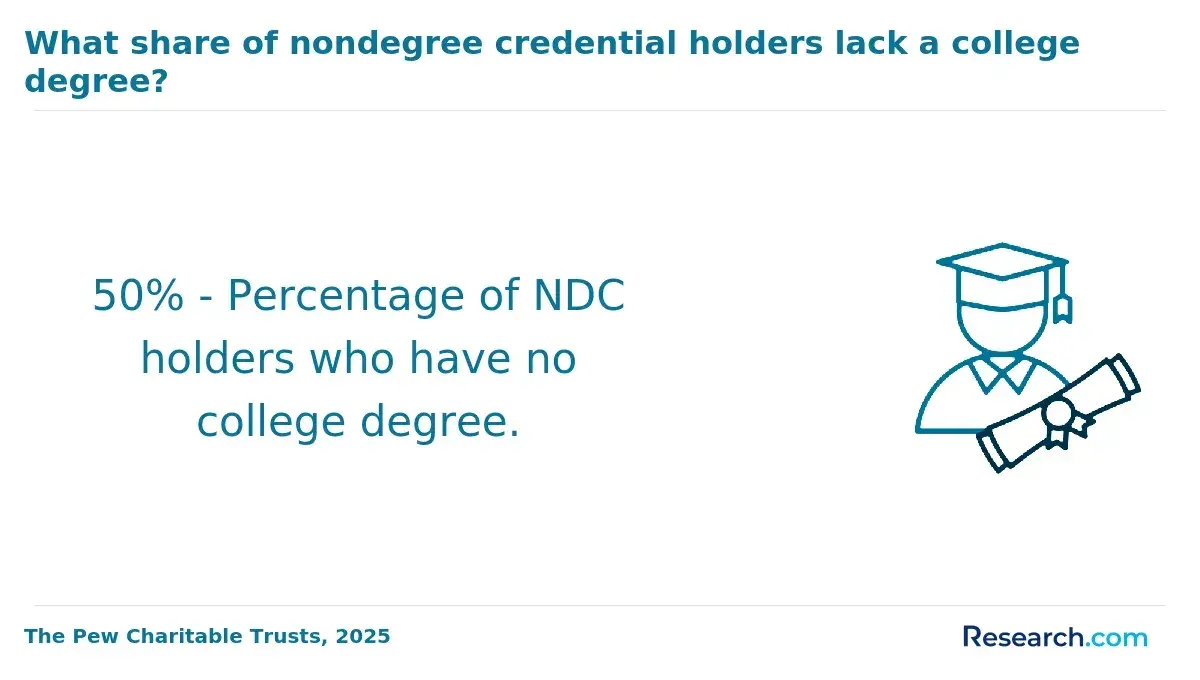
What admission requirements and prerequisites do remote career training programs typically have?
Admission requirements depend on the provider and credential level. A short noncredit program may require only an application, payment, basic computer access, and English-language proficiency. College certificates and associate degrees commonly require a high school diploma or equivalent, while advanced certificates may expect prior coursework, a degree, or professional experience.
Do not assume GPA, SAT/ACT scores, or transfer credit are relevant to every online program. They are more likely to matter for credit-bearing college study than for a workforce course.
Military-affiliated learners should also review benefits, residency rules, and flexible scheduling; best online colleges for military spouses can be a useful starting point for comparing institutions designed around frequent moves and family obligations.
Before applying, collect the information that prevents an avoidable mismatch:
- Read the program's stated eligibility requirements and technology specifications.
- Ask whether courses award academic credit, continuing education units, or only a completion certificate.
- Confirm any background check, immunization, practicum, proctoring, or licensing prerequisites.
- Request the full cost, withdrawal policy, and expected weekly workload in writing.
How do I evaluate accreditation and program quality for online remote career training?
Start by identifying the credential you need, then evaluate the provider. For a college certificate or degree, verify institutional accreditation through the school and the U.S. Department of Education or Council for Higher Education Accreditation directories.
For a regulated occupation, check whether the program has the programmatic accreditation or board approval required for licensure in the state where you intend to work.
For noncredit training, "accredited" may not be the right test. Instead, look for transparent instructors, a current curriculum, clearly identified issuing organization, employer-relevant tools, independent student-support policies, and honest outcome language. A provider should never imply that a completion certificate is the same as a professional certification or state license.
Common red flags include vague claims of guaranteed remote employment, pressure to enroll immediately, undisclosed exam or software fees, and no explanation of instructor qualifications. Compare program quality using the factors below before paying a deposit:
| What to check | Why it matters | Better evidence |
| Credential type | Prevents confusion between certificate and certification | Exact award name and issuing body |
| Accreditation or approval | May affect aid, transfer, or licensure | Verifiable institutional or program listing |
| Curriculum currency | Remote tools change quickly | Named software, projects, and revision dates |
| Career support | Training alone may not create a job search strategy | Portfolio reviews, mock interviews, employer connections |
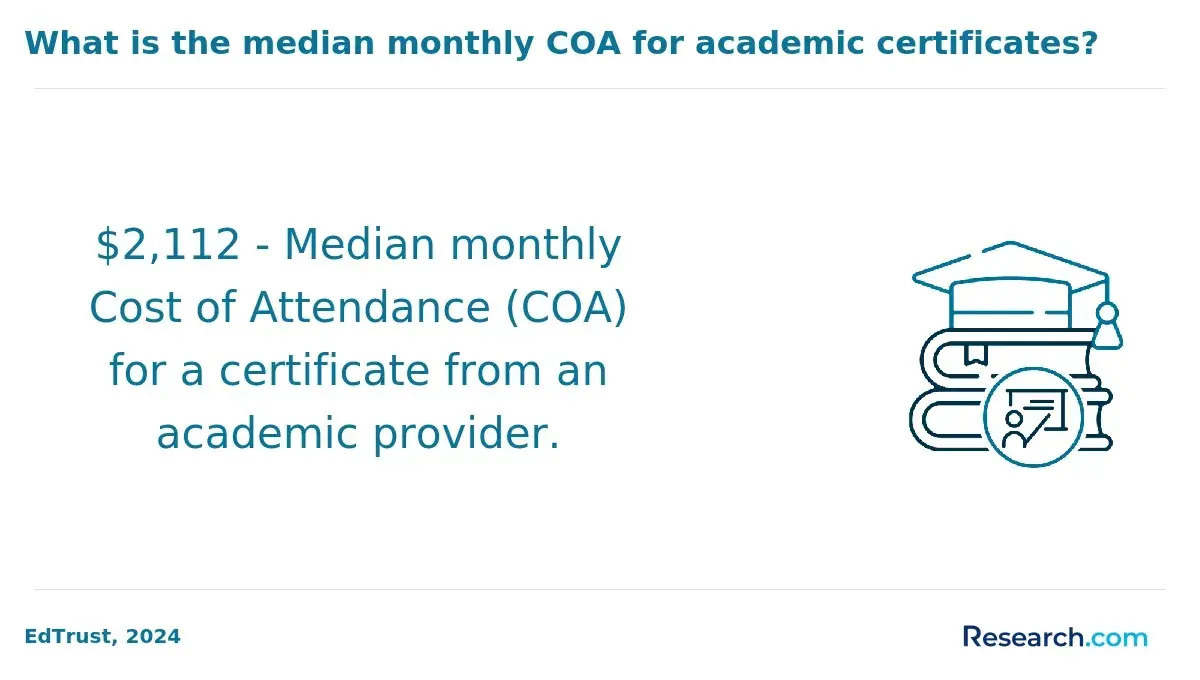
| Total cost | Tuition can omit required expenses | Written itemized estimate |
What curriculum and skills do online programs teach for in-demand remote careers?
The best online career programs teach both occupational skills and the habits needed to work remotely. Employers commonly expect graduates to organize tasks independently, communicate clearly in writing, manage files securely, participate in video meetings, and document work for teammates.
Curricula differ by pathway, but a credible program should connect tools to real work samples rather than only teaching terminology. These examples show what useful entry-level preparation often includes.
- IT support and cybersecurity: operating systems, networking basics, ticketing systems, troubleshooting, identity management, and security fundamentals.
- Medical billing and coding: medical terminology, coding systems, claims workflows, privacy practices, and revenue-cycle software concepts.
- Bookkeeping and business support: spreadsheets, accounting workflows, payroll basics, invoicing, customer communication, and records management.
- Legal support: legal research, citation, document drafting, case-management procedures, confidentiality, and e-discovery concepts.
- Digital design: typography, visual hierarchy, user-centered design, design software, accessibility basics, and portfolio development.
AI tools are changing routine drafting, research, design, and support work, so prioritize programs that teach verification, data privacy, source evaluation, and responsible use of automation. A program that merely promises "AI skills" without showing how those skills apply to a target role is less useful than one with assessed projects.
How long do online career training programs take and what do they cost?
Completion time depends on intensity, prerequisites, and whether the program includes fieldwork. Self-paced career courses may take weeks or months; academic certificates often take several months to one year part time; associate degrees commonly take about two years of full-time study. Accelerated formats can reduce calendar time, but they increase weekly workload and may not suit learners who work full time.
Cost is equally variable. Tuition is only one part of the investment: include technology, books, software, certification exams, background checks, travel for practicum, and lost work time. If a bachelor's degree better matches your target role, compare accelerated degree programs online rather than repeatedly stacking unrelated short courses.
Use this cost framework to compare offers on equal terms instead of choosing solely by advertised tuition:
| Cost category | Often applies to | Question to ask |
| Tuition or course fee | All provider types | Is the published price the full program price? |
| Technology and software | IT, design, business, online testing | Are subscriptions and device requirements included? |
| Exam fees | Certification-preparation programs | Is the first exam attempt included? |
| Clinical or practicum costs | Healthcare and some technical programs | Who pays for placement, travel, and screening? |
| Opportunity cost | Accelerated or intensive formats | Can your schedule support the required workload? |
What remote job roles can graduates qualify for after completing online training?
Online training can support entry-level remote or hybrid work, but job titles, experience requirements, and remote availability vary by employer. A certificate may help a candidate demonstrate readiness; it is not a substitute for a license, required degree, experience, or a strong work sample when those are expected.
The following roles illustrate realistic directions to investigate after training:
| Training focus | Possible remote or hybrid roles | Important limitation |
| IT support | Help desk technician, technical support specialist, customer support representative | Some employers require shifts, experience, or an industry certification |
| Medical administration | Medical biller, coding support specialist, patient access representative | Remote roles may favor experienced applicants and privacy training |
| Business operations | Bookkeeping assistant, virtual administrative assistant, project coordinator | Employers may test spreadsheet and communication skills |
| Legal studies | Legal assistant, litigation support assistant, document specialist | Paralegal expectations differ by employer and jurisdiction |
| Digital design | Junior graphic designer, production designer, content designer | A portfolio is usually essential |
For stronger results, build a targeted portfolio while studying, use job descriptions to identify repeated software requirements, and apply first to roles whose required qualifications clearly match your training. Remote work is competitive, so include local hybrid positions in an initial search rather than limiting yourself to fully remote listings.
What salary ranges and earning potential can remote-career training graduates expect?
Earning potential depends more on occupation, location, experience, employer, schedule, and education requirements than on the delivery format of a program.
The Bureau of Labor Statistics reported a May 2024 median annual wage of $60,810 for computer user support specialists. That figure describes the occupation across work settings, not the salary of a short-program graduate or a guarantee of remote employment.
Healthcare administration, legal support, bookkeeping, and design roles have different wage patterns, and entry-level pay can be lower than an occupation-wide median. Use salary data as a screening tool: compare it with total program cost, expected time to qualify, local hiring demand, and whether the role commonly permits remote work.
A sensible return-on-investment review compares the career path rather than an advertised outcome:
- Identify the minimum credential shown in current job postings for your target title.
- Estimate the full training cost and the months you may spend studying before applying.
- Check whether the role has a clear advancement path, such as support specialist to systems administrator or billing assistant to revenue-cycle specialist.
- Ask the provider for outcome definitions, reporting period, and the number of students included before relying on placement claims.
What certifications or licenses are needed for popular remote career paths?
Requirements vary sharply by occupation. An educational certificate documents completion of training. A professional certification is issued by an independent certifying body after a candidate meets its standards, which may include an exam, education, experience, and renewal. A license is government authorization to practice and is especially important in regulated healthcare and skilled-trade fields.
For remote-friendly paths, common examples include entry-level IT certifications, coding certifications, bookkeeping software certifications, and project-management certifications. Whether one is necessary depends on the employer and role.
Programs may prepare you for an exam, but verify that the exam fee, eligibility rules, identity requirements, and renewal obligations are manageable before enrolling.
Use this order to avoid spending on credentials that do not serve your goal:
- Choose a specific job title and review several current job descriptions.
- Separate preferred credentials from mandatory licenses or certifications.
- Check your state board if the occupation is regulated or includes client-facing clinical work.
- Select training that explicitly teaches the tested skills or licensing prerequisites.
- Keep documentation of coursework, projects, exam results, and continuing education.
Other Things You Should Know About
Possibly, especially in support, administrative, bookkeeping, design, or entry-level technology roles. Your chances are stronger when the certificate includes relevant software skills, work samples, and employer-recognized preparation. Some roles still require experience, a degree, certification, or licensure.
Many are legitimate, but quality varies. Verify the provider, credential type, total cost, instructor qualifications, curriculum, refund policy, and any accreditation or licensing claims. Be cautious of guaranteed-job promises.
Short programs in customer support, bookkeeping, digital marketing, IT support, medical billing, or design tools can be completed relatively quickly. The fastest option is not always the best investment; choose training that matches the minimum qualifications in your intended job listings.
Some credit-bearing programs at eligible institutions may qualify for federal financial aid, while many bootcamps and noncredit courses do not. Confirm aid eligibility with the school before enrollment and ask about employer tuition assistance, scholarships, and payment plans.
References
- 20 Skills You Can Learn to Work Remotely and Build a Remote Career - Kelly Hill https://kellyyhill.com/20-in-demand-skills-you-can-learn-so-you-can-work-remotely-and-build-a-remote-career/
- Remote Training Software: Top Solutions for Teams in 2026 https://www.d2l.com/blog/remote-training-software/
- Course Careers https://coursecareers.com/blog-posts/best-online-courses-land-remote-job
- 10 Best Remote Training Software to Use https://www.proprofstraining.com/blog/best-remote-training-tools/
- Best LMS platforms for skills training in remote teams https://www.cypherlearning.com/blog/business/best-lms-platforms-for-skills-training-in-remote-teams
- 10 Best Online Training Platforms For Employees https://www.confirm.com/blog/online-training-platforms-for-employees
- Why Employment Outcome Rates Matter | ACI Learning https://www.acitechacademy.com/blog/why-employment-outcome-rates-matter-a-guide-for-students-and-employers/
- Comparing Outcomes Across Credentials | HESA https://higheredstrategy.com/comparing-outcomes-across-credentials/
- Top 12 Online Certifications for Remote Jobs (No Experience Required) https://remoteonlineevaluator.com/online-certifications-for-remote-jobs/