2027 Best Microcredentials for Veterans

Co-Founder and Chief Data Scientist
Veterans deciding between a fast credential and a longer degree need proof that training connects to a real job, not just a digital badge. The Bureau of Labor Statistics projects healthcare occupations to grow much faster than average from 2023 to 2033, creating practical opportunities for targeted training.
This guide explains which microcredentials can be worthwhile, how benefits may apply, what military experience can count toward, and how to compare providers before using valuable education benefits.
Key Things You Should Know
- Choose a microcredential only after confirming the target employer recognizes it, the curriculum teaches job-relevant skills, and any required certification or state license is addressed separately.
- GI Bill payment is not automatic. VA approval, credit-hour status, enrollment intensity, and the school's certification process determine whether a particular program can be funded.
- For career context, BLS projects information security analyst employment to grow 33% from 2023 to 2033. Veterans pursuing cybersecurity should pair a short credential with hands-on skills and recognized industry certification preparation.
Top 10 Best Microcredentials for Veterans
Popular Trade School Programs
Veterans often consider welding, HVAC, electrical, automotive technology, commercial driving, construction management, and industrial maintenance certificates. These programs can fit learners who want hands-on work and a faster entry route than a degree.
Check whether training includes required exam preparation, supervised hours, tools, protective equipment, and local licensing rules. An associate degree may be better for veterans seeking broader technical theory, advancement into supervision, or transfer credit; a short certificate can suit a clearly defined entry-level skill gap.
Healthcare Programs
Common options include medical billing and coding, pharmacy technician, medical assistant, sterile processing, emergency medical technician, nursing assistant, health information, and phlebotomy programs. A school certificate documents completed education; it is not automatically a professional certification or license.
Veterans should verify state rules, clinical-placement requirements, background checks, immunizations, and whether graduates are eligible for a recognized certification examination. Programs with required in-person clinical experiences may be less portable than fully online administrative-healthcare training.
Criminal Justice / Law Programs
Microcredentials in homeland security, emergency management, legal studies, paralegal support, cybercrime, public safety leadership, and intelligence analysis can help veterans translate relevant experience. They rarely replace agency hiring standards, background investigations, academy training, bar rules, or state-specific paralegal expectations.
Choose a credit-bearing college certificate when future degree completion matters. Choose focused professional training when it directly improves a defined skill, such as records management, incident command, or digital evidence procedures.
Arts & Design Programs
Digital design, UX fundamentals, photography, video production, game art, animation, web content, and audio-production microcredentials can help veterans build portfolio-ready skills. Outcomes depend heavily on demonstrated work, software proficiency, and client or employer demand rather than the badge alone.
Ask whether tuition includes software access, portfolio reviews, instructor feedback, and rights to use completed projects. A short program works best when paired with a focused portfolio; an associate degree may offer more sustained critique and broader design foundations.
What are microcredentials for veterans and how do they work in higher education?
A microcredential is a short, targeted learning credential showing that a learner completed a defined set of competencies, courses, or assessments. It may be offered by a college, university, employer, professional association, government agency, or private training provider. It can be credit-bearing or noncredit, digital or paper-based, and standalone or stackable into a certificate or degree.
For veterans, the strongest use case is translating military-adjacent skills into language civilian employers understand or filling a specific gap before pursuing a larger credential. For example, a logistics veteran might add data analytics training; an IT veteran might pursue cloud or cybersecurity preparation.
A microcredential is less suitable when a role legally requires a degree, license, apprenticeship, clinical training, or independently administered certification.
The comparison below separates common options that are frequently grouped together but serve different purposes.
| Option | What it usually proves | Best use | Important limitation |
| Academic microcredential | Completion of a short college-based skill sequence | Building toward a certificate or degree when credits are documented | Transferability depends on the receiving institution |
| Professional certificate | Completion of provider-designed career training | Rapid upskilling in software, business, or technical tools | Employer recognition varies by provider and field |
| Industry certification | Meeting an external organization's standards, often through an exam | Fields where employers request named certifications | May require renewal, experience, or separate exam fees |
| License-qualifying program | Education or training required by a regulator | Regulated occupations such as certain healthcare and trades roles | Rules vary by state and may require examinations or supervised practice |
Before enrolling, ask whether the credential appears on a transcript, carries academic credit, has a documented competency framework, and can be stacked. Those answers matter more than whether the provider uses the word "microcredential."
Which veteran-focused microcredentials offer the strongest career outcomes and job placement?
Veteran-focused options tend to have stronger career value when they lead to an employer-recognized certification, documented portfolio, supervised practical experience, or a clear next academic step.
Programs in cybersecurity, IT support, project management, supply chain, healthcare administration, skilled trades, and data analysis can be practical choices when matched to prior military duties and local openings.
The BLS projects information security analyst employment to increase 33% from 2023 to 2033. That outlook supports investigating cybersecurity pathways, but it does not mean a microcredential alone qualifies a candidate for analyst roles; employers may also expect experience, a degree, security-clearance eligibility, or specific certifications.
Veterans comparing technology pathways can also review the best online degrees when a broader credential would better support their target role.
Ask providers for outcomes that are specific enough to verify. Useful evidence includes employer partners, the number of learners completing an external certification exam, work-based learning availability, career-service scope, and job titles pursued. Be cautious with vague "job-ready" claims or placement figures that do not explain the measurement period, job type, or whether positions were related to training.
These signals help distinguish a career-connected program from a short course with limited labor-market value.
- Curriculum maps directly to a named employer requirement, certification exam objective, or occupational task.
- Instructors have recent field experience and can explain how military skills translate to civilian job descriptions.
- Students complete a portfolio, lab, simulation, clinical component, or other verifiable work sample when the field values proof of skill.
- The provider publishes clear completion, withdrawal, refund, and career-support policies rather than promising employment.
How can veterans use GI Bill and military benefits to pay for microcredentials?
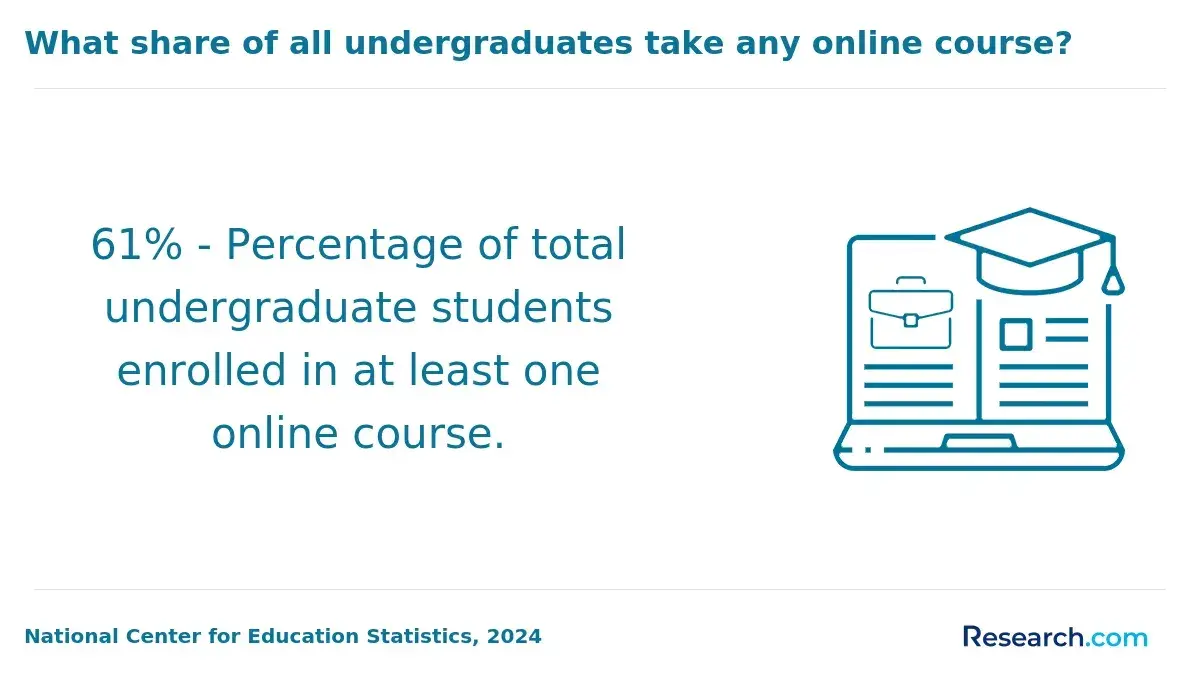
Veterans should not assume that every short online course qualifies for GI Bill funding. VA education benefits generally require an approved program at an approved school, and the school's certifying official determines what enrollment can be certified. A noncredit badge, vendor course, or exam-prep subscription may be valuable but may not be payable through the GI Bill.
Start with the school's veterans office and obtain written confirmation of the exact program, location or online modality, clock or credit hours, start date, and expected enrollment status.
Ask how the school treats tuition, mandatory fees, books, supplies, testing, and housing allowances. Benefits and payment rules can differ across the Post-9/11 GI Bill, Montgomery GI Bill, Veteran Readiness and Employment, state programs, and military tuition assistance.
Use this sequence before committing benefits to a short credential.
- Define the job, required license or certification, and the minimum training needed to reach it.
- Confirm the program's VA approval and ask the certifying official whether your planned enrollment is certifiable.
- Request a complete cost estimate that separates tuition, fees, equipment, exams, travel, and retake costs.
- Submit military transcripts early and ask whether evaluated credit changes the approved program length.
- Keep copies of the degree plan, enrollment certification, invoices, and written benefit guidance.
Using GI Bill entitlement for a very short, nonstackable course can be a poor trade-off if the same skill could be gained through an employer, workforce agency, apprenticeship, or lower-cost exam preparation. Conversely, a VA-approved college microcredential that applies to a degree can preserve momentum if a veteran later needs more education.
What accreditation and institutional quality standards should veterans require in microcredential programs?
Quality checks should match the provider type. For a credit-bearing college program, verify that the institution holds recognized institutional accreditation and that the credential appears in the official catalog or transcript system.
For a noncredit professional program, institutional accreditation may not establish employer value; instead, examine curriculum quality, instructor qualifications, assessment rigor, and industry recognition.
Licensure-sensitive fields require another layer of verification. Nursing, allied health, electrical work, and other regulated careers may require programmatic accreditation, board approval, clinical hours, or state-specific curricula. Do not rely on a provider's general claim that it is "accredited" without confirming the approval needed for the particular occupation and state.
Use these questions to document quality before paying a deposit or using benefits.
- Is the institution accredited by a recognized accreditor, and is that status current?
- Is this exact credential credit-bearing, transcripted, and eligible to stack into a larger award?
- What external certification, license, or employer standard does the curriculum prepare learners to meet?
- Which costs and prerequisites are excluded from advertised tuition?
- Can the provider provide its refund policy, complaint process, and outcome definitions in writing?
A red flag is a provider that emphasizes a badge image, urgency, or earnings claims while avoiding direct answers about approval, faculty, assessments, total cost, or whether the credential has value outside its own platform.
How do online, hybrid, and campus-based microcredentials compare for military and veteran learners?
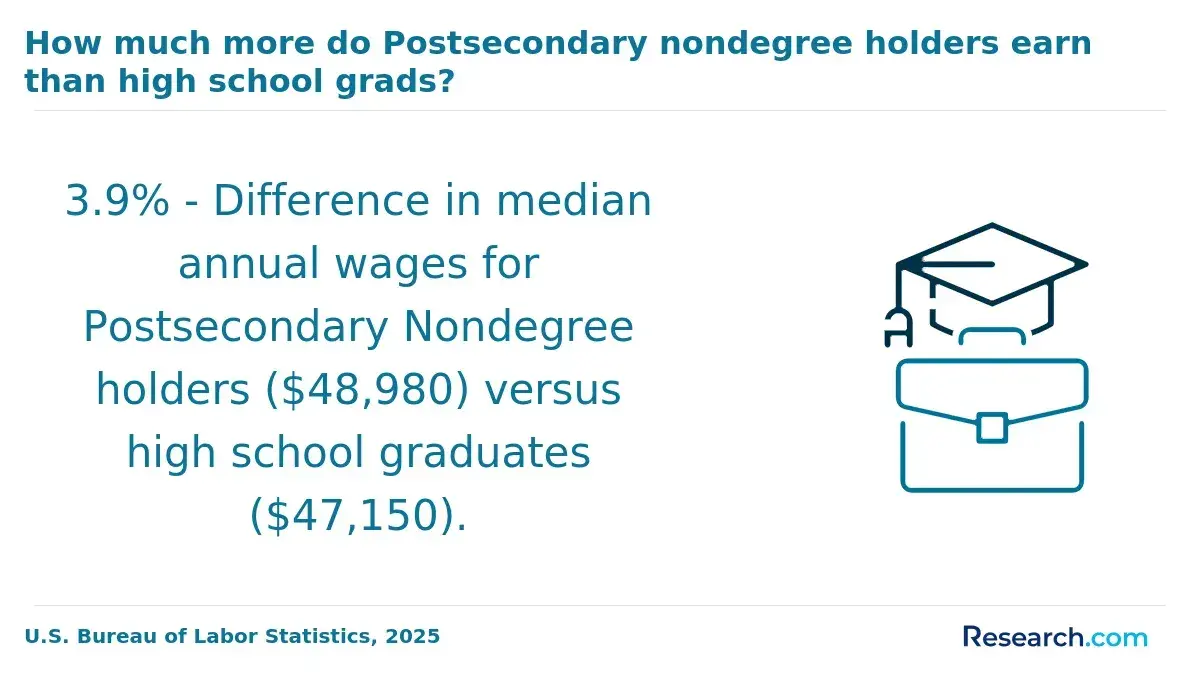
Online, hybrid, and campus-based microcredentials can all work for veterans, but the right format depends on the occupation and the learner's schedule.
Online study is often strongest for IT, business, project management, data, compliance, and other desk-based skills. Hybrid or campus formats are usually more appropriate when labs, clinical practice, tools, equipment, or instructor observation are central to competence.
Veterans who need flexible pacing may compare competency based universities if they want an accredited degree route that can recognize demonstrated mastery. That model is different from a typical microcredential: it may be degree-focused, use term-based tuition, and have its own rules for transfer credit and VA certification.
This comparison highlights the trade-offs that matter most before selecting a delivery format.
| Format | Often best for | Main advantage | Main caution |
| Online | Technology, business, analytics, and administrative skills | Location flexibility and easier scheduling around work or family | Requires reliable technology, self-management, and confirmation of benefit eligibility |
| Hybrid | Programs needing both theory and practical practice | Balances flexibility with access to labs or faculty feedback | Travel and fixed meeting times can add cost and scheduling pressure |
| Campus-based | Trades, clinical healthcare, equipment-intensive training | Direct access to facilities, peers, and supervised practice | May be harder to combine with employment or relocation |
Before choosing online learning, confirm whether exams are proctored, whether labs can be completed locally, and whether internship or clinical placement is the student's responsibility. A convenient format is not useful if it cannot meet the occupation's hands-on or regulatory requirements.
What admission requirements and prior military training credits apply to veteran microcredentials?
Admission requirements vary sharply. A college microcredential may require application to the institution, placement steps, prerequisites, and an academic record. A noncredit provider may only require payment and basic technology access.
An advanced cloud, cybersecurity, data, or healthcare credential may expect prior coursework, work experience, or foundational knowledge even when it has no formal GPA threshold.
Veterans should request a Joint Services Transcript or Community College of the Air Force transcript, where applicable, and submit it early. Colleges may evaluate military learning using their own transfer policies and recognized credit recommendations, but acceptance is never automatic. Credit may reduce prerequisites or degree requirements, while a focused noncredit microcredential usually does not award transfer credit at all.
Ask the enrollment contact to clarify these points in writing before starting.
- Whether the program has academic, technical, English-language, background-check, health, or physical requirements.
- Whether prior military schools, occupational specialties, examinations, or civilian certifications can satisfy prerequisites.
- Whether accepted military credit will appear on a transcript and apply specifically to this credential.
- Whether the program is introductory, intermediate, or advanced and what learners should know on day one.
A common mistake is equating military experience with automatic civilian eligibility. Civilian employers and licensing boards may value that experience, but they can still require a particular examination, license, degree, documented hours, or background standard.
How long do veteran microcredential programs take, and what total costs should be expected?
Microcredentials can take from a single course to several months; credit-bearing sequences may take longer because they follow academic terms. The advertised duration is only meaningful if it states expected weekly workload, required labs or clinical time, prerequisite completion, and whether the learner studies part time or full time.
Total cost is broader than tuition. Veterans should compare the full financial commitment with alternatives such as fast track college programs when a short credential would otherwise be followed immediately by a degree. An accelerated, stackable degree path can sometimes avoid paying separately for disconnected credentials, though it demands a heavier pace.
Use the following cost categories to calculate a realistic program budget rather than relying on an advertised starting price.
| Cost category | Why it matters | Question to ask |
| Tuition and mandatory fees | May vary by credit load, residency, or delivery format | What is the total charge for completing the credential? |
| Books, software, and equipment | Trades and technology programs can require substantial materials | What must I buy, rent, or maintain myself? |
| Examinations and renewals | Industry certifications may involve separate testing and recertification | Is the first exam attempt included, and what are retake costs? |
| Travel and placement costs | Clinical, lab, internship, and proctoring requirements may add expenses | Where must I attend in person, and who arranges placement? |
| Opportunity cost | Reduced work hours can affect the practical affordability of training | Can the schedule work with my income and family commitments? |
Prefer programs that provide an itemized estimate and a transparent refund policy. Low tuition is not necessarily low cost when required tools, exams, travel, or unpaid clinical time are excluded.
Which in-demand careers align best with microcredentials commonly pursued by veterans?
The best career alignment starts with the work a veteran wants to do, then works backward to the minimum credible credential.
Veterans with communications, intelligence, logistics, maintenance, medical, leadership, or IT experience may find that a focused credential helps translate an existing foundation. Veterans changing fields completely may need a longer program, supervised experience, or degree instead.
BLS projects wind turbine service technician employment to grow 60% from 2023 to 2033, although this is a relatively small occupation and usually involves specialized safety and technical training.
Growth data is useful for screening possibilities, not for choosing a program without checking local employers, physical demands, wages, and required entry qualifications. Readers weighing a short credential against a broader undergraduate investment can compare 4 year degrees that pay well.
This career map shows how microcredentials commonly fit into veteran career planning.
| Career area | Useful microcredential focus | When it can help | When more preparation is likely needed |
| Cybersecurity and IT | Networking, cloud fundamentals, security operations, data analytics | To validate current skills or prepare for an industry certification | For roles requiring extensive experience, clearance, degree, or advanced certification |
| Logistics and operations | Supply chain, project management, business analytics | To translate military planning and coordination experience | For senior management roles requiring broader business experience |
| Healthcare support | Medical coding, sterile processing, pharmacy support, health information | To enter defined support roles with clear requirements | For licensed clinical professions requiring approved education and exams |
| Skilled trades and energy | HVAC, electrical fundamentals, industrial maintenance, safety | To build technical readiness for an entry pathway | Where apprenticeship hours, licensing, or employer-sponsored training is required |
| Public safety and emergency management | Incident command, emergency management, intelligence analysis | To complement relevant military leadership or operations experience | For sworn roles requiring agency selection and academy training |
Compare at least three local job postings before enrolling. Record repeated requirements, preferred certifications, degree expectations, schedule demands, and whether employers accept entry-level candidates. This prevents investing in an attractive topic that does not match the actual hiring market.
How can veterans evaluate and choose reputable microcredential providers and avoid low-quality options?
Choose a provider by verifying fit, quality, and total value, not by badge design, countdown offers, or broad salary claims. A reputable provider can explain what learners do, how they are assessed, what the credential represents, and what it does not represent. It should also disclose policies before payment.
Follow this practical evaluation process.
- Start with target job postings and identify the skills, licenses, certifications, and experience employers repeatedly request.
- Compare the program syllabus against those requirements and identify any missing exam, clinical, lab, apprenticeship, or portfolio component.
- Verify institutional accreditation, VA approval where benefits are relevant, and programmatic or state approval where a regulated field requires it.
- Request a written all-in cost estimate, expected completion schedule, refund terms, and explanation of whether academic credit is earned.
- Ask whether the credential is stackable, transcripted, transferable, or recognized by named employers; document the answer.
- Speak with a veterans benefits representative and, when possible, a current learner or employer in the target field before enrolling.
Common red flags include pressure to enroll immediately, unclear instructor qualifications, unverified placement claims, missing refund terms, promises of licensure without naming the licensing board, and confusion between a completion certificate and an independent professional certification.
A good alternative is to pause and compare a community college, union or registered apprenticeship, employer training program, and recognized certification pathway.
Other Things You Should Know About the Best Microcredentials
They can be worthwhile when they fill a specific skill gap, are recognized by target employers, and fit a documented career plan. They are less valuable when they do not lead to a portfolio, recognized certification pathway, academic credit, or relevant hands-on experience.
Sometimes, but not automatically. The program and school generally must be approved, and the school's certifying official must be able to certify your enrollment. Confirm eligibility for the exact program before registering.
It may count at a college that evaluates military transcripts or prior learning, but each institution decides what it accepts and how it applies. Noncredit programs may recognize experience informally but often do not award academic transfer credit.
No. A microcredential usually shows completion of a defined learning experience. A professional certification is issued by a certifying organization after meeting its standards, often including an examination, renewal, or experience requirement.
References
- Micro-Credentials https://www.nmc.edu/marine-center/micro-credentials.html
- The Certification Advantage: How Credentials Drive Career Growth https://courses.msicertified.com/blog/the-certification-advantage-how-credentials-drive-career-growth
- Microcredentialing and the role it will play in the future of work https://standtogether.org/stories/future-of-work/microcredentialing-and-the-role-it-will-play-in-the-future-of-work
- Unlocking Free Benefits and Grants for Veterans https://operationhomefront.org/unlocking-free-benefits-and-grants-for-veterans/
- Financial Aid for Military & Veterans - Accounting.com https://www.accounting.com/resources/financial-aid-for-veterans/
- Education Options for VeteransU.S. Veterans Magazine https://usveteransmagazine.com/usvm/education-options-for-veterans-beyond-the-bachelors-degree/
- How Microcredentials Are Revolutionizing the Higher-Education Business Model https://manhattan.institute/article/how-microcredentials-are-revolutionizing-the-higher-education-business-model
- Job Training Programs for Veterans - Hire Heroes USA https://www.hireheroesusa.org/training-partners/