2027 Online Data Science Master's Programs for Family Caregivers

Co-Founder and Chief Data Scientist
Family caregivers need more than an online degree: they need a program whose deadlines, exams, and group work can coexist with unpredictable responsibilities.
An asynchronous course may still have fixed due dates, while a live course may offer valuable interaction but little room for a missed session. This guide compares program formats and gives caregivers a way to check costs, academic requirements, and interruption policies before committing.
Key Things You Should Know
- Prioritize deadline and interruption policies over the word "asynchronous." Recorded lectures do not necessarily mean flexible exams or extensions.
- Georgia Tech, UT Austin, and the University of Colorado Boulder offer online options worth screening for schedule fit; verify current course-level requirements before applying.
- Compare the full cost of a realistic part-time path, not just advertised tuition. A longer path can change fees, aid eligibility, and the time available to finish.
What are online data science master's programs for family caregivers?
They are regular graduate degrees completed primarily online, not a separate category of caregiver-specific credentials. Their usefulness to a caregiver depends on how learning is scheduled and what happens when care needs interrupt a term.
A suitable program may offer recorded instruction, a manageable part-time course load, predictable deadlines, and a workable process for taking a break.
"Flexible" can mean different things: choosing when to watch lectures, choosing when to enroll, or choosing when to submit work. Those freedoms are not interchangeable. If your main goal is specifically AI rather than a broader data science curriculum, you can also review affordable online artificial intelligence master's options; apply the same scheduling tests before switching fields.
Which online data science master's programs offer flexible schedules for caregivers?
Georgia Tech's Online Master of Science in Analytics, the University of Texas at Austin's online Master of Science in Data Science, and the University of Colorado Boulder's online Master of Science in Data Science are useful starting points.
They differ in how coursework and enrollment are organized. None should be assumed to allow deadline-free study across every course.
The comparison identifies the scheduling feature most worth investigating at each school, not a promise that every course will fit a caregiver's calendar:
| Program | Scheduling feature to investigate | Possible caregiver trade-off |
| Georgia Tech, Online MS in Analytics | Online coursework and part-time study | Check each course's exams, team assignments, and term deadlines. |
| UT Austin, online MS in Data Science | Online course delivery | Recorded material may still come with fixed assessment dates. |
| University of Colorado Boulder, online MS in Data Science | Its online, course-based enrollment model | Check when coursework must be completed for credit and how a pause affects progress. |
Choose a term-based program if predictable weekly structure helps you protect study time. A model with more control over when you start coursework may suit a household with irregular care demands. Before applying, ask for syllabi from courses you would take first.
Confirm the number of live meetings, exam windows and time zones, group-project obligations, extension rules, withdrawal dates, and the maximum time allowed to complete the degree. A common mistake is to check the program-level format but not these course-level constraints.
How much do online data science master's programs cost and how long do they take?
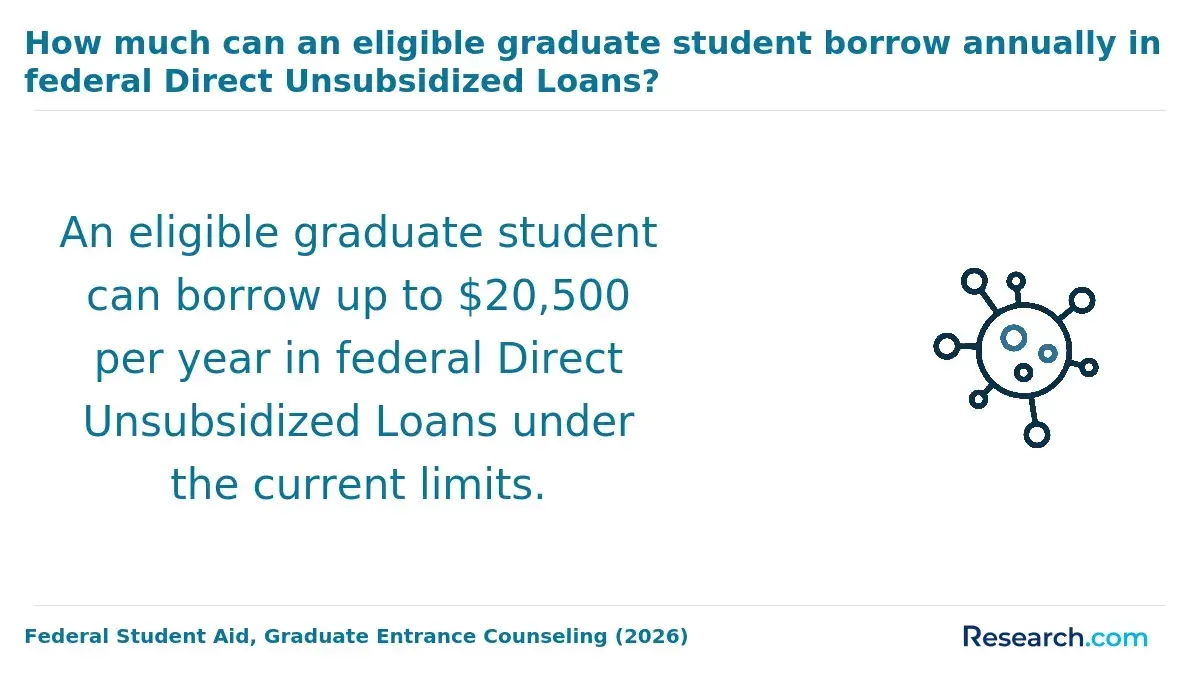
There is no reliable single price or completion time for a caregiver: tuition and required fees vary by school, while the pace depends on course availability and how many courses you can take during demanding care periods.
Request a current, itemized estimate for your intended enrollment pattern. Do not compare one school's tuition-only figure with another school's total billed cost.
For a useful comparison, account for tuition, mandatory per-term or per-course fees, materials and technology, any travel, and the cost of repeating or withdrawing from a course.
Ask whether taking fewer credits changes financial-aid eligibility or creates additional terms of fees. Employer assistance may lower your personal cost, but its eligibility and repayment conditions need checking. To build an initial shortlist, compare affordable online MS in data science options, then obtain current figures directly from each institution.
Estimate time using your sustainable course load, not the fastest advertised path. Ask the program to map required courses over that pace, including courses offered only in particular terms. If regular caregiving could force a pause, confirm leave, reentry, and degree-completion policies in writing before paying a deposit.
Are online data science master's programs accredited?
Accreditation attaches to an institution, and a university's online degree generally falls under its institutional accreditation. Do not assume that every data science master's has separate, program-specific accreditation.
Check the institution's current status through its stated accreditor or the U.S. Department of Education's accreditation records, and verify that the online degree is awarded by the institution you expect.
Accreditation does not answer every enrollment question. If caregiving could require you to move, ask the school whether it can enroll and continue serving students in your state. Check any in-person requirements separately; an accredited online program is not necessarily travel-free.
What do you learn in an online data science master's program?
Programs commonly combine statistics, programming, data management, and machine learning, but the balance varies. For caregivers with limited study hours, course sequence matters as much as the subject list: a missing programming or math foundation can make an already tight schedule harder to sustain.
Compare required courses with the work you want to do. A program emphasizing statistical modeling and interpretation may fit an analyst aiming for applied data science; one with substantial databases, pipelines, and computing coursework may better support data-intensive engineering work.
If that second path is your goal, examine data engineering preparation through an AI master's as a curriculum comparison, not as a substitute for checking actual course descriptions.
Also ask whether projects require group meetings, access to a particular workplace's data, or a final presentation at a fixed time. A project you can complete with appropriately licensed public data may be easier to plan around care duties.
What are the admission requirements for online data science master's programs?
Requirements vary by institution. Review each program's current policy for the bachelor's degree, transcripts, quantitative and programming preparation, application materials, and any tests. Do not assume that professional experience replaces a stated prerequisite, or that a degree outside computer science rules you out.
Caregivers returning to school can compare their recent skills with the first required courses. If preparation is thin, a short programming or statistics course can test your readiness before you commit to a master's; whether it formally satisfies an admission requirement is the program's decision.
Ask admissions which evidence of preparation it accepts and whether applicants can take a course before entering the full degree.
How do online data science master's programs compare with campus programs?
Online study removes routine commuting, which can be decisive when someone depends on you at home. It does not remove scheduled exams, collaborative work, or the need for uninterrupted study time.
Campus study may make in-person faculty contact and local networking easier, but fixed travel and class times can be difficult to protect during a care emergency.
Choose online study when avoiding travel is essential and the program's actual deadlines are manageable. Consider a campus or hybrid option when nearby, scheduled instruction provides support you will use and reliable care coverage makes attendance possible.
Compare the same curriculum, access to faculty and career services, total cost, and interruption policies rather than assuming that either delivery mode is inherently more rigorous or supportive.
What careers can family caregivers pursue with a data science master's degree?
Depending on prior experience and the curriculum, graduates may pursue data scientist, analytics, machine learning, or data-focused product and operations roles.
Someone returning to work after intensive caregiving may find an adjacent analyst role more attainable than a senior machine learning position. Caregiving itself can develop planning and stakeholder-communication skills, but technical hiring still calls for evidence of relevant work.
The U.S. Bureau of Labor Statistics projects data scientist employment to grow 35% from 2025 to 2035. That signals demand across the occupation, not a guaranteed opening for a new graduate or a guarantee of remote work.
For a career transition, look for projects that demonstrate your target role's methods and for career support you can access remotely. If considering an AI-focused alternative, compare AI master's degree options with alumni career networks alongside the specific networking access available to online students.
How much can graduates with a data science master's degree earn?
The BLS reports a May 2025 median annual wage of $120,230 for U.S. data scientists. That is an occupational figure across workers with different education and experience, not an expected starting salary or evidence that a master's degree produces that wage.
For your own financial decision, compare plausible target jobs with your current earning options, then weigh the degree's full cost against the time you can realistically devote to study and a job search.
If choosing between data science and a narrower specialization, machine learning master's tuition and required fee comparisons can help frame the cost side. Avoid treating an advertised salary or tuition figure as a personal return-on-investment calculation.
What certifications help data science master's graduates advance their careers?
A certification is most useful when it validates a tool or platform named in jobs you actually want. Cloud-platform, data-engineering, and machine-learning certifications may complement a master's, but they do not replace evidence that you can frame a problem, work with data, and explain results.
For a caregiver with limited time and money, the better first step is to collect target job postings and identify a recurring skill gap. Pursue a certification only if its current exam content addresses that gap and you can practice the skill in a project. Otherwise, finishing a strong course project or portfolio piece may be a better use of scarce study hours.
Other Things You Should Know About Data Science
Generally, you can ask about scheduling and leave policies without sharing private family details. If you want an application reviewer to understand a gap in education or employment, a brief explanation may help; follow the program's instructions.
Do not assume that family permission alone resolves privacy, consent, or course-policy requirements. Ask the instructor what data is permitted and consider public or properly de-identified data instead.
Requirements depend on the courses and whether the program provides remote computing resources. Request the current hardware and software specifications before buying equipment.
Commencement participation is usually distinct from completing degree requirements, but policies vary. Confirm whether any final presentation, defense, or other academic requirement - not just the ceremony - requires travel.
References
- Types of Financial Aid: Grants, Work-Study, and Loans | studentaid.gov https://studentaid.gov/understand-aid/types
- Cost of Attendance (Budget) | 2025-2026 Federal Student Aid Handbook https://fsapartners.ed.gov/knowledge-center/fsa-handbook/2025-2026/vol3/ch2-cost-attendance-budget
- MS in Data Science | Online | $9900 | Eastern University https://www.eastern.edu/academics/graduate-programs/ms-data-science
- Master's in Data Science - University of Notre Dame https://datascience.nd.edu/masters/
- Synchronous vs. Asynchronous Learning | Saint Leo University https://www.saintleo.edu/about/stories/blog/synchronous-vs-asynchronous-learning-for-course-delivery
- Online Program - UChicago Data Science Institute https://datascience.uchicago.edu/education/masters-programs/online-program/
- MS in Data Science | UConn | Online & On-Campus Programs | Master of Science in Data Science | University of Connecticut https://masters.datascience.uconn.edu/
- What happens to my financial aid if I enroll part-time or reduce my course load? - Student Financial Aid https://www.washington.edu/financialaid/2026/09/14/what-happens-to-my-financial-aid-if-i-enroll-part-time-or-reduce-my-course-load/
- M.S. in Data Science, Online | virginia.edu https://datascience.virginia.edu/degrees/msds-online
- Asynchronous and Synchronous Online Courses | nmsu.edu https://dacc.nmsu.edu/faculty-and-staff/online-quality-assurance/asynchronous-and-synchronous-online-courses.html