2027 Best Stackable Credentials With Weekend Classes

Co-Founder and Chief Data Scientist
Choosing career training while working often comes down to one question: can the program fit a real weekend schedule and still lead somewhere useful? Stackable credentials let learners complete shorter certificates that may build toward an advanced certificate or associate degree.
The U.S. Bureau of Labor Statistics projects healthcare occupations to grow much faster than average from 2024 to 2034, making flexible training especially relevant for career changers. This guide compares weekend-friendly pathways, explains licensing and costs, and shows how to verify that each credential supports your actual job goal.
Key Things You Should Know
- Choose a credit-bearing stack only when the school documents exactly how each certificate applies to the next credential; noncredit workforce certificates may build skills but usually do not transfer as college credit.
- Weekend scheduling is most practical for classroom theory, labs, and portfolio work; clinical rotations, externships, apprenticeships, and state-required field hours may occur on weekdays.
- BLS projects healthcare occupations to add about 1.9 million jobs from 2024 to 2034, but a short certificate alone does not qualify students for every role, certification exam, or state license.
Top 10 Best Stackable Credentials With Weekend Classes
Popular Trade School Programs
Weekend trade pathways commonly begin with a certificate in welding, HVAC/R, electrical technology, plumbing, industrial maintenance, or construction management. A first certificate can build toward an advanced certificate or an Associate of Applied Science degree, though apprenticeships and state licensing may still be required.
HVAC training may prepare students for EPA Section 608 certification; electrical and plumbing programs generally do not replace supervised apprenticeship hours. Choose campus-based training when labs are essential, and confirm whether Saturday lab access, tools, safety equipment, and employer-recognized credentials are included.
Healthcare Programs
Healthcare stacks may progress from nursing assistant or phlebotomy coursework to medical assisting, practical nursing, or health information certificates. Weekend theory courses can suit employed adults, but clinical training is often scheduled by healthcare sites and may require daytime availability.
Programs should clearly state whether they prepare graduates for an outside certification exam, such as CMA, CPT, or a state nurse aide registry requirement. For licensed roles, select a program approved by the relevant state board; a general healthcare certificate is not automatically a pathway to nursing licensure.
Criminal Justice / Law Programs
Weekend options include criminal justice certificates, paralegal studies, legal office administration, corrections, and cybersecurity foundations. A certificate can help build academic credit toward an associate degree, but it does not authorize someone to practice law or guarantee paralegal employment. Paralegal employers may prefer programs with American Bar Association approval, where available, although ABA approval is not required for every program.
Arts & Design Programs
Graphic design, digital photography, UX/UI design, animation, web design, and interior design certificates can be stacked into a diploma or associate degree. Weekend formats work well for critique sessions, studio classes, and software instruction, while asynchronous modules support practice between meetings.
Portfolio quality often matters more than the credential title for design hiring, so compare required projects, software access, instructor feedback, and portfolio reviews. Interior design has state-specific title and licensing rules; verify requirements before assuming a certificate leads to regulated practice.
What are stackable credentials with weekend classes and how do they work?
Stackable credentials are sequenced educational awards designed to build on one another. For example, a learner might complete a 12-credit basic certificate, apply those credits to an advanced certificate, and later use both toward an associate degree. The stack can be academic and credit-bearing, employer-sponsored and noncredit, or a combination of education plus an industry certification.
Weekend classes usually meet on Saturdays, Sundays, Friday evenings, or in hybrid blocks. They are best for adults who need predictable study periods, but "weekend program" does not necessarily mean every requirement happens on weekends. Confirm the calendar for labs, clinicals, internships, exams, and proctoring before paying a deposit.
The following comparison helps distinguish the most common stack designs and their trade-offs.
| Pathway type | Typical provider | What stacks | Best fit | Key limitation |
| Credit-bearing certificate | Community college or accredited career school | Course credits toward a certificate or associate degree | Students seeking future college progression | Transfer is limited to the school's written policy |
| Noncredit workforce credential | College continuing education division or training provider | Short courses and employer-recognized skills | Rapid skill development | Usually does not produce transferable college credit |
| Certification-preparation pathway | School, union, employer, or training provider | Training plus preparation for an external exam | Fields with industry exams | Completion is different from earning certification |
| Apprenticeship-linked pathway | Union, employer, or technical college | Related instruction and paid supervised work | Skilled trades entrants | Work schedules may not be weekend-only |
Ask for a program map that names the next credential, the credits accepted, expiration rules, grade minimums, and any fees due at each stage. If a school cannot provide that information in writing, treat "stackable" as a marketing claim rather than a confirmed progression route. Applicants with records should review career restrictions before enrolling; guidance on what can a felon go to college for can help identify fields with more realistic entry options.
Which industries offer the most valuable stackable weekend credential programs?
The most valuable weekend stack is the one that matches a local employer requirement, a formal licensing pathway, or a clearly documented degree ladder. Healthcare, skilled trades, information technology, business operations, and public safety commonly offer structured pathways, although the value of a particular credential varies by state and employer.
These industries differ mainly in how much hands-on practice, regulation, and outside testing they require.
| Industry | Common weekend-friendly stack | External requirement to check | When it is a strong choice |
| Healthcare support | Patient care, phlebotomy, medical assisting, health information | Clinical hours, state registry, certification eligibility | You can accommodate required clinical scheduling |
| Skilled trades | HVAC/R, welding, electrical, industrial maintenance | Lab hours, apprenticeship, safety and licensing rules | You want practical technical work and local demand supports it |
| Information technology | IT support, networking, cybersecurity, cloud fundamentals | Vendor certification objectives and hands-on lab access | You can build projects and pursue entry-level experience |
| Business and logistics | Bookkeeping, project coordination, supply chain, office systems | Software training and employer-recognized assessments | You need broadly transferable administrative skills |
| Legal support | Legal office, paralegal, criminal justice | Employer preferences and state-specific role boundaries | You understand that the credential is not a law license |
Technology is reshaping nearly every option. AI-enabled software can reduce routine work while increasing the value of learners who can troubleshoot systems, document decisions, communicate with clients, and use field-specific tools responsibly. Favor programs that include current software, supervised practice, and a plan for building evidence of competence.
How do weekend stackable credential programs differ between online and campus formats?
Online weekend programs usually offer the greatest scheduling control for lectures, readings, quizzes, and discussions. Campus or hybrid programs are often better for occupations requiring equipment, live skill assessment, studio critique, simulation, or employer-supervised practice. The right choice depends less on convenience and more on whether the format satisfies the occupation's competency and licensing requirements.
This comparison shows what to verify before choosing a delivery format.
| Factor | Online or mostly online | Campus or hybrid weekend format |
| Scheduling | Often asynchronous, with deadlines and possible live sessions | Fixed meetings, commonly Saturday blocks or evenings |
| Hands-on learning | Virtual labs, home kits, or local placements may be used | Direct access to equipment, instructors, and simulations |
| Best for | IT, business, legal support, theory-heavy coursework | Trades, healthcare skills, studio arts, regulated training |
| Primary risk | Assuming online delivery meets clinical or licensure rules | Underestimating commuting, missed-work, and lab costs |
| Student support | Depends on virtual tutoring, proctoring, and response times | Requires weekend availability of advising and facilities |
For a degree-oriented route, an associate degree online may be a practical endpoint after stackable coursework, but verify that required labs and placements can be completed near you. Do not rely on a general statement that a program is "fully online" when your intended occupation requires in-person competencies.
What accreditation and licensing requirements apply to stackable weekend credential programs?
Accreditation applies to institutions and, in some fields, specific programs; licensure applies to individuals under state law. Neither term means the same thing as a certificate or certification. For credit-bearing college coursework, check that the institution holds recognized institutional accreditation and ask whether the specific program has specialized approval where it matters.
Licensure-sensitive fields require additional scrutiny. Nursing, practical nursing, cosmetology, massage therapy, electrical work, plumbing, and some design roles may require a board-approved program, examinations, background checks, or documented supervised hours. A school located in one state may not meet another state's requirements, especially in distance education.
Use this sequence before enrolling in a regulated pathway.
- Identify the exact job title and the state where you expect to work.
- Check the state licensing board's current education, examination, and supervised-hour rules.
- Ask the school whether its program is approved for that state and request confirmation in writing.
- Confirm whether completion makes you eligible for an external certification or licensing exam rather than assuming it grants the credential.
- Review whether weekend clinicals, labs, or apprenticeships satisfy required contact hours.
A red flag is a provider that promises "nationally accredited" training without naming the accreditor, program approval, or exam eligibility. Another is a program that advertises licensing preparation while declining to state where graduates may qualify.
What admission requirements and prior education are needed for weekend stackable credentials?
Admission standards depend on the provider and the level of the stack. A short noncredit course may require only age, identity, and payment verification. Credit-bearing certificates commonly require a high school diploma or equivalent and placement or prerequisite coursework. Advanced stacks can require prior courses, a minimum grade, a background check, immunizations, drug screening, physical-capacity documentation, or current professional credentials.
Applicants should separate entry requirements from career requirements. Being admitted to a medical assisting or paralegal certificate does not mean a person will meet every employer's hiring preference. Likewise, a criminal record may affect clinical placement, licensing, security clearance, or hiring even when a college admits the applicant.
Before applying, collect the information that prevents late surprises.
- A written list of prerequisites and minimum grades for every stage of the stack
- The exact meeting calendar, including weekday labs, clinicals, externships, and makeup sessions
- Any background, health, equipment, software, uniform, tool, or transportation requirements
- The policy for transferring prior college credit, military training, or industry certifications
- The deadline for completing later stack levels before earlier credits expire
GPA and standardized tests are generally more relevant to degree admissions than to short workforce programs. Ask only about requirements that apply to your chosen credential rather than assuming every weekend program uses traditional college admissions.
How long do stackable weekend credential programs take and what do they cost?
Time and cost vary more by instructional requirements than by the word "weekend." A noncredit digital-skills badge might take weeks, a college certificate may take one or more terms, and a multi-stage associate pathway often takes longer because weekend course availability can slow sequencing. Clinicals, labs, and apprenticeships may add time even when classroom courses are accelerated.
Use total educational cost, not advertised tuition alone, to compare options.
| Cost or timeline factor | Why it changes the investment | What to request |
| Tuition and mandatory fees | Credit and noncredit programs may bill differently | Itemized price for each stack level |
| Books, tools, software, uniforms, and exams | Required items can materially increase out-of-pocket cost | Current required-materials list and exam fees |
| Weekend availability | Limited course rotation can extend completion | Term-by-term schedule through the final credential |
| Clinical or field placement | May require unpaid daytime hours and travel | Expected hours, locations, and placement process |
| Funding source | Eligibility differs by program type and enrollment status | Financial-aid, workforce-grant, and employer-assistance details |
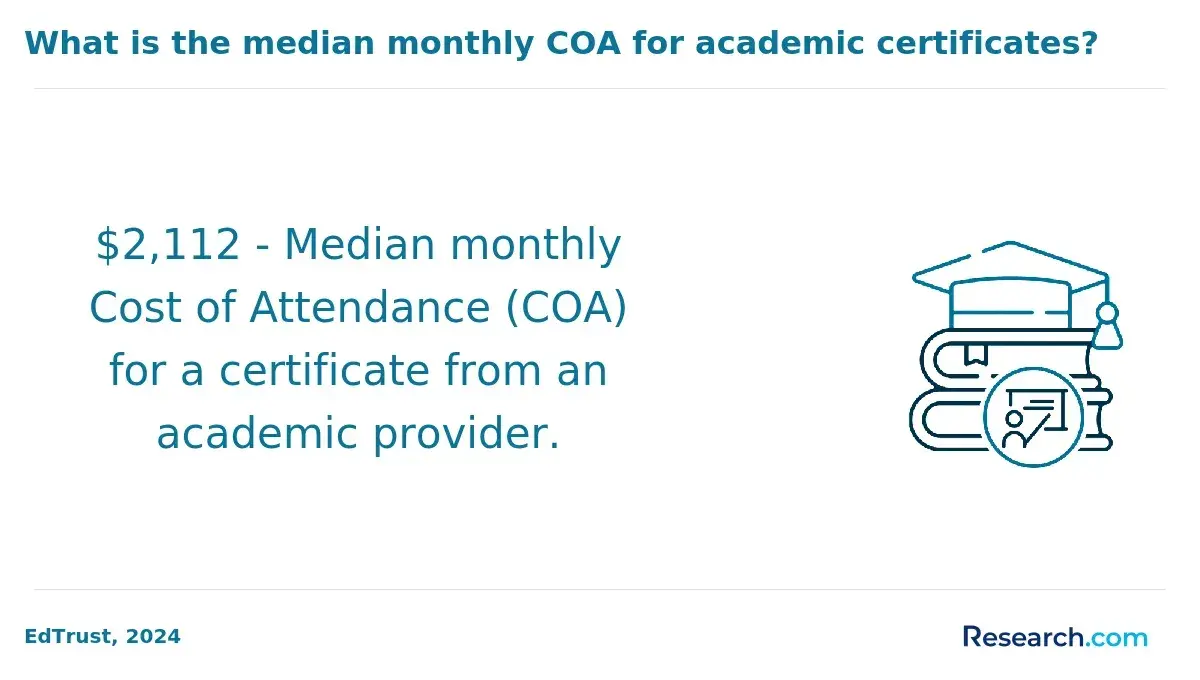
Credit-bearing certificates at eligible institutions may qualify for some federal aid when students meet program and enrollment rules; many short noncredit offerings do not. Compare aid eligibility with net cost, not sticker price. Learners looking for a lower-cost degree continuation route can also compare a cheapest online college option, while confirming whether its credits accept the earlier stack.
What courses and skills are typically included in stackable weekend credential pathways?
A good stackable pathway teaches progressively harder skills instead of repeating introductory content. Early courses often establish safety, communication, digital literacy, documentation, and basic technical knowledge. Later credentials should add specialized procedures, troubleshooting, project work, employer-facing communication, and supervised application.
Typical course patterns differ by field but should show a clear increase in responsibility.
| Pathway | Foundation skills | Advanced stack skills | Evidence students should leave with |
| HVAC/R or maintenance | Safety, tools, electrical basics, diagnostics | Controls, refrigeration systems, preventive maintenance | Lab assessments and documented competencies |
| Healthcare support | Medical terminology, infection control, patient communication | Procedures, records, clinical practice, specialty workflows | Clinical evaluations and exam eligibility when applicable |
| IT support | Operating systems, networking basics, customer support | Security, cloud tools, automation, incident documentation | Projects, labs, and a skills portfolio |
| Design | Visual principles, software foundations, critique | UX research, branding, responsive design, production | Curated portfolio with process explanations |
Ask whether instructors assess skills in real or simulated conditions. Watching videos or passing multiple-choice quizzes can support learning, but it is not enough for jobs that require safe hands-on performance. For technology and design, prioritize portfolios; for clinical and trade fields, prioritize supervised competency assessment.
What career outcomes, job roles, and salary ranges follow stackable weekend credentials?
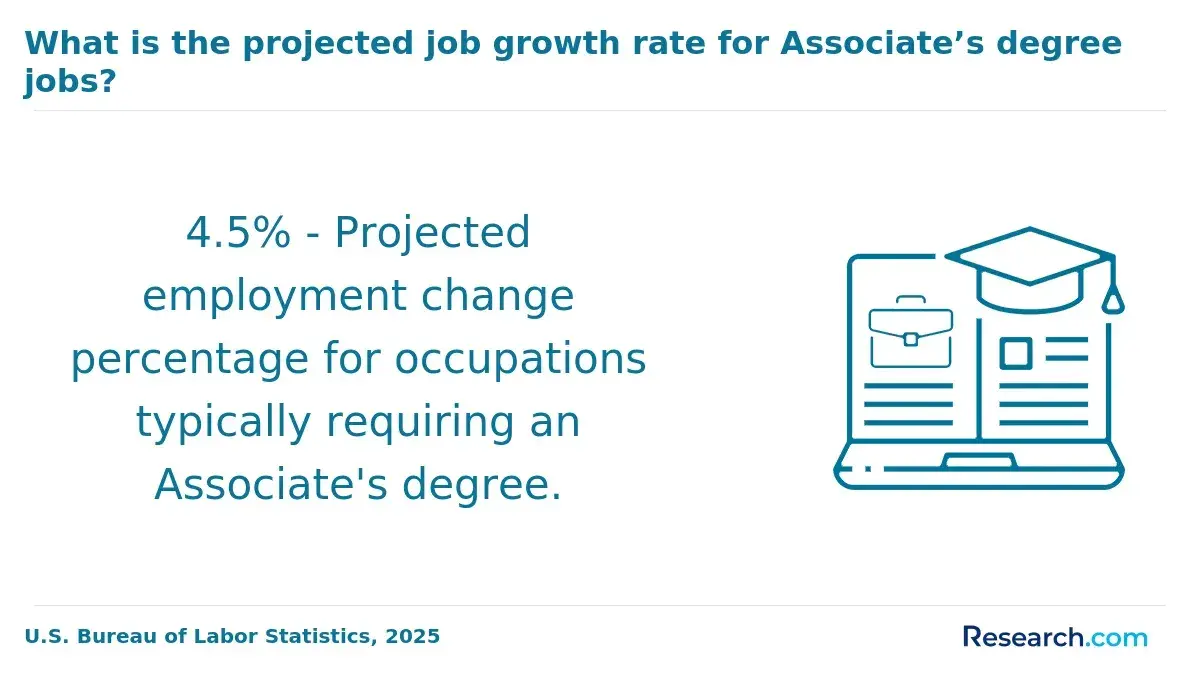
Career outcomes depend on the occupation, local hiring demand, experience, licensure, and the credibility of the provider - not simply on completing a weekend certificate. The BLS reports that healthcare occupations are projected to grow much faster than the average for all occupations from 2024 to 2034. That outlook supports investigating healthcare pathways, but it does not establish that any specific certificate holder will be hired.
Use occupational data as context for a target role, then verify the education employers actually request.
| Credential direction | Potential entry or next-step roles | Important qualification boundary |
| HVAC/R or electrical technology | Helper, maintenance trainee, technician apprentice | Independent work may require apprenticeship, licensing, or employer training |
| Medical assisting or phlebotomy | Clinical support roles in eligible settings | State rules, clinical completion, and employer certification preferences vary |
| IT support and networking | Help desk, desktop support, junior technical support | Employers may expect certifications, projects, or prior customer-service experience |
| Paralegal or legal office studies | Legal assistant, intake, records, litigation support | Programs do not authorize legal practice or representation |
| Graphic or web design | Production design, freelance projects, junior creative support | Portfolio quality and practical experience strongly affect opportunities |
Salary research should be role-specific. The BLS median wage for an occupation describes workers in that occupation with varied education and experience; it is not a salary promise or a direct outcome of a certificate. Compare local job postings, required credentials, expected schedules, and advancement routes before using national wage figures to estimate return on investment.
How can students evaluate and choose reputable stackable weekend credential programs?
Reputable programs make their stack structure, costs, calendar, outcomes, and regulatory status easy to verify. Start with the job you want, then work backward: identify required license or certification, find programs that meet those requirements, and compare whether the first credential remains useful if you pause before completing the full stack.
Take these practical steps before committing.
- Collect three comparable program maps and confirm the exact credential awarded at each stage.
- Calculate total cost through your intended stopping point, including exams, supplies, commuting, lost work time, and required equipment.
- Request the weekend calendar and identify all weekday obligations before enrolling.
- Verify institutional accreditation, specialized approval, and state authorization when they are relevant to your field.
- Read local job postings and ask employers which credentials, licenses, software, or experience they value.
- Ask whether credits transfer internally and externally, then obtain the answer in writing.
- Compare employer tuition support, workforce grants, and eligible aid before borrowing.
Common mistakes include selecting the cheapest advertised tuition without pricing mandatory materials, confusing certificate completion with certification, and assuming an online program meets local licensure rules. Students considering a degree continuation should compare the total pathway against a cheapest accredited online college option only if a bachelor's degree is genuinely required for their target career. A lower-cost option is not a better investment if it does not accept prior credits or provide the needed format.
Other Things You Should Know About
Sometimes, especially for online business, IT, or design coursework. Programs with labs, clinicals, internships, or apprenticeships may require weekday attendance, so review the full calendar rather than relying on the program label.
They can be worthwhile when each step has standalone job value and the school provides a written route to the next credential. They are less useful when credits do not transfer, the target job requires a degree or license, or the program lacks hands-on training.
Only when the college's policy says they do. Credit-bearing certificates may apply toward an internal associate degree, but noncredit training and industry certifications often do not convert into academic credit automatically.
Possibly. Eligibility depends on the institution, whether the program qualifies for aid, enrollment status, and your personal federal or state aid eligibility. Short noncredit programs frequently use workforce funding, employer support, or payment plans instead.
References
- Stackable Credentials: Living Links Between Learning and Work https://www.cael.org/resouces/pathways-blog/stackable-credentials-living-links-between-learning-and-work
- Building Stackable Credentials That Truly Deliver Value and Economic Mobility: 7 Steps for Success https://mcacs.talentfirst.net/building-stackable-credentials-that-truly-deliver-value/
- The Best Guide to Stackable Micro Credentials for Career Advancement https://sertifier.com/blog/stackable-micro-credentials-building-career-success-through-flexible-learning-pathways/
- What Are Stackable Credentials and Why Do They Matter? https://www.pltw.org/blog/what-are-stackable-credentials
- Stackable Credentials in Career Education at California Community Colleges https://www.ppic.org/publication/stackable-credentials-in-career-education-at-california-community-colleges/
- USHE initiative helps students earn meaningful credentials on their way to a degree - Utah System of Higher Education https://ushe.edu/stackable-credentials-help-students-earn-credentials-on-their-way-to-a-degree/
- What Is a Stackable Credential? https://www.collegevaluesonline.com/resources/certifications/what-is-stackable-credential/
- Stackable Credentials: Building Career Ladders That Actually Lead to Jobs | Mapademics https://www.mapademics.com/resources/whitepapers/stackable-credentials-career-pathways
- Stackable Degrees https://an.edu/stackable-degrees/
- Six Types of Credentials Non-Traditional Students Want https://laurelridgeworkforce.com/six-types-of-credentials-non-traditional-students-want/