2027 Best Certificate Programs for Job Security

Co-Founder and Chief Data Scientist
Choosing a short program is risky if it leads to a job with weak demand or credentials employers do not recognize. The strongest certificate paths align with regulated work, essential services, or technical skills that are difficult to automate. U.S. Bureau of Labor Statistics projections for 2024-2034 show especially fast growth in areas such as wind turbine service technicians, solar installers, nurse practitioners, and information security. This guide helps career changers, recent graduates, and working adults compare certificate options by job stability, training requirements, cost, licensing, and realistic next steps.
Key Things You Should Know
- Job security is strongest when a certificate leads to essential, regulated, hands-on, or infrastructure-related work; healthcare, electrical, HVAC, welding, and IT security are common examples.
- A certificate is an education credential, while a certification is usually an industry credential earned through an exam or experience requirements; many careers require both.
- Completion time commonly ranges from a few months to about two years, but licensure, clinical hours, tools, exam fees, and unpaid training can materially affect the total investment.
Top 10 Best Certificate Programs for Job Security
Popular Trade School Programs
Trade certificates can offer durable prospects because employers need workers who can install, repair, inspect, and maintain physical systems. Common options include electrician, HVAC/R technician, welding, plumbing, diesel technology, industrial maintenance, and commercial driving certificates; some schools also offer associate degrees. Electrician and plumbing paths often require paid apprenticeships and state licensing beyond school. HVAC programs may prepare students for EPA Section 608 certification. Choose a credit-bearing program if you may later pursue an associate degree, and confirm that its lab hours, equipment, and employer connections fit local hiring needs.
Healthcare Programs
Healthcare certificates are often resilient because patient care, diagnostic support, and administrative compliance remain essential. Options include practical nursing, medical assisting, dental assisting, phlebotomy, pharmacy technician, surgical technology, medical coding, and sterile processing. A practical nursing program usually prepares students for the NCLEX-PN licensing exam, while medical assisting and coding credentials may be voluntary but employer-preferred. Clinical programs require approved placements, immunizations, background checks, and state-specific eligibility. Verify program approval before enrolling: online coursework alone generally cannot replace required clinical or laboratory training.
Criminal Justice / Law Programs
Certificate and associate programs in paralegal studies, legal assisting, corrections, emergency management, homeland security, and criminal justice can support entry-level administrative or public-service roles. Paralegals work under attorney supervision and cannot independently practice law. Court reporting, forensic technology, and law-enforcement careers may have separate state, agency, physical-fitness, or background-screening requirements. A program with local internships and legal-research training is generally more useful than a broad certificate with no supervised experience. Applicants should check whether employers in their area prefer American Bar Association-approved paralegal education.
Arts & Design Programs
Arts and design certificates include graphic design, UX/UI design, digital marketing, photography, animation, web design, and interior design. Job security varies more than in licensed trades or healthcare because portfolios, client demand, and software skills strongly influence hiring. Choose programs that produce reviewed portfolio projects, teach accessible design and current production tools, and include feedback from working professionals. An associate degree can be useful for broader foundations and transfer options, but a focused certificate may suit a career changer who already has a degree. Avoid programs that promise placement without showing graduate outcomes.
What are the most in-demand certificate fields for long-term job security?
The most in-demand certificate fields for long-term job security are generally those tied to healthcare delivery, skilled maintenance, energy infrastructure, transportation, cybersecurity, and compliance. Demand alone is not enough: the best option is one that matches the entry requirements in the state and labor market where you intend to work.
The comparison below distinguishes occupations from education programs. BLS occupational projections describe the labor market, not a promise that completing any certificate will lead to employment.
| Field | Why it can be durable | Common credential route | Important limitation |
| HVAC/R and electrical | Buildings require installation, repair, and safety compliance | Certificate plus apprenticeship, licensing, or employer training | Licensing rules vary by state and locality |
| Healthcare support | Direct patient services and aging-related demand | Approved certificate, clinical training, and sometimes an exam | Clinical eligibility and state approval matter |
| Cybersecurity | Organizations need risk, network, and data protection skills | IT certificate plus industry certification and portfolio experience | Entry-level jobs can still be competitive |
| Energy and industrial maintenance | Infrastructure and equipment need field service workers | Technical certificate or associate degree | Jobs may require travel, shifts, or physical work |
For context, BLS projects information security analyst employment to grow 29% from 2024 to 2034. That growth supports continued demand for security skills, but many analyst roles also expect prior IT experience or a bachelor's degree; a short certificate is often a starting point rather than a complete substitute.
How do accredited certificate programs compare with degrees for career stability?
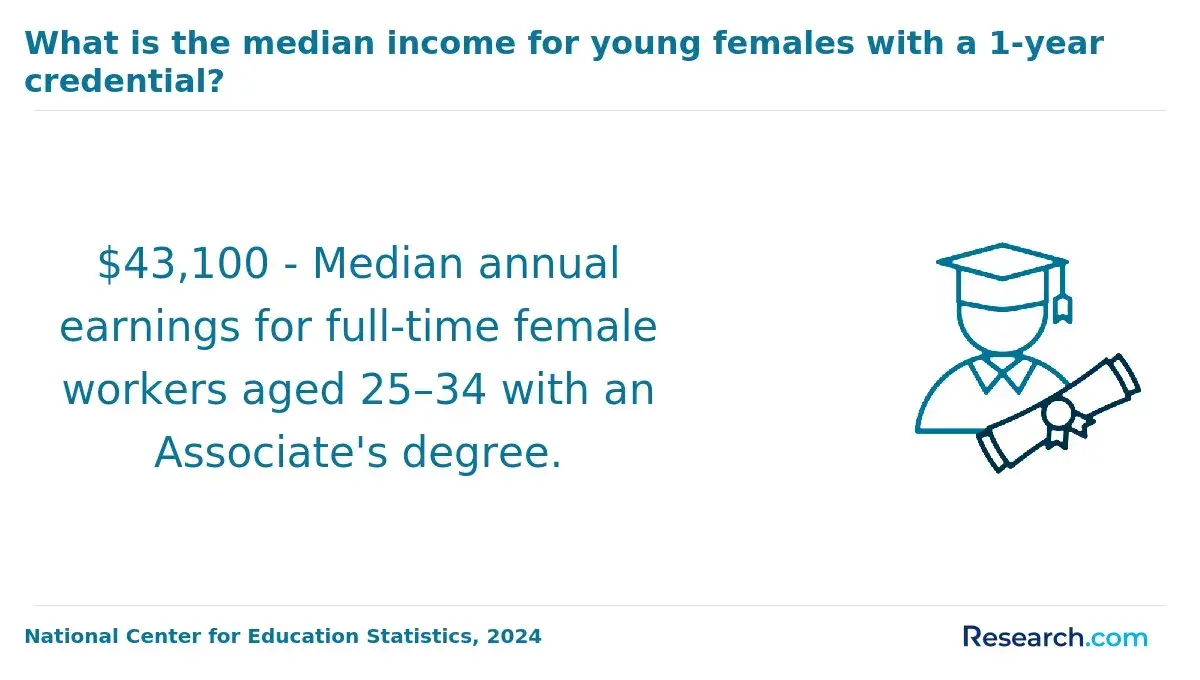
Accredited certificate programs and degrees serve different purposes. A career certificate is usually a focused, shorter course of study offered by a college, trade school, hospital, or training provider. A degree provides broader general education and often opens occupations with formal degree requirements. Institutional accreditation matters most when you need federal student aid, transferable credit, or a pathway into another college program. Programmatic approval is especially important in regulated health fields.
A certificate can be the better stability investment when an employer-recognized skill, apprenticeship, examination, or license is the actual hiring gate. A degree is usually the safer choice when postings consistently require one, advancement depends on it, or you want flexibility across fields. Professionals seeking leadership or advanced specialization may eventually consider masters degrees, but a graduate degree is not a replacement for trade licensure or entry-level clinical eligibility.
This comparison can help clarify which route fits your goal.
| Factor | Certificate | Associate or bachelor's degree |
| Primary purpose | Targeted job skill or career entry | Broad education and longer-term mobility |
| Typical length | Weeks to about two years | About two to four years |
| Credit transfer | Varies; strongest for credit-bearing college certificates | More structured, but still school-dependent |
| Best fit | Defined occupation with clear credential requirements | Occupations requiring a degree or broad career options |
Which industries offer the strongest job outlook for certificate holders?
Industries with the strongest outlook for certificate holders tend to combine ongoing service needs with a shortage of qualified workers. Construction and building systems, healthcare support, manufacturing maintenance, transportation, utilities, and information technology can all offer viable routes, but local demand differs substantially.
BLS projects employment of wind turbine service technicians to grow 50% from 2024 to 2034, among the fastest rates for any occupation. This is a compelling signal for energy-sector training, yet it does not mean every region has wind jobs; relocation, climbing ability, travel, and safety training may be central to the career.
Before selecting an industry, compare nearby job postings for required credentials, schedule expectations, entry pay, and experience requirements. Favor programs that explicitly teach the tools and standards appearing in those postings. Be cautious about a school that cites national growth while avoiding questions about local employers, placement support, or the number of openings within commuting distance.
What admission requirements do competitive certificate programs typically have?
Competitive certificate programs use requirements that reflect the work students will perform. Open-enrollment, noncredit technology certificates may only require basic computer access and payment. College-based, clinical, and selective technical programs can require transcripts, placement testing, prerequisite courses, interviews, health documentation, or background checks.
Applicants should confirm these requirements before paying an application fee:
- Ask whether the credential is credit-bearing, noncredit, or designed to prepare for a separate certification or license.
- Confirm required prerequisites in math, science, English, computer skills, or prior work experience.
- For clinical or public-safety training, ask about immunizations, drug screening, background checks, physical requirements, and placement eligibility.
- Request the school's policy for transfer credit, waitlists, clinical placements, withdrawals, and retaking certification exams.
A common mistake is assuming admission equals eligibility for licensure. State boards, exam vendors, and employers can impose separate standards, including rules about criminal history or supervised hours.
How long do certificate programs take and what do they cost?
Most job-focused certificates take from a few months to roughly two years. Short programs can reduce time away from work, but they may cover only a narrow skill set. Longer certificates and associate degrees can include more lab practice, clinical hours, general education, and stackable credits.
Cost depends on provider type, residency, equipment, testing, and required experiences. Community colleges may offer lower tuition for credit-bearing programs, while private career schools may offer faster schedules at higher total prices. Programs promoted as 6 month certificate programs can be useful for defined entry-level roles, but prospective students should verify whether the advertised timeline includes exam preparation, externships, and required licensing steps.
Use this cost checklist to compare offers on an equal basis.
- Tuition and mandatory institutional fees
- Books, uniforms, tools, safety equipment, software, and device requirements
- Certification, licensing, fingerprinting, background-check, and examination fees
- Transportation, parking, childcare, clinical travel, and missed-work costs
- Whether grants, employer tuition assistance, military benefits, or payment plans apply
Do not compare tuition alone. Ask for a written total-cost estimate and determine whether the credential can lead directly to paid work or requires an additional apprenticeship, exam, or degree.
How do online certificate programs differ from campus programs for job outcomes?
Online certificate programs can work well for theory-heavy fields such as IT support, project coordination, bookkeeping, coding, digital marketing, and medical billing. Campus or hybrid delivery is often stronger for programs requiring hands-on equipment, clinical practice, supervised skills checks, or local employer relationships.
Online learning does not automatically produce weaker job outcomes; the deciding factors are curriculum quality, recognized assessments, instructor access, portfolio evidence, and employer relevance. For parents or caregivers who need flexible scheduling, these college programs for moms may offer useful options for balancing education with family responsibilities, but clinical and lab requirements still follow program and state rules.
Compare the formats based on the evidence an employer can see.
| Decision factor | Online program | Campus or hybrid program |
| Scheduling | Often flexible and asynchronous | Usually fixed labs, meetings, or clinical shifts |
| Hands-on training | May require local arrangements or simulations | Usually includes supervised facilities and equipment |
| Networking | Requires proactive virtual outreach | May provide local instructors and employer contacts |
| Best use case | Digital, administrative, or theory-focused skills | Licensed, clinical, mechanical, and lab-intensive fields |
What coursework and skills do job-focused certificate programs usually include?
Job-focused certificate coursework should map to real tasks, not merely introduce broad concepts. Strong programs combine technical instruction with practice, documentation, safety, communication, and problem-solving. For example, an HVAC program may include electrical fundamentals, refrigeration cycles, diagnostics, and safety; a cybersecurity program may include networking, operating systems, incident response, and hands-on labs.
Look for these signals that coursework is built for employment:
- Current tools, software, codes, standards, and equipment used by local employers
- Supervised labs, simulations, clinical practice, externships, apprenticeships, or portfolio projects
- Clear preparation for a named examination, license, or industry certification when relevant
- Career services that review résumés, interview skills, and evidence of competencies
- Published learning outcomes that identify what graduates can actually do
Foundational study can also strengthen a career pivot. Taking easy online college courses may help some learners rebuild academic confidence, but choose courses that support a required prerequisite or transferable goal rather than delaying occupational training without a plan.
What salaries and career paths can certificate program graduates expect?
Salaries and career paths depend on occupation, location, shift differentials, licensing, experience, union coverage, and employer - not simply on holding a certificate. Use occupational wage data as a benchmark for the role you want, then verify whether a certificate alone meets entry requirements.
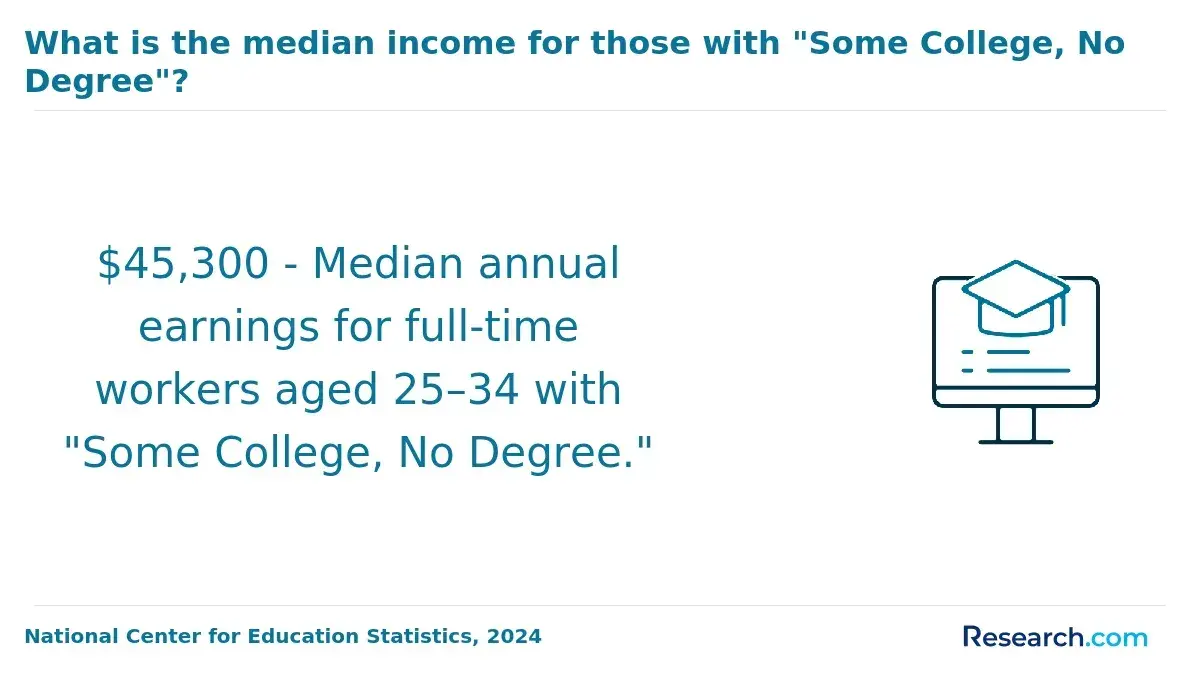
BLS reported a 2024 median annual wage of $62,350 for electricians, $59,810 for HVAC mechanics and installers, $61,780 for licensed practical and licensed vocational nurses, and $124,910 for information security analysts. These figures describe workers in those occupations across education and experience levels. An electrician commonly needs an apprenticeship and license, an LPN needs state licensure, and many information security analyst jobs require experience beyond an entry-level certificate.
A realistic path often begins with support work and stacks over time: technician trainee to independent technician, medical assistant to nursing education, IT support to security operations, or legal assistant to paralegal work. Ask each school for completion rates, exam pass rates where applicable, job-placement definitions, and the job titles of recent completers. Treat unusually high salary claims without role-specific evidence as a red flag.
How can students verify accreditation, licensing, and certification requirements?
Verification protects you from enrolling in a program that cannot lead to the credential or job you expect. First identify the exact occupation, then identify the authority that controls entry: a state licensing board, national certification organization, employer, union, or apprenticeship agency. Do not rely only on a school representative's verbal assurance.
Use the following process before committing:
- Find the licensing or certification requirement for your intended state and occupation.
- Confirm that the school and, where relevant, the specific program meet the authority's education standards.
- Ask whether graduates are eligible to take the required exam immediately and whether supervised hours are included.
- Check institutional accreditation through the recognized accreditor's records when federal aid, credit transfer, or college progression matters.
- Get written confirmation of clinical placement, externship, apprenticeship, and exam-preparation arrangements.
Red flags include vague claims of "accreditation," refusal to name a licensing board, pressure to enroll before reviewing the catalog, and statements that online coursework satisfies clinical requirements without documented approval.
Other Things You Should Know About
There is no single best certificate for everyone. Programs tied to healthcare, electrical work, HVAC, industrial maintenance, transportation, cybersecurity, and regulated support roles often have stronger stability because they meet continuing service or compliance needs. Choose based on local openings and required credentials.
It can support entry into well-paid occupations, particularly skilled trades and technical roles, but pay depends on the occupation, experience, location, licensing, overtime, and employer. Some higher-paying roles require an apprenticeship, an associate or bachelor's degree, or multiple credentials beyond a certificate.
They can be, especially in digital and administrative fields, if the provider is credible and the program builds demonstrable skills. For licensed healthcare and hands-on trades, confirm that online components are combined with approved labs, clinical training, or supervised practice.
Choose a certificate when you need focused, faster preparation for a clearly defined job. Choose an associate degree when you want broader coursework, more advancement options, or credits that may transfer toward a bachelor's degree. Review job postings before deciding.
References
- Certification vs Degree: Which Holds More Weight in Tech? - ONLC https://www.onlc.com/blog/certification-vs-degree-in-tech/
- What Career Can I Get in 6 Months? - Center for Employment Training https://cetweb.edu/blog/what-career-can-i-get-in-6-months
- Cyber Jobs No Degree: Entry Roles with Certificates https://www.quickstart.com/blog/cyber-security/cybersecurity-careers-you-can-get-without-a-degree/
- Short-term credentials and the labor market: Who stands to benefit? https://fedcommunities.org/short-term-credentials-labor-market-who-stands-benefit/
- Top Emerging Careers of the Future https://www.savvas.com/resource-center/blogs-and-podcasts/college-and-career-readiness/career-paths/top-emerging-careers-of-the-future
- The Right Certificate Can Land You a Great Job https://www.aarp.org/work/careers/certificate-programs-are-fast-track-to-great-job/
- What are the fastest-growing industries to consider for a career change? - MSU Denver https://www.msudenver.edu/innovative-lifelong-learning/blog/what-are-the-fastest-growing-industries-to-consider-for-a-career-change/
- Associate degrees and certificates are more valuable than you may think https://fordhaminstitute.org/national/commentary/associate-degrees-and-certificates-are-more-valuable-you-may-think
- How does a college degree improve graduates' employment and earnings potential? - APLU https://www.aplu.org/our-work/publicuvalues/employment-earnings/
- How Do Earnings from Certificate-, Associate Degree-Holders Compare to BAs? https://njbia.org/how-do-earnings-from-certificate-associate-degree-holders-compare-to-bas/