2027 Best Online Microcredentials for Students With Low GPA

Co-Founder and Chief Data Scientist
A low GPA can close some degree-program doors, but it does not prevent you from building current, employer-relevant skills. Online microcredentials offer short, focused training in areas such as IT, healthcare support, business, and design, often without traditional GPA-based admission. The U.S. Bureau of Labor Statistics projects about 19 million job openings per year, on average, from 2024 to 2034. This guide helps you compare low-risk credential options, verify their value, and choose training that supports a realistic next step.
Key Things You Should Know
- Many online microcredentials do not require a minimum GPA because they use open enrollment, basic eligibility screening, or skills prerequisites instead of selective college admission.
- Choose a credential tied to a specific job skill or recognized exam; a short course alone does not guarantee employment, certification, licensure, or college credit.
- Compare total cost, completion time, provider reputation, and employer relevance before enrolling; U.S. Bureau of Labor Statistics projections show about 19 million annual job openings across occupations from 2024 to 2034.
Top 10 Best Online Microcredentials for Students With Low GPA
Popular Trade School Programs
Students with low GPAs can consider online or hybrid certificates in HVAC fundamentals, welding technology, electrical technician training, construction management, automotive service, and industrial maintenance. Fully online study can cover safety, estimating, codes, and theory, but hands-on trades usually require in-person labs, employer training, apprenticeships, or supervised practice. A short certificate may help you enter a helper or trainee role; state licensing and apprenticeship requirements remain separate. Choose hybrid training when the target job requires equipment competency or documented practical hours.
Healthcare Programs
Healthcare microcredentials may cover medical billing and coding, pharmacy technician preparation, electronic health records, patient scheduling, medical terminology, or community health support. These are practical options for learners rebuilding an academic record, but clinical occupations have stricter limits. Medical assisting, nursing, phlebotomy, and similar roles may require an approved program, background check, immunizations, clinical placement, and state-specific rules. Confirm whether the program prepares you for a separate industry certification examination and whether local employers accept the credential before paying tuition.
Criminal Justice / Law Programs
Arts & Design Programs
Online microcredentials in graphic design, UX design, digital marketing, video editing, animation, and web content creation can suit students whose portfolios demonstrate stronger potential than their transcripts. Prioritize programs that produce reviewed work samples, teach current software workflows, and include feedback from working professionals. A credential is most valuable when paired with a portfolio showing research, drafts, finished projects, and explanations of your decisions. For freelance or creative roles, employers often evaluate demonstrable skills more closely than GPA.
What are online microcredentials and how do they support students with low GPAs?
For students with low GPAs, the central advantage is access: many microcredentials evaluate readiness through open enrollment, a placement activity, required prior knowledge, or a basic application rather than cumulative grades. They can help you show recent performance, build a portfolio, and test a career direction before committing to a longer program. They are not, however, a replacement for a degree where an employer, licensing board, or graduate school specifically requires one.
Before choosing, distinguish educational certificates from professional certifications. A certificate or microcredential shows completion of a learning experience. A certification is usually issued by an independent certifying body after a qualifying examination, experience requirement, or both.
How do admission requirements for online microcredentials differ for applicants with low GPAs?
Admission requirements vary more by credential type than by a student's GPA. Open-enrollment professional certificates commonly ask only for a payment method, email account, and basic technology access. College-issued undergraduate certificates may request a high school diploma, transcript, placement test, or minimum GPA, particularly when the coursework is credit-bearing.
Use the provider's written requirements to identify the right level of program. These questions help distinguish an accessible program from one with hidden barriers:
- Does enrollment require a minimum high school, college, or transfer GPA?
- Is the credential credit-bearing, and can those credits apply to a certificate, associate degree, or bachelor's degree later?
- Are there prerequisites in math, writing, anatomy, coding, software, or work experience?
- Does the program require a background check, clinical placement, lab attendance, or state approval?
- Will completion qualify you to take a separate certification examination, or is additional training required?
If your academic record is weak but improving, a low-cost, graded, credit-bearing course may provide stronger evidence of college readiness than a completion-only badge. Ask whether you will receive an official transcript and whether the grade can be used in a future admissions application.
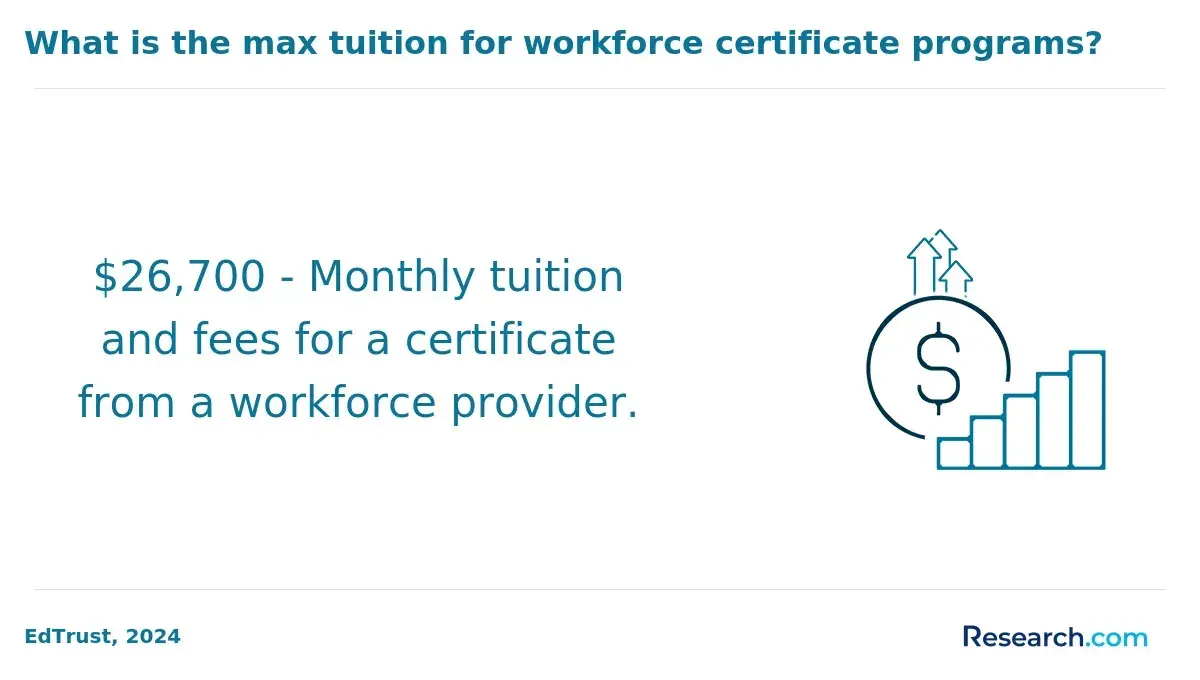
What accreditation and quality standards should online microcredential programs meet?
A noncredit microcredential may not be accredited because it is not a college program. In that case, assess quality through transparent learning outcomes, named instructors, current curriculum, assessment methods, employer recognition, and a clear explanation of what the credential does and does not qualify you to do.
Warning signs deserve careful attention: vague job-placement claims, pressure to enroll immediately, no published refund policy, unverified "accreditation," or a promise that online theory alone meets hands-on licensure requirements. For broader degree options after skill building, compare most affordable online colleges and confirm their credit-transfer policies directly.
How do online microcredentials compare with campus-based certificates for flexibility and cost?
This comparison highlights the trade-offs that matter more than a program's marketing label.
| Factor | Online microcredential | Campus-based certificate |
| Schedule | Often asynchronous or part-time | Usually fixed meeting times |
| Typical fit | Digital, administrative, business, and foundational technical skills | Hands-on, clinical, lab, and equipment-intensive training |
| Cost factors | Tuition, platform fees, software, exam fees | Tuition, fees, commuting, supplies, labs, and equipment |
| Networking | Virtual cohorts and career services vary widely | More in-person instructor and local employer contact |
| Best evidence of skill | Projects, assessments, portfolios, and certification exams | Practical evaluations, labs, and supervised practice |
Do not compare tuition alone. Include required software, proctoring, examination fees, travel for labs, retake costs, and income lost if a fixed schedule limits your work hours.
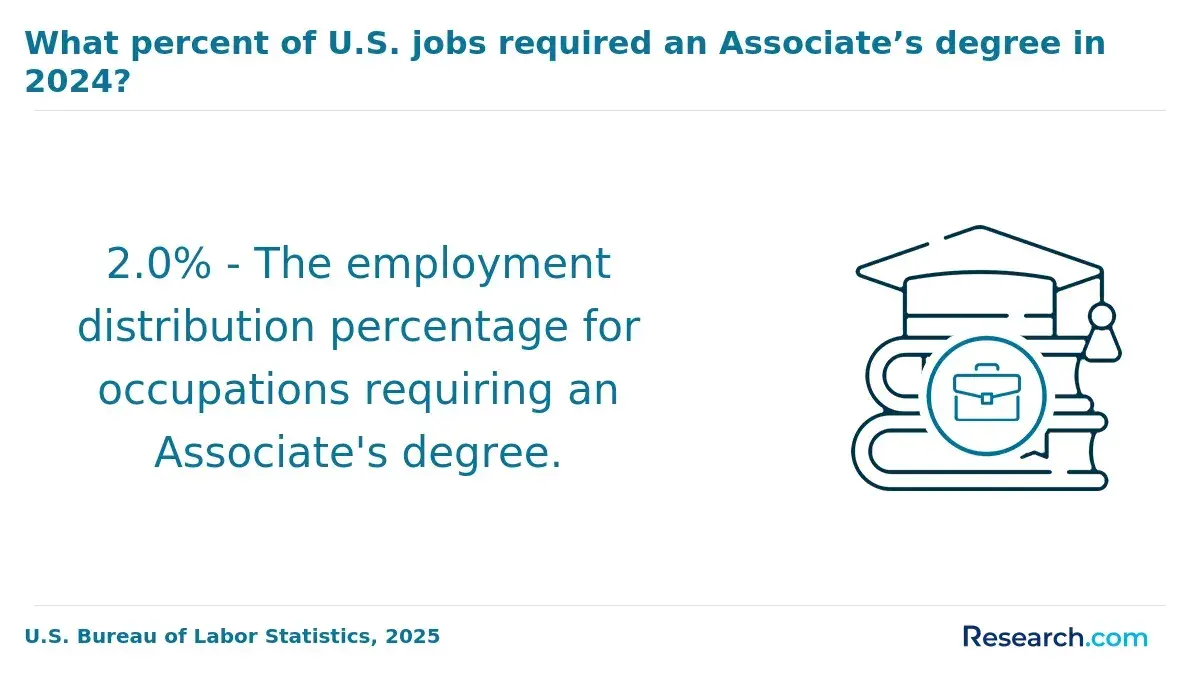
What types of online microcredentials are best for career changers and working adults?
The best online microcredentials for career changers solve a narrow, employable problem and fit around existing work. Strong choices typically lead to a portfolio, a practical assessment, an industry exam pathway, or a clearly defined workplace task rather than a general completion badge.
Working adults should prioritize options with transparent workload, flexible deadlines, and career relevance:
- IT support, cloud fundamentals, data analytics, cybersecurity foundations, and project coordination for technology-adjacent transitions.
- Bookkeeping, payroll, customer relationship management, digital marketing, and business analytics for office and operations roles.
- Medical billing, coding preparation, health information workflows, and patient-access training for nonclinical healthcare support paths.
- UX design, content design, web development, and digital media programs that result in a reviewable portfolio.
A career changer who needs a bachelor's degree for advancement should not overinvest in disconnected badges. Review cheap online universities if you need a longer, credit-bearing route with a clearer degree outcome.
What coursework and skills do leading online microcredentials typically include?
Leading microcredentials focus on a limited set of skills that can be demonstrated. Coursework often combines short lessons with applied assignments, simulations, case studies, projects, quizzes, and a final assessment. Quality programs state the software, methods, and competencies learners will practice before enrollment.
Across fields, employers frequently value evidence that you can complete work reliably. Common skill areas include communication, documentation, spreadsheets, data handling, customer service, project tracking, digital security, workplace ethics, and use of job-specific tools.
AI literacy is increasingly relevant, but it should be taught as responsible tool use rather than a substitute for subject knowledge. Look for curriculum that addresses prompt evaluation, fact-checking, privacy, copyright, bias, and the ability to explain and verify work produced with AI assistance.
How long do online microcredential programs take and what do they typically cost?
Completion time ranges from a few hours for a standalone course to several months for a structured professional certificate. Self-paced programs can be fast, but only if you can consistently study; cohort-based options provide deadlines and feedback but may have fixed start dates. Credit-bearing college certificates commonly take longer because they follow academic terms and include more comprehensive assessment.
Costs vary substantially by provider, subject, academic credit, instructor access, and included examination preparation. Compare the full financial commitment rather than an advertised monthly price.
| Credential format | Typical time commitment | Common cost considerations |
| Short noncredit course | Hours to several weeks | Course fee, subscription period, optional certificate fee |
| Professional certificate pathway | Several weeks to months | Monthly tuition, project tools, exam preparation, extensions |
| College microcredential | One or more academic terms | Per-credit tuition, institutional fees, textbooks, transcript fees |
| Hybrid workforce credential | Weeks to months | Tuition, equipment, lab fees, travel, licensing or exam costs |
Federal student aid is often unavailable for short noncredit training, although some workforce grants, employer tuition benefits, payment plans, and state programs may apply. If timing is important, explore online colleges starting soon for programs with more frequent enrollment cycles.
What entry-level and mid-career jobs can online microcredentials help you qualify for?
Microcredentials can strengthen candidacy for roles where employers assess specific skills, but eligibility depends on the employer, your experience, local regulation, and the credential's content. They are most useful as a first step, a supplement to existing experience, or evidence of recent upskilling.
The following examples show realistic ways credentials can support a job search without overstating their effect.
| Skill area | Possible entry-level roles | Potential next step |
| IT support | Help desk technician, technical support specialist | Systems support, network administration, cybersecurity specialization |
| Data and business tools | Operations assistant, reporting assistant, junior analyst support | Business analyst or operations analyst with experience and deeper training |
| Healthcare administration | Patient-access representative, medical records clerk, billing support | Medical billing specialist, health information technician with required preparation |
| Digital design | Production artist, content assistant, junior web-content support | Designer or UX specialist through portfolio development and experience |
| Project coordination | Project coordinator assistant, administrative coordinator | Project coordinator or project manager with experience and appropriate certification |
For roles with legal, clinical, safety, or licensing responsibilities, verify requirements with the employer and relevant state board. A microcredential may improve foundational knowledge but may not satisfy mandatory education, supervised-hours, examination, or background-check standards.
How do salaries and job outlook compare for careers that accept microcredentials?
Salary data describes occupations, not the earnings of microcredential completers. A credential can help demonstrate a skill, but pay depends on location, experience, industry, education, performance, and whether the role requires a degree, license, or professional certification.
Recent U.S. Bureau of Labor Statistics data can still help you judge whether a field has room for entry and advancement. For example, medical assistants had a 2024 median annual wage of $44,200, while employment is projected to grow 12% from 2024 to 2034. That growth suggests continued demand, but many employers still require approved training and may prefer certification.
When evaluating return on investment, compare the credential's full cost with the likely entry path, not the highest salary in a field. Review job postings in your area for required software, education, credentials, and experience. Then select training that closes the most common gaps. For programs connected to specific industry credentials, compare available online certificates carefully and confirm whether the listed option is an educational certificate, an exam-prep program, or a professional certification pathway.
Other Things You Should Know About
Often, yes. Many noncredit microcredentials use open enrollment and do not review GPA. Credit-bearing college programs may have minimum academic standards, so check the written admissions policy before applying.
They can be worthwhile when they teach a skill requested in target job postings and provide evidence of competence, such as projects, assessments, or exam preparation. They are less useful when they are vague, unrecognized, or unrelated to a specific career goal.
Only some will. Credit-bearing microcredentials may transfer or stack into a larger credential if the institution has a written policy. Noncredit badges usually do not create transferable academic credit.
Usually not by themselves. Licensure is controlled by state boards and may require an approved program, supervised practice, examinations, background checks, or additional education. Confirm requirements with the applicable licensing authority before enrolling.
References
- Micro Credentials in Higher Education: A Systematic Review of the Literature https://acbspjournal.org/2022/11/01/micro-credentials-in-higher-education-a-systematic-review-of-the-literature/
- Micro-Credentials | NEA https://www.nea.org/professional-excellence/professional-learning/micro-credentials
- Colleges That Accept Low GPA Scores | Find Options https://www.educationconnection.com/resources/colleges-that-accept-low-gpa/
- Types of Financial Aid https://www.hhloans.com/types-of-financial-aid/
- How Microcredentials Are Revolutionizing the Higher-Education Business Model https://manhattan.institute/article/how-microcredentials-are-revolutionizing-the-higher-education-business-model
- 34 MSW Programs in the USA that Accept Low GPAs https://www.mswhelper.com/blog/34-msw-programs-in-the-usa-that-accept-low-gpas
- 10 Key Questions About Micro-Credentials https://trainingmag.com/10-key-questions-about-micro-credentials/
- Microcredentials in Higher Education: Why They're Reshaping Learning Paths https://moderncampus.com/blog/what-do-microcredentials-mean-for-the-modern-higher-education-institution.html
- Microcredentials https://www.nagc.org/microcredentials
- National U embeds holistic support through micro-credentials https://www.insidetrack.org/case-studies/flexible-micro-credential-programs-offer-national-universitys-student-facing-staff-a-holistic-coaching-approach