2027 Best Online Career Training Programs With Asynchronous Classes

Co-Founder and Chief Data Scientist
Choosing career training is difficult when you need job-relevant skills but cannot attend live classes at fixed times. Asynchronous online programs let learners complete lectures, readings, assignments, and many assessments on their own schedule, while still meeting weekly deadlines.
This matters as employers increasingly evaluate demonstrable skills alongside education: the U.S. Bureau of Labor Statistics projects healthcare support occupations to grow faster than average from 2024 to 2034. This guide helps working adults compare program types, costs, hands-on requirements, credentials, and realistic career paths before enrolling.
Key Things You Should Know
- Asynchronous career training works best for self-directed learners, but regulated careers such as nursing, dental assisting, and electrical work usually still require in-person clinicals, labs, apprenticeships, or supervised fieldwork.
- Program length ranges from a few months for noncredit training to about 2 years for an associate degree; compare total tuition, exam fees, equipment, background checks, and required travel - not tuition alone.
- For occupational context, BLS May 2024 data reports median annual pay of $59,200 for paralegals and legal assistants and $65,450 for web developers and digital designers; a training certificate alone does not guarantee access to either occupation.
Top 10 Best Online Career Training Programs With Asynchronous Classes
Popular Trade School Programs
Online asynchronous trade training commonly includes HVAC fundamentals, electrical theory, plumbing basics, welding theory, construction management, automotive service, and OSHA safety. Most are noncredit career-training certificates rather than academic degrees. They suit learners who need flexible theory coursework but can arrange local practice. HVAC and electrical programs may prepare students for entry-level helper roles or certification exams, yet they do not replace state-required licensing, supervised experience, or apprenticeships. Choose a hybrid program when the target job requires tool use, diagnostics, brazing, wiring, or code-compliant installation.
Healthcare Programs
Common asynchronous healthcare options include medical billing and coding, pharmacy technician preparation, medical administrative assisting, health information technology, and healthcare management certificates. Medical coding and administrative programs can be largely online, although employers may prefer candidates with recognized industry certification. Clinical paths - including medical assisting, dental assisting, practical nursing, phlebotomy, and diagnostic imaging - need approved labs and supervised clinical placements. Confirm that a program meets your state's rules and any certifying exam eligibility requirements before paying. A certificate of completion is education; professional certification is a separate credential awarded by a certifying body.
Criminal Justice / Law Programs
Asynchronous programs in criminal justice, legal studies, paralegal studies, cybersecurity, and court reporting can build knowledge of legal research, procedure, ethics, reports, and records systems. A legal studies certificate may help with administrative or support work, but it does not authorize someone to practice law. Paralegal education is strongest when it includes legal writing, research databases, and supervised practical assignments; some employers prefer programs approved by the American Bar Association, though approval is not universally required. Police academy, corrections, and security licensing requirements remain state- and employer-specific.
Arts & Design Programs
Online asynchronous arts and design training includes graphic design, UX design, digital marketing design, photography, animation, video editing, and web design. These certificates are often portfolio-focused and may be offered by colleges, universities, software providers, or private training schools. They fit learners who can practice independently and seek feedback through critiques. For design hiring, a polished portfolio and current software skills can matter as much as the credential title. Verify whether coursework covers accessible design, typography, branding, responsive layouts, copyright basics, and portfolio review rather than only software tutorials.
How do online career training programs with asynchronous classes work day to day?
In an asynchronous program, instructors release modules through a learning platform. You generally watch recorded lessons, complete readings and quizzes, submit projects, participate in discussion boards, and receive feedback by posted deadlines. "Asynchronous" means no required live lecture time; it does not mean entirely self-paced or deadline-free.
Your weekly rhythm should match the program's workload and its practical requirements. The following sequence shows what successful participation commonly looks like.
- Review the weekly module, learning outcomes, rubric, and due dates before starting assignments.
- Block recurring study periods for video lessons, reading, practice exercises, and project work.
- Ask questions through office hours, messaging, discussion boards, or scheduled appointments rather than waiting until the deadline.
- Complete required labs, externships, clinicals, or proctored exams according to the provider's schedule.
- Save graded projects, instructor feedback, and completed work samples for a portfolio or job search.
Flexible scheduling is valuable for shift workers, caregivers, and military-connected learners. It is less suitable if you need frequent live accountability, immediate demonstrations, or a guaranteed local placement. Before enrolling, ask exactly which activities are asynchronous and which require attendance at specific times.
What accreditation and institutional quality standards should these online programs meet?
Quality standards depend on the credential and career goal. A noncredit software certificate may be evaluated mainly by curriculum, instructor expertise, employer recognition, and portfolio outcomes. A credit-bearing certificate or associate degree should be offered by an institution accredited by an accreditor recognized by the U.S. Department of Education or the Council for Higher Education Accreditation.
For regulated and clinical fields, institutional accreditation alone may not be enough. Use this comparison to identify the approval that matters for your intended role.
| Program type | Quality check that matters | Why it matters |
| College certificate or associate degree | Recognized institutional accreditation | May affect transfer credit, federal aid eligibility, and employer confidence. |
| Healthcare clinical program | Programmatic approval or accreditation and state-board alignment | May be necessary for clinical placement, examination eligibility, or licensure. |
| Trade training | State licensing-board alignment, lab access, and apprenticeship relevance | Online theory does not replace required supervised hours. |
| Technology or design certificate | Current curriculum, instructor experience, portfolio support, and transparent outcomes | Employer recognition often depends on demonstrated skills. |
Red flags include vague claims that a program is "accredited" without naming the accreditor, promises of licensure without identifying the state, and refusal to disclose completion requirements. Contact the relevant state licensing board directly when a license is your goal.
How do online asynchronous career training programs compare to campus-based options?
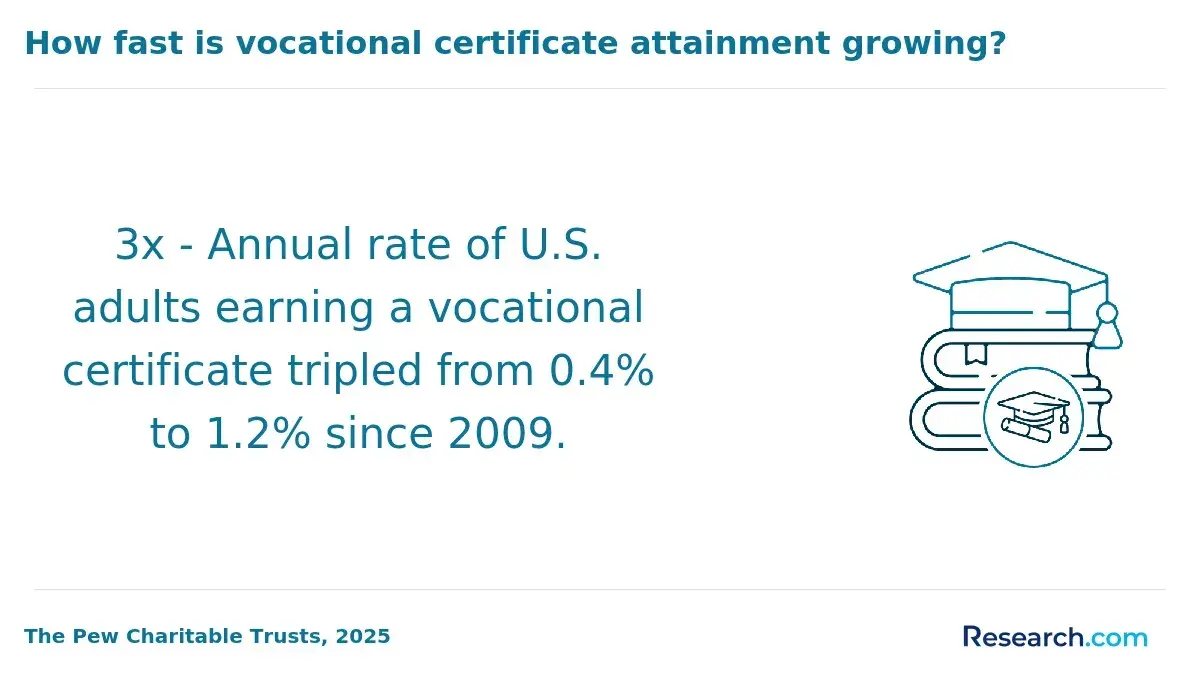
Asynchronous online training and campus programs can teach similar theory, but they differ sharply in structure, access to equipment, and networking. Online delivery is usually the better fit for learners balancing work or distance barriers; campus or hybrid delivery is often stronger for careers needing repeated supervised practice.
The comparison below focuses on the trade-offs that affect completion and job readiness.
| Factor | Asynchronous online | Campus-based or hybrid |
| Schedule | Coursework is completed around weekly deadlines. | Classes and labs occur at assigned times. |
| Hands-on learning | Often requires home kits, simulations, local sites, or short residencies. | Usually provides direct access to labs, equipment, and faculty demonstration. |
| Networking | Requires deliberate use of virtual events, internships, and local employers. | May offer more spontaneous peer and employer contact. |
| Best use | Knowledge-based roles, upskilling, and learners with reliable time-management systems. | Clinical, technical, or equipment-intensive career preparation. |
If your long-term goal requires an advanced academic credential rather than short career training, compare format, residency, and research expectations in PhD online options. A short online program can be a useful first step, but it is not automatically equivalent to a degree pathway.
What admission requirements and prior experience do these programs typically expect?
Requirements vary more by provider than by subject. Noncredit career courses may only require learners to be adults, have basic computer access, and pay enrollment fees. College certificates and associate degrees may require an application, high school completion or an equivalent credential, placement testing, transcripts, and prerequisite courses. Competitive clinical programs may also require immunizations, drug screening, background checks, CPR training, or minimum grades in science courses.
A low prior GPA does not automatically prevent enrollment, especially in open-access or noncredit programs, but it can affect admission to selective cohorts. Applicants exploring degree-granting options can review colleges that accept 2.0 GPA requirements and then verify the program-level standards with each school.
Do not assume work experience replaces prerequisites. Prior experience may help with admission or placement, but licensing boards and certification organizations can maintain separate education, examination, and supervised-experience rules.
How long do online career training programs take, and what do they cost?
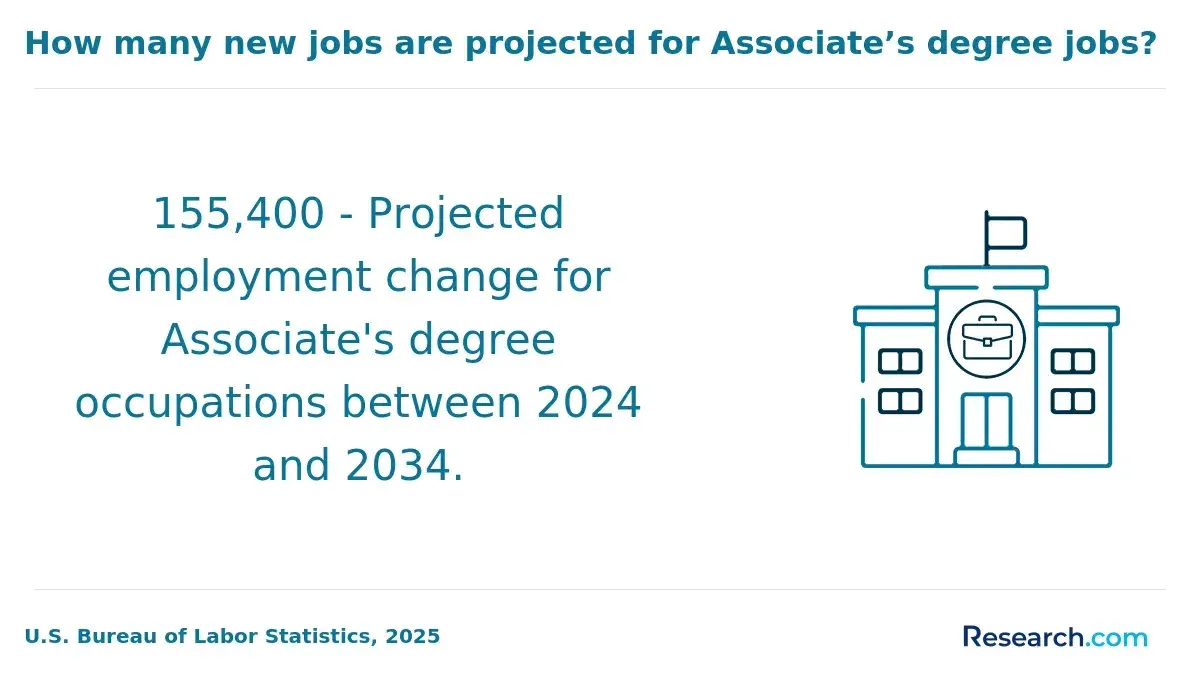
Completion time depends on whether the program is noncredit, credit-bearing, part-time, or tied to required fieldwork. Short online training may take weeks or months; a college certificate often takes roughly one academic year; and an associate degree commonly takes about 2 years of full-time study. Clinical placement availability can extend the timeline even when online coursework is flexible.
Costs should be evaluated as a total budget, not as an advertised tuition figure. This table identifies expenses that frequently change the real price of career preparation.
| Cost category | Often applies to | What to verify |
| Tuition or subscription fee | All program types | Whether the quoted amount covers the entire program or each course. |
| Books, software, and supplies | Technology, design, trades, and college programs | Required licenses, kits, textbooks, and hardware specifications. |
| Exam and certification fees | Healthcare, IT, trades, and legal support fields | Whether exam preparation or the examination itself is included. |
| Travel and placement costs | Clinical, lab, externship, and proctored programs | Transportation, uniforms, liability coverage, and site availability. |
Federal student aid is generally limited to eligible programs at participating institutions; many short noncredit offerings do not qualify. Employer tuition assistance, workforce-agency funding, payment plans, and scholarships may help, but ask whether aid applies to tuition only. Learners seeking a longer graduate pathway should also compare affordable online master's programs rather than assuming a series of short courses will cost less.
What courses, skills, and hands-on training are included in these online programs?
The strongest online career programs teach both occupational knowledge and evidence of applied skill. Look beyond course titles: a useful curriculum names the software, equipment, standards, projects, and assessments students must complete. Programs with hands-on career outcomes should clearly explain where supervised learning occurs and who arranges it.
Coursework commonly falls into the following categories, although the exact mix depends on the field.
- Foundational knowledge, such as anatomy, electrical theory, legal procedure, coding principles, or design fundamentals.
- Technical tools, including industry software, records systems, diagnostic methods, drafting tools, or creative applications.
- Workplace skills, such as documentation, client communication, privacy, safety, ethics, and time management.
- Applied assessment, including case studies, simulations, lab tasks, portfolios, capstones, externships, or clinical rotations.
AI tools are now relevant in fields from design and software to administration and legal support, but programs should teach verification, privacy, copyright, and responsible use - not simply tool prompts. A program that provides only passive video content and no practical assessment may be weak preparation for entry-level hiring.
What entry-level and advanced careers can these programs prepare students to pursue?
Online career training can support entry-level work, career changes, or advancement within a current field. The right outcome depends on what the credential actually teaches and whether the occupation requires a degree, certification, license, apprenticeship, or employer-sponsored training. A certificate may strengthen an application without being the sole qualifying credential.
This overview separates realistic starting points from pathways that typically need more education or experience.
| Training focus | Possible entry-level direction | Typical next step for advancement |
| Medical billing and coding | Billing specialist, coding support, patient accounts representative | Industry certification, specialty experience, or health information degree coursework. |
| HVAC or electrical theory | Helper, installer trainee, maintenance assistant | Apprenticeship, supervised hours, and state or local licensing where required. |
| Paralegal or legal studies | Legal assistant, records specialist, litigation support assistant | Paralegal experience, a qualifying degree or certificate, and employer-specific advancement. |
| Web or digital design | Junior designer, content specialist, web production assistant | Stronger portfolio, specialized technical skills, and documented work experience. |
People rebuilding their education or employment history should prioritize providers with transparent admissions and career-support policies. Some learners may also find broader options through degrees for felons, while checking occupational licensing restrictions in the state where they plan to work.
What salaries and earning potential can graduates of online career training expect?
Earning potential varies by occupation, location, experience, employer, work schedule, and required credential - not simply by whether training was online. Use wage data as a benchmark for the occupation you are targeting, then confirm that the program can realistically help you meet its entry requirements.
BLS May 2024 national median annual wage data provides useful context for several careers related to common online training paths.
| Occupation | Median annual wage | Important qualification note |
| Paralegals and legal assistants | $59,200 | Employers may prefer a degree or paralegal education, plus relevant legal experience. |
| Web developers and digital designers | $65,450 | Requirements vary; a portfolio and technical competence can be central to hiring. |
| Medical records specialists | $50,250 | Certification may be preferred, and employer requirements vary by setting. |
| Heating, air conditioning, and refrigeration mechanics and installers | $59,810 | Many positions require practical training, and refrigerant handling can require EPA certification. |
These are national occupational medians, not starting-pay promises or earnings figures for program graduates. Ask schools for outcomes broken down by role, geographic area, completion status, and reporting period; avoid providers that present a single salary claim without explaining the underlying job titles.
How is licensing or professional certification achieved after completing these programs?
Completing training, earning a certificate, becoming certified, and obtaining a license are separate milestones. A school certificate shows that you completed its curriculum. Professional certification is issued by an independent organization after its eligibility requirements are met. A license is permission from a government authority to practice a regulated occupation.
Follow these steps when your target role involves an exam, certification, or license.
- Identify the exact job title and the state where you intend to work.
- Confirm the licensing board's education, clinical-hour, examination, background-check, and continuing-education requirements.
- Ask the school in writing whether its program meets those requirements and whether it arranges required placements.
- Complete the program and retain transcripts, completion records, clinical documentation, and course descriptions.
- Apply for the applicable exam, certification, registration, or license only after confirming eligibility with the responsible organization.
For example, EPA Section 608 certification is relevant to technicians who handle refrigerants, while many healthcare certifications require graduation from a qualifying program or documented experience. Never enroll based solely on language such as "certification preparation"; preparation does not mean exam eligibility, a passing score, or a license.
Other Things You Should Know About
They can be legitimate when the provider is transparent about curriculum, instructors, costs, outcomes, and any required in-person training. For credit-bearing programs, verify institutional accreditation. For licensed careers, confirm approval with the relevant state board.
You can often complete theory coursework online, but many trade and healthcare careers require in-person labs, clinical rotations, equipment practice, externships, or supervised hours. Ask for a written list of every attendance requirement before enrolling.
Employers may accept them when the training matches the job, demonstrates current skills, and comes from a credible provider. In portfolio-based fields, work samples matter greatly. In regulated fields, required licensing or certification matters more than delivery format.
Do not assume that a completion certificate automatically qualifies you for a job, industry certification, or license. Match the program to a specific target role and verify all exam, placement, practical-training, and state requirements first.
References
- 2018 Coding Bootcamp Industry and Outcomes Report https://www.switchup.org/rankings/coding-bootcamp-survey
- Flexible Schedules with Online School | Sora https://soraschools.com/blog/flexible-online-learning-customizing-schedules-personalized-growth
- Factors Affecting Completion Rates in Asynchronous Online Facilitated Faculty Professional Development Courses https://itdl.org/Journal/Dec_07/article03.htm
- Course Completion Rate Benchmarks: Improve Yours (2026) | Ruzuku https://www.ruzuku.com/learn/articles/course-completion-rates
- Why Employment Outcome Rates Matter | ACI Learning https://www.acitechacademy.com/blog/why-employment-outcome-rates-matter-a-guide-for-students-and-employers/
- Best Online Colleges for Working Adults [2026] https://www.straighterline.com/blog/degree-completion-best-online-colleges-for-working-adults
- How Online Courses Can Help You Reach Your Career Goals https://www.sophia.org/blog/higher-education/how-online-courses-can-help-you-reach-your-career-goals/
- Delivering on Student Expectations with Career Pathways https://moderncampus.com/blog/delivering-on-student-expectations-with-career-pathways
- Student Right to Know | ACE https://ace.edu/about/student-right-to-know/
- Financial Aid For Online Colleges https://www.affordablecollegesonline.org/financial-aid/financial-aid-for-online-colleges/