2027 Best Certifications With High Acceptance Rates

Co-Founder and Chief Data Scientist
Choosing a credential is easier when "high acceptance" means clear entry requirements rather than a misleading promise of admission. Many career-training and community-college certificate programs use open or broad-access enrollment, while professional certifications may require an exam or work experience instead of admission.
The U.S. Bureau of Labor Statistics projects employment for medical assistants to grow 12% from 2024 to 2034, illustrating why short, occupation-focused training remains attractive. This guide compares accessible paths, their limits, costs, and next steps so you can choose training that fits your target job.
Key Things You Should Know
- There is no reliable national "acceptance rate" for certifications: industry certifications generally have eligibility and exam rules, while many public community colleges and career schools use open or broad-access admission for eligible applicants.
- High-access options commonly include entry-level trade, medical support, legal support, and digital design certificates; licensure-track programs can still require background checks, immunizations, placement testing, or state-approved coursework.
- For job outlook context, BLS projects medical assistant employment to grow 12% from 2024 to 2034 and electrician employment to grow 9%, but program completion alone does not guarantee employment, licensure, or those occupations' pay.
Top 10 Best Certifications With High Acceptance Rates
Popular Trade School Programs
Trade certificates and associate degrees usually emphasize hands-on job skills and may have broad-access enrollment. Electrician, HVAC, welding, plumbing, automotive technology, and commercial driver training are common choices.
A certificate can provide foundational training; an associate degree adds general education and may be more transferable. Apprenticeship is often the stronger route for electricians and plumbers because paid supervised experience matters. Verify whether a program prepares you for a state license, EPA Section 608 exam, CDL testing, or employer apprenticeship requirements before enrolling.
Healthcare Programs
Medical assisting, nursing assistant, phlebotomy, pharmacy technician, dental assisting, medical billing and coding, and practical nursing programs often admit qualified applicants on a rolling or cohort basis. They differ sharply in regulation: a medical billing certificate may be noncredit, while practical nursing must meet state board requirements.
Clinical programs can require drug screening, vaccinations, CPR, background checks, and placement availability even when academic admission is accessible. Choose a program aligned with the credential employers or your state actually expects, not simply the shortest advertised option.
Criminal Justice / Law Programs
Criminal justice certificates, associate degrees, paralegal studies, legal administrative assistant, and court reporting programs can offer accessible entry routes. A criminal justice credential may support applications for civilian support roles but does not automatically qualify a person as a police officer, probation officer, attorney, or licensed investigator.
Paralegal training is most useful when it includes legal research, writing, and practical software skills; some employers prefer programs approved by the American Bar Association. Check local employer postings because hiring standards and background-screening rules vary.
Arts & Design Programs
Graphic design, web design, digital media, UX design, photography, and animation certificates commonly focus more on portfolio readiness than selective admission. A certificate can be credit-bearing at a college or noncredit through a training provider; only the former is typically designed for easier academic transfer.
Design employers often evaluate work samples, software fluency, and client communication alongside education. Select a program with current tools, instructor feedback, and portfolio projects. Avoid providers that promise creative-industry jobs without showing curriculum, graduate outcomes, or ownership terms for your work.
Which certifications have the strongest acceptance rates?
The strongest high-acceptance options are usually programs with transparent minimum eligibility rules, frequent start dates, and adequate support - not programs that advertise "guaranteed acceptance."
Open-access community colleges may admit most eligible applicants, but limited clinical, lab, or apprenticeship placements can create a second competitive step. Industry certifications are different: candidates normally register for an exam after meeting the certifier's requirements rather than applying for admission.
This comparison separates accessible education programs from professional certifications so you can choose the route that matches your goal:
| Option | Why access may be broad | Best fit | Important limitation |
| Community-college workforce certificate | Often open or broad-access admission | Entry-level technical or support careers | Selective clinical or limited-enrollment courses may follow admission |
| Credit-bearing associate degree | Many colleges admit eligible applicants broadly | Students wanting general education and possible transfer value | Usually takes longer than a certificate |
| Adult career-training program | May use basic eligibility screening rather than GPA cutoffs | Fast, occupation-specific training | Quality, recognition, and financing vary widely |
| Industry certification | No college-style admission process | Workers validating defined technical skills | May require an exam, fees, renewal, or prior experience |
Choose a certificate when the employer values the curriculum or it meets a regulated training requirement. Choose an industry certification when job postings specifically name that credential. Choose an associate degree when you need broader preparation, transferable credits, or a longer-term path to a bachelor's degree.
What admission requirements do certification programs usually ask for?
Requirements depend on the credential provider and whether the program includes clinical practice, licensure preparation, or college credit. Broad-access programs often ask for a high school diploma, GED, or equivalent, but they may not use a competitive GPA threshold. Programs serving adult learners may also accept alternative evidence of readiness.
Before applying, confirm these requirements directly with the school or certifier:
- Minimum education, age, identity, and residency requirements.
- Placement testing, prerequisite coursework, or proof of English and math readiness.
- Background checks, health records, drug screening, CPR training, or immunizations for clinical placements.
- Equipment, physical-capacity, driver-record, or safety requirements for trade programs.
- Exam eligibility, work-experience requirements, and renewal rules for an industry certification.
If you want a low-barrier online option, compare program rigor and employer recognition rather than assuming enrollment equals value. This guide to easy certifications to get online can help distinguish short training from credentials that have clear workplace relevance.
Are online certifications accepted as widely as campus programs?
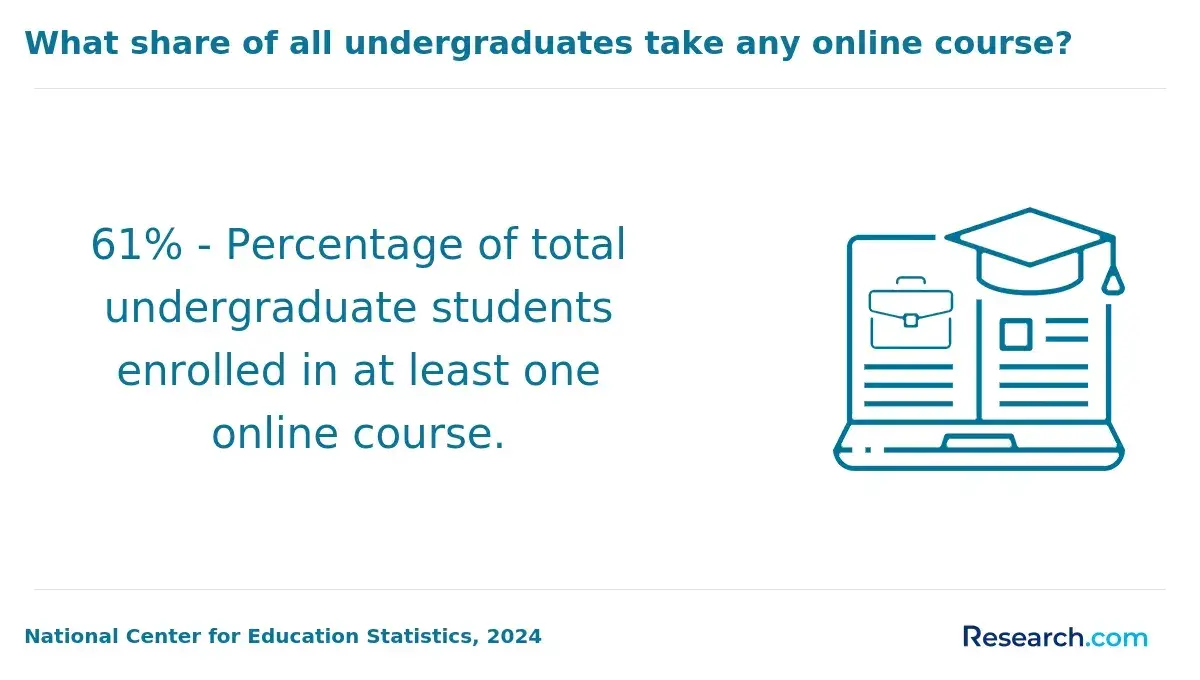
Online certificates can be accepted as widely as campus programs when the provider is reputable, the curriculum meets employer or regulatory expectations, and any required practical training is completed appropriately.
The delivery format alone does not determine credibility. For academic certificates, institutional accreditation matters; for industry certifications, the certifying organization's recognition and exam integrity matter more.
Online learning is a good fit for billing and coding, IT support, business software, legal administration, and some design skills. It is less suitable as a fully remote option for welding, nursing assistant training, electrical labs, or other work requiring supervised hands-on practice. Hybrid programs can combine online theory with campus labs or approved clinical sites.
Self-directed learners should verify deadlines, instructor availability, proctoring, and whether a course is truly asynchronous. Readers comparing pacing models can review the best self paced online college options before choosing a format.
Which accredited schools offer the best certification programs?
The best school is not necessarily the most selective one. For career certificates, a reputable provider clearly states its approval status, curriculum, completion rules, total charges, and the occupations it supports.
Public community colleges can be a strong choice for credit-bearing certificates and associate degrees because their credits may be easier to document and transfer, although transfer acceptance is always decided by the receiving institution.
Use the following checks to compare schools rather than relying on marketing claims:
- Confirm institutional accreditation for college-based programs through the accreditor and school records.
- For regulated fields, confirm that the program is approved by the relevant state board or meets the required curriculum standards.
- Ask whether graduates are eligible for the specific licensing or certification exam you intend to take.
- Request the complete cost of tuition, fees, books, tools, uniforms, exams, background checks, and retest charges.
- Review local job postings and ask employers which credentials they recognize.
A red flag is a school that will not put its accreditation, approval status, refund policy, or total program cost in writing. Another is an enrollment representative who presents a certificate as equivalent to a license, degree, or professional certification when it is not.
How long do high-acceptance certification programs take to finish?
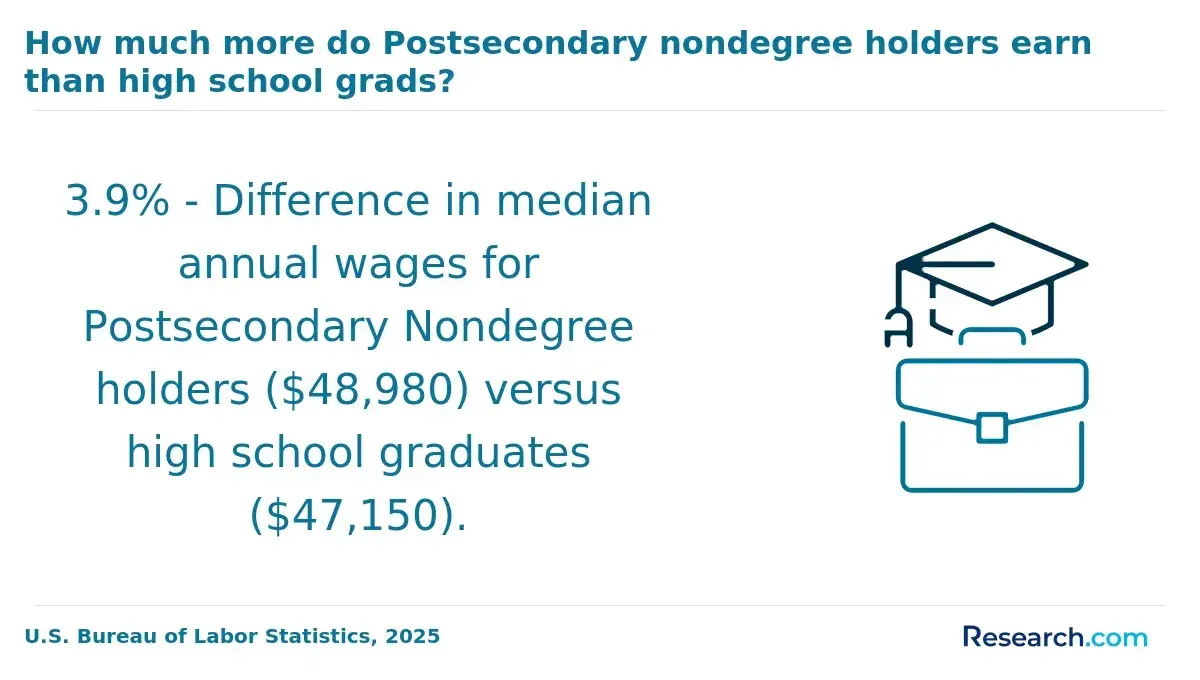
High-acceptance programs range from a few weeks for narrowly focused workforce training to about two years for a full-time associate degree. Time to completion depends on prerequisite courses, cohort schedules, clinical hours, lab access, part-time enrollment, and whether you must complete an apprenticeship or supervised experience afterward.
An industry certification may take only the time needed to prepare for and pass an exam, but advanced certifications can require documented work experience.
This timeline shows the usual trade-off between speed and depth:
| Credential path | Typical duration | What it generally provides | When it makes sense |
| Short noncredit workforce certificate | Weeks to several months | Focused introductory training | You need a specific entry skill and employers recognize the training |
| College certificate | Several months to about one year | Career coursework, sometimes for academic credit | You want a defined occupational foundation or stackable credits |
| Associate degree | About two years full time | Career coursework plus general education | You want broader preparation or potential transfer options |
| Apprenticeship or licensure pathway | Often multiple years | Structured paid or supervised work experience | The occupation requires extensive practical competency |
Do not choose solely by advertised speed. A faster program may be worthwhile for an entry role, while a longer credential can be better if it meets state requirements or creates a clear progression route. If an associate degree is your goal, compare schedules using this resource on the quickest associates degree.
What do certification programs usually cost?
Costs vary more by provider, format, equipment, and required exams than by the word "certificate." Public community-college certificates can be relatively economical, while private career schools may charge substantially more for similar entry-level training.
Federal financial aid may be available for eligible students in qualifying credit-bearing programs, but many short noncredit programs and third-party certification exams are not eligible.
Build a complete budget rather than comparing tuition alone. Common charges include:
- Tuition and mandatory institutional fees.
- Books, software subscriptions, tools, safety gear, and uniforms.
- Clinical, lab, testing, background-check, and licensure fees.
- Certification exam, retake, renewal, and continuing-education costs.
- Transportation, childcare, and lost work hours for campus or clinical attendance.
As a benchmark for the college route, the College Board reported average published in-district tuition and fees of $4,150 at public two-year colleges for 2024-25. That figure is not a total program price and does not represent private career schools, supplies, or living costs.
Employer tuition assistance, workforce grants, and payment plans can reduce upfront cost, but compare financing terms carefully. A doctorate is usually unnecessary for entry-level credential goals; if you are weighing a research-intensive long-term path, explore the cheapest online PhD options separately.
Which jobs can these certifications help you qualify for?
These credentials can help candidates develop evidence of job-ready skills, but the exact job depends on local hiring standards, experience, background checks, licensure, and employer preferences. A certificate is often an entry point rather than a complete career ladder.
The following examples show realistic role connections and important qualification limits:
| Training area | Possible entry-level roles | What to verify |
| HVAC or electrical | Helper, installer trainee, maintenance technician trainee | Apprenticeship, local licensing, and required safety credentials |
| Medical assisting | Medical assistant, clinical support worker | Employer preference for certification and state-specific scope rules |
| Billing and coding | Billing specialist, coding support, patient accounts representative | Whether employers require a particular coding certification and experience |
| Paralegal studies | Legal assistant, paralegal support, records specialist | Local employer expectations; a program does not authorize legal practice |
| Digital design | Junior designer, production artist, content design assistant | Portfolio quality, software skills, and role-specific experience |
For licensed occupations, verify the state board's rules before starting. For nonregulated jobs, collect several local job postings first; they reveal whether employers ask for a certificate, an industry certification, a degree, a portfolio, or prior experience.
How much can you earn with these certifications?
Earnings are tied to occupations, location, experience, hours, union coverage, and employer - not automatically to a certificate. BLS median annual wage data for 2024 can help you evaluate possible career targets, but it includes workers with different education and experience levels and should not be treated as a graduate salary promise.
These 2024 national median wages provide directional context for occupations commonly related to the program areas discussed:
| Occupation | 2024 median annual wage | Credential context |
| Electricians | $62,350 | Typically requires apprenticeship training and may require state licensure |
| Medical assistants | $44,200 | Employers may prefer a certificate and professional certification |
| Paralegals and legal assistants | $61,010 | Education expectations vary by employer; a certificate may support entry |
| Graphic designers | $61,300 | Portfolio and experience are commonly important alongside education |
Compare local postings, starting-pay ranges, and the total cost of training before estimating return on investment. A lower-cost program with recognized practical training may offer better value than an expensive program with weak employer connections.
How do you choose a reputable certification program?
Start with the job, not the credential label. Identify the role you want, collect local job descriptions, and write down the education, certification, license, experience, and schedule requirements that repeat across employers. Then compare programs against that evidence.
A practical selection process is:
- Decide whether you need a college certificate, associate degree, apprenticeship, or an industry certification.
- Verify accreditation, state approval, or certifier recognition that applies to your target field.
- Request the full curriculum and confirm that required labs, clinicals, equipment, or portfolio projects are included.
- Calculate total cost and time, including exam fees and unpaid practical hours.
- Ask about completion support, job-search assistance, and whether outcome information is independently documented.
- Confirm that the schedule works with your employment, transportation, and caregiving responsibilities.
Do not mistake broad admission for low standards or guaranteed results. The best high-acceptance program has transparent requirements, enough instructional support to help you finish, and a direct connection to the credential or skill employers actually seek.
Other Things You Should Know About
It usually means the provider has broad or open enrollment for applicants who meet basic eligibility rules. Professional certifications typically do not have acceptance rates; candidates qualify through registration, eligibility requirements, and an exam.
Often, but not always. Many entry-level certificates have fewer academic prerequisites. Associate degrees may also have broad-access admission, though nursing, allied health, and other limited-enrollment tracks can be more selective after initial college admission.
Sometimes. In regulated careers, a state-approved education program may be one requirement for licensure, but candidates may also need supervised hours, background clearance, and a licensing exam. Confirm requirements with the relevant state board.
Choose a certificate when you need structured education and practical training. Choose an industry certification when employers recognize a specific exam-based credential and you meet its eligibility rules. Some careers benefit from completing a certificate first and earning certification afterward.
References
- Upskilling Certificates: An Affordable Way to Increase Income https://allcampus.com/newsroom/upskilling-certificates-an-affordable-way-to-increase-income/
- 7 in-demand certifications in 2025 | edX https://www.edx.org/resources/in-demand-professional-certifications
- Weighing the Value of Industry-Based Certifications against Their Costs https://www.nasbe.org/weighing-the-value-of-industry-based-certifications-against-their-costs/
- High-Paying IT Certifications: Which Ones Offer the Best ROI? https://www.examcollection.com/blog/high-paying-it-certifications-which-ones-offer-the-best-roi/
- 20 Necessary IT Certifications + Salaries I Skillsoft - Skillsoft https://www.skillsoft.com/blog/top-paying-it-certifications
- Build a Winning Culture | Great Place To Work® https://www.greatplacetowork.com/solutions/certification
- Degree vs Certifications: What Employers Value Most in 2026 https://cccareersolutions.com/degree-vs-certifications-what-employers-value-most-2026/
- Highest Paying Certifications 2025-2026: IT, Cybersecurity, Medical & Career Growth Guide https://www.frontlinesourcegroup.com/blog-certifications-that-pay-the-most.html
- The Value of Certificates vs. Degrees: What's Right for You? https://www.calmu.edu/the-value-of-certificates-vs.-degrees-whats-right-for-you
- The Certification Advantage: How Credentials Drive Career Growth https://courses.msicertified.com/blog/the-certification-advantage-how-credentials-drive-career-growth