2027 Best Certificate Programs With No GPA Requirement

Co-Founder and Chief Data Scientist
A low GPA or missing transcript should not automatically block career training, but "no GPA requirement" can mean open admission, a skills review, or simply that GPA is not the main factor. This guide helps adults, career changers, and recent graduates compare realistic certificate options. The U.S. Bureau of Labor Statistics projects employment for medical assistants to grow 12% from 2024 to 2034, illustrating why short, job-focused training remains relevant. Learn how to check eligibility, cost, accreditation, licensing rules, and the path each credential can support.
Key Things You Should Know
- No-GPA programs commonly evaluate a high school diploma or equivalent, placement testing, prerequisites, background checks, interviews, or readiness materials instead of a minimum college GPA; requirements still vary by provider and program.
- Career certificates can take weeks to about a year, while credit-bearing college certificates may be stackable toward an associate degree; a certificate is education, not automatically an industry certification or occupational license.
- Choose based on the job target first: BLS projects 9% growth for electricians and 12% growth for medical assistants from 2024 to 2034, but regulated roles may require state-approved training and a separate exam.
Top 10 Best Certificate Programs With No GPA Requirement
Popular Trade School Programs
Trade certificates often use open-enrollment or basic eligibility models rather than GPA cutoffs. Common options include welding, HVAC/R, electrical technician, plumbing, diesel technology, industrial maintenance, and commercial driver training. Hands-on programs may require placement testing, physical-capacity screening, safety training, or a driver record instead. An electrical or HVAC certificate can build entry-level technical skills, but apprenticeships and state licensing rules may still determine advancement. Choose a program with substantial lab time, employer connections, and a clear explanation of whether its curriculum meets local apprenticeship or licensing expectations.
Healthcare Programs
Healthcare certificates may include medical assisting, pharmacy technician, dental assisting, nursing assistant, phlebotomy, medical billing and coding, and sterile processing. GPA may not be required at admission, but applicants can face prerequisite courses, immunizations, drug screening, CPR training, criminal-background checks, placement tests, and clinical-site requirements. Medical assistant employment is projected to grow 12% from 2024 to 2034, according to BLS, but employers and states may prefer or require particular certifications. Before enrolling, confirm that clinical hours, exam preparation, and any program approval match the role and state where you intend to work.
Criminal Justice / Law Programs
No-GPA legal and criminal justice options can include paralegal studies, legal secretary training, court reporting support courses, corrections, private security, and crime-scene documentation certificates. These programs can strengthen writing, records management, legal research, ethics, and procedural knowledge. They do not automatically qualify a graduate to practice law, become a police officer, or work as a licensed investigator. Hiring agencies may impose background, fitness, age, citizenship, or academy requirements independent of school admission. For paralegal goals, prioritize programs with recognized quality standards and coursework aligned with local employer expectations.
Arts & Design Programs
Arts and design certificates commonly cover graphic design, digital photography, web design, UX basics, video editing, animation, interior design support, and fashion merchandising. Many portfolio-focused providers do not use GPA as an admission filter; they may ask for a computer, software access, a brief application, or a portfolio only for advanced courses. A strong portfolio usually matters more than the credential alone for creative entry-level work. BLS reported a $61,300 median annual wage for graphic designers in May 2024, but that figure reflects the occupation broadly, not certificate graduates specifically.
What are certificate programs with no GPA requirement and who are they best for?
Certificate programs with no GPA requirement are short educational programs that do not set a minimum prior grade-point average as an admission condition. They may be offered by community colleges, technical schools, adult education providers, universities, employers, or private career-training organizations. Some award academic credit; others are noncredit career-training certificates.
They are often a good fit for adults returning to education, applicants whose past grades do not reflect their current ability, people seeking a fast career pivot, and learners who need targeted skills rather than a full degree. They are less suitable for students whose goal requires a bachelor's degree, graduate degree, state license, or highly selective program. "No GPA required" does not mean "no standards": learners still need the academic readiness, attendance, technical ability, and required clearances to complete the program.
How do admission requirements work for certificate programs that don't require a GPA?
Admissions usually focus on whether you can start and complete the specific training, not on a competitive GPA threshold. A credit-bearing college certificate may use open admission while still requiring a diploma or GED, transcript review, placement assessment, and course prerequisites. A noncredit professional certificate may require only registration and payment. Programs involving clinical work, driving, tools, or public safety generally add role-specific screening.
Before applying, ask the admissions office to confirm the exact requirement in writing. The most useful checks are:
- Ask whether "no GPA requirement" means no minimum GPA, no transcript requirement, or open enrollment.
- Confirm whether developmental coursework or placement results can extend the completion timeline.
- Identify prerequisites such as anatomy, algebra, computer skills, immunizations, or a background check.
- Request the withdrawal, refund, attendance, and re-entry policies before paying a deposit.
If your long-term goal is a degree, compare the certificate's credits and transfer rules with majors in college before assuming the coursework will apply later.
Are no-GPA certificate programs at accredited schools and why does accreditation matter?
Yes, some no-GPA certificate programs are offered by accredited institutions, but admission policy and accreditation are separate questions. Institutional accreditation evaluates a college or school as a whole. Programmatic approval or accreditation evaluates certain professional programs and can matter more in regulated fields such as nursing, medical assisting, dental assisting, and HVAC-related training.
Accreditation matters because it can affect eligibility for federal student aid at eligible schools, transfer-credit acceptance, employer confidence, and qualification for some licensure or certification pathways. However, a reputable noncredit provider may not be institutionally accredited because it is not operating as a college. In that case, evaluate industry recognition, instructor qualifications, curriculum currency, refund practices, employer partnerships, and whether the credential is accepted by the examination or licensing body you need.
A major red flag is a school that claims its certificate "guarantees" employment or licensure without naming the approving agency or explaining state-specific limits. Verify claims directly with the relevant state board, testing organization, or employer.
What career paths and entry-level jobs can no-GPA certificate programs lead to?
These programs can lead to entry-level roles when training, local hiring practices, and any required credentials align. A certificate is usually one part of employability alongside practical experience, a portfolio, an apprenticeship, or an industry examination. The table distinguishes common routes from occupations that may require more than the certificate itself.
| Program area | Possible entry-level direction | Important limitation |
| HVAC, electrical, plumbing | Helper, installer trainee, maintenance technician | Licensing and apprenticeship progression vary by state and locality. |
| Medical assisting | Medical assistant, clinical support worker | Employers may prefer national certification; clinical requirements apply. |
| Pharmacy technician | Pharmacy technician trainee or technician | Registration, certification, and supervision rules vary by state. |
| Paralegal studies | Legal assistant or paralegal support role | Employers may prefer an associate or bachelor's degree for some openings. |
| Graphic or digital design | Production artist, junior designer, content assistant | A portfolio and software proficiency are usually central to hiring. |
BLS occupation data can provide useful context but is not a promise of outcomes. For example, the May 2024 median annual wage for electricians was $62,350; reaching that occupation typically involves supervised experience and licensing, not merely completing a short electrical certificate.
How do online and campus-based no-GPA certificate programs compare for flexibility and support?
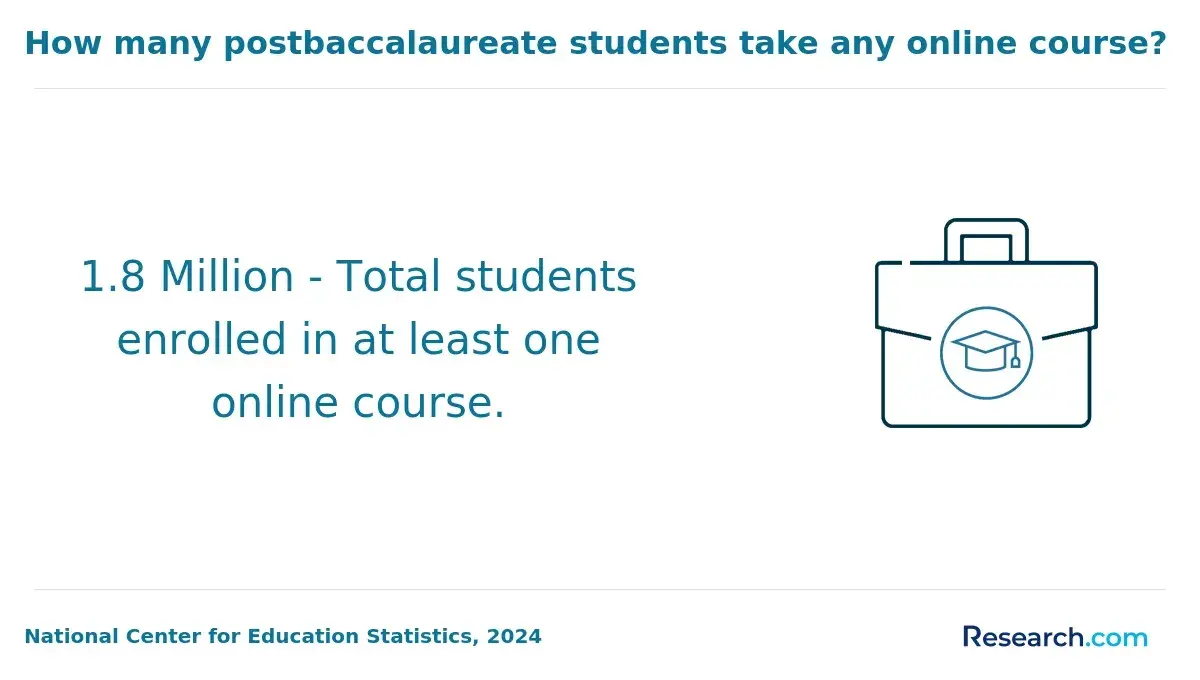
Online programs can reduce commuting and let working adults complete lectures asynchronously, while campus and hybrid programs provide scheduled access to labs, equipment, clinical placements, and instructors. The better format depends on how much hands-on practice the occupation requires. Fully online study can work well for billing and coding, legal research, or design software; it is generally insufficient by itself for training that requires clinical practice, welding labs, or equipment operation.
| Factor | Online or mostly online | Campus or hybrid |
| Schedule | Usually more flexible for lectures and assignments | Fixed meeting times, especially for labs |
| Hands-on learning | May rely on simulations or local arrangements | Direct access to tools, labs, and supervised practice |
| Support | Virtual advising, tutoring, and technical help vary | Often easier access to instructors and peers |
| Best fit | Knowledge-based or portfolio-based certificates | Clinical, trade, and equipment-intensive training |
For a short remote option, compare the workload and provider details of 6-week online courses with certificates; short duration is useful only when it matches the skills and recognition your target role requires.
What program length, tuition costs, and financial aid options should students expect?
Program length ranges from several weeks for focused noncredit training to roughly one year for many college certificates. Cost depends on tuition, residency, credit load, equipment, books, software, uniforms, exam fees, tools, transportation, and required clinical or licensing expenses. The College Board reported average published in-district tuition and fees of $4,050 at public two-year colleges for 2024-25; an individual certificate can cost less or more depending on credits and local pricing.
Use this cost comparison to avoid evaluating tuition alone.
| Funding route | Most relevant when | Key check |
| Federal aid | Eligible credit-bearing programs at eligible institutions | Confirm program eligibility and file the FAFSA. |
| Workforce grants | In-demand local occupations or eligible adults | Check state and local workforce agency rules. |
| Employer tuition assistance | You are currently employed | Ask about repayment or continued-employment conditions. |
| Payment plan | Short programs with predictable expenses | Review fees, due dates, and refund terms. |
Adults seeking a longer but still focused option can also compare one year degrees for seniors when a certificate alone would not meet their education or career objective.
What coursework and skills are typically covered in high-demand no-GPA certificate programs?
High-demand certificates generally combine job-specific technical instruction with the habits employers expect: documentation, safety, communication, digital tools, problem-solving, and ethical decision-making. A quality curriculum makes its learning outcomes, required hours, instructor credentials, equipment access, and assessment methods clear before enrollment.
The skills below help distinguish a narrow introductory course from training designed for workplace readiness.
- Trade programs commonly cover tool use, measurements, blueprint reading, workplace safety, diagnostics, and supervised lab practice.
- Healthcare programs may cover medical terminology, patient privacy, infection control, documentation, basic clinical procedures, and supervised externship preparation.
- Legal programs often address legal research, writing, document management, court procedures, confidentiality, and professional ethics.
- Design programs usually develop software fluency, visual communication, project workflows, revision skills, and a portfolio of completed work.
Automation and AI tools are changing routine drafting, documentation, scheduling, and design tasks. Favor programs that teach judgment, verification, privacy, and responsible tool use instead of promising that one software platform alone will secure employment.
Do these certificate programs meet licensing or professional certification requirements in key fields?
Some certificates prepare students for a separate certification examination or a state licensing process, but completion does not automatically grant either credential. A school-issued certificate documents that you completed a course of study. A professional certification is issued by an external certifying organization after its eligibility and examination requirements are met. Licensure is legal permission from a state authority to practice a regulated occupation.
Healthcare is the area where this distinction is especially important. A pharmacy technician, nursing assistant, phlebotomy, or medical assisting program may need state approval, a defined number of clinical hours, or eligibility for a national exam. Trades can require supervised work hours, an apprenticeship, and local or state examinations. Ask the provider whether its program is approved in your state, whether it meets exam eligibility requirements, and which costs are separate from tuition. Get answers from the relevant board, not solely from marketing materials.
How can students evaluate and choose reputable no-GPA certificate programs for their goals?
The best no-GPA option is not necessarily the fastest or cheapest one; it is the program that removes an admission barrier while still meeting the standard for your intended next step. Start with a target job, then work backward to the required training, license, certification, portfolio, or experience. If you need broad career mobility or eventual advancement, a stackable, credit-bearing community-college certificate may be stronger than a standalone course. If you need one practical skill quickly, a focused noncredit certificate may be sufficient.
Use these checks before enrolling to reduce costly surprises:
- Match the curriculum to job postings and confirm whether employers request a degree, certificate, license, portfolio, or industry certification.
- Verify institutional accreditation, program approval, or industry recognition appropriate to the field.
- Request the total cost, including books, tools, software, exams, uniforms, travel, and retake fees.
- Confirm delivery requirements, lab access, clinical placement responsibility, and expected weekly workload.
- Ask whether credits transfer or stack into an associate degree and obtain the policy in writing.
- Compare completion, job-placement, and licensure-exam information carefully, including how each outcome is defined.
Do not choose a program only because its admission is easy. Learners who ultimately need a full degree may be better served by comparing the easiest bachelor degree to get online with a shorter credential and selecting the route that supports their long-term goal.
Other Things You Should Know About
Some do not set a minimum GPA, particularly open-admission, continuing education, and noncredit programs. Others still review transcripts, use placement tests, or require prerequisite courses. Always confirm the exact policy for the specific program.
Possibly. Federal aid generally depends on whether the school and program are eligible, not simply on whether GPA was required for admission. Noncredit and short private programs may not qualify, so ask about FAFSA eligibility, workforce grants, scholarships, and payment plans.
No. A certificate is usually awarded by an education provider after coursework. A professional certification is typically awarded by a certifying body after meeting eligibility standards and passing an examination. Some certificate programs prepare students for certification exams.
It can support entry-level job applications, but results depend on the field, local demand, practical experience, licensing rules, employer preferences, and the program's quality. Review the actual requirements for the role you want before enrolling.
References
- Top 50 Scholarships for Non-Traditional Students to Apply for in July 2026 https://bold.org/scholarships/by-type/non-traditional-scholarships/
- How does a college degree improve graduates' employment and earnings potential? - APLU https://www.aplu.org/our-work/publicuvalues/employment-earnings/
- 15 Jobs That Only Require a Certificate (and Pay Well!) | The Muse https://www.themuse.com/advice/jobs-that-only-require-a-certificate
- Short Term Certificates https://www.sinclair.edu/academics/certificates/short-term-certificates/
- Colleges That Accept Low GPA Scores | Find Options https://www.educationconnection.com/resources/colleges-that-accept-low-gpa/
- Graduate Employment Outcomes: How to Measure & Improve https://gosprout.app/graduate-employment-outcomes/
- Job Placement After Graduation https://www.usfhealthonline.com/resources/career/employment-opportunities-for-unemployed-recent-college-graduates/
- Short-Term Certificates https://cod.edu/academics/areas/short-term-certificates.html
- 7 in-demand certifications in 2025 | edX https://www.edx.org/resources/in-demand-professional-certifications
- The Administrative Costs of Title IV-Eligible Non-Degree Programs - CapinCrouse http://capincrouse.com/8dPTO