2027 Best Online Certifications With Weekend Classes

Co-Founder and Chief Data Scientist
Choosing training around a full-time job or family schedule is difficult, especially when "online certification" can mean a college certificate, industry certification, or short noncredit course. Weekend classes can make career training more practical without making outcomes automatic. U.S. Bureau of Labor Statistics projections for 2024-2034 show 8% growth for heating, air conditioning, and refrigeration mechanics and installers, faster than the average for all occupations.
This guide helps working adults compare weekend-friendly options, verify what each credential actually qualifies them to do, and choose a realistic path.
Key Things You Should Know
- Weekend online programs usually combine live Saturday or Sunday sessions with self-paced work; confirm required attendance, time zone, labs, and exam dates before enrolling.
- A college certificate documents program completion, while a professional certification is typically awarded by an industry body after an exam or other standards are met.
- Career value depends on the target role: BLS projects 8% growth for HVAC technicians from 2024 to 2034, but regulated healthcare and trade roles may still require in-person clinical hours, supervised practice, or state licensure.
Top 10 Best Online Certifications With Weekend Classes
Popular Trade School Programs
Weekend-friendly trade certificates may cover HVAC fundamentals, electrical technology, welding theory, construction management, industrial maintenance, or automotive service. Fully online study works best for safety, code, estimating, diagnostics theory, and preparation for certification exams; hands-on competencies generally require campus labs, employer training, or an approved local partner.
Choose a credit-bearing community-college certificate when you may later pursue an associate degree. Choose employer-linked training or an apprenticeship when supervised field experience matters more than academic credit. Ask whether the program includes tools, lab fees, required practical hours, and preparation for credentials such as EPA Section 608.
Healthcare Programs
Common options include medical billing and coding certificates, medical assisting certificates, health information technology certificates, pharmacy technician training, and healthcare administration certificates. Coding and administrative coursework can often be completed online on weekends, while medical assisting, phlebotomy, and many technician programs need in-person clinical experiences.
Check whether completion prepares you for a separate certification examination, such as a coding or pharmacy technician exam, rather than assuming it awards certification. For patient-facing roles, verify state rules, background checks, immunizations, clinical placement support, and whether the school can arrange required practical training near you.
Criminal Justice / Law Programs
Weekend online certificates and associate programs can cover criminal justice, homeland security, corrections, legal studies, paralegal studies, and cybersecurity investigations. They suit learners seeking foundational knowledge for administrative, support, or public-service pathways, but they do not independently qualify someone to practice law or become a sworn officer.
Paralegal-focused students should examine employer expectations and program recognition carefully; some employers prefer a degree or a program approved by the American Bar Association, though approval is not required for every paralegal role. Police, corrections, and security jobs may require agency-specific screening, academy training, and fitness standards beyond online coursework.
Arts & Design Programs
Graphic design, digital media, UX design, web design, photography, interior design fundamentals, and animation certificates can fit weekend schedules well because projects and critiques can be delivered online. The most useful programs produce a reviewed portfolio, not only a completion badge.
Compare software access, instructor feedback, portfolio reviews, and intellectual-property policies. A short noncredit program can help an experienced learner update a skill quickly; a credit-bearing certificate may be better for beginners who need structured foundations and a possible route into an associate or bachelor's degree. Licensure requirements can apply to certain interior-design titles in some states.
Which online certifications lead to the best jobs?
The best job-oriented option is the one that matches a specific entry requirement, not simply the shortest certificate. Industry certifications can be valuable when an employer recognizes the issuing organization; college certificates can be stronger when employers want documented coursework or when you plan to stack credits into a degree.
The comparison below separates occupational wage and outlook data from credential outcomes. These are national BLS occupation figures for May 2024 and 2024-2034 projections, not salaries guaranteed by a weekend program or its graduates.
| Career direction | Useful training path | Median annual wage | Projected growth, 2024-2034 | Weekend-online fit |
| HVAC service | Certificate plus hands-on lab or apprenticeship; EPA credential may be needed for refrigerants | $59,810 | 8% | Hybrid is usually necessary |
| Medical records | Health information or coding certificate; employer-recognized certification may help | $50,250 | 7% | Strong for online coursework |
| Paralegal support | Paralegal certificate or associate degree, depending on prior education and employer | $61,010 | 0% | Strong for online coursework |
| Web and digital interface design | Portfolio-based certificate, professional certificate, or degree | $95,380 | 7% | Strong for online coursework |
For learners prioritizing earnings, review these highest paying online degrees alongside short credentials. A degree can be the better investment when target jobs routinely list a bachelor's degree, while a certificate is often more efficient for a defined technical skill or career pivot.
Are online certifications with weekend classes accredited and credible?
They can be credible, but credibility comes from the provider, curriculum, assessment, and alignment with employer or licensing requirements - not from the word "online" or "weekend." Institutional accreditation is most relevant for credit-bearing college certificates and associate degrees. A noncredit provider may not be institutionally accredited but can still offer useful training if its credential is recognized by the relevant employer or professional organization.
Use this screening process before paying a deposit.
- Identify whether you will earn an academic certificate, a noncredit completion credential, or preparation for an independent certification exam.
- For college credit, verify the institution's accreditation status and whether credits can apply to a named degree pathway.
- For regulated work, confirm requirements directly with the state licensing board or credentialing body.
- Ask employers in your target area whether they recognize the provider and credential.
- Request the full schedule, assessment method, instructor qualifications, refund policy, and total cost in writing.
Red flags include vague claims that a program "makes you certified," no explanation of practical requirements, pressure to enroll immediately, and an inability to identify the exact credential issuer. Military-affiliated learners can also compare scheduling, transfer policies, and support through this guide to online college for military students.
What admission requirements do weekend online certification programs have?
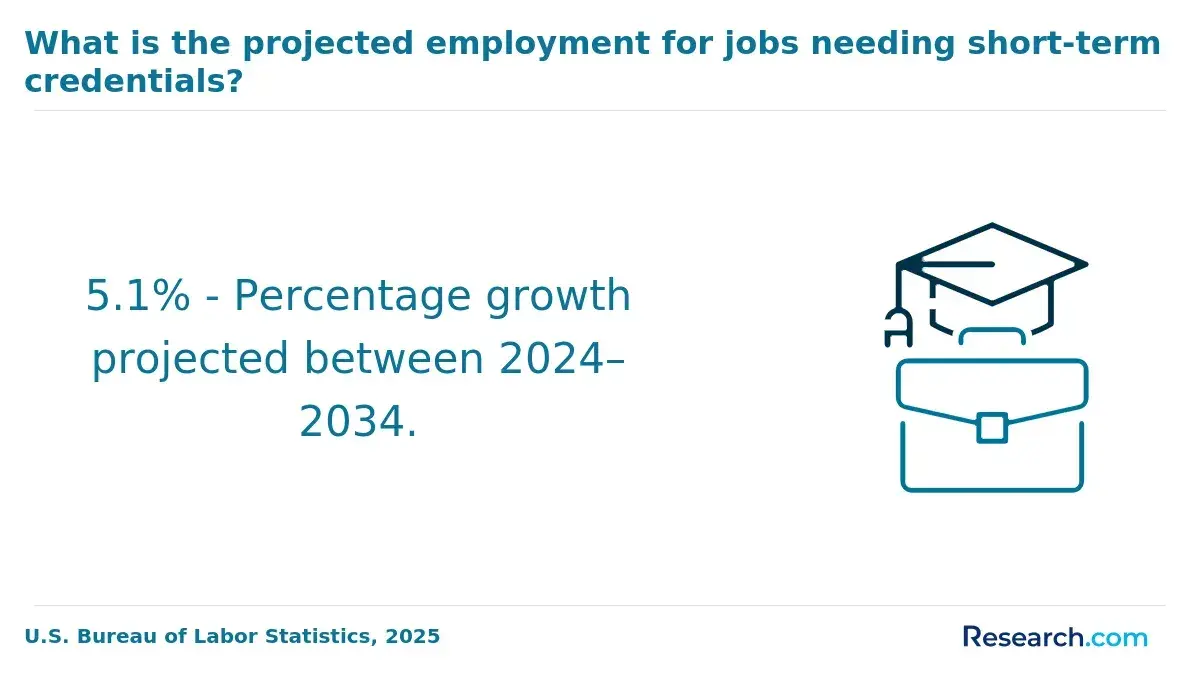
Requirements vary by provider and credential type. Noncredit professional certificates may require only enrollment, payment, basic computer access, and enough English or math preparation for the material. Credit-bearing college certificates may require an application, high school completion or equivalent, placement information, and prerequisite courses. Graduate certificates normally require a completed bachelor's degree.
Weekend scheduling does not eliminate entry requirements for regulated programs. Healthcare programs may require a background check, drug screening, vaccinations, CPR training, and placement eligibility. Trade programs may require safety training or an in-person skills assessment. Ask whether requirements must be completed before the first class, because a delayed clinical or lab clearance can extend the timeline.
Do not assume GPA, standardized tests, or transfer credit apply to every option. Request a written admissions checklist specific to the program, then compare its deadlines with your work and family calendar.
How long do online weekend certification programs take?
Most short weekend certificates take several months to about one year, depending on the number of courses, whether classes meet every weekend, and whether the learner must complete clinical, lab, internship, or exam-preparation requirements. A professional certification preparation course can be shorter, but the certification itself may require an exam, work experience, or continuing education after training ends.
Calculate time using total required hours, not marketing labels such as "accelerated." A program with eight live weekend hours can still assign substantial reading, projects, discussion posts, and study time during the week. Ask for a sample term calendar that identifies synchronous sessions, deadlines, practicum dates, and any required travel.
A weekend format is a good fit for employed adults who can protect consistent study blocks. It is a weaker fit if you need frequent instructor access during business hours, cannot attend occasional daytime clinical shifts, or need to finish immediately for a job start date.
How much do online certifications with weekend classes cost?
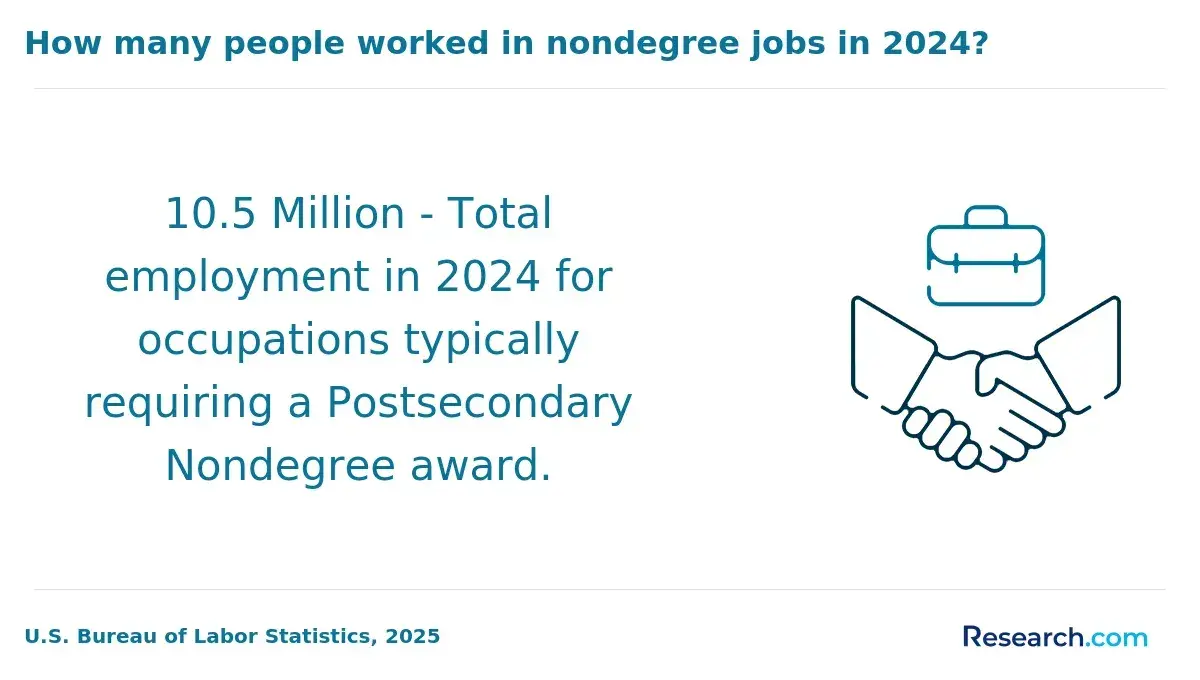
Costs range widely because "online certification" covers very different products: a short noncredit course, a college certificate, an exam-preparation program, or a certification examination. Tuition is only one part of the decision. Federal aid may be available for eligible credit-bearing programs at eligible schools, but many short noncredit programs do not qualify; confirm eligibility with the school rather than assuming aid applies.
Compare the complete price using the categories below, then divide total expected cost by the career benefit you can reasonably document through job postings and employer conversations.
| Cost category | Why it matters for weekend learners | What to verify |
| Tuition or course fee | May be charged per credit, course, term, or bundle | Whether part-time enrollment changes the total |
| Technology and materials | Software, equipment, textbooks, and proctoring may be separate | Required device specifications and recurring subscriptions |
| Practical training | Labs, clinicals, tools, uniforms, and travel can add significant expense | Who arranges placement and whether travel is reimbursed |
| Exam and credential fees | Completion may not include a certification examination | Exam, retake, background-check, and renewal costs |
| Lost work time | Clinicals or testing may occur outside weekend hours | Required weekday attendance and scheduling flexibility |
Employer tuition assistance, workforce grants, military education benefits, and payment plans may reduce out-of-pocket cost, but eligibility differs. If your long-term goal requires a degree, compare the certificate's transfer policy with the top 10 highest paying degrees before paying for credits that may not apply later.
What subjects and skills do these certification programs cover?
Weekend online programs usually teach a focused, job-related skill set rather than the broad general education found in a degree. Subjects depend on the field: coding programs may cover medical terminology, classification systems, privacy, and claims workflows; trade programs may cover safety, tools, measurements, codes, and diagnostics; design programs may cover software, visual communication, user research, and portfolio development.
The most transferable skills are often digital communication, documentation, problem-solving, customer interaction, and responsible use of technology. AI tools are increasingly present in administrative, design, and technical workflows, so evaluate whether a program teaches verification, privacy, ethics, and task-specific judgment rather than only tool operation.
For remote-oriented careers, prioritize programs that require documented projects, collaboration tools, and clear written communication. This overview of degrees for work from home jobs can help you decide whether a short credential or a broader degree better matches the roles you want.
How do weekend online certifications compare with campus programs?
Weekend online and campus programs can cover similar theory, but they are not interchangeable when a field requires supervised practice. Online delivery can reduce commuting and make coursework accessible to working adults. Campus or hybrid delivery can offer equipment access, live demonstrations, local employer relationships, and structured practical assessment.
This comparison helps identify the format that fits the work you need to do after completion.
| Decision factor | Weekend online | Campus or hybrid |
| Schedule control | Best for predictable weekend availability and self-directed learners | Better when fixed class times create needed structure |
| Hands-on skill development | Limited unless local labs or placements are included | Usually stronger access to equipment and instructor observation |
| Networking | Often virtual and requires initiative | More face-to-face contact with peers and local employers |
| Travel costs | Usually lower for coursework, but not necessarily for clinicals or exams | Higher commuting demands, potentially fewer placement logistics |
| Best use case | Administrative, digital, theory-based, or exam-preparation learning | Licensed, clinical, and equipment-intensive pathways |
A hybrid model is often the practical middle ground: complete lectures and assignments online, then attend scheduled weekend labs or arranged local clinical experiences.
What salaries can graduates expect from these certifications?
Salary depends on occupation, location, experience, employer, shifts, licensure, and education beyond a certificate. It should be used as labor-market context, not as a promise that completing a weekend program will produce a particular income. Some jobs listed in occupational data require apprenticeships, degrees, licensing, or experience in addition to coursework.
For example, BLS reported a May 2024 median annual wage of $47,300 for dental assistants and $62,350 for electricians. These figures show that hands-on healthcare support and skilled-trade occupations can have different pay profiles, but an online certificate alone does not qualify a learner for every role in either field.
To estimate your own return on investment, collect local job postings for three target roles. Note required education, credentials, experience, schedule, and posted pay where available. Then compare those requirements with the program's written outcomes and calculate whether total costs, including missed work hours, fit your budget.
Which certifications are required for licensure or professional credentials?
Licensure and professional credentials are occupation-specific. A school certificate may prepare you for an external examination, but it is not automatically the license or certification itself. State boards, government agencies, and independent certifying organizations set their own eligibility rules, which can change.
Common examples include EPA Section 608 certification for technicians who handle refrigerants; state licensing pathways for electricians; pharmacy technician registration or certification requirements that vary by state and employer; and voluntary or employer-preferred coding credentials. Nursing, dental hygiene, and many other patient-care roles generally require approved education and state licensure, not only a short online certificate.
Before enrolling, identify the exact job title and state where you expect to work. Verify whether the program meets educational prerequisites, whether in-person hours are mandatory, who issues the final credential, what exam is required, and what renewal or continuing-education obligations apply.
Other Things You Should Know About
Some nonclinical, digital, business, coding, and exam-preparation programs can be completed primarily on weekends. Programs involving labs, clinicals, internships, or licensing assessments may require weekday or in-person attendance. Review the full calendar before enrolling.
They can be worthwhile when the curriculum matches a specific job requirement, the provider is credible, and the schedule lets you complete the work consistently. They are less useful when an employer requires a degree, apprenticeship, license, or hands-on experience the program does not provide.
Many employers focus on the issuing institution or organization, demonstrated skills, required credentials, and relevant experience rather than class meeting days. For a regulated or technical role, ask local employers which certificates or certifications they recognize.
It may, if it is a credit-bearing certificate from a college and its credits apply to a named associate or bachelor's pathway. Noncredit certificates and third-party professional certificates usually do not transfer as college credit, so obtain the policy in writing.
References
- Best Student Loans for Certificate Programs - Credible https://www.credible.com/student-loans/student-loans-for-certificate-programs
- Jessup Playbooks: Transitioning to a 7-Week Course Schedule: Why 7-Week Courses? https://libguides.pvcc.edu/7-week-course-schedule/why-7-week-courses
- Course Completion Rate Benchmarks: Improve Yours (2026) | Ruzuku https://www.ruzuku.com/learn/articles/course-completion-rates
- What are the best IT training platforms out there? https://community.spiceworks.com/t/what-are-the-best-it-training-platforms-out-there/948454
- Which Online Certification Programs Are Recognized by Employers in the U.S.? https://fellow.msicertified.com/blog/which-online-certification-programs-are-recognized-by-employers-in-the-u-s
- What are the best IT training platforms out there? https://mentr-me.com/question/what-are-the-best-it-training-platforms-out-there
- Best Online Courses to Take to Get a Job https://quickcv.io/blog/best-online-courses-to-get-a-job
- Online Training copy - Tampa Training at HCC Institute for Corporate and Continuing Education https://www.tampatraining.com/online-training-2/
- Online Certificates for Job-Ready Skills | Grow with Google https://grow.google/certificates
- Top Online Courses for Certifications for Tech Jobs https://sciontechnical.com/top-online-courses-certifications-tech-jobs/