2027 Best Non-Degree Programs With the Best ROI

Co-Founder and Chief Data Scientist
Choosing short-term training is a financial decision: the lowest tuition is not always the best value if it does not lead to recognized skills, licensure eligibility, or local jobs. U.S. Bureau of Labor Statistics (BLS) data show that electricians had a $62,350 median annual wage in May 2024, illustrating why some skilled-trade pathways can compare favorably with longer programs.
This guide helps career changers, recent graduates, and working adults compare non-degree options by total cost, timeline, requirements, and realistic employment outcomes.
Key Things You Should Know
- Strong ROI usually comes from programs tied to a required license, a recognized industry certification, or an employer-defined technical skill—not from a short completion time alone.
- For context, BLS reported May 2024 median pay of $62,350 for electricians and $94,260 for dental hygienists; occupational pay varies by location, experience, schedule, and employer.
- Compare total training cost, unpaid clinical or apprenticeship time, exam and tool fees, local job postings, and state eligibility rules before treating any non-degree program as a high-return investment.
Top 10 Best Non-Degree Programs With the Best ROI
Popular Trade School Programs
Trade certificates and associate degrees emphasize hands-on, job-specific preparation. Popular choices include electrical technology, HVAC/R, welding, plumbing, automotive service, commercial driving, and industrial maintenance. A certificate may take months to about a year; an associate degree commonly takes two years and can provide broader technical coursework. Apprenticeships can offer paid training in licensed trades, often making them a stronger ROI choice than tuition-funded school alone. Confirm that lab hours, equipment, and curriculum meet employer or union expectations and, where relevant, state apprentice-registration or licensing requirements.
Healthcare Programs
Healthcare non-degree routes include medical assisting, practical nursing, dental assisting, phlebotomy, surgical technology, diagnostic medical sonography, and dental hygiene. Programs may award a certificate, diploma, or associate degree; the credential does not automatically equal professional certification or a state license. Clinical placements, board-approved education, examinations, background checks, immunizations, and CPR training can be required. Dental hygiene and sonography generally require more extensive education than phlebotomy or medical assisting but may support access to higher-paying occupations. Verify programmatic accreditation and your state's licensing rules before enrolling, especially for online or hybrid programs.
Criminal Justice / Law Programs
Legal studies certificates, paralegal certificates, court reporting programs, police academies, corrections training, and emergency dispatch programs can lead toward support roles in law and public safety. A paralegal certificate is educational training; voluntary professional certifications are separate credentials and usually have additional eligibility requirements. Police officer hiring commonly includes academy training, fitness testing, background investigation, and agency-specific standards, so a criminal justice certificate alone is not a hiring guarantee. For law-related study, prioritize legal research, writing, software, ethics, internships, and career services over a broad program name.
Arts & Design Programs
Graphic design, UX/UI design, web design, digital media, photography, animation, and audiovisual production certificates can build focused technical skills. Their ROI depends heavily on portfolio quality, software proficiency, client experience, and regional demand rather than the certificate title alone. A credit-bearing community-college certificate may later stack into an associate degree, while a private bootcamp often does not transfer. Choose programs that include critiques, accessible software, current workflow tools, and a portfolio project matched to the jobs you want. For independent work, budget for equipment, subscriptions, marketing, and irregular income.
Which non-degree programs offer the strongest return on investment?
The strongest non-degree ROI usually appears where training is relatively short, skills are hard to substitute, employers recognize the credential, and local openings are sufficient. Licensed healthcare roles and skilled trades can fit this pattern, but the best option depends on physical demands, geography, schedule, and whether training creates eligibility for the required next step.
This comparison separates educational programs from the occupation they may support. BLS wage figures describe workers in each occupation, not a guaranteed outcome for program completers.
| Pathway | Typical credential route | ROI strengths | Key limitation |
| Electrician | Apprenticeship, trade certificate, and state licensing path | Paid apprenticeship may reduce borrowing; May 2024 median wage was $62,350 | Licensing and apprenticeship rules vary by state and locality |
| Dental hygienist | Accredited associate degree plus licensure examination | May 2024 median wage was $94,260 | Usually not a short certificate; clinical capacity can be competitive |
| Practical nurse | Board-approved diploma or certificate plus NCLEX-PN and licensure | Clear regulated entry pathway; May 2024 median wage was $62,340 | Shift work and state approval are central considerations |
| HVAC technician | Certificate, diploma, apprenticeship, or employer training | Technical field with service and maintenance demand | EPA Section 608 certification is required for regulated refrigerant work |
| Paralegal | Certificate or associate degree, often with legal-specialty coursework | Can be faster and less costly than law school | Employers may prefer experience; it does not qualify a person to practice law |
Use salary data as a screening tool, then compare local postings and entry-level wages. If you want a faster option to investigate alongside trade and healthcare training, review 6 month certificate programs that pay well and verify whether each program includes the credential or exam eligibility employers actually request.
What types of careers can non-degree programs prepare you for?
Non-degree training can prepare learners for entry-level technical, clinical-support, skilled-trade, operations, and creative roles. It is most useful when a program directly maps to a job's required tasks, equipment, software, or regulatory pathway.
The following career categories illustrate where the credential-to-job connection is often clearest, while also showing why a program should not be evaluated by title alone:
| Career category | Examples of roles | Common training model | Important reality check |
| Skilled trades | Electrician apprentice, HVAC technician, welder | Certificate plus apprenticeship or employer training | Licensure, safety training, and supervised hours may be required |
| Clinical support | Medical assistant, phlebotomist, dental assistant | Certificate or diploma with practical training | Certification may be preferred or required by employers, depending on the role and state |
| Allied health | Practical nurse, sonographer, dental hygienist | Approved certificate or associate program with clinical education | Licensure is generally separate and essential |
| Business and technology support | IT support specialist, bookkeeper, project coordinator | Professional certificate, industry certification, or college certificate | Portfolios, prior experience, and vendor-specific credentials can matter |
| Legal and public safety support | Paralegal assistant, dispatcher, corrections officer | Certificate, academy, or agency training | Background checks and employer hiring standards may be decisive |
Automation and AI make task-level relevance especially important in office, design, and technology programs. Training that teaches current tools, problem-solving, quality control, communication, and supervised practice is generally more durable than a program built around a single outdated application.
How do non-degree certificates differ from traditional college degrees?
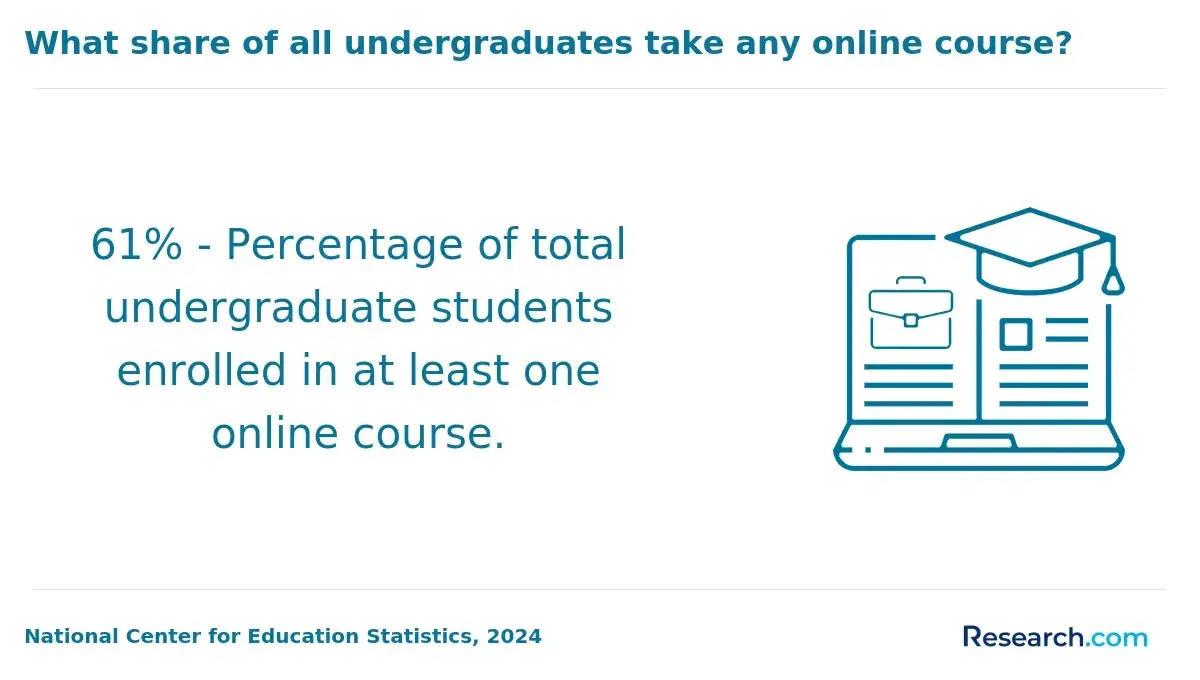
A non-degree certificate is an educational award for completing a defined course of study. A professional certification is a credential issued by an independent certifying body after a person meets its standards, which may include an exam, experience, continuing education, or renewal. Some programs prepare students for a certification exam, but completing the program and earning the certification are separate events.
The distinction matters when comparing a certificate with a traditional degree. A degree generally includes broader general education and may support transfer, graduate study, or occupations requiring a degree; a certificate is usually narrower and faster. Credit-bearing college certificates may be stackable into an associate degree, while noncredit training typically is not. Learners who need broad academic flexibility rather than immediate occupational training may be better served by the easiest bachelor degree to get online options that still align with their intended field.
Choose a certificate when a specific employer skill, license pathway, or quick career pivot is the goal. Choose an associate or bachelor's degree when the target occupation, promotion path, or future education plan explicitly requires it.
How can you compare online and campus-based non-degree programs?
Online delivery can lower commuting costs and make part-time study easier, but campus-based instruction is often stronger when competence depends on labs, clinical practice, tools, equipment, or immediate instructor feedback. Hybrid programs can combine online theory with required in-person skill development.
Compare the format using the factors below, especially if your intended occupation has clinical, licensing, or equipment-based requirements:
| Comparison factor | Online or mostly online | Campus or hybrid |
| Best fit | Theory-heavy business, IT, design, and administrative training | Trades, clinical programs, and skill-intensive technical training |
| Scheduling | Often more flexible, though deadlines may still be fixed | Fixed labs, clinical shifts, and shop sessions are common |
| Hands-on learning | May require local externship, simulator, or employer site | Usually easier to verify direct equipment and instructor access |
| Licensure preparation | Must be checked carefully for state approval and placement arrangements | May simplify required clinical or lab documentation |
| Hidden costs | Technology, proctoring, travel for intensives, and local placement costs | Transportation, parking, tools, uniforms, and campus fees |
Before paying a deposit, ask where practical training occurs, who secures placements, and whether graduates in your state have been eligible for required exams. Learners seeking more advanced, fully online academic study can separately compare online masters programs; those programs are degrees, not substitutes for occupational licenses or hands-on non-degree training.
What accreditation and licensing standards should non-degree programs meet?
Accreditation and licensing are not universal requirements for non-degree programs, but they are critical in regulated fields. Institutional accreditation evaluates a college or school as a whole. Programmatic accreditation evaluates a specific discipline, while state approval may determine whether graduates can take a licensing examination. A private provider may offer worthwhile industry training without college accreditation, but its recognition must be judged by employers or the credential issuer.
Check the requirement that governs your intended job, not merely the school's marketing language. For practical nursing, dental hygiene, and many other clinical roles, confirm board approval and exam eligibility with the relevant state board. For HVAC work involving refrigerants, confirm preparation for EPA Section 608 certification. For apprenticeship trades, ask whether training counts toward required supervised hours.
Common red flags include claims of "licensed" without naming the licensing authority, unclear clinical placements, promises of certification without stating the exam issuer, and pressure to enroll before written eligibility information is available.
What are typical admission requirements for competitive non-degree programs?
Admission standards depend on provider and program type. A noncredit career course may require only payment and basic eligibility, while a selective allied-health program can require prerequisite courses, placement testing, immunizations, background screening, drug testing, CPR certification, and competitive ranking. Apprenticeships may require an age minimum, work authorization, aptitude testing, driver's license, or ability to perform essential job functions.
Applicants should obtain requirements in writing before completing prerequisite coursework or financing a program. The most useful questions to ask are:
- Is this an open-enrollment course, a college certificate, an approved licensing program, or training for a separate certification exam?
- Which prerequisites, health clearances, tools, uniforms, exams, and travel costs are required beyond tuition?
- Are clinical placements, externships, or apprenticeships guaranteed, competitive, or the student's responsibility to arrange?
- Can the credential transfer or stack into a degree, and is that documented in the college catalog?
A GPA is relevant only where the school uses academic admission or competitive selection. It should not be assumed for every short course, bootcamp, academy, or vendor training program.
How long do non-degree programs take and what do they cost?
Duration ranges from a few weeks for limited occupational training to roughly two years for many associate degree programs. The cost comparison should include more than published tuition: required books, exams, tools, uniforms, background checks, insurance, commuting, missed work, and licensing fees can materially change the investment.
Use this sequence to estimate personal ROI before enrolling:
- Identify the exact entry-level job and confirm whether it requires a degree, license, apprenticeship, certificate, or professional certification.
- Request the full cost of attendance and separate tuition from equipment, examination, clinical, and travel expenses.
- Compare program length with the time needed for post-graduation licensing, supervised practice, or a job search.
- Review local entry-level openings and wages rather than relying only on national occupational medians.
- Calculate how much borrowing, lost income, and employer tuition assistance affect the break-even timeline.
Federal student aid can be available for eligible programs at eligible institutions, but many short noncredit programs do not qualify. Employer reimbursement, workforce-agency funding, registered apprenticeships, and payment plans may reduce upfront cost. If speed is the priority, compare training carefully with easy licenses and certifications to get, remembering that an "easy" credential may have limited value if local employers do not request it.
What salary ranges and job outlooks are common after non-degree training?
Salary and outlook vary more by occupation than by the school that issued a certificate. BLS May 2024 wage data provide useful national benchmarks, but they include workers with different experience levels, locations, schedules, and education backgrounds. Entry-level pay can be substantially different.
The figures below are occupational data, not projected pay for any individual graduate. They help readers identify fields worth investigating before checking local demand and credential requirements.
| Occupation | May 2024 median annual wage | 2023-2033 projected growth | Training implication |
| Dental hygienists | $94,260 | 9% | Typically requires an accredited associate degree and state licensure |
| Diagnostic medical sonographers | $89,340 | 11% | Usually requires formal clinical education; employer expectations vary |
| Licensed practical and licensed vocational nurses | $62,340 | 3% | Requires approved education, NCLEX-PN, and state licensure |
| Electricians | $62,350 | 6% | Apprenticeship and licensing requirements commonly apply |
| Paralegals and legal assistants | $61,010 | 0% | Certificate or degree can help, but legal employers may prioritize experience |
| Medical assistants | $44,200 | 15% | Certificate programs are common; certification requirements differ by employer and state |
Fast projected growth does not automatically mean high pay or easy hiring, and a high median wage may require years of experience, overtime, geographic mobility, or a license. Use both measures with local vacancy data and the program's completion, licensure, and placement information.
How do you evaluate curriculum quality and industry alignment in non-degree programs?
Curriculum quality is the practical test of whether a non-degree program can support a worthwhile return. A strong program makes its outcomes and requirements easy to verify: current course descriptions, instructor qualifications, equipment access, clinical or apprenticeship arrangements, completion policies, exam preparation, and transparent total costs.
Evaluate industry alignment by looking for direct evidence rather than broad promises. Useful evidence includes an advisory board with active employers, curriculum mapped to recognized standards, recent software and equipment, supervised practice, employer partnerships, and published outcomes with clear definitions. Ask whether job-placement data count only related jobs, whether the rate is audited, and how many students were excluded from the calculation.
A practical way to avoid costly mistakes is to compare at least two providers using the same checklist. Do not choose solely because a program is short, online, or advertised as high-paying; verify that the credential is accepted by local employers and supports your next required step.
Other Things You Should Know About
They can be worth it when training is directly connected to a recognized job requirement, a license pathway, or a skill employers seek locally. They are less compelling when the provider cannot explain employer recognition, practical training, total costs, or realistic entry-level job options.
There is no universal best choice. Short programs in areas such as commercial driving, phlebotomy, IT support, HVAC, and medical assisting can be efficient for some learners, but time to employment may also include testing, licensing, clinical placement, or job searching.
Possibly. Federal aid generally depends on the institution and program being eligible, while many noncredit courses are not eligible. Ask the provider's financial-aid office about eligibility and compare employer assistance, workforce funding, scholarships, and payment plans before borrowing.
Choose a certificate for focused, faster preparation when the target role accepts it. Choose an associate degree when the occupation requires it, when licensure rules specify it, or when you want more transferable academic credit and a broader foundation for future study.
References
- 10 Strategies to Overcome the College Enrollment Cliff https://vitaldesign.com/enrollment-cliff/
- How Much Does an Associates Degree Increase Your Salary https://imagine-america.org/blog/how-much-does-an-associates-degree-increase-your-salary
- Is College Worth It? A Comprehensive Return on Investment Analysis - FREOPP https://freopp.org/whitepapers/is-college-worth-it-a-comprehensive-return-on-investment-analysis/
- Career earnings by college major - The Hamilton Project https://www.hamiltonproject.org/data/career-earnings-by-college-major/
- Getting a job without a 4-year degree. Prospects increase with a certificate. https://www.luminafoundation.org/resource/non-degree-credentials-provide-value-for-adults-in-the-labor-market/
- Is College Worth it? | Return on Investment Analysis of College Degree https://educationdata.org/college-degree-roi
- CreateSell https://createsell.com/blog/high-income-skills-without-degree
- High-Paying, Fast-Growing Jobs Without a Degree https://www.rockwellinstitute.com/blog/jobs-dont-require-degree/
- Is College Worth It? - Public Policy Institute of California https://www.ppic.org/publication/is-college-worth-it/
- Does Going to College Make Financial Sense Anymore? https://www.wealthenhancement.com/blog/is-college-worth-it-financially