2027 Best Career Training Programs That Pay Well

Co-Founder and Chief Data Scientist
Choosing training that leads to a viable job, not just a credential, is the central challenge for career changers and recent graduates. The U.S. Bureau of Labor Statistics (BLS) projects healthcare occupations to grow much faster than average from 2023 to 2033, adding about 1.9 million jobs.
This guide compares practical career training options by length, cost, licensing, flexibility, and occupational pay data so you can identify a route that fits your budget, timeline, and target role.
Key Things You Should Know
- Short career training can be a strong investment when it leads to a required license, industry-recognized certification, apprenticeship, or clearly defined entry-level role; a generic completion certificate alone may carry less employer value.
- BLS 2024 median pay was $62,350 for dental hygienists, $62,340 for diagnostic medical sonographers, and $61,770 for electricians. These occupation figures are not guaranteed earnings for program graduates.
- Compare total cost, required tools and exam fees, clinical or apprenticeship access, programmatic approval, and local hiring demand before enrolling, not tuition or advertised completion time alone.
Top 10 Best Career Training Programs That Pay Well
Popular Trade School Programs
Trade programs combine technical instruction with shop practice, apprenticeships, or supervised fieldwork. Electrician, HVAC/R technician, welding, plumbing, automotive technology, and industrial maintenance certificates are common entry routes. A certificate may help someone obtain an apprentice or helper role, but many trades require paid apprenticeship hours and state or local licensing before independent work.
Associate degrees can add troubleshooting, estimating, and management coursework. Choose this path if you prefer hands-on work and can meet physical and schedule demands; confirm that training matches local licensing and union or employer expectations.
Healthcare Programs
Healthcare career training ranges from short certificates for medical assistants, phlebotomists, pharmacy technicians, and practical nurses to associate degrees in dental hygiene, radiography, respiratory therapy, and diagnostic sonography. Programs with patient care typically require immunizations, background checks, CPR training, and in-person clinical placements.
Graduation may qualify a student to pursue a separate certification or state licensure exam; it does not always create automatic eligibility. Healthcare suits learners comfortable with science, documentation, patient interaction, and regulated practice. Prioritize approved programs with guaranteed clinical-placement processes before considering online convenience.
Criminal Justice / Law Programs
Paralegal studies, legal assisting, court reporting, emergency management, corrections, and criminal justice certificates or associate degrees can build job-specific knowledge. Paralegals work under attorney supervision and generally cannot provide legal advice or represent clients. Court reporting requires specialized machine shorthand training and may involve state credentials.
Criminal justice programs can support entry-level public safety or administrative work, but police, probation, and federal roles often have agency-specific screening, fitness, education, and background requirements. Select a program based on the exact role you want, rather than assuming a broad criminal justice credential meets every agency standard.
Arts & Design Programs
Graphic design, digital media, web design, UX design, photography, animation, and interior design programs may award certificates or associate degrees. Portfolio quality, software fluency, client communication, and real project experience often matter as much as the credential for creative hiring.
A certificate can be useful for focused upskilling, while an associate degree offers broader foundations and more time to build work samples. Interior design rules vary by state, and some advanced professional pathways require accredited degree preparation. Choose a program that includes portfolio review, current tools, instructor feedback, and transparent placement support.
What types of career training programs lead to the highest-paying jobs?
The highest-paying opportunities commonly come from programs tied to regulated clinical practice, skilled construction trades, transportation, or technical systems where employers need verified competence. The best choice is not automatically the shortest program: roles with higher pay often require clinical education, an apprenticeship, licensing, or ongoing certification.
This comparison separates occupational wage data from the training credential itself. BLS median annual wages for 2024 provide a useful national benchmark, but local pay, experience, overtime, shift differentials, and employer type can substantially change results.
| Training path | Typical credential route | 2024 BLS median pay for related occupation | Important limitation |
| Electrician | Trade certificate plus apprenticeship | $61,770 | Licensing and apprenticeship requirements vary by jurisdiction. |
| Dental hygienist | Accredited associate degree | $94,260 | State licensure is required; a short certificate is not sufficient. |
| Diagnostic medical sonographer | Associate degree or postsecondary certificate | $84,470 | Employers may prefer certification and clinical experience. |
| Respiratory therapist | Associate degree | $80,450 | Licensure is required in every state except Alaska. |
| Computer support specialist | Certificate, associate degree, or employer training | $61,550 | Requirements vary widely; a portfolio or certification may help. |
Regulated healthcare roles can offer strong pay but demand more prerequisites and supervised practice. If you want a faster, technology-focused alternative, compare degrees you can get online that pay well with local employer requirements before assuming remote training qualifies you for a technical role.
How do online and campus-based career training programs compare for flexibility and outcomes?
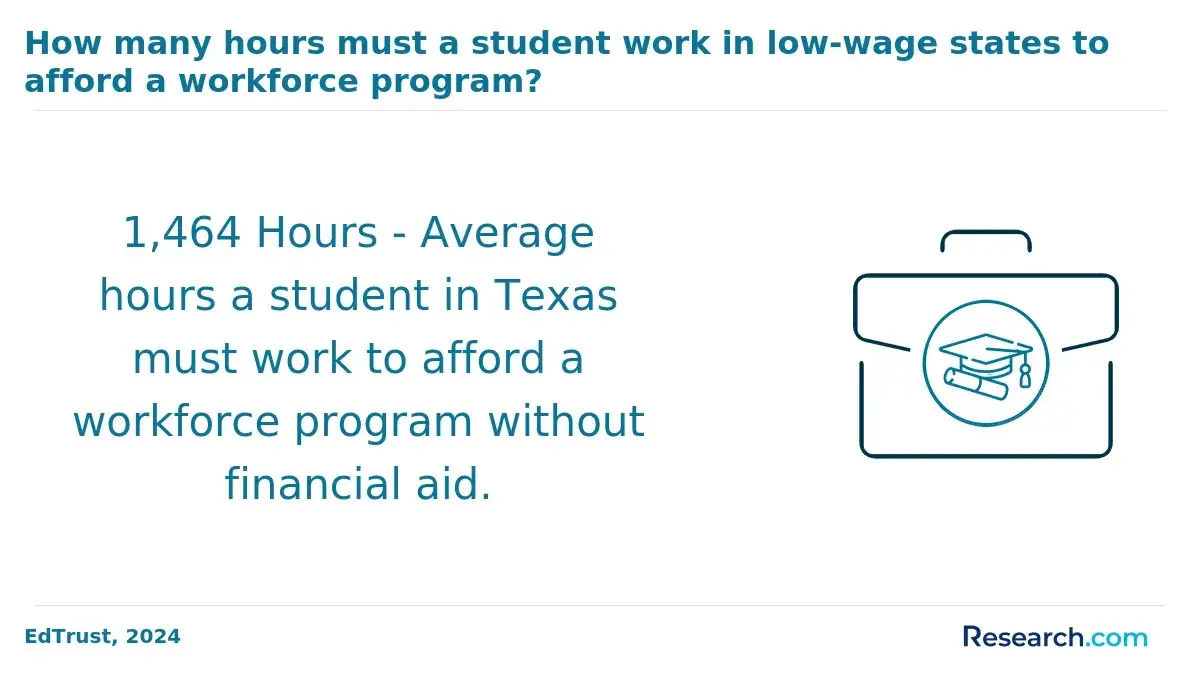
Online career training works best for theory-heavy content, software instruction, test preparation, and flexible schedules. Campus, hybrid, or employer-based formats are usually better for labs, equipment practice, clinical training, and networking. For licensed occupations, an online program must still arrange compliant in-person clinical or laboratory experiences.
The format should follow the skill being taught, not just the lowest advertised price. Use this comparison to identify the trade-off most relevant to your target role.
| Factor | Online | Campus, hybrid, or employer-based |
| Schedule | Often asynchronous and convenient for working adults | Fixed meeting, lab, or clinical times are common |
| Hands-on practice | Limited unless local placements or kits are provided | Direct access to labs, equipment, and supervised practice |
| Career networking | May require self-directed outreach | Often includes local employers, instructors, and peers |
| Licensure preparation | Must be verified state by state | May align more easily with local board requirements |
| Best fit | IT, business software, billing, and theory-based learning | Trades, clinical care, imaging, and equipment-intensive work |
Flexible delivery does not mean reduced workload. Learners who need a rapid academic route rather than skills-based training can also compare fast track programs, while checking whether accelerated pacing leaves enough time for required labs or clinicals.
What accreditation and industry approvals should career training programs have?
Accreditation evaluates an educational institution or program; industry certification validates an individual's knowledge or skill. Both may matter, but their importance depends on the field.
A noncredit provider may offer useful software training without institutional accreditation, while a nursing, radiography, or dental hygiene program must meet much stricter approval expectations for licensure eligibility.
Before paying a deposit, verify the specific approval relevant to your goal. Ask the school for written confirmation of eligibility for the exam or license in the state where you plan to work.
- For college certificates and associate degrees, confirm institutional accreditation recognized by the U.S. Department of Education or the Council for Higher Education Accreditation.
- For licensed healthcare roles, verify programmatic accreditation or state-board approval and confirm clinical placement arrangements.
- For trades, check whether instruction is accepted by the relevant state licensing board, apprenticeship agency, union, or major local employers.
- For IT and business training, assess whether the curriculum prepares learners for a recognized vendor or professional certification exam, if employers request one.
- For any provider, request completion, licensure-exam, placement, and withdrawal data and ask how each measure is defined.
A red flag is a school that promises certification, licensing, or employment without naming the certifying organization, licensing board, or conditions. Another is a program that will not disclose whether its online curriculum meets requirements outside its home state.
How long do career training programs take, and what do they typically cost?
Career training may take a few weeks for a focused noncredit course, several months for many certificates, one to two years for an associate degree, and longer when an apprenticeship or clinical sequence is required. Completion time is often extended by prerequisite courses, waitlists for clinical placements, part-time enrollment, and licensing steps.
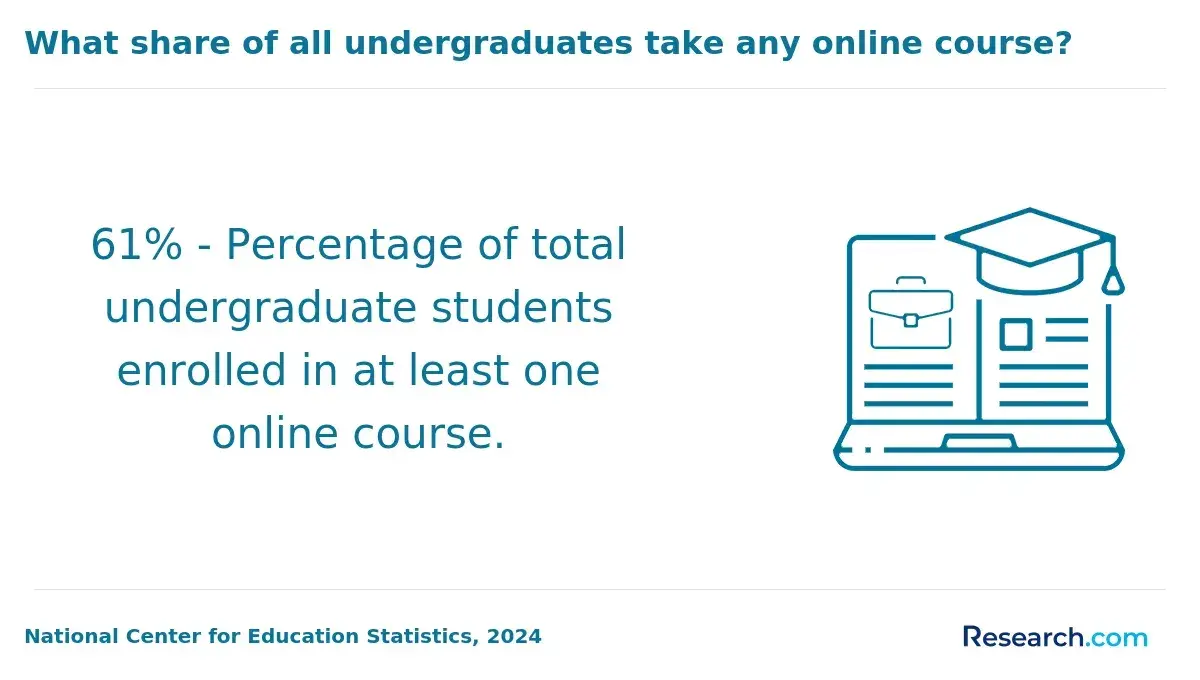
Cost is equally variable. College tuition is only one component: tools, uniforms, textbooks, exam attempts, insurance, transportation, background checks, and lost work hours can materially affect the real investment.
| Program type | Typical duration | Common cost drivers | Best use |
| Noncredit workforce course | Weeks to months | Provider fee, equipment, exam voucher | Narrow skill or certification preparation |
| Credit-bearing certificate | Months to about one year | Tuition, fees, books, lab supplies | Entry-level technical or healthcare preparation |
| Associate degree | About two years full time | Tuition, general education, labs, clinical costs | Roles requiring broader technical education or licensure |
| Registered apprenticeship | Often several years | Tools, related instruction, possible dues | Paid work-based path in eligible trades |
Federal Student Aid reports that the average published tuition and fees at public two-year institutions was $4,050 for the 2024-25 academic year, before aid and living costs. That figure is a sector average, not a program quote; compare net price and all required expenses.
If your goal ultimately requires graduate education, review inexpensive masters programs separately rather than buying a short credential that will not meet the role's education threshold.
What admission requirements and prerequisites do career training programs usually have?
Admissions requirements range from simple registration for many noncredit courses to selective review for limited-enrollment clinical programs. A high school diploma or equivalent is common, but GPA, placement testing, prerequisite science courses, entrance exams, immunizations, drug screening, and background checks are required only in certain programs or fields.
Use the admissions process to test whether the program truly fits your target occupation. Ask for requirements in writing and distinguish admission to the school from admission to a competitive program cohort.
- Find the exact job title and identify its state licensing, employer, or certification requirements.
- Check whether the program awards academic credit, a completion certificate, an associate degree, or preparation for a separate certification exam.
- Confirm prerequisites, application deadlines, clinical or apprenticeship availability, and any residency rules.
- Calculate full cost, including retakes, equipment, commuting, and income you may forgo while training.
- Compare outcomes with at least one public college, employer apprenticeship, or another approved provider.
A bachelor's degree can be the better option when employers consistently require one for advancement, but do not choose it solely because it seems less demanding. Readers exploring academic alternatives can review the easiest bachelor's degree to get and then verify that it supports their desired occupation.
What coursework and skills are covered in top career training programs that pay well?
Top programs teach the technical tasks employers expect and the habits that make those tasks safe, accurate, and repeatable. Coursework differs by occupation, but strong training connects classroom concepts with supervised application, current equipment or software, documentation, and feedback.
The most valuable curriculum features depend on the pathway you choose. The areas below help you recognize whether a program is job-aligned rather than merely introductory.
- Trades: electrical theory, blueprint reading, safety rules, diagnostics, code awareness, tool use, and hands-on installation or repair.
- Healthcare: anatomy, medical terminology, patient privacy, infection control, clinical documentation, equipment operation, and supervised patient care where applicable.
- Legal and criminal justice: legal research, writing, case management software, records procedures, ethics, evidence handling, and communication.
- Arts and design: design principles, digital tools, accessibility, project briefs, revision practice, portfolio development, and client presentation.
- Across fields: problem-solving, teamwork, digital literacy, time management, and professional communication.
AI tools are changing documentation, design workflows, diagnostics support, and office tasks, but they do not remove the need for safety judgment, confidentiality, client communication, or supervised technical competence. Look for programs that teach responsible tool use rather than treating software automation as a substitute for foundational skills.
What jobs can you get after completing a high-paying career training program?
A high-paying training program should map to a recognizable job title and an entry point that employers actually hire for. Some credentials support direct entry; others are only one step toward an apprenticeship, certification, or license.
Search local postings before enrolling to see the experience, shift availability, and credentials employers request.
This overview shows realistic examples of how training can connect to work. Titles and hiring requirements vary by state and employer.
| Training area | Potential entry role | Possible progression | Common additional requirement |
| Electrical or HVAC | Apprentice, installer, service helper | Journeyperson, technician, supervisor | Apprenticeship hours and licensing |
| Medical assisting | Medical assistant | Lead assistant, specialty office role | Employer-preferred certification may apply |
| Imaging or respiratory care | Technician or therapist | Specialty modality or supervisory work | Degree, exam, and state license where required |
| Paralegal studies | Legal assistant or paralegal | Practice-area specialist or case manager | Attorney supervision; voluntary certification may help |
| Digital design | Junior designer or production artist | UX, brand, motion, or art direction | Portfolio and demonstrated software ability |
Do not treat job-placement marketing as proof that a role is available in your area. Ask whether placement statistics count temporary, part-time, unrelated, or self-reported employment, and compare that answer with local postings.
What salary ranges and growth potential can graduates of career training programs expect?
Pay and growth potential depend on occupation, region, schedule, experience, licensure, and the employer, not simply on program length. National BLS figures are useful for comparing fields, but they cannot predict an individual offer or account for local living costs. Use them as a screening tool, then examine nearby job ads and state workforce information.
BLS projects electrician employment to grow 6% from 2023 to 2033, faster than the average for all occupations. That outlook supports demand, but entry into the field still depends on completing an apprenticeship and meeting local licensing rules.
| Occupation | 2024 BLS median annual pay | 2023-33 projected growth | Career consideration |
| Dental hygienist | $94,260 | 9% | Requires an accredited education pathway and state license. |
| Diagnostic medical sonographer | $84,470 | 15% | Clinical experience and specialty credentials can matter. |
| Respiratory therapist | $80,450 | 13% | Licensure and patient-facing shift work are typical. |
| Electrician | $61,770 | 6% | Apprenticeship wages may begin below the median. |
| Paralegal and legal assistant | $61,010 | 0% | Competition and local legal-market demand affect openings. |
Higher median pay may come with longer preparation, limited program seats, on-call work, physical demands, or responsibility for safety-sensitive tasks. Compare the first job you can realistically obtain with the advancement path, not only the occupation's national median.
What licensing exams and professional certifications are required after training in different fields?
Completion of a training program, a professional certification, and a government license are different milestones. A school issues a certificate or degree after coursework. A certification body may award certification after an exam or other requirements. A state licensing board grants legal authority to practice in regulated occupations.
Requirements vary, so verify the current rules directly with the relevant state board or certifying organization before enrolling. Programs should clearly state which exam, credential, or license they prepare students to pursue.
- Electricians commonly complete an apprenticeship and pass a state or local licensing examination before working independently.
- Dental hygienists must graduate from an approved educational program, pass required national and clinical examinations, and obtain state licensure.
- Respiratory therapists generally need an accredited degree pathway, a national examination, and a state license where required.
- Medical assistants may pursue voluntary national certification; employer preference and state scope-of-practice rules differ.
- Paralegals are generally not licensed, though voluntary certifications exist and employers may set their own education standards.
- IT professionals may pursue vendor or industry certifications, which typically require exam preparation but not government licensure.
A major mistake is enrolling based on the phrase "exam preparation" without confirming eligibility. Ask whether graduates have met the education, clinical, identity, background, and jurisdiction-specific conditions for the credential you need.
Other Things You Should Know About the Best Career Training Programs
Programs in medical support, IT support, commercial driving, skilled trades, and certain technical specialties can be completed relatively quickly, but the best option depends on local demand and any licensing requirements. Fast completion is most useful when the credential clearly qualifies you for a specific entry-level role.
They can be worthwhile when they teach employer-requested skills, lead to a recognized certification or license, include hands-on practice, or fit a documented local job market. They are less valuable when the provider cannot explain job relevance, approvals, total costs, or outcomes.
Yes, many theory-based programs are online. However, clinical healthcare training, equipment-intensive trades, and other regulated fields usually require in-person labs, supervised practice, or placements. Confirm that online delivery meets the rules of the state where you intend to work.
Choose a certificate for a focused, lower-time commitment when employers accept it for the target role. Choose an associate degree when the occupation requires it for licensure, when you want broader training, or when you may later pursue a bachelor's degree. Verify whether credits are transferable before assuming they will apply elsewhere.
References
- How to Choose the Right Career Training Program for Your Future https://ccitraining.edu/blog/choose-career-training-program/
- How a Career Pathway Can Help You Build a Stable Future | OIC Philadelphia https://oicphila.org/career-pathway/
- What's the Average Cost of Employee Training Programs? https://hrdqstore.com/blog/average-cost-employee-training-programs/
- High-Paying, Fast-Growing Jobs Without a Degree https://www.rockwellinstitute.com/blog/jobs-dont-require-degree/
- Stop Treating Training Like a Cost - Here's How It Actually Generates Revenue https://www.yourtrainingprovider.com/blog/stop-treating-training-like-a-cost-heres-how-it-actually-generates-revenue
- Top 9 fastest-growing professions that pay well too | Alliant Credit Union https://www.alliantcreditunion.org/money-mentor/9-of-the-fastest-growing-professions-to-help-you-choose-a-career-path
- How much does employee training really cost? https://elmlearning.com/blog/how-much-does-employee-training-really-cost/
- What You Should Know About Paid Training Job Programs https://www.learnhowtobecome.org/career-resource-center/paid-training-job-programs/