2027 Best Certifications With the Best ROI

Co-Founder and Chief Data Scientist
Choosing a certification is a financial decision: low tuition means little if employers do not recognize the credential or it does not meet licensing rules. The U.S. Bureau of Labor Statistics (BLS) reported a $49,500 median annual wage across all occupations in May 2024, making above-median technical and healthcare paths especially worth comparing.
This guide helps career changers, new workers, and upskillers identify certifications, certificates, and associate programs with stronger potential ROI by weighing total cost, time, demand, prerequisites, and realistic job outcomes.
Key Things You Should Know
- Best-ROI options usually pair a short training timeline with a credential employers or state regulators specifically recognize; examples include commercial driver's license training, HVAC certification, nursing credentials, and IT certifications.
- BLS May 2024 data places the median annual wage for all U.S. occupations at $49,500; compare a target occupation's wage and entry requirements against every cost of training, exams, tools, and lost work time.
- A certificate program, professional certification, license, and associate degree are different credentials: verify which one an employer, certifying body, or state licensing board actually requires before enrolling.
Top 10 Best Certifications With the Best ROI
Popular Trade School Programs
Trade certificates and associate degrees can produce strong ROI when they lead to apprenticeships, licensing pathways, or employer-recognized skills. HVAC/R certificates teach installation and repair; EPA Section 608 certification is required for technicians handling regulated refrigerants. Electrical, plumbing, welding, diesel technology, and commercial driving programs combine classroom and hands-on training.
Associate degrees in industrial maintenance or electrical technology may broaden advancement options. These paths suit learners who want practical work and can meet physical or schedule demands. Confirm whether the program includes required exam preparation, clinical/shop hours, tools, and local apprenticeship connections.
Healthcare Programs
Healthcare credentials can have durable value, but many roles are regulated by state law. Medical assisting, pharmacy technician, dental assisting, phlebotomy, practical nursing, radiologic technology, and surgical technology programs vary from short certificates to associate degrees. A school certificate may prepare a learner for a separate national certification exam; it is not automatically the certification itself.
Nursing and radiologic technology commonly require approved education and licensure or credentialing before practice. Choose an approved program with required clinical placements, not a purely online course that cannot meet hands-on requirements. Check state board rules before paying a deposit.
Criminal Justice / Law Programs
Criminal justice certificates and associate degrees introduce policing, corrections, homeland security, court systems, and public safety administration. Paralegal certificates teach legal research, writing, and document preparation, while associate degrees can provide broader general education and legal studies coursework.
These programs can support entry-level applications but do not independently qualify someone to practice law, become a police officer, or receive a security clearance. Police hiring standards are set by individual agencies and states; paralegal employer expectations vary. Programs are best for learners seeking legal-support or public-safety preparation and willing to complete background, fitness, or agency-specific requirements.
Arts & Design Programs
Arts and design certificates can offer practical ROI when the curriculum produces a portfolio tied to local or remote client demand. Common options include graphic design, UX/UI design, digital marketing design, web design, photography, animation, and interior design. Certificates are often nondegree credentials; an associate degree may add broader design foundations and transferable credits.
Employers usually evaluate demonstrated work, software fluency, and communication alongside credentials. A short program is a sensible option for adults adding a specific toolset, while beginners needing structured critique and a substantial portfolio may benefit from a longer program. Review graduate portfolios and software costs first.
Which Certifications Pay the Most?
The certifications that can pay the most are usually tied to regulated responsibility, specialized technical work, or substantial prior experience - not simply the shortest online course. High earning potential may appear in commercial aviation, advanced IT, project management, cybersecurity, skilled trades, and healthcare, but requirements differ sharply.
This comparison separates occupational pay from the credential itself. BLS wage figures describe the occupation and do not mean every certificate holder earns that amount.
| Path | Typical credential structure | BLS May 2024 median annual wage for related occupation | ROI consideration |
| Commercial pilot | FAA certificates, ratings, flight hours, medical eligibility | $122,670 | High training and flight-hour costs can delay payback. |
| Computer network architect | Degree or experience commonly expected; vendor certifications can support skills | $130,390 | Advanced role; entry-level certifications alone are rarely enough. |
| Dental hygienist | Accredited associate degree and state licensure | $94,260 | Strong wage potential, but it is not a short certificate route. |
| Diagnostic medical sonographer | Typically accredited postsecondary education and employer-recognized credentials | $84,470 | Clinical training and program availability matter substantially. |
| HVAC mechanic and installer | Certificate, apprenticeship, and required refrigerant credential where applicable | $59,810 | Lower training cost can improve payback, particularly with paid apprenticeship work. |
For a focused look at shorter options, review certificate programs that pay well. The better choice is not necessarily the highest-wage occupation; it is the path whose required training, eligibility rules, local hiring market, and likely starting role fit your budget and timeline.
Which Certifications Are in Highest Demand?
Demand is strongest when employers have persistent needs and a credential is directly connected to the work. BLS employment projections for 2024-2034 identify wind turbine service technicians, nurse practitioners, data scientists, and medical and health services managers among the faster-growing occupations, although several require degrees beyond a basic certificate.
For certification candidates, the practical lesson is to distinguish fast-growing occupations from accessible entry points. The following fields often offer recognized pathways, but local openings and employer requirements should decide the final choice.
- Healthcare support and allied health roles can offer local demand, but clinical placement capacity and state rules may limit entry.
- Cybersecurity, cloud, and IT support certifications can demonstrate specific skills, but portfolios, experience, and vendor knowledge often determine hiring.
- Electrical, HVAC, welding, and diesel work can benefit from retirements and infrastructure needs, with apprenticeships providing a lower-cost route.
- Commercial driving may provide rapid entry, but schedule, safety requirements, and time away from home affect the true value of the credential.
Do not select a field based only on national growth. Search current openings within commuting distance, identify recurring credentials in job postings, and ask employers whether they hire trainees, apprentices, or only experienced workers.
How Much Do Certifications Cost?
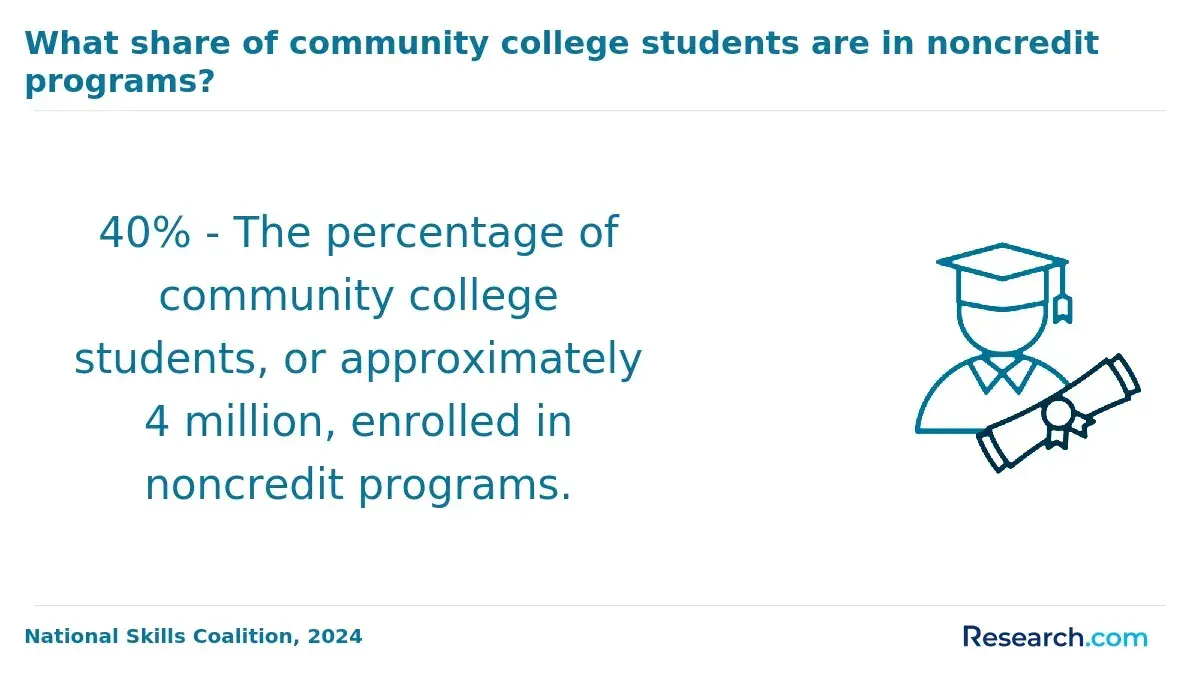
Certification costs range from a low-cost exam fee to several thousand dollars for instructor-led training, labs, clinical education, tools, or flight time. A professional certification may charge separately for preparation materials, the exam, renewal, and continuing education; a college certificate may add tuition, fees, books, supplies, and required insurance or background checks.
Use this cost checklist to compare offers on an equal basis rather than relying on advertised tuition.
- Program tuition and mandatory institutional fees
- Examination, application, fingerprinting, licensing, or certification fees
- Equipment, uniforms, software, tools, textbooks, and travel
- Required clinical, lab, practicum, or flight-hour expenses
- Income reduced by attending full time or completing unpaid requirements
- Renewal and continuing-education costs for credentials that expire
Federal student aid may be available for eligible students in qualifying programs at eligible institutions, but many short noncredit courses and third-party certifications do not qualify. If a degree is necessary for advancement, comparing cheapest online master's options can be more useful than repeatedly buying disconnected short courses.
How Long Does Certification Training Take?
Completion time depends on the credential type, prerequisite knowledge, required supervised practice, and whether study is full time. Exam-focused industry certifications may take weeks or months of independent preparation. College certificates commonly take one or two terms, while associate degrees generally require about two years of full-time study. Apprenticeships and regulated clinical programs can take longer because paid work hours or supervised practice are part of qualification.
The timeline below helps prevent a common ROI mistake: confusing course completion with eligibility to work independently.
| Credential route | Typical time pattern | What can extend the timeline |
| Vendor or professional certification | Weeks to months of preparation | Exam retakes, experience prerequisites, renewal requirements |
| Noncredit career-training certificate | Several weeks to about one year | Part-time schedules, lab availability, externships |
| Credit-bearing college certificate | About one to three terms | Prerequisite courses and limited course sequencing |
| Associate degree | About two years full time | General education, clinical placement, transfer-credit evaluation |
| Apprenticeship or licensed trade path | Multiple years while working | Required work hours, local licensing rules, exam timing |
Accelerated programs are valuable only when they preserve required hands-on practice and employer recognition. Ask for the calendar, pass-rate methodology where applicable, and the first date you could legally or realistically begin work.
Are Online Certification Programs Worth It?
Online certification programs are worth it when the target role values the issuing organization, the curriculum maps to a recognized exam or skill standard, and online delivery can teach the needed material. They work especially well for IT, project management, business software, bookkeeping theory, and digital design. They are a weaker fit when a role requires labs, patient care, driving, welding, electrical work, or clinical competencies that must be assessed in person.
Online flexibility should not be confused with self-paced quality. Compare instructor access, proctored assessments, lab arrangements, career services, and whether deadlines fit your work schedule. Learners who need maximum scheduling control can compare cheapest self-paced online college options, but should still confirm that self-paced study meets any licensing or employer requirements.
A major red flag is an online program promising qualification for a regulated job without explaining clinical placements, supervised hours, or state approval. Obtain that confirmation in writing before enrollment.
What Accreditation Should You Check?
Accreditation matters most for credit-bearing academic programs, regulated healthcare education, and credentials that must satisfy licensing-board rules. Institutional accreditation evaluates a college or university as a whole; programmatic accreditation evaluates a particular discipline. Neither is usually relevant to a standalone vendor certification, where employer recognition and the certifying organization's standards matter more.
Before enrolling, match the verification method to the credential you want.
- For a college certificate or associate degree, verify institutional accreditation and ask whether credits can transfer.
- For nursing, imaging, dental hygiene, and similar regulated fields, verify program approval or specialized accreditation with the relevant state board.
- For an industry certification, confirm the issuing organization, exam version, experience prerequisites, and renewal policy.
- For a private career school, check state authorization, refund policies, complaint history, and written claims about placement support.
Students seeking institutionally accredited online options can also review non-profit universities in USA. Accreditation alone does not prove a program is a good investment; it must still align with the job, license, or next credential you need.
What Jobs Can These Certifications Lead To?
Certifications can lead to jobs when they match a specific hiring gate: a required license, an industry exam, a vendor platform, or a recognized entry-level skill. They are often most useful as evidence of readiness rather than a substitute for experience, a degree, or an apprenticeship.
This comparison shows how realistic outcomes differ by credential type.
| Credential example | Potential job direction | Important limitation |
| CompTIA or vendor IT certification | Help desk, technical support, junior systems roles | Employers may also require hands-on troubleshooting experience. |
| CDL training and license | Commercial truck or delivery driver | Hiring depends on driving record, endorsements, drug testing, and carrier standards. |
| Medical assistant certificate | Medical assistant in clinics or offices | Employer preferences and state scope-of-practice rules vary. |
| HVAC certificate plus EPA credential | HVAC installer or service trainee | Independent work may require experience, local licensing, or apprenticeship progression. |
| Paralegal certificate | Legal assistant or paralegal support | It does not authorize legal practice or guarantee a paralegal title. |
Prioritize programs that show the exact occupation, first job title, credential issuer, and any additional steps required after completion. Avoid schools that use broad job labels without explaining the route from training to employment.
How Much Can Certified Professionals Earn?
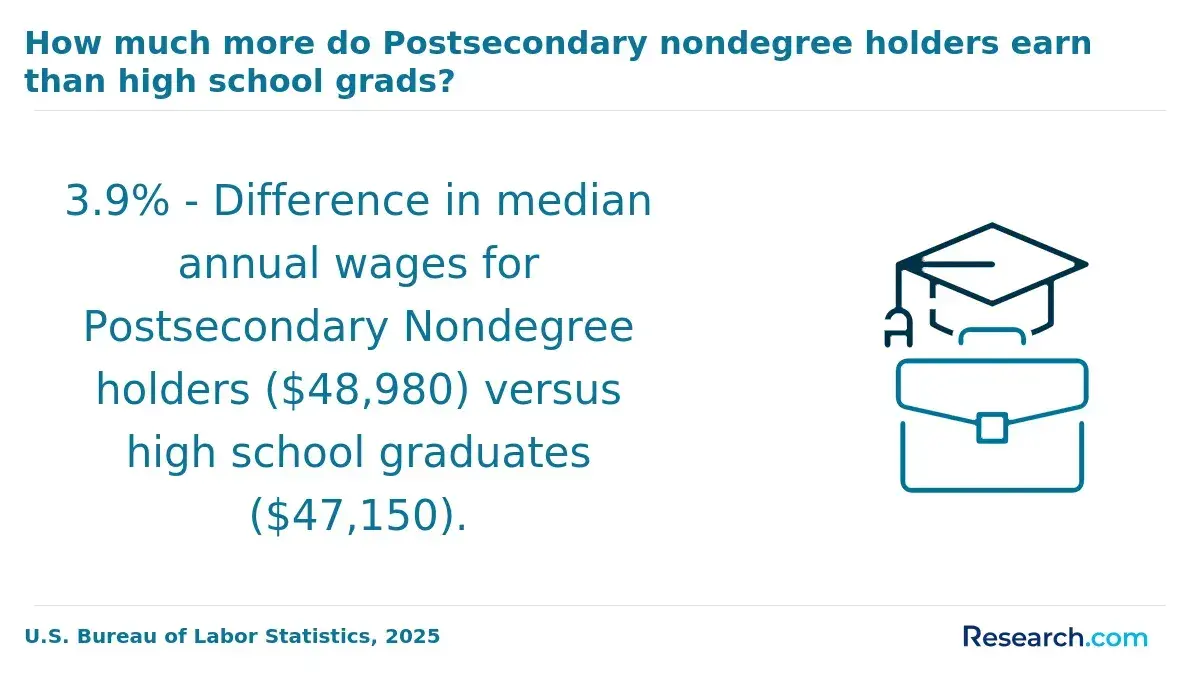
Certified professionals do not share one salary range because pay is determined by occupation, location, experience, shift differentials, union coverage, employer type, and responsibility level. Certification can improve eligibility or credibility, but it does not automatically create a wage premium.
BLS May 2024 occupational medians illustrate the range: heavy and tractor-trailer truck drivers had a median annual wage of $57,440, licensed practical and licensed vocational nurses $62,340, and dental hygienists $94,260. These figures are useful benchmarks for occupations, not promises for new credential holders. Entry-level pay may be lower, and some roles require an associate degree, license, or supervised experience in addition to a certificate.
For a sound ROI estimate, compare likely local entry pay with total out-of-pocket cost and the time you will spend out of the workforce. Then test a conservative scenario that includes slower hiring or an exam retake.
How Do You Choose the Best Certification?
The best certification is the least expensive credible route to your specific next job - not the credential with the most impressive marketing. Start with job postings and licensing rules, then work backward to the required education, exam, experience, and skills.
Use the following process before committing money or time.
- Name the target job title, location, and target employer type.
- Review multiple local job postings to identify recurring required and preferred credentials.
- Confirm whether the credential is a certificate of completion, a certification exam, a license, or an academic degree.
- Calculate total cost, including exams, supplies, travel, renewals, and income forgone during training.
- Verify approval, accreditation, exam eligibility, clinical arrangements, and transferability when those factors apply.
- Ask for written outcomes information, refund terms, schedule details, and the exact services included in tuition.
- Compare a short program with alternatives such as an apprenticeship, community-college certificate, associate degree, or employer-funded training.
Common mistakes include enrolling before checking state eligibility, treating a school certificate as a professional certification, and comparing tuition while ignoring tools or unpaid clinical hours. A credential has stronger ROI when it fits a verified requirement and leaves room for advancement rather than becoming an isolated, nontransferable expense.
Other Things You Should Know About
A certificate is usually awarded after completing a course or academic program. A certification is typically granted by an independent professional organization after a candidate meets standards, often including an exam, experience, and renewal requirements.
Fast ROI is most likely when training is short, costs are controlled, and the credential is directly required or preferred for an available local job. CDL, HVAC-related credentials, selected IT certifications, and some healthcare support pathways can fit that pattern, but requirements and entry pay vary.
Sometimes, but it depends on the occupation. Some well-paid roles require licensing, extensive supervised experience, an associate or bachelor's degree, or prior technical experience in addition to certification. Check the full hiring path rather than relying on a credential name.
Choose a certificate when it meets the entry requirement for your target job and you need a faster, lower-cost route. Choose an associate degree when the occupation requires it, when credits may support future advancement, or when broader coursework improves your long-term options.
References
- Highest Paying Certifications 2025-2026: IT, Cybersecurity, Medical & Career Growth Guide https://www.frontlinesourcegroup.com/blog-certifications-that-pay-the-most.html
- Benchmarking: How To Use It (and When Not To) https://www.qualtrics.com/articles/customer-experience/benchmarking-how-use-it/
- Professional Certifications for Career Growth: What Students and Young Professionals Need to Know https://www.academikamerica.com/blog/professional-certifications-for-career-growth-what-students-and-young-professionals-need-to-know
- Measuring ROI in Medical Affairs https://medicalaffairsspecialist.org/blog/measuring-roi-in-medical-affairs
- 10 Quick Certifications That Lead To High-Paying Jobs | Become With Lantern https://www.learnhowtobecome.org/career-resource-center/quick-certifications-that-pay-well/
- The Importance of Professional Development for Career Growth - EVONA https://evona.com/blog/the-importance-of-professional-development-for-career-growth/
- How to Measure Your Security and Resilience ROI https://www.asisonline.org/security-management-magazine/articles/2025/03/metrics/how-to-measure-roi/
- The Top 5 Certificate Programs for Jobs With Growth Potential | CourseStorm https://www.coursestorm.com/blog/top-certificate-programs-for-jobs
- Why Continuous Learning Matters for Career Growth https://www.cornerstoneondemand.com/resources/article/8-reasons-why-continuous-learning-is-crucial-for-career-growth/
- How to Measure OKR Training ROI on Agile Team Performance | Hyperdrive Agile https://hyperdriveagile.com/articles/okr-training-roi-measuring-certification-impact-on-agile-team-performance-81