2027 Best Online Certificate Programs for Single Parents

Co-Founder and Chief Data Scientist
Choosing training while raising children means weighing more than tuition: you need predictable coursework, credible career value, and support when family needs interrupt study. Online certificates can provide focused, shorter-term training without requiring a full degree, but not every program leads to the same opportunities.
U.S. Bureau of Labor Statistics data released in 2024 projects healthcare support occupations to grow faster than average from 2023 to 2033. This guide helps single parents compare flexible certificate options, recognize licensing limits, estimate costs, and choose a path that fits both family responsibilities and career goals.
Key Things You Should Know
- Choose an asynchronous or mostly asynchronous certificate when childcare and work hours change; scheduled live classes can still work if attendance policies are realistic for your household.
- Credit-bearing community-college certificates may be eligible for federal aid and can sometimes stack into an associate degree, while noncredit career certificates may be faster but usually have different funding and transfer rules.
- Healthcare and skilled-trade certificates can lead toward regulated work, but a certificate alone may not meet state licensing, clinical-hour, apprenticeship, or certification-exam requirements.
Top 10 Best Online Certificate Programs for Single Parents
Popular Trade School Programs
Popular online or hybrid trade-school options include HVAC fundamentals, electrical technology, welding theory, construction management, automotive service, bookkeeping, and information technology support. Hands-on trades such as welding, electrical work, and HVAC usually require in-person labs, supervised fieldwork, apprenticeships, or employer training despite online coursework. Bookkeeping and IT support are more fully online-friendly and can suit parents needing evening study. A short certificate is best for foundational skills or entry-level support roles; choose an associate degree or apprenticeship when the target occupation requires extensive practical training or state-regulated licensure.
Healthcare Programs
Healthcare certificate choices often include medical billing and coding, medical assisting, pharmacy technician, dental assisting, phlebotomy, nursing assistant training, and health information support. Billing and coding may be delivered online, although employers may prefer applicants with an industry certification. Medical assisting, phlebotomy, nursing assistant, and dental assisting programs typically require in-person labs or clinical placements. Before enrolling, confirm whether the school arranges placements near your home and whether your state requires registration, certification, or a state-approved program. An online course cannot replace required clinical practice.
Criminal Justice / Law Programs
Online certificates in criminal justice, legal studies, paralegal studies, court reporting support, victim advocacy, and cybersecurity can build knowledge for administrative or support-oriented roles. A paralegal certificate may be especially useful for someone who already has an associate or bachelor's degree, but employers set their own hiring standards. It does not authorize independent legal practice. Programs preparing students for law-enforcement, corrections, or emergency-dispatch work may still require background checks, physical standards, agency training, or state-specific screening. Ask whether coursework includes legal research software, writing, ethics, and local procedural content.
Arts & Design Programs
Graphic design, digital marketing design, web design, UX fundamentals, photography, video editing, and social media content certificates can be practical online choices because portfolio work can be completed from home. The strongest programs teach current software, copyright basics, accessible design, client communication, and portfolio development. For creative careers, a finished portfolio often matters as much as the certificate name. Parents seeking quick freelance opportunities may prefer a focused noncredit certificate, while those wanting broader design roles may benefit from a credit-bearing certificate that can stack into an associate or bachelor's degree.
What types of online certificate programs work best for single parents' schedules and needs?
The best online certificate for a single parent is usually one with a manageable weekly workload, clear deadlines, limited required live attendance, and a direct connection to a realistic local or remote job target. "Online" does not automatically mean self-paced: some programs use weekly cohorts, timed exams, group projects, or mandatory virtual meetings.
Compare the learning models below before choosing a format. The difference affects childcare planning, completion risk, and how quickly you can progress.
| Format | Best fit | Main trade-off |
| Asynchronous online | Parents with changing work or childcare schedules | Requires self-discipline and may offer less immediate interaction |
| Scheduled online cohort | Parents who benefit from routine and instructor contact | Live attendance can conflict with family emergencies |
| Hybrid certificate | Programs requiring labs, equipment, or clinical practice | Travel and fixed on-site hours require backup childcare |
| Self-paced noncredit training | Adults who need to start quickly and control pacing | May not carry academic credit or meet licensing rules |
For parents who need maximum control over when they study, compare delivery policies carefully; self paced degrees can also be relevant when a longer credential would better serve the career goal. Choose a structured cohort when accountability helps you finish, but choose asynchronous study when missed live sessions would create persistent stress.
Before applying, map each week around school drop-off, work, meals, and a realistic study block. Avoid programs that advertise flexibility without stating assignment deadlines, exam windows, proctoring rules, or required practicum hours.
How do online certificate programs compare to campus options for flexibility and support?
Online certificates can reduce commuting, allow coursework after children are asleep, and make it easier to study from home. Campus programs may offer more immediate access to labs, tutoring, equipment, peer networks, and in-person career services. Neither model is automatically better; the right choice depends on whether the occupation can be taught safely and credibly at a distance.
This comparison highlights the support questions that matter most for a parent balancing education and caregiving.
| Decision factor | Online certificate | Campus or hybrid option |
| Schedule control | Often stronger for lectures and assignments | Usually tied to class and lab times |
| Hands-on preparation | May require local placement or short residencies | Direct access to labs and equipment |
| Childcare disruption | Less travel, but proctored exams may still require quiet time | Travel and fixed attendance increase planning needs |
| Student support | Quality varies; verify response times and virtual advising | May provide easier face-to-face access |
| Networking | Requires deliberate virtual outreach | Often easier through local classmates and employers |
Ask whether instructors hold virtual office hours outside standard work hours, whether tutoring is available online, and how quickly technical support responds. A program with reliable advising, emergency withdrawal options, and recorded lessons can be more valuable than a cheaper option that leaves students to solve problems alone.
How can single parents evaluate accreditation and institutional quality for online certificates?
For a college-issued certificate, verify that the institution holds recognized institutional accreditation and that the credential appears in the school's official catalog. Accreditation matters most when you may seek federal student aid, transfer credit, a degree pathway, or a profession with program-specific approval requirements. A private training provider may offer useful noncredit instruction without institutional accreditation, but it should be transparent about what its credential represents.
Use accredited schools online as a starting point, then independently confirm the school's status through the appropriate accreditor and review the exact program rather than relying on a provider's marketing language.
Look for these quality signals before committing money or time.
- Clear disclosure of whether the credential is credit-bearing, noncredit, undergraduate, graduate, or an industry training certificate.
- A published curriculum, instructor qualifications, total charges, refund policy, completion rules, and technical requirements.
- Written confirmation of any specialized approval needed for clinical education, certification-exam eligibility, or state licensing.
- Career services that describe typical job targets without promising placement, salary, or licensure.
A major red flag is a school that says a program is "accredited" but will not name the accreditor or explain whether the approval applies to the institution, the program, or a separate certification exam. Also be cautious with providers that pressure applicants to enroll before sharing the full cost and withdrawal terms.
What admission requirements and application steps do online certificate programs typically have?
Admission requirements vary by provider and credential type. Community-college certificates may require an application, identity and residency information, placement assessment, high school completion documentation, and prerequisites for technical or healthcare courses. Noncredit professional certificates often require only registration and payment. Advanced certificates may expect prior college coursework or work experience.
Use this sequence to prevent an application from becoming an avoidable time drain.
- Identify the exact job, employer type, or next educational step the certificate is meant to support.
- Confirm the credential level, delivery format, required on-site hours, and start dates.
- Request a written list of prerequisites, technology needs, background-check rules, and clinical or internship conditions.
- Submit financial-aid forms or workforce-funding applications early if the school confirms eligibility.
- Keep copies of transcripts, immunization records, identification, and employer documentation where applicable.
Do not assume a low admissions barrier means an easy program. Healthcare and technical courses can have demanding science, math, software, or compliance requirements. If you hold a bachelor's degree and are considering a graduate-level pivot rather than a short certificate, reviewing easiest graduate degrees may help clarify whether a degree pathway better fits your long-term goal.
How long do online certificate programs take, and what do they cost for single parents?
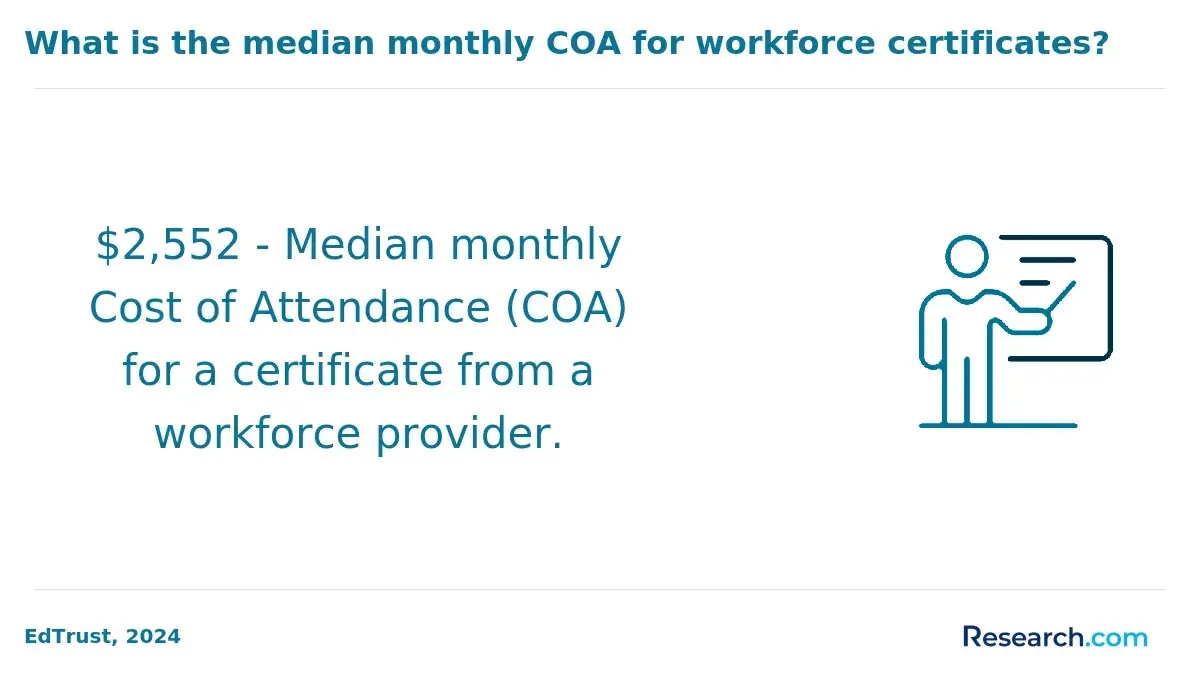
Online certificates can range from a few weeks for focused noncredit training to roughly one year for many credit-bearing college certificates. Programs involving clinical training, labs, apprenticeships, or licensing preparation often take longer because supervised practice cannot be compressed entirely into online coursework. Part-time pacing can be the safer choice for single parents, even when an accelerated option appears faster on paper.
Total cost includes more than tuition. Compare these cost categories in writing so an apparently low-priced program does not exceed your budget.
| Cost category | Why it matters | Question to ask |
| Tuition or course fee | May be charged per credit, term, module, or program | What is the complete published program price? |
| Books and software | Design, IT, and technical programs may require subscriptions or equipment | Which materials are mandatory and which are optional? |
| Exam and certification fees | Often separate from program tuition | Does tuition include one exam attempt? |
| Clinical, lab, or background costs | Common in healthcare and regulated fields | Who pays for screenings, uniforms, travel, and liability requirements? |
| Childcare and lost work time | Can be substantial during fixed labs or placements | How many mandatory daytime hours are required? |
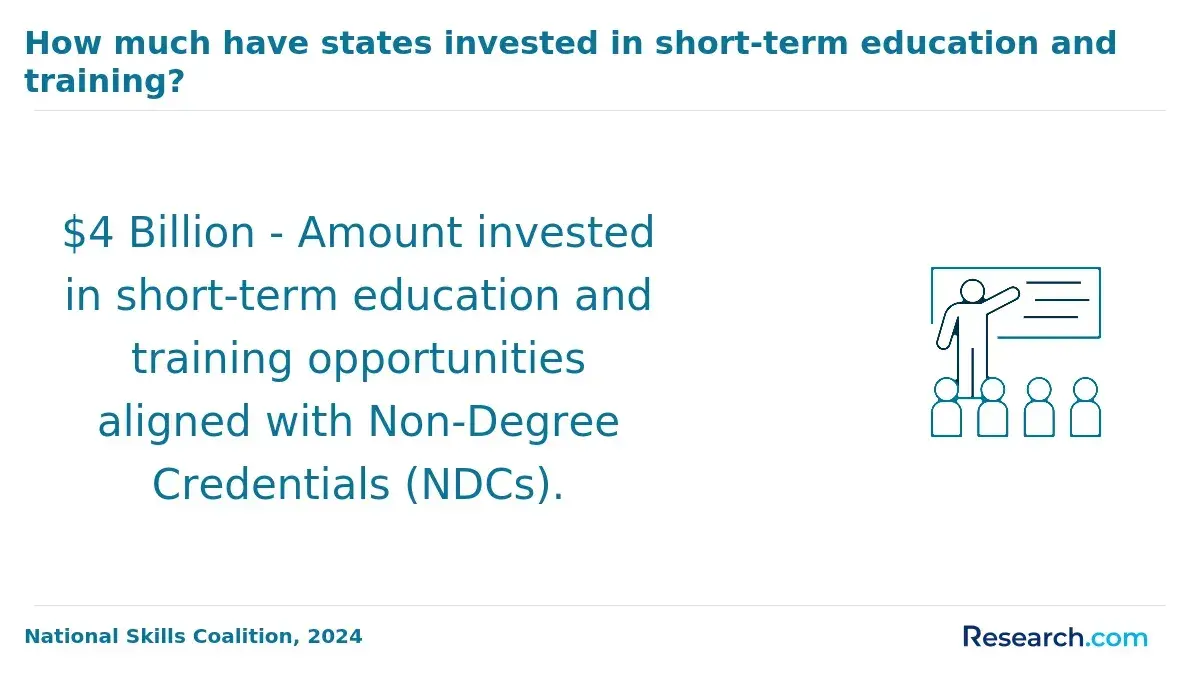
Federal aid eligibility depends on the institution, program length, and whether the certificate meets federal requirements; ask the financial-aid office rather than assuming aid applies. Also investigate employer tuition assistance, state workforce programs, local workforce boards, payment plans, and scholarships for parents. The least expensive option is not always the best value if it lacks required clinical access, exam eligibility, or employer recognition.
What coursework, learning formats, and support services do online certificate programs offer?
Coursework should match the actual tasks of an entry-level role. A credible online certificate may include recorded lectures, readings, quizzes, simulations, software exercises, discussion boards, supervised projects, and assessments. Programs in medical, trade, or laboratory fields may add in-person practical skill checks. Strong programs explain exactly which activities are remote and which are on-site before enrollment.
Single parents should prioritize support that reduces preventable interruptions rather than simply looking for the shortest program.
- Recorded lessons and reasonable assignment windows for unavoidable family conflicts.
- Evening or virtual office hours, tutoring, library access, and responsive technical support.
- Career coaching that includes résumé review, interview preparation, and local employer information.
- Accessible-learning services and a clear process for requesting accommodations when eligible.
- Practicum coordination that discloses location, schedule, transportation, and childcare implications early.
Ask for a sample syllabus and calendar. A common mistake is enrolling based on a broad promise of "online learning" and discovering that exams require remote proctoring, group meetings occur at fixed times, or an externship is unpaid and daytime only.
What careers and entry-level roles can online certificate programs help single parents access?
An online certificate can help a single parent build job-ready knowledge, demonstrate commitment to a field, or meet an employer's preferred training standard. It is most useful when it aligns with a specific entry route: medical billing specialist, pharmacy technician trainee, IT support specialist, bookkeeping clerk, legal assistant, digital content coordinator, customer support specialist, or administrative coordinator. Hiring requirements still vary by employer and location.
This overview separates certificates that may support relatively direct entry from paths that usually need additional authorization or education.
| Career area | Certificate value | Important limitation |
| IT support | Builds foundational troubleshooting and help-desk skills | Employers may also value hands-on experience and industry certifications |
| Medical billing and coding | Teaches terminology, coding systems, and claims workflows | Certification preferences and job requirements vary by employer |
| Paralegal support | Develops research, writing, and legal-office skills | Does not permit practicing law or giving legal advice |
| Digital design | Can create portfolio-ready projects | Portfolio quality and software proficiency remain central to hiring |
| Clinical healthcare support | May satisfy part of a training pathway | State approval, clinical hours, exams, or registration may be required |
Target job postings before selecting a program. Save 10 local or remote postings, identify repeated requirements, and choose training that addresses the skills employers actually list. If postings consistently require a degree, license, or extensive experience, a short certificate may be a first step rather than a complete qualification.
What salary ranges and advancement opportunities are realistic after completing an online certificate?
Salary depends on occupation, location, hours worked, experience, employer, and credentials beyond a certificate. The U.S. Bureau of Labor Statistics reported a median annual wage of $44,200 for medical assistants in May 2024, but that figure describes the occupation overall, not the expected pay of every certificate completer. Use occupational wage data as a market benchmark after confirming that your planned credential can lead to the role in your state.
Advancement is often strongest when a certificate is part of a sequence. An entry-level IT certificate can lead to specialized technology training; a credit-bearing healthcare certificate may lead into an associate degree; and a design certificate can be expanded through a stronger portfolio and client experience. For a longer degree investment, compare fields rather than assuming any credential has the same return; highest paying college majors can provide useful context for parents considering a bachelor's degree later.
Be cautious of salary claims based only on a school's testimonials. Ask for the reporting period, number of graduates included, job titles, employment definition, geographic area, and whether figures include part-time work. A transparent provider will explain the limits of its outcomes data.
How can single parents verify licensing, certification, and exam requirements in their target field?
Licensing, certification, and certificate completion are separate concepts. A school certificate shows that you completed its curriculum. A professional certification is commonly awarded by an outside organization after meeting eligibility rules and passing an exam. A license is legal authorization from a state or other government authority to practice a regulated occupation. Some careers require one, two, or all three.
Verify requirements before paying a deposit, especially for healthcare, trades, education, legal services, and public-safety pathways.
- Find the licensing board, state agency, or certifying organization for the exact job title and state where you plan to work.
- Read current eligibility rules for approved education, clinical hours, examinations, background checks, and renewal.
- Ask the school for written confirmation that its specific program meets the relevant educational requirement, if it claims to do so.
- Confirm whether the program includes exam preparation only or whether completion makes you eligible to apply for the exam.
- Calculate separate expenses for applications, examinations, fingerprints, travel, continuing education, and renewal.
Do not rely on a national advertisement to establish state eligibility. Requirements can change and may differ across state lines, which matters if you expect to move or accept remote work connected to a regulated field.
Other Things You Should Know About
Sometimes. Eligibility depends on the school, whether the program is credit-bearing and approved for aid, enrollment level, and federal or state rules. Contact the school's financial-aid office and ask about federal aid, workforce grants, scholarships, payment plans, and emergency assistance.
Employers generally care most about whether the provider is credible, the curriculum matches job skills, and you can demonstrate competence. For regulated careers, confirm approved training and licensing requirements. For IT and design, projects, portfolios, and industry certifications may carry significant weight.
The fastest option is not necessarily the best one. Short noncredit programs may take weeks, while credit-bearing or clinical certificates can take months or longer. Choose a timeline that includes realistic study hours, childcare coverage, and any required in-person training.
Choose a certificate when you need focused, lower-commitment training for a defined entry role or skill. Choose an associate degree when job postings, licensing rules, or advancement opportunities commonly require broader education. A stackable certificate can be a useful middle ground if its credits apply toward a degree.
References
- The Economic Status of Single Mothers https://www.americanprogress.org/article/the-economic-status-of-single-mothers/
- Parent support services in Alameda County https://alamedakids.org/resource-directory/search-resource-directory.php
- Pursuing Flexible Education as a Single Mom https://blackstone.edu/pursuing-flexible-education-as-a-single-mom/
- Child Well-Being in Single-Parent Families https://www.aecf.org/blog/child-well-being-in-single-parent-families
- Single Parent Scholarship | Organic Formula Shop https://organicformulashop.com/pages/single-parent-scholarship
- Parent Support Groups (Fathers) https://211la.org/services/HxejvWQxouV1G6NDik9KyWASaEpnal/parent-support-groups
- Single Moms Success - Education Design Lab https://eddesignlab.org/project/singlemomssuccess/
- Best Free Online Job Skills Training Options for Single Parents https://singlemomjobsnetwork.com/2023/09/26/best-free-online-job-skills-training-options-for-single-parents/
- School Grants for Single Moms: A-Z To Financial Aid Options https://angelink.com/blog/school-grants-for-single-moms/
- Education Support Services - Education Support Services - Options for Learning https://www.optionsforlearning.org/education-support-services