2027 Best Online Non-Degree Programs With Prior Learning Credit

Co-Founder and Chief Data Scientist
Choosing a short online program is harder when you already have college courses, military training, licenses, or work experience and do not want to repeat material. Online non-degree programs can provide targeted career training, but prior learning policies vary sharply by provider. The U.S. Bureau of Labor Statistics projects medical assistant employment to grow 12% from 2024 to 2034, illustrating why focused healthcare training remains relevant. This guide helps prospective learners compare credit-bearing and noncredit options, assess transferability, verify quality, and select training that fits a realistic career goal.
Key Things You Should Know
- Prior learning credit can reduce required coursework, but it is not automatic: schools commonly evaluate official transcripts, military records, exams, portfolios, and current credentials individually.
- Credit-bearing college certificates are usually the strongest choice when you may later pursue an associate degree or a bachelor's degree; noncredit career training is often faster but rarely transfers.
- Use occupation data cautiously: BLS reports a $44,200 median annual wage for medical assistants in May 2024, but a program certificate alone does not guarantee eligibility, certification, employment, or that wage.
Top 10 Best Online Non-Degree Programs With Prior Learning Credit
Popular Trade School Programs
Online trade programs commonly cover construction management, electrical theory, HVAC fundamentals, welding technology, industrial maintenance, and safety. A credit-bearing certificate may accept prior technical coursework or documented military training; hands-on labs, apprenticeships, and state licensing requirements generally cannot be completed entirely online. Choose online theory courses if you need flexible preparation for an employer-sponsored apprenticeship. Choose a hybrid program when equipment practice is essential. Electrician training is a clear example: coursework can build knowledge, but most states require supervised field experience before licensure.
Healthcare Programs
Common online or hybrid options include medical billing and coding, pharmacy technician, medical assisting theory, health information technology, and patient care certificates. Programs may accept general education transfer credit, especially anatomy, medical terminology, or communications, while clinical placements remain site-based. Confirm whether the curriculum prepares graduates for a separate certification examination and whether your state or employer requires that credential. Fully online training is usually best for administrative healthcare roles; direct-care programs require supervised practice and may have immunization, background-check, and placement requirements.
Criminal Justice / Law Programs
Online non-degree options include criminal justice certificates, legal studies certificates, paralegal certificates, court reporting preparation, and cybersecurity foundations for public-safety settings. Prior college credit in writing, government, psychology, or criminal justice may transfer into academic certificates. A paralegal certificate can develop legal research and document skills, but it does not authorize independent legal practice or make someone an attorney. Learners seeking police, corrections, or legal-support work should check employer hiring standards, background requirements, academy rules, and any state-specific training requirements before enrolling.
Arts & Design Programs
Online certificates in graphic design, digital media, web design, UX foundations, photography, and animation can help learners develop a portfolio without completing a degree. Providers may award transfer credit for comparable college studio courses, but portfolio review and software requirements vary. A short certificate makes sense for career changers who need specific production skills and work samples. It is less suitable for learners who need extensive critique, studio access, or a broad design education. Check whether courses teach current tools, include portfolio feedback, and retain student access to completed projects.
What Are Online Non-Degree Programs?
An online non-degree program is organized education that does not culminate in an associate, bachelor's, master's, or doctoral degree. It may award a college certificate, a continuing-education certificate, a digital badge, or simply proof of completion. The key distinction is whether it carries academic credit.
The comparison below helps distinguish options that can look similar in advertising but serve different goals.
| Program type | Usually credit-bearing? | Best use | Prior learning potential |
| College certificate | Often | Career preparation or a stackable academic pathway | Transfer courses, exams, military credit, portfolio review |
| Continuing education certificate | Usually no | Focused professional development | Provider-specific exemptions or advanced placement |
| Industry training program | Usually no | Preparation for a vendor or certification exam | May waive introductory content based on experience |
A college certificate is generally the better investment if you may continue into a program in college. A noncredit option can be appropriate when an employer values a particular skill, software platform, or exam-preparation course more than academic credits.
How Does Prior Learning Credit Work?
Prior learning credit recognizes learning completed before enrollment. It can shorten a credit-bearing certificate or associate pathway, but the school - not the student - decides equivalency, applicability, and the number of credits accepted. Credit also may apply only as elective credit rather than replacing a required course.
Ask the institution which evidence it evaluates and whether an evaluation occurs before you pay an enrollment deposit. Common evidence includes the following.
- Official transcripts from regionally or nationally accredited colleges, evaluated course by course.
- Credit-by-exam results, such as AP, CLEP, DSST, or institutionally approved challenge examinations.
- Military transcripts and documented occupational training, subject to the school's evaluation policy.
- Professional licenses, industry certifications, or a faculty-reviewed portfolio demonstrating college-level learning.
Do not confuse a waiver with credit. A waiver removes a prerequisite or required class but may not reduce the credits needed to complete the credential. Obtain the decision in writing, including residency requirements and any time limit on older coursework.
Which Programs Accept Transfer Credits?
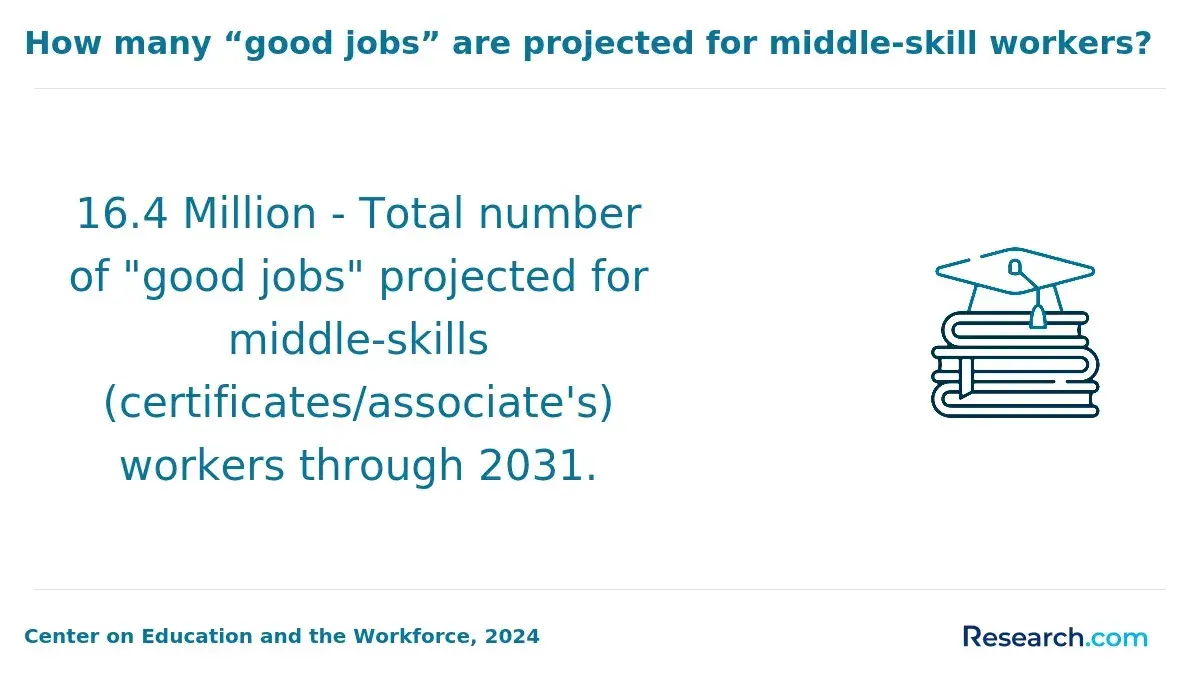
Transfer-friendly programs are most often offered by community colleges, public universities, and accredited private institutions that issue academic credit. General education, business, information technology, healthcare administration, legal studies, and technical certificates commonly have clearer transfer processes than short noncredit programs.
Students who want a longer academic route should ask whether certificate courses apply to an associate degree and eventually to an online bachelor's degree. This is especially important when a short credential is being used as an affordable starting point rather than a final educational goal.
Before applying, compare the receiving school's transfer database or written policy with your transcript. Verify the minimum grade accepted, maximum transfer credits, course-age limits for technical or healthcare subjects, and whether credits count toward the exact certificate - not merely toward institutional electives.
Are These Programs Regionally Accredited?
Not every online non-degree provider is institutionally accredited, and accreditation matters most when you want academic credit, federal aid eligibility, transfer options, or employer confidence in a college credential. In the United States, institutional accrediting agencies recognized by the U.S. Department of Education or the Council for Higher Education Accreditation may evaluate colleges; programmatic accreditation can matter separately in fields such as health education.
Institutional accreditation does not automatically make every certificate transferable, and a reputable noncredit provider may not need institutional accreditation at all. For college-based options, compare the school with other nationally accredited online colleges, then verify the program's credit status and any field-specific approval.
A major red flag is vague language such as "accredited" without naming the accreditor. Also avoid assuming that an online program meets state licensure rules; confirm that directly with the relevant licensing board and the school.
What Courses Do These Programs Include?
Coursework depends on the credential's purpose. Academic certificates may combine introductory major courses with general education, while noncredit programs usually focus narrowly on job tasks or a certification exam domain. Online delivery can work well for lectures, simulations, case studies, and software practice; labs, clinicals, and practicum experiences may require local attendance.
This comparison shows what prospective students should expect to see before deciding whether a curriculum matches their target role.
| Area | Typical online coursework | Possible in-person component |
| Trades | Safety, codes, estimating, technical theory | Labs, equipment practice, apprenticeship |
| Healthcare | Terminology, coding, records, ethics | Clinical practice or externship |
| Legal studies | Legal research, writing, procedure, ethics | Optional internship or local placement |
| Design | Software, visual communication, portfolio projects | Studio work or critique, depending on provider |
Review syllabi, required software, live-session schedules, and assessment methods. A curriculum that promises a job-ready outcome but lacks practical assignments, instructor feedback, or required field experience deserves closer scrutiny.
What Are the Admission Requirements?
Admission requirements range from simple registration to formal college admission. Noncredit courses may require only payment and basic technology access. Credit-bearing certificates often require an application, identification, official transcripts, and placement or prerequisite review. GPA and standardized tests are not universal requirements; schools set their own policies.
Healthcare and public-safety programs can add requirements because of clinical sites, employers, or state rules. Applicants may need immunization records, CPR training, drug screening, a background check, or proof of physical ability. A past record does not always prevent enrollment, but it can affect clinical placement or later employment, so ask about the policy before paying.
Apply early if the program includes a practicum. Admission to coursework does not necessarily guarantee a clinical, internship, or externship placement.
How Long Do These Programs Take?
Completion time depends on credit load, accepted prior learning, prerequisite gaps, and whether a required practicum has a fixed schedule. A short noncredit course may take weeks, while a college certificate commonly takes several months to about a year of part-time study. An associate degree generally requires more credits and takes longer, even when transfer credit is accepted.
Accelerated pacing is useful only when you can consistently meet weekly deadlines and access required labs or placements. Working adults should compare asynchronous course availability, term length, instructor response expectations, and the number of hours required outside class. Prior learning can shorten the academic portion, but it usually cannot replace mandatory clinical hours, supervised apprenticeship time, or residency requirements.
How Much Do They Cost?
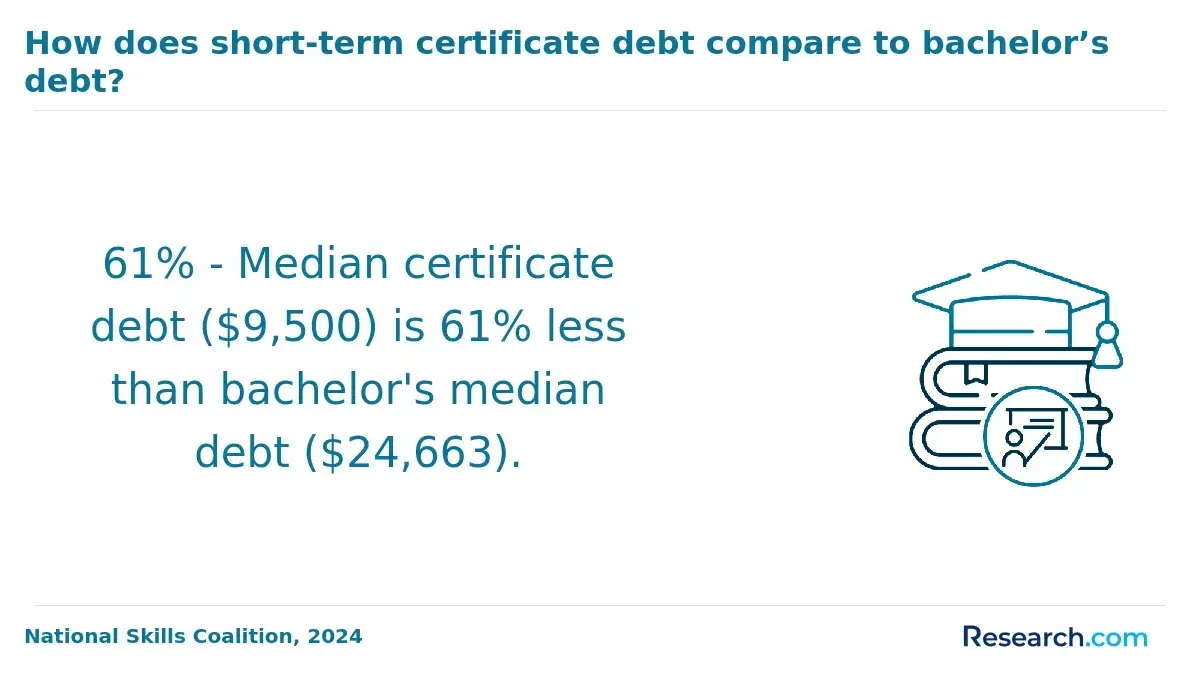
Total cost is more than tuition. Include enrollment and technology fees, books, software, tools, exam fees, background checks, uniforms, travel to labs or clinicals, and lost work time. Credit-bearing programs may have institutional aid options, but eligibility depends on the school, program length, enrollment status, and the student's circumstances; many short noncredit programs are not eligible for federal student aid.
For context, College Board reported average published tuition and fees of $4,050 for in-district students at public two-year colleges in 2024-25. This is a broad benchmark, not the price of a specific online certificate or a measure of total attendance cost.
- Compare a school's per-credit tuition with the number of credits remaining after written transfer evaluation.
- Request a complete estimate that separates tuition, mandatory fees, equipment, exams, and required in-person expenses.
- Ask about employer tuition assistance, workforce grants, installment plans, and refund rules before borrowing.
The lowest advertised tuition is not always the lowest total cost if it excludes essential materials or leads to credits that cannot support your next educational step.
What Careers And Salaries Follow?
Career value depends on the role, local hiring requirements, experience, licensure, and the quality of your work samples or field training - not merely on receiving a certificate. The following BLS May 2024 wage data describe occupations, not expected earnings for every program graduate. Use it to assess the labor-market context of a target role.
| Occupation | Median annual wage, May 2024 | Credential caution |
| Electricians | $62,350 | Typically requires apprenticeship and state licensure. |
| Medical assistants | $44,200 | Employer preferences and certification expectations vary. |
| Paralegals and legal assistants | $61,010 | Employers may prefer a degree, certificate, or relevant experience. |
| Graphic designers | $61,300 | Portfolio quality and experience strongly affect opportunities. |
Choose a certificate when it addresses a specific hiring requirement, supplies demonstrable skills, or stacks into a larger credential. Career changers, including learners considering degrees for seniors, may benefit from starting with one course or a portfolio-focused certificate before committing to a degree. Consider an associate or bachelor's path when target jobs consistently require broader education or advancement depends on a degree.
Other Things You Should Know About
Possibly. Some colleges assess portfolios, licenses, certifications, military training, or challenge exams, but experience alone rarely converts automatically into credit. Ask what documentation is required and whether approved credit applies directly to your program.
They can be worthwhile when the curriculum matches a specific employer need, certification exam, or stackable college pathway. They are less valuable when the provider cannot explain credit status, employer recognition, practical training, or total costs.
Transfer is never guaranteed. Credit-bearing courses from an institutionally accredited college have a stronger possibility of transfer, but the receiving school determines acceptance and how credits apply to its requirements.
Some programs prepare students for certification or licensure pathways, but requirements vary by occupation and state. Confirm clinical placement, board approval where relevant, examination eligibility, and local licensing rules before enrolling.
References
- Top Online Schools That Accept Transfer Credits https://www.edvisorly.com/student-guides/online-schools-that-accept-transfer-credits
- Research Shows Retention Gains Through Credit for Prior Learning https://www.cael.org/resouces/pathways-blog/research-shows-retention-gains-through-credit-for-prior-learning
- Credit for Prior Learning: Why All the Controversy? https://www.higheredtoday.org/2014/06/17/credit-for-prior-learning-whyallthecontroversy/
- Credit for Prior Learning - Definition & Benefits - Planning Your Education https://planningyoureducation.pressbooks.sunycreate.cloud/chapter/what-is-credit-for-prior-learning/
- Best Online Universities With Generous Transfer Credit Policies https://www.collegetransitions.com/blog/best-online-universities-with-generous-transfer-credit-policies/
- Institutions Can Actively Court Students with Alternative Credit Options https://kaplan.com/about/trends-insights/institutions-can-actively-court-students-with-alternative-credit
- Credit for Prior Learning https://www.nunez.edu/admissions/credit-for-prior-learning
- Prior Learning Assessment https://lynx.nhti.edu/academics/academic-policies/prior-learning-assessment/
- Findings (Beyond Transfer) - Public Agenda https://publicagenda.org/resource/beyond-transfer/findings/
- Expanding access with new enhancements to support alternative credit - CollegeSource https://collegesource.com/expanding-access-with-new-enhancements-to-support-alternative-credit/