2027 Best Certifications for Career Growth

Co-Founder and Chief Data Scientist
Choosing a certification is difficult because credentials range from short course certificates to exam-based professional certifications and state-regulated licenses. The U.S. Bureau of Labor Statistics projects healthcare support occupations to grow 15% from 2024 to 2034, faster than the average for all occupations.
This guide helps career changers, new graduates, and working professionals compare high-value credentials by time, cost, employer recognition, and realistic career fit, so you can invest in training that supports your actual next step.
Key Things You Should Know
- Fast career growth usually comes from credentials tied to a specific hiring requirement: a license, an industry certification exam, or supervised clinical training, not from a generic completion certificate alone.
- Healthcare, skilled trades, IT, project management, and compliance credentials can be practical options, but eligibility, state rules, hands-on requirements, and renewal costs vary widely.
- Compare total cost, required experience, exam fees, renewal obligations, and local job postings before enrolling. The lowest tuition option is not always the fastest path to employability.
Top 10 Best Certifications for Career Growth
Popular Trade School Programs
Trade-school certificates and associate degrees prepare learners for hands-on work in construction, repair, manufacturing, and transportation. Common options include HVAC technician, electrician, welding, plumbing, automotive technology, diesel technology, and commercial driver training.
A short certificate can teach entry-level skills, while an associate degree usually adds general education and may support advancement. Many trade careers require an apprenticeship, employer training, or state license after school. Choose programs with substantial lab time, current equipment, and clear preparation for the credential required in your state.
Healthcare Programs
Healthcare certificates include medical assisting, practical nursing, phlebotomy, pharmacy technician, dental assisting, surgical technology, and medical billing and coding. These are educational certificates, while credentials such as CNA, CMA, or certification examinations are separate requirements set by states or certifying bodies.
Clinical placements are essential for patient-care programs and cannot usually be completed fully online. An associate degree is commonly needed for registered nursing and many allied-health pathways. Verify that a program meets your state's licensing or examination eligibility rules before paying a deposit.
Criminal Justice / Law Programs
Criminal justice and law-related certificates may focus on paralegal studies, legal assisting, homeland security, corrections, cybersecurity investigations, or public safety administration. A paralegal certificate can be useful for people who already hold a degree or want focused legal-office preparation, but it does not authorize someone to practice law.
Associate degrees can provide broader preparation for entry-level public safety or legal-support roles. Police, corrections, and security positions often have separate agency screening, physical, background, and academy requirements that no academic certificate can replace.
Arts & Design Programs
Arts and design certificates commonly cover graphic design, digital media, UX design, photography, animation, web design, and interior design fundamentals. These programs can build technical software skills and a portfolio more quickly than a degree, especially for career changers.
However, employers often evaluate work samples as closely as credentials. An associate degree may offer more studio practice and broader design foundations. Before enrolling, inspect student portfolios, software access, instructor experience, and whether the curriculum reflects the type of work you want, such as branding, product design, or motion graphics.
Which certifications boost salaries fastest?
The fastest salary gains usually come when a credential removes a concrete barrier to a better-paying role: required licensure, a recognized technical exam, or proof of skills that an employer already needs.
It is important not to confuse an occupation's pay with the outcome of earning one credential. Salary depends on location, experience, employer, shift differentials, and whether you qualify for the role.
The comparison below highlights certifications and credential paths that can improve access to in-demand work. BLS occupational wage figures are national medians for the occupation, not earnings guarantees for certificate holders.
| Credential or path | Typical entry point | Salary context | Important limitation |
| Commercial driver's license (CDL) | State knowledge and skills testing after training | Heavy and tractor-trailer truck drivers had a $57,440 median annual wage in May 2024. | Pay depends heavily on route type, endorsements, safety record, and time away from home. |
| CompTIA Security+ | Entry-level cybersecurity or IT support candidate | Information security analysts had a $124,910 median annual wage in May 2024. | Security+ alone does not typically qualify a beginner for analyst roles; employers often expect experience. |
| Project Management Professional (PMP) | Experienced project professional | Project management specialists had a $100,750 median annual wage in May 2024. | PMP requires documented project-management experience and is not a beginner credential. |
| Practical nursing license | Graduate of an approved practical-nursing program | Licensed practical and licensed vocational nurses had a $62,340 median annual wage in May 2024. | Completion of a nursing program must be followed by required licensing steps. |
For a rapid move, prioritize credentials linked to jobs you can realistically enter now. Candidates without IT experience may benefit more from a support-focused certificate or help-desk role before pursuing advanced cybersecurity credentials. If your goal requires a broader academic foundation, compare good degrees to get alongside short-term credential options.
Which certifications have the strongest job outlook?
Credentials connected to healthcare delivery, cybersecurity, skilled infrastructure work, and data-driven business operations tend to align with persistent employer demand. The strongest option is not automatically the field with the highest projected growth; it is the one where you can meet entry requirements and where local employers are hiring.
BLS 2024-2034 projections provide useful national direction, although they cannot predict openings in a particular city or guarantee hiring. These occupations show why certain certification paths receive sustained attention.
| Occupation connected to the path | 2024-2034 projected growth | Relevant training route | What to verify |
| Information security analysts | 29% | IT foundations, security certifications, and experience | Whether postings seek entry-level support staff or experienced security analysts |
| Nurse practitioners | 40% | Graduate nursing degree and advanced practice licensure | This is not a short-certificate route |
| Wind turbine service technicians | 50% | Technical certificate or associate degree plus employer training | Travel, climbing, weather exposure, and regional job availability |
| Medical and health services managers | 23% | Degree plus healthcare or administrative experience; some pursue certifications | Most management roles require experience beyond an entry credential |
AI adoption is changing task expectations in technology, marketing, design, and office work. The durable choice is a credential that demonstrates applied judgment, regulated knowledge, fieldwork, or technical troubleshooting - not merely familiarity with one software tool.
Which certifications are easiest to earn online?
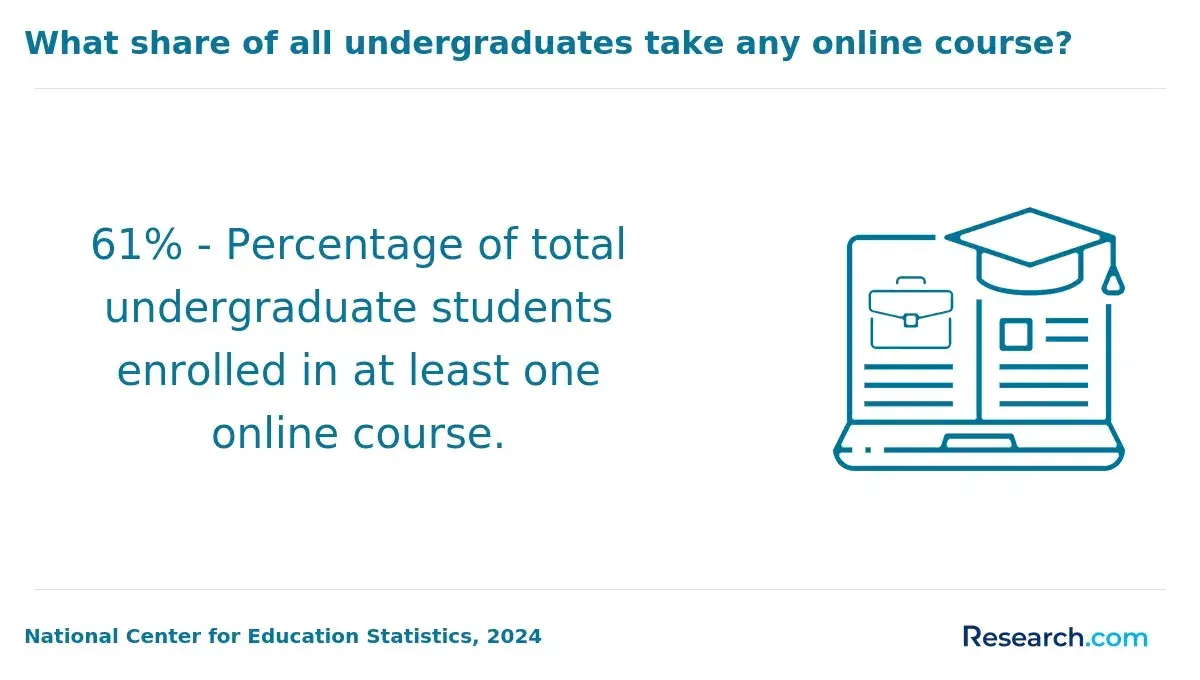
The easiest certifications to complete online are generally exam-based or knowledge-focused credentials with no clinical, laboratory, driving, or supervised field requirement. Examples include Google Career Certificates, CompTIA IT Fundamentals+, AWS Certified Cloud Practitioner, Salesforce Administrator, Microsoft fundamentals credentials, and some bookkeeping or project-management certificates.
"Easy" should mean accessible, not automatic. Online self-paced programs can be convenient, but they require independent scheduling and may not include live coaching, internship placement, or employer connections. A completion certificate from a course provider can demonstrate learning, while an industry certification usually requires passing a separate proctored examination.
Online learning is a strong fit when the target job is remote-friendly and employers recognize the provider or exam. It is a weak fit for occupations requiring clinical hours, equipment practice, physical skills testing, or state-approved instruction. Learners seeking a longer online academic route can also compare easy bachelor degrees online before choosing a short credential.
Which certifications require prior experience?
Advanced professional certifications are designed to validate practice, not replace it. They can be valuable after you have built a foundation, but paying for them too early is a common and expensive mistake.
The following credentials typically involve experience requirements or are most useful after relevant work exposure.
- PMP requires a combination of project-management education and documented experience leading or managing projects, with requirements varying by educational background.
- CISSP is an advanced cybersecurity certification that requires qualifying professional experience for full certification.
- Certified Public Accountant licensure requires education, examination, and experience requirements set by each state board.
- SHRM-CP can be pursued early in an HR career, but higher-level HR credentials and many HR jobs favor substantial professional experience.
- Advanced cloud, networking, and security certifications may not always mandate experience, but employers commonly treat them as evidence of skills built through real work.
Before registering, read the issuing organization's eligibility rules rather than relying on course advertisements. If you are new to the field, start with an entry credential, volunteer project, internship, apprenticeship, or support role that creates the experience required for advanced certification.
How much do top certifications cost?
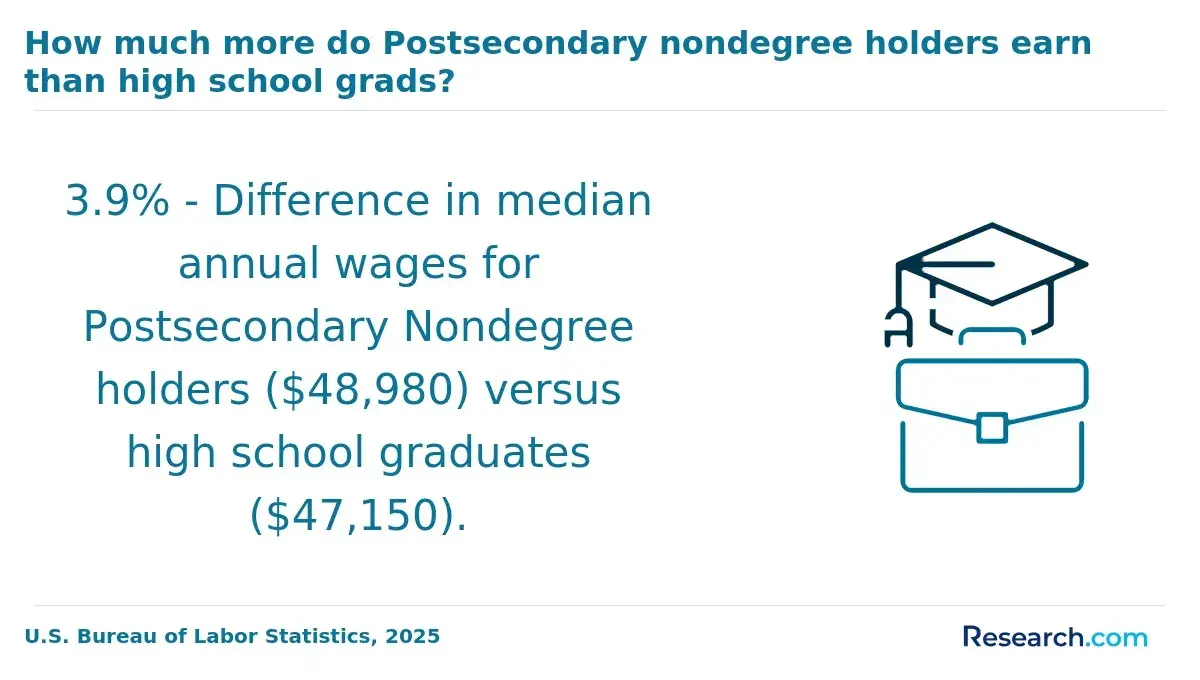
Total cost is more than tuition or an exam voucher. Budget for training, books, practice tests, required equipment, background checks, clinical supplies, transportation, licensing fees, and recertification. Employer reimbursement can materially change the value calculation for industry certifications.
These ranges are planning estimates rather than universal prices because providers, locations, preparation choices, and state fees differ. Request a written total-cost breakdown before enrolling.
| Credential category | Common cost pattern | Costs often missed | Value consideration |
| Entry-level IT certification | Often a few hundred dollars for an exam, plus optional training | Retake fees, labs, practice materials, renewal | Best when paired with a portfolio, home lab, or entry-level job search |
| Healthcare certificate program | Often several thousand dollars depending on length and clinical requirements | Uniforms, immunizations, background checks, exam and license fees | Confirm state approval and clinical placement before comparing price |
| Skilled-trade certificate | Often several thousand dollars, with significant variation by equipment and program length | Tools, protective gear, testing, transportation | Apprenticeships may offer a lower-upfront-cost alternative |
| Advanced professional certification | Exam, membership, and preparation can collectively cost hundreds or thousands | Renewal, continuing education, and lost work time | Usually makes more sense after meeting experience requirements |
Do not assume federal student aid applies to every short program. Eligibility depends on the institution and program structure. Ask whether the offering is credit-bearing, whether aid is available, and whether an employer, workforce agency, union, or veterans' education benefit can help cover eligible costs.
How long does each certification take?
Completion time ranges from days for a foundational exam to multiple years for a license-qualifying program. The relevant timeline is the time to become employable, which can include preparation, required clinical or field hours, examination, and state processing - not just classroom time.
This timeline comparison helps separate quick skills validation from credentials that require a longer professional pathway.
| Pathway | Typical learning timeline | Time after training | Best use |
| Foundational technology certification | Weeks to a few months | Schedule and pass the certification exam | Testing interest in IT, cloud, or cybersecurity |
| Career certificate in business or digital skills | Usually months, often self-paced | Build work samples and begin applying | Career exploration or targeted upskilling |
| Trade certificate | Several months to about a year | Possible apprenticeship, employer training, or licensing | Hands-on technical entry paths |
| Practical nursing program | Commonly about one year | Pass licensing examination and meet state requirements | Patient-care career entry |
| Advanced certification such as PMP or CISSP | Exam preparation may take months | Eligibility depends on prior qualifying experience | Career advancement, not first entry |
A faster program is worthwhile only if it includes the exact preparation employers or regulators require. For graduate-level advancement, compare the quickest cheapest master's degree options with advanced certifications; a master's may be more appropriate for leadership, clinical, or specialized roles.
Which certifications are best for beginners?
The best beginner certification has clear entry requirements, recognizable value in job postings, and a manageable way to practice the underlying skills. It should not require you to already have the experience the credential is meant to validate.
Good beginner options include a state-approved CNA pathway where healthcare support work fits your goals, CompTIA A+ for basic IT support, Google Career Certificates for structured exposure to business or digital roles, an entry-level cloud fundamentals exam, basic bookkeeping training, or an OSHA safety credential when it is relevant to a trade job. A CDL can also be a direct route for eligible drivers who are comfortable with the work conditions.
A beginner should avoid choosing an advanced credential simply because its job title sounds lucrative. Instead, review 15 to 20 local job postings and identify the credential, experience level, software, license, and schedule requirements that recur. If a degree is needed later, investigate schools with online colleges free application options to reduce the cost of exploring academic pathways.
How do you choose an accredited certification program?
First, determine whether you need institutional accreditation, programmatic accreditation, state approval, or an industry-recognized examination. The right standard depends on the field. A short vendor certification may not involve a college at all, while nursing and other regulated healthcare programs may need state approval and specialized accreditation to support licensure eligibility.
Use these steps to evaluate a program before committing money or time.
- Identify the exact role you want and review local job postings for required licenses, certifications, degrees, and experience.
- Confirm who awards the credential: a college, a vendor, a professional association, a state board, or an employer.
- Ask whether the program is credit-bearing, whether credits can transfer, and whether it stacks into a certificate, associate degree, or bachelor's degree.
- Verify any institutional accreditation through an appropriate recognized accreditor and check programmatic or state approval when the occupation is regulated.
- Request the full cost, refund policy, completion requirements, exam pass-rate methodology if advertised, and all fees outside tuition.
- Confirm whether online students receive required labs, clinical placements, proctoring, career support, and eligibility for local licensure.
Red flags include vague claims of "accreditation" without naming the accreditor, pressure to enroll immediately, promises of guaranteed jobs or salaries, and a curriculum that never identifies the required external examination or license. A credible provider will explain limitations plainly.
Which certifications match your career goals?
Match the credential to the barrier between you and the next job. A certificate program is usually best for structured learning and career preparation.
Meanwhile, an industry certification is best for proving knowledge against an external standard. A license is required for certain regulated occupations; and an apprenticeship is often the strongest route for skilled trades because it combines paid work with training.
Use this simple decision framework:
- Choose a short online certificate when you need foundational skills, a portfolio, or a low-risk way to test a career direction.
- Choose an industry certification when job postings repeatedly name a vendor or professional credential and you can meet its eligibility requirements.
- Choose a community-college certificate or associate degree when the role requires labs, clinical practice, equipment access, or a pathway toward further education.
- Choose an apprenticeship when you want paid, supervised trade training and the occupation commonly uses that model.
- Choose a bachelor's or graduate degree when the target role requires one for entry, promotion, licensure, or competitive advancement.
The most useful final check is to contact several local employers or alumni and ask whether they hire candidates with your intended credential. Their answer can reveal whether a certification is sufficient for entry, merely preferred, or valuable only after you gain experience.
Other Things You Should Know About the Best Certifications
A certificate is an educational award for completing a course or program. A certification is usually awarded by an industry association, vendor, or certifying body after you meet standards such as passing an exam, documenting experience, or maintaining continuing education.
They can be, particularly in skilled trades, transportation, IT support, healthcare support, and certain business functions. Their value depends on whether employers recognize the credential and whether you meet all other job requirements, such as experience, licensing, or background screening.
Possibly, especially for knowledge-based roles where an online credential is paired with a portfolio, projects, or relevant experience. Fully online training is generally insufficient for careers requiring clinical practice, laboratory work, hands-on skill assessment, or state-approved instruction.
Many professional certifications require renewal through continuing education, retesting, fees, or proof of ongoing work. Educational certificates usually do not expire, but the skills or software taught may become outdated, and employers may prefer current credentials.
References
- The Ultimate Guide to IT Certifications: Which Path Is Right for Your Tech Career? - ONLC https://www.onlc.com/blog/it-certifications-guide/
- Top Business Certifications: 10 Best Business Certifications to Advance Your Career in 2026 https://www.ucertify.com/blog/top-business-certifications-best-business-certifications/
- Highest Paying Certifications 2025-2026: IT, Cybersecurity, Medical & Career Growth Guide https://www.frontlinesourcegroup.com/blog-certifications-that-pay-the-most.html
- 10 Quick Certifications That Lead To High-Paying Jobs | Become With Lantern https://www.learnhowtobecome.org/career-resource-center/quick-certifications-that-pay-well/
- Top Paying Certifications for 2024 https://impactbusinessgroup.com/top-paying-certifications-for-2024/
- The Impact of Certifications on Earnings across States and Occupations - LMI Institute https://www.lmiontheweb.org/the-impact-of-certifications-on-earnings-across-states-and-occupations/
- Why More Employers Are Looking for Candidates With Certifications and Specialized Skills https://paloaltou.edu/resources/translating-research-into-practice-blog/why-more-employers-are-looking-for-candidates-with-certifications-and-specialized-skills/