
2027 Berkeley MIDS vs. Harvard Extension Data Science and AI ALM: Cost, Curriculum, Admissions, and Format

Co-Founder and Chief Data Scientist
Berkeley's Master of Information and Data Science (MIDS) and Harvard Extension School's Data Science and AI Master of Liberal Arts (ALM) both offer graduate study for working adults, but they ask students to make different commitments.
Berkeley emphasizes a cohort-based online experience; Harvard Extension offers a more flexible course-selection model with an on-campus component to plan for. This comparison helps prospective students weigh academic fit, the full cost of attendance, admission routes, and scheduling before choosing where to apply.
Key Things You Should Know
- Choose Berkeley MIDS if a structured, live online cohort and an integrated data science curriculum are worth the potentially greater scheduling commitment.
- Choose Harvard Extension's ALM if course-selection flexibility and its earn-your-way-in admissions route better fit your circumstances - but confirm how you will complete the campus requirement.
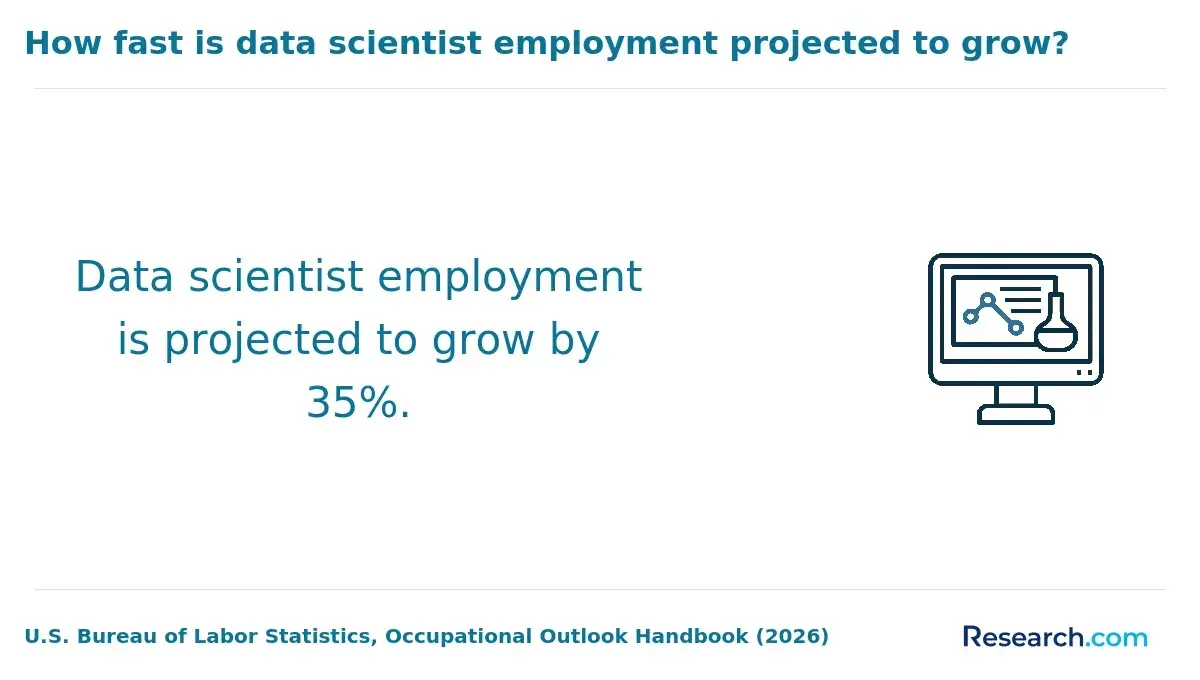
- Neither degree has a reliable, program-specific salary guarantee. Compare current written cost estimates and required travel before judging value; the U.S. median wage for data scientists was $120,230 in May 2025, not an expected graduate salary.
How Do Berkeley MIDS and Harvard Extension Data Science and AI ALM Compare?
The central difference is program structure, not whether either institution teaches data science. Berkeley MIDS is a dedicated professional degree from Berkeley's School of Information. Harvard Extension's program is an ALM within its continuing-education school. The table separates those distinctions from details that require a current program-level confirmation.
| Decision criterion | Berkeley MIDS | Harvard Extension Data Science and AI ALM |
| Academic model | Integrated professional data science program | Graduate coursework within an Extension School ALM framework |
| Admission route | Application reviewed before enrollment | Qualifying coursework is part of the earn-your-way-in route |
| Online experience | Live online instruction is central to the program | Course delivery varies; an on-campus requirement affects planning |
| Best initial fit | Students seeking a coordinated cohort experience | Students who value course choice and want to demonstrate readiness through coursework |
Compare required courses, not just degree names. If you are also considering adjacent credentials, master's degree programs in data analytics provide another point of comparison, especially when your target work emphasizes business analysis over building data systems.
Which Program Offers the Better Data Science Curriculum?
Neither curriculum is universally better. Berkeley's integrated MIDS design is more appealing if you want a planned progression across computing, statistics, machine learning, and applied work. Harvard Extension may be more appealing if you want to shape an approved course plan around particular methods or applications. Flexibility, however, makes course availability and prerequisite sequencing more important to check.
Judge technical depth by examining the current required-course list, elective rotation, and project expectations. An AI course title alone does not establish how much model evaluation, deployment, or responsible use students practice. If governance is a career priority, compare AI master's ethics and governance options alongside the specific syllabi at both schools.
How Much Do Berkeley MIDS and Harvard Extension ALM Cost?
A defensible 2026 price comparison needs each school's current tuition schedule, required fees, and your actual course load. A comparable, verified total for both programs is not established here, so a precise dollar difference would be misleading. In particular, do not compare Berkeley's full-program estimate with Harvard's price for one course.
Build two all-in estimates using the same categories. This table identifies costs that can change the decision even when published tuition looks straightforward.
| Cost component | What to confirm for Berkeley MIDS | What to confirm for Harvard Extension ALM |
| Tuition and mandatory fees | Current total for your required units and enrollment pace | Current total for required courses, including any different course rates |
| Travel and campus costs | Any required in-person activities and associated travel | How the on-campus requirement can be met, plus travel and lodging |
| Other costs | Materials, equipment, financing, and any lost work time | Materials, equipment, financing, and any lost work time |
Request a written estimate that states what is included, when tuition may change, and whether employer reimbursement applies to courses taken before formal admission. For funding routes and questions to raise with each aid office, see financial support for data science graduate students. Sticker price alone is not the amount you will necessarily pay.
What Are the Admission Requirements for Each Program?
Berkeley MIDS uses an application-based admissions process; Harvard Extension's ALM uses an earn-your-way-in process in which applicants demonstrate performance in specified courses. The difference matters if your earlier academic record does not fully reflect your current abilities: qualifying coursework can provide direct evidence of readiness, but it also requires an upfront investment without a promise of admission.
Check each school's current rules before registering or applying. In particular, confirm the required preparation in programming and quantitative work, the exact qualifying courses and grades for Harvard, and Berkeley's current application materials and deadlines. Do not assume professional experience waives a formal requirement. If an admissions essay is a deciding obstacle, machine learning master's programs without an admissions essay offer a separate set of options to investigate; their requirements should not be assumed to apply to either degree here.
How Do the Online Formats and Campus Experiences Differ?
Berkeley MIDS is built around live online learning, making meeting times and group work important for students with fixed work schedules or distant time zones. Harvard Extension courses can have different delivery modes, and its campus requirement means "online" should not be read as "never travel." Confirm the currently permitted ways to satisfy that requirement before committing to a course plan.
Ask both programs for sample weekly schedules, live-attendance expectations, project-team arrangements, and the dates of any required in-person activity. A flexible course catalog is less useful if the course you need is offered only at a time - or in a format - you cannot attend.
How Long Does Each Data Science Master's Program Take?
Elapsed time depends on enrollment pace, course availability, and each program's completion rules; neither school's quickest advertised path should be treated as your personal graduation date. Berkeley's coordinated curriculum may make sequencing easier to anticipate. Harvard's course-choice model may let you adjust your pace, but prerequisite and campus-course timing can affect the finish date.
Before choosing, map every required course against the terms in which you can study. Ask how leaves, reduced course loads, and missed required courses change both the completion date and total cost. This is especially important if employer reimbursement resets annually or you expect a job change.
What Courses and Technical Skills Does Each Program Teach?
Both programs are relevant to statistical analysis, programming, and machine learning, but the skills you actually develop depend on the required courses and the electives you take. Berkeley's professional-program structure is worth examining for its connections among data preparation, modeling, communication, and applied projects. At Harvard Extension, examine your proposed course combination rather than assuming every available AI or advanced-methods elective will fit your schedule.
For a target job, compare syllabi against its tasks: writing reproducible code, evaluating models on appropriate data, explaining uncertainty, and handling privacy or bias. Ask to see the scope of a culminating project or substantial course project. A portfolio-ready piece of work is more useful than a course title when you need to show an employer what you can do.
What Careers and Salaries Can Graduates Expect?
Either degree can support applications for data science and related analytics roles, depending on a student's prior experience and demonstrated skills. The U.S. Bureau of Labor Statistics reports a $120,230 median annual wage for data scientists in May 2025. That is an occupational median across workers - not an entry-level offer, either program's graduate outcome, or evidence that enrolling will cause a salary increase.
When evaluating a school's career claims, look for the graduate cohort measured, response rate, previous work experience, location, and whether reported pay is a salary level or a change in pay. Ask each program for career support available specifically to its students. If comparable program-level outcomes are unavailable, base your financial decision on a conservative budget and your realistic next role rather than an assumed data scientist salary.
How Do Accreditation and Degree Recognition Compare?
Berkeley and Harvard University are established universities, but their degrees have distinct institutional homes and names. Berkeley MIDS is a Master of Information and Data Science awarded through Berkeley. The Harvard option is a Harvard Extension School Master of Liberal Arts; applicants should verify the current official degree title and field designation as they will appear on the diploma and transcript.
Do not describe the Harvard ALM as a degree from a different Harvard graduate school, or assume employers will interpret the two credentials identically. For a regulated job, employer tuition policy, or further study, verify the exact credential and any applicable requirements directly with the organization making the decision. Institutional recognition does not substitute for evidence of the technical work you can perform.
Which Program Should You Choose for Your Career Goals?
Choose Berkeley MIDS if you want a coordinated professional curriculum, live interaction, and a cohort-centered experience - and can accommodate its schedule and confirmed total cost. Choose Harvard Extension's ALM if you value constructing an approved course path, prefer an admissions route based on qualifying coursework, and can meet the campus requirement without disrupting work or finances.
Before paying an application fee or enrolling in a qualifying course, obtain the current curriculum, a personalized total-cost estimate, and a feasible term-by-term schedule from each school. Then compare the projects you could complete with the skills in your target job postings. A common mistake is paying for the more attractive institutional name without checking those practical constraints. If neither estimate fits your budget, AI master's tuition and career outcome comparisons can help you examine lower-cost alternatives without assuming that a lower price or reported salary proves better value.
Other Things You Should Know About Data Science
Do not assume that a particular bachelor's major automatically qualifies or disqualifies you. Compare your programming and quantitative preparation with each program's current requirements, and ask admissions how gaps can be addressed.
Experience may strengthen an application or help you succeed, but it should not be treated as a waiver unless the program explicitly allows one. Confirm credit and prerequisite policies before relying on work experience.
Do not assume an internship is required or guaranteed. Ask what internship support is available, whether your work schedule permits one, and whether applied course projects can meet your portfolio goals instead.
Possibly, subject to instructor rules and your employer's confidentiality and data-use policies. Obtain permission before using company data, and plan for a public-data alternative if your work cannot be shared.
References
- Data Science and Artificial Intelligence Master's Degree Program | Harvard Extension School https://extension.harvard.edu/academics/programs/data-science-artificial-intelligence-graduate-program/
- Curriculum - MU Institute for Data Science and Informatics https://muidsi.missouri.edu/academic-programs/m-s-data-science-and-analytics-program/masters/curriculum/
- Data Science and Society (DATA) - UNC Catalog https://catalog.unc.edu/courses/data/
- Data Science and AI Courses | du.edu https://ritchieschool.du.edu/data-science/courses
- Course Modes & Definitions - Office of the University Registrar https://registrar.washington.edu/classrooms/course-modes/
- What's the Difference Between Asynchronous and Synchronous Learning? | Ohio State Online https://online.osu.edu/content-hub/blogs/whats-the-difference-between-asynchronous-and-synchronous-learning/
- MS in Data Science, Curriculum & Specializations | Northwestern University https://sps.northwestern.edu/masters/data-science/curriculum-specializations.html


