2027 Best Online Career Training Programs for Military Spouses

Co-Founder and Chief Data Scientist
Military moves, irregular schedules, and state licensing rules can make career planning difficult. The right online career training program can build portable skills without requiring a long campus commitment. This guide is for military spouses comparing certificates, noncredit training, certifications, and associate-level pathways.
It explains which options travel well, what MyCAA may cover, how online learning compares with campus programs, and how to avoid programs that do not lead to a recognized credential or realistic job target. The U.S. Bureau of Labor Statistics projects healthcare support occupations to grow faster than average from 2023 to 2033, making portable healthcare-adjacent training especially worth evaluating.
Key Things You Should Know
- Prioritize portable, employer-recognized skills: billing and coding, IT support, bookkeeping, paralegal support, and digital design can often move with you, while many hands-on trades and licensed healthcare roles have state-specific requirements.
- Eligible spouses may receive up to $4,000 in MyCAA financial assistance, subject to current program rules, approved-provider status, and an education-and-training plan; confirm eligibility before paying a deposit.
- Compare the credential outcome, not just course length: a school certificate, an industry certification exam, an associate degree, and a license prepare learners for different opportunities and are not interchangeable.
Top 10 Best Online Career Training Programs for Military Spouses
Popular Trade School Programs
Online trade-related training works best for knowledge-based or hybrid paths, not occupations requiring extensive shop hours. Options include HVAC fundamentals certificates, construction estimating, drafting with CAD, electrical theory, project coordination, and logistics certificates.
A certificate teaches a defined body of coursework; it may prepare learners for an employer assessment or industry exam but does not automatically create a journeyman license. Choose hybrid training when a trade requires labs, supervised practice, or apprenticeship hours. Military spouses seeking maximum portability may find estimating, CAD, or supply-chain roles easier to continue after a move than local field work.
Healthcare Programs
Common online or hybrid options include medical billing and coding certificates, pharmacy technician training, medical assisting certificates, health information technology associate degrees, and patient-care coordination training. Billing and coding can be largely online, although employers may prefer national certification such as CPC or CCS after training.
Medical assisting and pharmacy technician pathways often require clinical externships and may face state-specific rules. A health information technology associate degree is usually credit-bearing and can be broader than a short certificate. Before enrolling, verify clinical placement support, certification-exam preparation, and whether the credential meets the rules where you expect to live.
Criminal Justice / Law Programs
Military spouses can consider legal studies certificates, paralegal certificates, criminal justice associate degrees, legal transcription training, and court-reporting prerequisites. A paralegal certificate may be useful for office-based legal support, but it does not authorize someone to practice law or guarantee eligibility for every employer's paralegal role.
ABA approval is relevant to some paralegal programs but is not universal or required for all legal-support jobs. Criminal justice degrees can support administrative, compliance, records, and security-related work, though many sworn law-enforcement positions require local hiring processes, physical standards, and academy training.
Arts & Design Programs
Flexible choices include graphic design certificates, UX/UI design training, digital marketing certificates, web design, video editing, and photography business courses. Portfolio quality usually matters more than a school label in creative hiring, so select a program that includes feedback, usable project work, and software instruction aligned with current employer tools.
A short noncredit program can build targeted skills quickly, while an associate degree may provide broader design foundations and general education credits. These fields suit spouses who can develop remote freelance or contract work, but earnings can vary substantially with experience, portfolio strength, and local demand.
What types of online career training programs work best for military spouses?
The best online career training programs for military spouses are flexible, portable, and tied to a clearly recognized job outcome. Strong options usually combine asynchronous coursework with live support, short terms or self-paced pacing, transferable digital skills, and practical career services.
Fully online programs fit administrative, technology, business, and design work; hybrid programs are often necessary for clinical, laboratory, or hands-on trade training.
Choose the delivery model based on the work itself rather than convenience alone. Spouses balancing deployments or caregiving may also compare best accredited self-paced online colleges when they need more control over deadlines:
| Program type | Best fit | Key limitation |
| Noncredit career training | Fast skill building for entry-level or software-specific work | May not transfer for college credit or qualify for federal aid |
| College certificate | Focused, credit-bearing study with possible stackability | Course availability can slow completion after a move |
| Industry certification preparation | Fields with recognized exams, such as IT or coding | Training completion is separate from passing the certification exam |
| Associate degree | Broader preparation for technical and healthcare pathways | Usually takes longer and may require general education courses |
For most spouses, the practical choice is a program that can be completed before the next likely move or continued remotely afterward. Avoid enrolling in a long program solely because it is advertised as accelerated; confirm required externships, proctored exams, and fixed meeting times first.
How do online and campus career training options compare for military spouses?
Online training is usually the better choice when the target role is remote-friendly, coursework is primarily theory or software based, and schedule control matters. Campus or hybrid learning is often better when employers expect lab practice, equipment access, clinical experience, or supervised skill demonstration.
Neither format is automatically more respected; credential recognition, outcomes, and required practical experience matter more.
The comparison below separates flexibility from the hands-on requirements that can affect employability. If a longer credential is the better fit, an online associate's degree can provide a broader academic pathway than standalone training:
| Factor | Online | Campus or hybrid |
| Relocation resilience | Often easier to continue across duty stations | May require transferring or commuting after a move |
| Schedule control | Strongest in asynchronous programs | Usually includes fixed class or lab times |
| Hands-on practice | Limited unless local placements are arranged | Direct access to labs, clinics, and equipment |
| Networking | Requires intentional virtual outreach | Often easier with local instructors and peers |
| Licensure preparation | Must be checked by state | May align more readily with local requirements |
A common mistake is assuming "100% online" means no local obligations. Ask whether the program requires clinicals, internships, background checks, exams at a testing center, or in-person intensives before committing.
What accreditation and military spouse-friendly approvals should these programs have?
For a college certificate or associate degree, verify that the institution holds institutional accreditation recognized by the U.S. Department of Education or the Council for Higher Education Accreditation. For a noncredit provider, institutional accreditation may not apply; instead, assess whether employers recognize the training and whether it prepares learners for a credible industry certification.
Military spouse-friendly approval is equally practical. Confirm that the provider is currently approved for MyCAA when applicable, that its program appears in the MyCAA catalog or is otherwise eligible under current rules, and that it can document the credential awarded.
vHealthcare and trade programs may need additional programmatic approval, clinical agreements, or state-board alignment. Do not assume national availability means a program meets your state's licensing rules.
Ask admissions staff for written answers about accreditation, credential type, exam eligibility, state authorization, and local placement expectations. A provider that cannot clearly distinguish a certificate from a certification or license is a red flag.
What admission requirements and application steps do military spouses typically need?
Requirements depend on whether the program is college credit, noncredit career training, or certification preparation. Many short training programs require a high school diploma or equivalent and identity verification, while college certificates and associate degrees may also request transcripts, placement information, and financial-aid forms.
Selective health programs can require immunizations, background checks, drug screening, CPR training, or prerequisite coursework.
Use this sequence to prevent paying for training that does not fit your goal:
- Choose a target job and check whether it requires a license, degree, certification, or supervised experience.
- Confirm that the program accepts students in your current state and can serve you if you relocate.
- Request the full curriculum, total charges, externship details, and credential-award language in writing.
- Check MyCAA eligibility and obtain approval before enrolling or making nonrefundable payments.
- Submit required documents and create a realistic weekly study plan around military obligations.
GPA and standardized tests are usually not central for short nondegree training, but they can matter for college admission or competitive allied-health cohorts. Transfer credit is similarly relevant mainly to credit-bearing programs; noncredit courses generally do not transfer automatically.
How long do online career training programs for military spouses usually take to complete?
Completion time ranges from a few weeks for narrow software training to about two years for an associate degree. The calendar advertised by a school is only a starting point: part-time pacing, course sequencing, clinical availability, and relocations can extend the actual timeline. A fast program is valuable only if it includes the preparation employers or licensing bodies expect.
This timeline comparison helps spouses balance speed against the depth required for the intended job. Learners seeking a graduate-level pivot should understand that a one year masters degree is a separate, degree-level option and generally requires a prior bachelor's degree.
| Pathway | Typical duration | Important planning factor |
| Short noncredit training | Weeks to several months | Check whether employers recognize the provider and curriculum |
| College certificate | About 6-12 months | Verify course sequence and whether credits can stack into a degree |
| Certification preparation | Varies by prior knowledge | Budget time for the separate certification exam and retake policy |
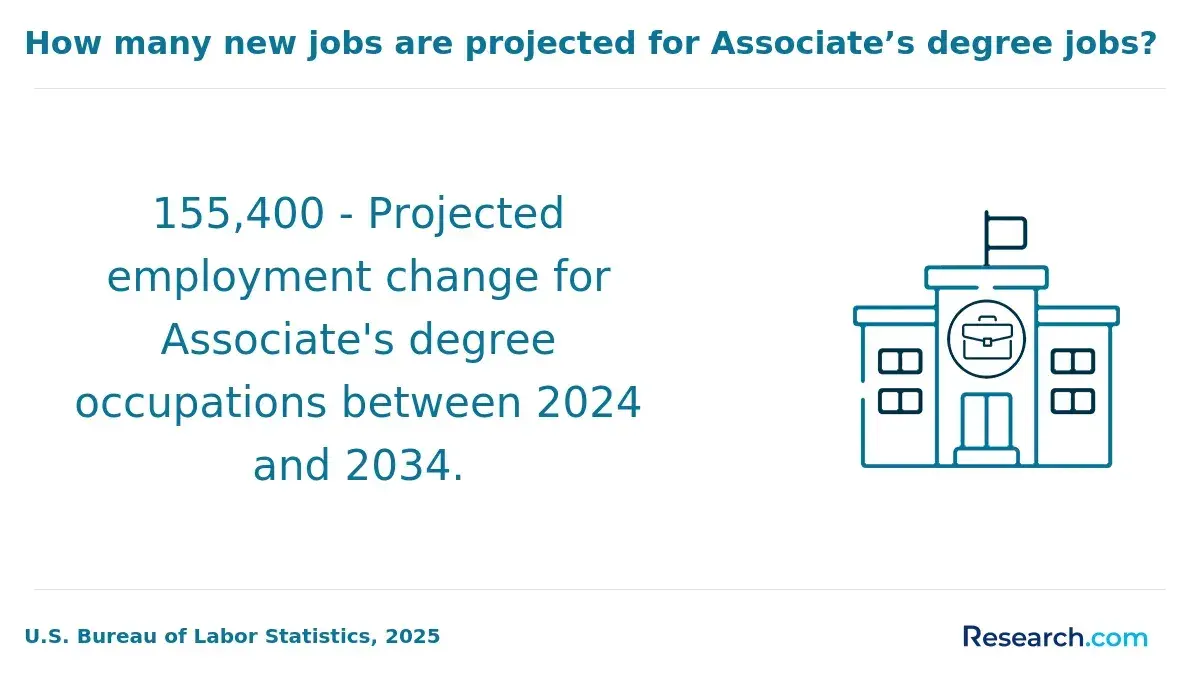
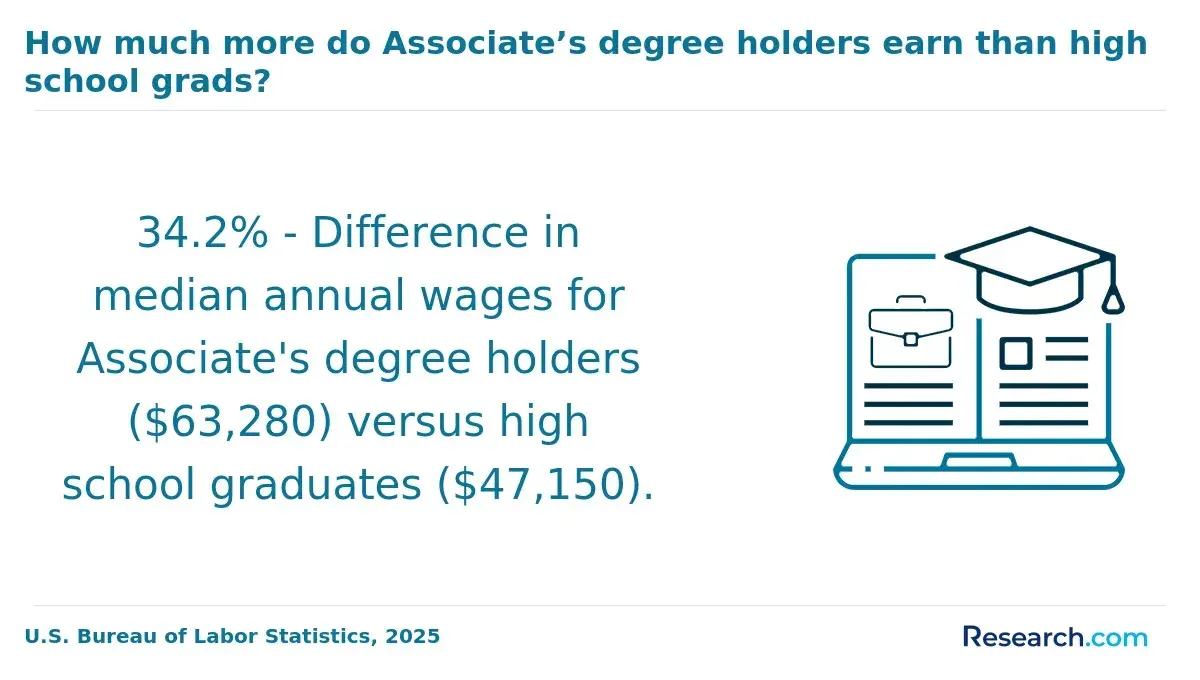
| Associate degree | About 2 years full time | Plan for general education, labs, and any clinical requirements |
Before choosing an accelerated format, calculate weekly workload. A six-month program may demand substantially more study time each week than a one-year part-time option.
What tuition costs, financial aid, and MyCAA funding options are available?
Costs vary more by provider, credential level, required materials, and clinical or examination fees than by the word "online." Do not compare tuition alone. Ask for a written total that includes registration, technology, books, software, uniforms, background checks, certification exams, and any externship-related travel.
For eligible military spouses, MyCAA may provide up to $4,000 in financial assistance toward approved education and training, subject to program rules and funding authorization. It is not a universal benefit for every spouse, school, or credential, so obtain approval before starting.
Federal student aid may be relevant for eligible students in qualifying credit-bearing programs, while many noncredit providers use payment plans instead.
Common funding sources and their practical trade-offs include:
- MyCAA: Can reduce approved training costs, but eligibility and provider approval must be confirmed in advance.
- Federal Aid: May help with eligible college programs, but borrowing should be weighed against likely career value.
- School Payment Plans: Spread costs over time, but may include enrollment fees or strict withdrawal terms.
- Scholarships and Military-Spouse Grants: Can reduce out-of-pocket cost, but deadlines and eligibility vary.
- Employer Education Benefits: Most useful after obtaining work with an organization that supports advancement.
Low tuition is not always low cost. A program that lacks exam preparation, clinical placement support, or employer recognition can cost less upfront but require additional training later.
What careers and job roles can military spouses pursue after these programs?
Career training should be chosen backward from a job target. Online-friendly programs commonly support administrative, technical, customer-facing, and creative roles, while regulated roles may require additional clinical practice, examinations, or state authorization.
A certificate can demonstrate completed education; a certification generally requires standards set by an independent certifying organization and often an exam.
The roles below show how training type affects realistic entry points rather than promising placement:
| Career area | Possible entry-level roles | Typical additional requirement |
| Healthcare administration | Medical billing specialist, patient access representative, medical records clerk | Employers may prefer coding certification or relevant software experience |
| Information technology | Help desk technician, technical support specialist, junior systems support | Industry certification and hands-on troubleshooting practice can help |
| Business operations | Bookkeeping assistant, payroll clerk, project coordinator | Software proficiency and experience may matter as much as coursework |
| Legal support | Legal assistant, records specialist, intake coordinator | Employer requirements vary; legal training does not authorize legal practice |
| Design and marketing | Production artist, content coordinator, junior designer | A portfolio and current software skills are commonly needed |
Spouses who need near-term income may start with an entry-level remote-capable role and add certifications over time. Those targeting licensed clinical or skilled-trade careers should plan for longer, location-dependent steps.
What salary ranges and job outlook can military spouses expect in these fields?
Salary depends on occupation, location, experience, schedule, and employer - not simply on completion of a training program. Use federal occupational data as a market benchmark, then compare it with local job postings and the credential employers actually request.
The BLS reported a 2023 median annual wage of $48,780 for medical records specialists; this is occupational wage data, not a promised outcome for medical coding certificate completers.
Current BLS 2023-33 projections also indicate that healthcare support occupations are expected to grow faster than the average for all occupations. That broad outlook supports demand but does not eliminate local hiring competition, licensure restrictions, or experience requirements.
Technology, design, legal support, and business roles have more varied outlooks, particularly as AI tools automate routine tasks and raise the value of quality control, client communication, problem solving, and specialized software skills.
For a useful return-on-investment check, compare the total training cost and time away from paid work with entry-level postings in the locations where you may live. Do not rely on a provider's salary claim without checking the occupation, geographic area, data year, and whether the figure reflects all workers rather than new entrants.
How can military spouses choose a reputable, flexible online career training provider?
A reputable provider makes its credential, costs, requirements, and limitations easy to verify. The best choice for a military spouse is not necessarily the shortest or cheapest program; it is the option that remains workable through moves, leads toward a recognized requirement, and fits the time and money available.
Use these checks before enrolling:
- Match the program to a specific job posting and identify the degree, certificate, certification, license, or experience employers request.
- Verify institutional accreditation for college programs and industry recognition for noncredit training.
- Confirm in writing whether clinicals, labs, internships, or exams can be completed near your current and likely future duty stations.
- Request the complete cost of attendance, refund terms, equipment needs, and all third-party exam fees.
- Ask whether credits are transferable or stackable if you may later pursue a degree.
- Speak with career services about job-search support for remote applicants and relocating spouses.
Watch for pressure to enroll immediately, vague claims of "national accreditation," guaranteed jobs or earnings, and unclear refund policies. If your long-term target requires a bachelor's degree, compare the training route with a cheapest online bachelor's degree option before investing in multiple unstackable short courses.
Other Things You Should Know About
Potentially. MyCAA can support eligible spouses enrolled in approved education or training programs, but eligibility, provider approval, career-field rules, and funding procedures can change. Confirm approval through the official MyCAA process before enrolling or paying fees.
Employers usually care more about the issuing institution or provider, the skills taught, relevant certification eligibility, portfolio or practical experience, and the match to the job. An online certificate from a recognized provider can be useful, but it is not automatically equal to an industry certification or degree.
Portable paths often include IT support, bookkeeping, medical billing and coding, customer support, project coordination, digital marketing, graphic design, and administrative work. Regulated healthcare and trade roles can also be viable, but they may require state-specific licensing or in-person practice.
Choose a certificate when you need focused training quickly and the target role does not require a degree. Choose an associate degree when the field values broader coursework, academic credit, or progression toward a bachelor's degree. Check whether certificate credits stack into the degree before enrolling.
References
- Military Spouse Employment Partnership | U.S. Department of the Interior https://www.doi.gov/veterans/msep
- Evidence-Based Interventions for Supporting Military Spouse Career Development https://oneop.org/learn/160118/
- Free Cybersecurity Training for Military Spouses | A Guide https://www.quickstart.com/blog/cyber-security/free-cybersecurity-training-military-spouses/
- Military Spouses and Unemployment: Overcoming Barriers to Success https://www.aarp.org/veterans/military-spouse-unemployment/
- Military Spouse Employment Initiative https://bluestarfam.org/military-spouse-employment-research/
- 7 Flexible Jobs for Military Spouses: Training Programs | U.S. Career Institute - USCI https://www.uscareerinstitute.edu/blog/7-flexible-jobs-for-military-spouses
- Targeted Training Helps Military Spouses Find Sustainable Employment https://www.hiringourheroes.org/stories/targeted-training-helps-military-spouses-find-sustainable-employment/
- The Top Three Military Spouse Training Programs to Know https://instantteams.com/blog/the-top-3-military-spouse-training-programs/
- Military Spouse Career-Building Tips & Assistance https://www.aafmaa.com/resource-center/military-spouse-career-building-tips-assistance
- Key Facts To Know About the MyCAA Program for Military Spouses https://blackstone.edu/about-the-mycaa-program-for-military-spouses/