2027 Best Career Training Programs With Multiple Start Dates

Co-Founder and Chief Data Scientist
Choosing career training often means balancing speed, cost, and a schedule that does not require waiting for a single fall semester. Programs with multiple start dates can help career changers, working adults, and recent graduates begin sooner. U.S. Bureau of Labor Statistics projections for 2024-2034 show especially strong demand in several skilled occupations, including 9% projected growth for electricians and 8% for heating, air conditioning, and refrigeration mechanics and installers. This guide explains which training paths fit your goal, how flexible starts work, and what to verify before enrolling.
Key Things You Should Know
- Multiple-start-date programs may begin monthly, every eight weeks, quarterly, or in traditional terms, confirm the actual clinical, lab, internship, and licensing schedule before assuming a faster completion date.
- Short programs can prepare students for entry-level work, but regulated careers may also require a state license, supervised hours, or a separate certification exam after completion.
- BLS projects 2024-2034 growth of 9% for electricians and 8% for HVAC mechanics and installers, making hands-on trade programs worth comparing alongside healthcare, legal, and digital career training.
Top 10 Best Career Training Programs With Multiple Start Dates
Popular Trade School Programs
Trade programs commonly offer certificates, diplomas, and associate degrees in electrical work, HVAC, welding, plumbing, automotive technology, diesel technology, and industrial maintenance. A certificate or diploma is usually career training; it is not the same as an industry certification or state license. Shorter options may suit entry-level helpers or technicians, while associate degrees can add general education and broader technical coursework. Choose campus or hybrid training when labs are essential, and verify whether graduates are eligible for apprenticeships, licensing pathways, or exams such as EPA Section 608 for HVAC work.
Healthcare Programs
Common healthcare options include medical assisting, practical nursing, dental assisting, pharmacy technician, medical billing and coding, surgical technology, phlebotomy, and health information technology. Clinical programs often have recurring academic starts but fixed clinical placements, so a new class date may not mean immediate patient-care training. Certificates may support eligibility for voluntary certification exams, while nursing and some technician roles have state-specific rules. Applicants may need immunizations, background checks, drug screening, CPR training, entrance testing, or prerequisite science courses. Confirm that online coursework includes required in-person clinical practice.
Criminal Justice / Law Programs
Career-focused law and criminal justice programs may include paralegal studies, legal assisting, court reporting, law enforcement, corrections, cybersecurity investigations, and emergency management. A paralegal certificate can be useful for people who already hold a degree or have related experience; an associate degree may be more appropriate for newcomers. Completion does not authorize someone to practice law or guarantee police academy admission. Hiring agencies and courts can impose background, physical fitness, typing, or jurisdiction-specific requirements. Look for practical training in legal research, case management software, report writing, and ethics.
Arts & Design Programs
Popular options include graphic design, web design, UX/UI design, digital media, animation, photography, interior design, fashion design, and audio production. These programs may award a noncredit certificate, academic certificate, diploma, or associate degree, and the credential's recognition varies by provider. Portfolio quality, software fluency, and real project work often matter as much as the credential for creative hiring. Multiple starts can work well for online design courses, but students should confirm access to current software, instructor feedback, portfolio reviews, and any internship opportunities. Interior design requirements can vary by state and employer.
What are career training programs with multiple start dates and who are they for?
Career training programs with multiple start dates are short- or moderate-length educational pathways that admit new cohorts more than once per year. Depending on the provider, a start may occur monthly, every six to eight weeks, each quarter, or several times during a traditional academic year. They can lead to a certificate, diploma, associate degree, noncredit credential, or preparation for a separate industry certification or licensing exam.
They are most useful for people who need timing flexibility rather than simply the shortest program possible. A working parent may need an evening cohort; a laid-off worker may want the next available start; and a recent high school graduate may prefer not to wait until fall. Programs with labs, externships, clinical rotations, apprenticeships, or cohort-based group projects may still have limited placement windows.
The best fit depends on the occupation, not the marketing language. These comparisons clarify the trade-off between starting quickly and receiving the training needed for the target role.
| Program format | Typical start-date pattern | Best fit | Key limitation |
| Noncredit online career course | Monthly or self-paced | Career exploration and software-based skills | May not provide academic credit or licensing eligibility |
| Certificate or diploma | Monthly, term-based, or rolling | Entry-level technical preparation | Transferability can be limited |
| Associate degree | Semester, quarter, or accelerated terms | Students wanting broader coursework and possible transfer credit | Usually takes longer than a standalone certificate |
| Clinical or lab-based program | Several cohort starts annually | Healthcare and hands-on technical careers | Clinical and lab schedules may be less flexible |
Do not confuse a quick enrollment date with a quick career outcome. If a job requires supervised clinical hours, an apprenticeship, a background clearance, or a licensing exam, those stages can determine the real timeline.
How do online and campus-based career training programs compare for flexibility and outcomes?
Online programs are usually strongest for theory-heavy subjects, software instruction, scheduling flexibility, and students who can manage independent deadlines. Campus-based programs are often stronger for equipment access, live demonstrations, clinical practice, shop safety, and immediate instructor feedback. Hybrid delivery can combine online lectures with scheduled labs, making it a practical middle ground for many technical fields.
Outcomes depend less on whether a course is labeled online and more on whether its delivery meets employer, accreditor, certifier, and licensing expectations. Students considering a longer academic route can also compare what is the easiest bachelor's degree to get with a career certificate, but should prioritize job relevance and completion feasibility over perceived difficulty.
This comparison highlights questions to ask before choosing a format.
| Decision factor | Online | Campus-based or hybrid |
| Scheduling | Often asynchronous with frequent starts | Usually fixed meeting times and lab blocks |
| Hands-on practice | Limited unless local placement is arranged | Direct access to labs, equipment, and simulations |
| Clinical and externship requirements | May require approved local sites | School may coordinate sites, though availability varies |
| Best for | Business, billing, coding, IT support, and design theory | Trades, nursing, dental, automotive, and laboratory work |
| Main risk | Assuming online coursework meets state licensing rules | Underestimating commuting and schedule constraints |
Before enrolling online, ask whether all required practical hours are included in tuition, whether the school secures placements or leaves that task to the student, and whether graduates in your state can pursue the intended credential.
How can students verify accreditation and licensing alignment for career training programs?
Accreditation and licensing alignment are separate checks. Institutional accreditation evaluates a college or school as an organization. Programmatic accreditation evaluates particular programs in fields such as nursing, dental hygiene, medical assisting, or surgical technology. Licensing boards establish legal eligibility rules for regulated occupations, and a school's approval status may matter more than its general accreditation.
Use this sequence before paying an enrollment deposit:
- Identify the exact job title and the state where you expect to work.
- Check the relevant state licensing board, certification body, or employer requirements for required education and exams.
- Ask the school whether the specific program, location, and delivery format meet those requirements.
- Request written confirmation of programmatic accreditation, approval status, exam eligibility, and required clinical or supervised hours.
- Verify the information independently through the accreditor, board, or certifying organization rather than relying only on advertising.
Red flags include vague claims that a program is "accredited" without naming the accreditor, refusal to state whether online students qualify in your state, and promises that completion alone leads to a license. For unregulated fields such as some design or business roles, employer recognition, curriculum quality, portfolio support, and transparent outcomes may be more relevant than programmatic accreditation.
What admission requirements and prerequisites do career training programs typically have?
Admissions rules vary sharply by credential type. A noncredit online course may require only payment and basic technology access. A college certificate or associate degree generally requires an application and education records. Clinical, technical, and public-safety programs can add prerequisites because students must safely complete hands-on training or meet placement-site requirements.
Common requirements may include the following, but applicants should treat each as program-specific rather than universal:
- High school diploma, GED, or equivalent education verification.
- Placement testing or prerequisite coursework in math, English, anatomy, science, or computer skills.
- Minimum age, identity documentation, and lawful authorization requirements where applicable.
- Background check, drug screening, immunizations, physical examination, or CPR certification for clinical placements.
- Portfolio, interview, entrance assessment, typing test, or physical ability screening for selected fields.
Multiple starts can make applications feel less selective, but limited-seat clinical cohorts and high-demand lab programs may still have deadlines or waitlists. Ask whether admission is rolling, whether prerequisites must be completed before the start date, and what happens if a required clearance or placement is delayed.
How long do career training programs take and what do they cost to complete?
Completion time ranges from a few weeks for focused noncredit training to roughly two years for many full-time associate degrees. A shorter course can be economical when it teaches a clearly requested skill, but it may not include clinical hours, equipment practice, certification preparation, or general education credits. The total price should include more than tuition.
For a broader comparison of tuition-conscious degree options, review most affordable online colleges. That comparison is most relevant when a credit-bearing associate or bachelor's path offers better long-term value than a private career-school program.
The cost categories below help students compare quoted prices on an equal basis.
| Cost or timeline factor | Why it matters | What to request |
| Tuition and fees | May be charged per term, clock hour, course, or program | Written total cost through completion |
| Books, tools, uniforms, and software | Can be necessary for labs, trades, and clinical work | Required-item list with estimated prices |
| Exams, licenses, and background checks | May be paid outside the school | List of third-party expenses |
| Clinical, externship, or commute time | Can extend the practical timeline and reduce work availability | Typical placement schedule and location range |
| Retake and withdrawal policies | Can materially increase total cost | Policy for failed courses, leaves, and refunds |
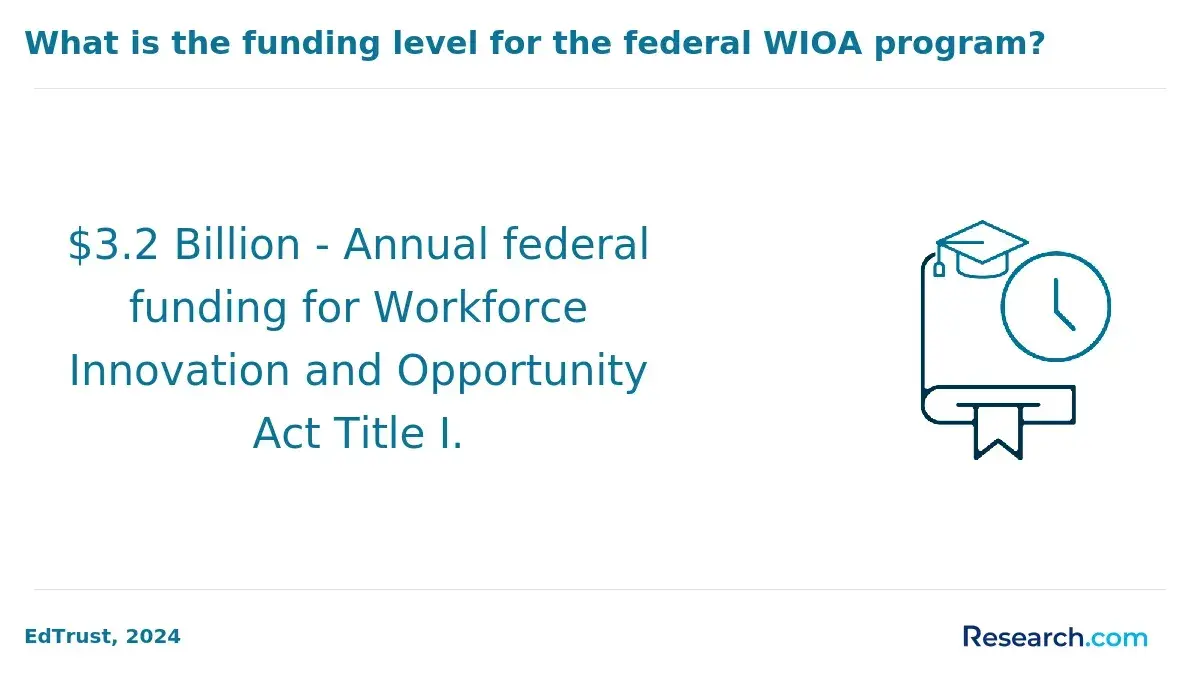
Financial aid eligibility depends on the institution, program, student eligibility, and whether the program participates in federal aid programs. Employer tuition assistance, Workforce Innovation and Opportunity Act funding, veterans' education benefits, scholarships, payment plans, and state workforce grants may be options, but availability is not guaranteed. Compare net cost after confirmed aid, not advertised tuition alone.
What curriculum, hands-on training, and certifications do these programs usually include?
Quality career training combines job-specific knowledge with supervised practice and evidence that students can perform relevant tasks. The exact mix depends on the field. HVAC students may work with electrical systems, refrigeration cycles, diagnostics, and EPA-related handling rules. Medical assisting students may learn patient intake, documentation, vital signs, and clinical procedures. Paralegal students may practice legal research, drafting, and case-management workflows. Design students should produce a portfolio using current tools and feedback.
Ask the program to identify which learning experiences are included rather than assumed:
- Instructor-led labs, simulations, shop work, or skills checkoffs.
- Externships, clinical rotations, apprenticeships, or employer projects.
- Preparation for a separate certification examination, when relevant.
- Training on current equipment, software, safety procedures, and documentation systems.
- Career services such as résumé review, interview practice, portfolio review, or employer introductions.
A certificate of completion documents education. A professional certification is awarded by an independent organization after meeting its standards, which may include an exam, experience, continuing education, or renewal. Confirm whether the program merely prepares students for a certification or whether an exam fee and eligibility requirements are separately required.
What entry-level and advanced job roles can these programs prepare students to pursue?
Career training can support entry into occupations, but the credential level should match the role's legal and employer requirements. Certificates and diplomas are often best for technician, assistant, support, or apprentice-track work. Associate degrees can be useful when employers expect broader technical preparation or when students want a route that may transfer toward a bachelor's degree. Some advanced careers require a bachelor's, graduate degree, license, or substantial work experience beyond initial training.
Readers weighing a longer path can compare best bachelor degrees to get when the target occupation commonly requires a four-year degree rather than a short credential.
Typical career progression can look like this:
| Training area | Potential entry-level direction | Possible advancement with experience or added credentials |
| Electrical or HVAC | Helper, installer, maintenance technician, apprentice | Journeyman, lead technician, estimator, supervisor, contractor where licensed |
| Healthcare support | Medical assistant, pharmacy technician, phlebotomist, practical nurse where eligible | Specialized technician, office manager, registered nurse through further education |
| Legal support | Legal assistant, paralegal, records specialist, compliance support | Senior paralegal, litigation support, compliance coordinator |
| Design and digital media | Junior designer, production artist, web content assistant | Designer, UX specialist, art director, freelance business owner |
Job titles and advancement vary by employer and location. Treat career services claims as support, not proof of placement, and ask for recent outcomes broken down by program, job type, and graduation cohort.
What salary ranges and earning potential are typical for careers from these programs?
Earning potential is tied to the occupation, location, employer, hours, experience, union status, licensure, and specialization - not automatically to a certificate. U.S. Bureau of Labor Statistics median annual wage data for May 2024 provides useful national context, but it includes workers at different career stages and education levels.
The following occupation-level figures can help students judge whether a training path warrants deeper local research.
| Occupation | Median annual wage, May 2024 | Projected growth, 2024-2034 | Important qualification note |
| Electricians | $62,350 | 9% | Typically requires apprenticeship training and state licensing |
| HVAC mechanics and installers | $59,810 | 8% | Employers may expect EPA Section 608 certification |
| Licensed practical and licensed vocational nurses | $62,340 | 3% | Requires an approved program and state licensure |
| Paralegals and legal assistants | $61,010 | 0% | Education expectations vary; certificate alone may not be sufficient |
| Graphic designers | $61,300 | 2% | Portfolio and software skills are central to hiring |
Use national wage figures as a benchmark, then check local job postings for common credentials, shift requirements, and stated pay ranges. A program may be a weaker investment if local openings require a license or degree the program does not provide, or if the schedule prevents you from completing required field experience.
How can prospective students choose a reputable, high-value career training program?
A reputable, high-value program makes its credential, schedule, total cost, practical training, and career limitations easy to verify. The best choice is not necessarily the fastest start or lowest sticker price; it is the program that creates a credible path to the work you want without unnecessary debt or missing requirements.
Use these steps to make a defensible comparison before signing an enrollment agreement:
- Start with local job postings and identify the education, license, certification, tools, and experience employers actually request.
- Compare at least three providers using the same measures: total cost, next start date, completion schedule, delivery format, required practical hours, and refund rules.
- Confirm accreditation, state approval, certification-exam eligibility, and licensing alignment directly with the relevant outside authority when the occupation is regulated.
- Ask for program-specific completion, placement, and licensure-exam information, including how the school defines employment and which reporting period it uses.
- Calculate the time cost of commuting, unpaid clinical work, reduced job hours, equipment, and exam fees before accepting financing.
- Speak with an instructor, current student, graduate, or local employer about whether the curriculum reflects current tools and workplace expectations.
Common mistakes include enrolling because a school advertises "job-ready" training without checking legal eligibility, comparing only monthly payments instead of total cost, and assuming a certificate transfers into a degree. Students who later want advanced academic study should investigate shortest PhD programs only after confirming that a bachelor's and usually a relevant master's degree or other graduate prerequisites are realistic parts of their long-term plan.
Walk away from programs that will not provide written cost disclosures, cannot explain who arranges clinical or externship placements, imply that certification and a school certificate are identical, or pressure you to enroll before you can review cancellation and refund terms.
Other Things You Should Know About
Not necessarily. Frequent starts reduce the time you wait to begin, but course sequences, labs, clinical rotations, externships, and licensing exams can still determine the completion timeline.
They can be, especially in software, business, administrative, and design-related fields. For regulated or hands-on work, confirm that the program includes required in-person training and meets state or employer expectations.
Sometimes, but only if the specific program meets the licensing board's education requirements. Many licenses also require an examination, background check, supervised experience, or continuing education.
Choose a certificate when you need targeted entry-level training and the occupation does not require a degree. Choose an associate degree when employers commonly prefer it, you want broader coursework, or you may continue toward a bachelor's degree later.
References
- Career Training Programs https://applymontana.mus.edu/colleges/career-training/index.html
- Career Connected Learning That Starts Early and Builds https://tntp.org/blog/designing-career-connected-learning-that-starts-early-and-builds-for-life-highlights-from-the-field/
- Career Advantage | Orange Coast College https://orangecoastcollege.edu/academics/career-advantage/index.html
- Delivering on Student Expectations with Career Pathways https://moderncampus.com/blog/delivering-on-student-expectations-with-career-pathways
- Research That Shows How Career Education Programs Align With Regional Job Markets https://economic-mobility.wested.org/project/research-that-shows-how-career-education-programs-align-with-regional-job-markets/
- Career-Connected Learning (Career Exploration & Work-Based Learning) | Department of Education https://educate.iowa.gov/higher-ed/cte/iowa-quality/career-connected-learning
- Job Training in New York City - New York City Employment and Training Coalition https://nycetc.org/membership/full-member-list/job-training-programs-in-new-york-city/
- Vocational Training Programs for New Careers - Commonpoint https://www.commonpoint.org/program/vocational-training-programs-for-new-careers
- Career and Technical Education Policy: A Multistate Case Study on Employment Outcomes https://www.americanprogress.org/article/career-and-technical-education-policy-a-multistate-case-study-on-employment-outcomes/
- Work-Based Learning Glossary https://www.jff.org/idea/work-based-learning-glossary/