2027 Best Online Non-Degree Programs With Employer Tuition Assistance

Co-Founder and Chief Data Scientist
Choosing a short online program is harder when your employer's tuition policy, not just the advertised tuition, determines what you will actually pay. These programs can build job-ready skills without a degree commitment, but recognition, licensing rules, and reimbursement limits vary. The U.S. Bureau of Labor Statistics projects about 1.9 million job openings each year in healthcare occupations from 2024-2034, underscoring demand for targeted training. This guide helps working adults compare eligible programs, confirm employer coverage, and select credentials that fit a realistic career goal.
Key Things You Should Know
- Employer tuition assistance may pay upfront or reimburse later, often up to an annual limit; confirm eligible providers, grades, job relevance, required approvals, and repayment terms before enrolling.
- A non-degree certificate shows completion of education or training, while a professional certification is awarded by a certifying body and may require an exam, experience, or renewal.
- For career context, BLS projects healthcare occupations to generate about 1.9 million openings annually from 2024-2034, but a short online program alone may not meet clinical licensure or hiring requirements.
Top 10 Best Online Non-Degree Programs With Employer Tuition Assistance
Popular Trade School Programs
Online trade-focused certificates often cover construction management, HVAC fundamentals, electrical theory, welding technology, logistics, or industrial safety. They suit workers seeking foundational knowledge or supervisory skills, but hands-on trades usually require lab work, an apprenticeship, employer training, or supervised field hours. A credit-bearing community-college certificate may stack into an associate degree; a vendor course may not. For HVAC, electrical, plumbing, and welding work, verify state or local licensing rules and whether the program prepares you for a separate industry exam.
Healthcare Programs
Common online or hybrid options include medical billing and coding, health information technology, pharmacy technician preparation, medical assisting coursework, and healthcare administration certificates. Billing, coding, and administrative programs can be largely online, while patient-care training generally needs in-person clinical practice. A school certificate is not the same as certification from an organization such as AAPC or AHIMA. Before using employer assistance, ask whether required exam fees, background checks, immunizations, supplies, and clinical travel are covered. Confirm that any clinical program meets your state's authorization and licensing expectations.
Criminal Justice / Law Programs
Online non-degree options include paralegal studies, legal research, compliance, cybersecurity law fundamentals, and criminal justice certificates. These can help current employees build vocabulary and procedural knowledge, especially for administrative, records, compliance, or support roles. They do not authorize legal practice or replace law school. Paralegal employers may prefer programs approved by the American Bar Association, although approval is not universally required. Check whether a program is credit-bearing and whether it includes practical legal writing, research databases, ethics, and jurisdiction-specific content before seeking reimbursement.
Arts & Design Programs
Graphic design, UX/UI basics, digital marketing design, photography, animation, and web production certificates are common online choices. Portfolio quality often matters more to employers than the certificate title, so select programs with project feedback, software access, and work samples you can retain. Short courses are useful for an upskill; a longer credit-bearing certificate may fit career changers who need structured foundations. Confirm whether tuition assistance covers software subscriptions, equipment, portfolio hosting, or optional industry exams. Avoid programs that promise creative-industry employment without reviewing portfolio expectations.
What are online non-degree programs with employer tuition assistance and how do they work?
Online non-degree programs are structured learning experiences that do not award an associate, bachelor's, or graduate degree. They may be college certificates, professional certificates, workforce-training programs, bootcamps, microcredentials, or vendor courses. Employers may provide direct payment to an approved school or reimburse an employee after successful completion.
The best option is the one that fits both the employer policy and the intended role. A college-issued, credit-bearing certificate can sometimes apply toward a later degree. A noncredit professional certificate may be faster and more skills-specific, but usually has limited transfer value. A certification is different: it is a professional credential awarded by an outside certifying organization, often after an examination.
Employer support commonly follows a predictable sequence. Use these steps before making a financial commitment.
- Identify the job skill or role the program will support and obtain the written tuition-assistance policy.
- Confirm preapproval, eligible provider rules, annual maximums, grade requirements, and whether payment is direct or reimbursement-based.
- Verify total costs beyond tuition, including books, technology, labs, exams, clinical fees, and travel.
- Enroll only after documenting the approval and saving course descriptions, receipts, and completion records.
- Submit required proof on time and retain records in case a repayment or tax question arises.
Employer benefits can be valuable, but they are not the same as federal student aid. Tax treatment and benefit limits can change, and employers may impose service commitments or repayment provisions. Read the policy rather than relying on a manager's verbal assurance.
How do online non-degree programs compare to campus options for working adults?
For working adults, online study can reduce commuting and allow asynchronous coursework around shifts. Campus or hybrid formats can be stronger when equipment practice, clinical placements, live critique, or employer networking are central to the outcome. The right format depends on the competency being taught, not simply convenience.
This comparison highlights where each delivery option is most useful and where its limits matter.
| Decision factor | Online non-degree program | Campus or hybrid option |
| Schedule | Often asynchronous, with weekly deadlines | Fixed meeting times and possible commuting |
| Hands-on learning | Best for software, business, coding, compliance, and theory | Usually better for labs, clinical skills, tools, and studio feedback |
| Employer reimbursement | May fit approved-provider networks and lower incidental costs | May include local partnerships but can add travel and parking costs |
| Accountability | Requires independent time management | More real-time structure and instructor access |
| Licensure preparation | Must be checked carefully for state-specific requirements | May simplify supervised-hour and lab requirements |
Online learning is not automatically self-paced. Check attendance rules, proctored examinations, group projects, synchronous sessions, and required practica. If you need a very short trial of online study before committing to a longer credential, compare 6-week online courses with certificates with your employer's eligible-course rules.
How can I verify accreditation and employer recognition for non-degree certificate programs?
Accreditation and employer recognition answer different questions. Institutional accreditation applies to colleges and universities as a whole; programmatic accreditation applies to particular fields; industry recognition may come from an employer, software vendor, licensing board, or professional association. Many reputable noncredit providers are not institutionally accredited because they are not colleges, so evaluate their relevance rather than assuming they are invalid.
Verify the credential through the school, the accreditor or regulator when applicable, and your employer's education-benefit administrator. For a credit-bearing college certificate, confirm institutional accreditation and whether credits can transfer. For clinical, technical, or legal-support training, check the relevant state board, licensing authority, or professional body. For a vendor credential, confirm that the named employer or industry actually recognizes it.
These red flags justify a pause before enrollment.
- The provider cannot clearly state whether the award is a certificate, a certification-preparation course, or a noncredit completion credential.
- The program claims it qualifies learners for licensure without identifying the state, required clinical hours, examination, or regulator.
- The school will not provide a complete cost list, refund policy, instructor information, or written explanation of employer-benefit eligibility.
- Marketing promises a job, promotion, salary, or transfer credit without documenting the conditions.
Recognition is role-specific. A coding certificate can be useful for entry-level analyst work, for example, yet it does not substitute for the portfolio, experience, or vendor certification a particular employer requests.
What admission requirements and employer eligibility rules apply to tuition-assisted programs?
Admission rules range from open enrollment for short noncredit courses to formal applications for college certificates. Employers can add a separate layer of eligibility: active employment status, a minimum tenure, manager approval, satisfactory performance, use of an approved provider, or a requirement to remain employed through reimbursement. Do not assume a program's acceptance means employer payment is approved.
Request answers to the following questions in writing before registration.
- Does the benefit cover noncredit certificates, professional certificates, exam preparation, and required materials, or only college credit?
- Is preapproval required before paying a deposit or starting class?
- What grade, completion status, or proof of payment is required for reimbursement?
- Does the policy have an annual cap, calendar-year deadline, service commitment, or repayment requirement after leaving the employer?
- Will the program's schedule, identity verification, clinical placement, or technology requirements work with my job schedule?
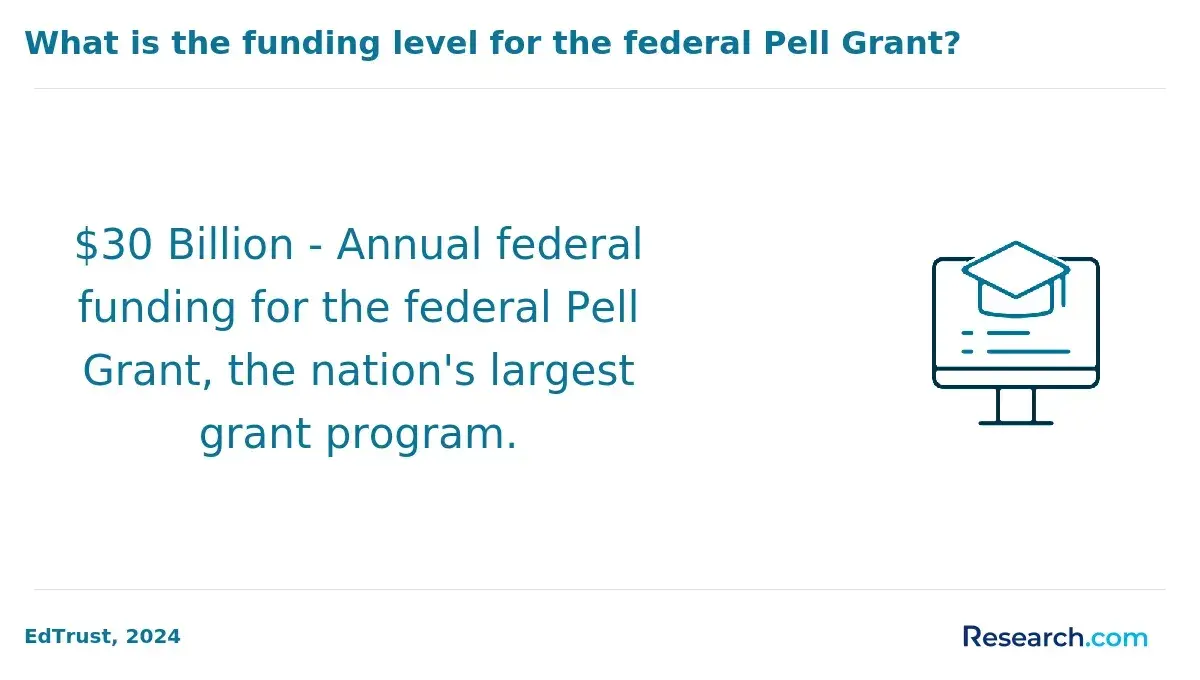
If federal aid is needed for a credit-bearing option, eligibility depends on the institution and program rather than on employer assistance. Review colleges online that accept FAFSA only when a longer eligible academic pathway fits your plan; many standalone noncredit programs do not qualify for federal aid.
What do typical online non-degree curricula include in employer-supported programs?
Curricula should map to an identifiable work task, not just a broad subject. Employer-supported programs commonly combine foundational concepts, job-specific tools, applied assignments, communication, documentation, and an assessment of competence. Delivery may include recorded modules, live sessions, simulations, projects, online labs, and supervised field experiences.
A strong curriculum makes its outcome visible. For example, an entry-level data certificate should identify spreadsheet, database, visualization, and analysis projects; a medical coding program should identify code sets, compliance, claims workflow, and any certification-exam alignment. Ask whether you will produce a portfolio, complete a capstone, or receive individualized feedback.
Credit-bearing certificates often use semester or quarter courses and may be stackable. Noncredit programs may issue a digital badge or completion certificate instead. Neither format is inherently better: choose credit-bearing study when future degree progression matters, and choose targeted noncredit training when speed and immediate skill application matter more. Employees considering a later management or specialized path can also compare cheapest masters online options after confirming that a graduate degree is actually required for the target role.
How long do these programs take, and what costs are covered by employers?
Program length ranges from a few weeks for a focused skills course to roughly one year for many college certificates. Completion time depends on course load, prerequisites, cohort schedules, clinical or lab availability, and whether the employer requires study outside working hours. Accelerated programs reduce elapsed time but can increase weekly workload.
Use this cost framework to compare the advertised price with the amount you may actually pay.
| Cost category | Common coverage status | What to confirm |
| Tuition and mandatory course fees | Often covered up to a policy limit | Direct billing versus reimbursement and annual cap |
| Books, software, and equipment | Varies widely | Whether required items count as eligible expenses |
| Certification examination and renewal | Sometimes excluded | Exam voucher, retake, and maintenance-fee rules |
| Clinical, lab, travel, and background costs | Often employee-paid | Required in-person obligations and local placement availability |
| Taxes or repayment obligations | Policy-dependent | Tax reporting and conditions after changing jobs |
Budget for cash flow if reimbursement occurs after grades post. Compare total out-of-pocket exposure rather than selecting a program solely because its tuition is low. If application charges would make comparison shopping harder, online colleges with no application fee may be useful for evaluating credit-bearing alternatives.
What career paths and job roles can online non-degree certificates lead to?
Online non-degree credentials can support entry-level work, a move into a related department, or advancement in a current role. Their value is highest when they document a specific skill that an employer uses, such as claims processing, project coordination, bookkeeping software, IT support, digital design tools, logistics, or compliance procedures.
The table separates likely pathways from roles that generally require more than a short certificate.
| Program focus | Possible related roles | Important limitation |
| IT support or data tools | Help desk technician, support specialist, junior reporting assistant | Employers may also require portfolios, vendor certifications, or experience |
| Medical billing and coding | Billing specialist, coding assistant, revenue-cycle support | Certification preferences vary; patient-care licenses are separate |
| Business operations | Project coordinator, administrative specialist, operations assistant | Role scope depends on prior workplace experience |
| Legal support | Legal assistant, records specialist, compliance support | Does not permit legal practice or guarantee paralegal employment |
| Design and digital media | Production artist, content assistant, junior designer | Portfolio quality and software proficiency are often decisive |
Start by reviewing job postings from your employer and local market. Note repeated tools, certifications, clearance requirements, and experience levels, then choose a program that closes the most important gap. A certificate is less compelling when it teaches skills you already demonstrate through work samples or when the target occupation legally requires a degree, license, apprenticeship, or supervised clinical education.
What salary outcomes and promotion opportunities are common after completing these programs?
Completion does not create a guaranteed raise, promotion, or occupation change. Pay reflects location, experience, employer, responsibilities, shift differentials, education, licensing, and labor-market conditions. The most credible return is often internal: qualifying for a new assignment, meeting a preferred qualification, or showing readiness for more complex work.
Occupational data can provide context, but it should not be treated as a salary promise for certificate completers. BLS reported a $44,200 median annual wage for medical assistants in May 2024 and a $61,010 median for paralegals and legal assistants. Those figures describe workers in the occupations nationwide, with varying education and experience; a short online program alone may not qualify a person for either role.
Before enrolling, ask your manager or HR team whether the credential is connected to a job family, promotion rubric, internal posting, pay differential, or mentorship opportunity. If the answer is no, evaluate the program primarily as skills development rather than a direct earnings investment. Document projects and measurable work improvements so the learning can be discussed during performance reviews.
How can I choose a reputable online non-degree program that aligns with my career goals?
A reputable program aligns four elements: a clearly defined job target, a credible provider, skills you can demonstrate, and written employer approval. "Best" does not necessarily mean the fastest or most expensive option. For a worker seeking a near-term internal move, an employer-approved course tied to a real job task may outperform a broader credential with unclear recognition.
Use this selection process to avoid paying for a credential that does not move your plan forward.
- Choose one target role or measurable skill outcome and review current job postings for its recurring requirements.
- Compare the credential type, provider reputation, curriculum, delivery format, completion timeline, and total required expenses.
- Confirm whether the award is credit-bearing, stackable, certification preparation, or simply a completion credential.
- Check accreditation, program approval, licensing implications, and employer recognition where relevant.
- Get tuition-assistance approval in writing before enrolling, then compare the reimbursement timing with your available cash flow.
- Ask how you will demonstrate learning through a portfolio, work project, practicum, exam, or supervisor feedback.
Avoid choosing solely by a promotional discount, completion speed, or a vague claim of "career readiness." Also avoid assuming all college certificates transfer, all online clinical programs satisfy state rules, or all employer benefits cover exams and materials. The strongest choice is transparent about its limits and directly supports the next role you can realistically pursue.
Other Things You Should Know About
It can, but coverage depends on the employer policy. Some employers cover approved college certificates, noncredit courses, and professional certificates; others cover only accredited, credit-bearing study. Confirm the provider, program type, annual limit, preapproval process, and reimbursement requirements in writing.
Possibly. Some policies require repayment if an employee resigns or is terminated within a stated period after receiving assistance. Review the agreement for repayment triggers, the amount subject to repayment, and exceptions before accepting funds.
No. An online certificate usually shows that you completed a course or program. A professional certification is awarded by a certifying organization after meeting its standards, which may include an examination, work experience, continuing education, and renewal.
It may help if the program teaches skills required for a higher-level role and your employer recognizes it. Ask whether the credential appears in job descriptions or promotion criteria, and pair completion with work examples that demonstrate the new skill.
References
- Reports https://workcred.org/Publications-and-Events/Reports
- Guide to Employers Who Subsidize Online Education https://www.onlineeducation.com/features/employers-who-subsidize-higher-ed
- Tuition Assistance - What Students Want and What Institutions Can Do https://www.encoura.org/resources/wake-up-call/tuition-assistance-what-students-want-and-what-institutions-can-do/
- What certifications can help boost your career prospects? - MSU Denver https://www.msudenver.edu/innovative-lifelong-learning/blog/what-certifications-can-help-boost-your-career-prospects/
- Tuition Reimbursement Programs [A Guide for HR and Employers] https://compt.io/blog/employee-tuition-reimbursement/
- 8 Best tuition support platforms for employee education benefits (2026) | Blog posts | Forma https://www.joinforma.com/resources/best-tuition-support-platforms
- Explore Your Bright Horizons Benefits https://www.brighthorizons.com/article/education/navigating-non-degree-landscape
- Employer Tuition Assistance: How to Use Your Workplace Education Benefits | American College of Healthcare Sciences https://achs.edu/blog/employer-tuition-assistance-workplace-benefits/
- How Does Tuition Reimbursement Work? (And How to Ask for It) https://www.wallstreetprep.com/knowledge/how-does-tuition-reimbursement-work-and-how-to-ask-for-it/
- Frequently asked questions about educational assistance programs | Internal Revenue Service https://www.irs.gov/newsroom/frequently-asked-questions-about-educational-assistance-programs