2027 Best Professional Certificates for Military Spouses

Co-Founder and Chief Data Scientist
Frequent moves can make a traditional degree plan hard to finish, but a portable professional certificate can build job-ready skills on a shorter timeline. The U.S. Bureau of Labor Statistics projects about 1.9 million openings each year in healthcare occupations from 2023 to 2033, illustrating why career-focused training can be valuable.
This guide helps military spouses compare certificates, industry certifications, associate programs, online formats, costs, and career paths so they can choose training that fits relocation, family, and employment goals.
Key Things You Should Know
- For portable careers, prioritize certificates tied to widely recognized employer skills - such as IT support, bookkeeping, medical billing, pharmacy technology, paralegal support, or project coordination - rather than programs with limited transferability.
- My Career Advancement Account Scholarship funding may provide eligible military spouses up to $4,000 toward approved education, training, examinations, licenses, and credentials; confirm eligibility and approved programs before enrolling.
- A certificate is education completed through a school or provider, while a certification is a professional credential usually earned through an independent exam or standards process; some career paths require both.
Top 10 Best Professional Certificates for Military Spouses
Popular Trade School Programs
Trade certificates can suit spouses who want hands-on work and a defined entry route. Common options include HVAC technician, electrician helper, welding, automotive service, cosmetology, dental assisting, and commercial driver training.
Programs may run from weeks to about one year, but regulated trades often require supervised hours, apprenticeships, state licensing, or employer training after completion. Choose a school only after checking whether its curriculum meets the licensing rules in the state where you expect to work next. Apprenticeships may be a better fit when paid work is available.
Healthcare Programs
Healthcare certificates include medical assisting, pharmacy technician, medical billing and coding, phlebotomy, nursing assistant, and dental assisting. Billing, coding, and some administrative roles can be more relocation-friendly because employers may hire remotely, while patient-care roles commonly require state-specific authorization.
A certificate may prepare a learner for an exam from an organization such as NHA, AAPC, or AHIMA, but passing eligibility rules vary. Verify clinical-placement requirements, exam fees, background checks, and whether the program meets the destination state's standards before paying tuition.
Criminal Justice / Law Programs
Legal studies certificates, paralegal certificates, court reporting training, and criminal justice associate degrees can support work in legal offices, compliance, investigations support, and public administration. Paralegals are generally not licensed nationally, but employers may prefer programs approved by the American Bar Association or coursework aligned with local legal practice.
A certificate does not authorize independent legal practice. Military spouses seeking maximum portability may favor legal research, e-discovery, records management, or compliance skills that transfer across employers rather than roles tied to a particular agency or state procedure.
Arts & Design Programs
Graphic design, UX design, digital marketing, web design, photography, and video-editing certificates can work well for spouses building freelance, remote, or portfolio-based careers. In these fields, a strong portfolio, current software skills, and client experience often matter as much as the certificate provider's name.
Look for programs that include Adobe Creative Cloud, Figma, accessible design, content strategy, and portfolio reviews. Avoid paying premium tuition for a short program that offers no project feedback, career support, or evidence that graduates can show employers real work.
What professional certificate programs best fit common military spouse career paths?
The best professional certificate depends on whether the priority is remote work, quick entry, licensure preparation, or a longer-term degree pathway. For many spouses, a noncredit professional certificate is useful for building a targeted skill set quickly; a credit-bearing college certificate can make more sense when courses may later apply to an associate or bachelor's degree.
This comparison separates educational certificates from certifications and highlights the trade-offs most relevant to portable careers:
| Career direction | Useful certificate type | Best fit | Key limitation |
| Remote technology support | IT support, cloud fundamentals, cybersecurity | Spouses seeking portable employer-recognized skills | Entry-level roles can still require troubleshooting experience |
| Business operations | Bookkeeping, payroll, project coordination | Detail-oriented learners seeking office or remote work | Software proficiency and experience affect hiring |
| Healthcare administration | Medical billing and coding | Those comfortable with records, terminology, and compliance | Remote jobs may be competitive |
| Licensed patient care | Medical assisting, practical nursing, dental assisting | Those able to complete clinical training | State rules and clinical sites can complicate moves |
| Creative digital work | UX, graphic design, digital marketing | Portfolio-focused remote or freelance goals | Certificate alone is rarely enough without work samples |
For spouses considering management after gaining work experience, a short credential may be a lower-risk first step than graduate school. Compare it with cheapest easiest master's degree options only when a master's degree is genuinely required for the intended occupation or advancement target.
How do online professional certificates compare to campus options for military spouses?
Online professional certificates are often the more practical option for military spouses because coursework can continue through a PCS move. They are especially effective for technology, business, design, bookkeeping, coding, and project-management training. Campus or hybrid study may be better for programs that require labs, equipment, clinical rotations, supervised practice, or local employer relationships.
The comparison below shows why delivery format should follow the occupation rather than convenience alone:
| Factor | Online certificate | Campus or hybrid certificate |
| Relocation continuity | Usually strongest when coursework is fully asynchronous | May require transferring or pausing after a move |
| Schedule flexibility | Often suitable for variable family schedules | May include fixed meeting, lab, or clinic times |
| Hands-on training | Best for software, administrative, and analytical skills | Usually stronger for equipment-based and clinical learning |
| Networking | May require proactive virtual networking | Can offer local instructors and employer contacts |
| Licensure preparation | Must be checked carefully by destination state | May simplify local clinical or regulatory alignment |
Before choosing online delivery, ask whether classes are asynchronous, whether proctored exams require a testing site, and how long access lasts. Spouses who need to complete broader academic credentials quickly can also compare fast track schools, although accelerated degrees demand a larger weekly time commitment than most standalone certificates.
What accreditation and industry certifications should military spouses look for in programs?
Accreditation matters most when a certificate is issued by a college, prepares students for licensure, includes clinical education, or is expected to transfer into a degree.
Institutional accreditation generally applies to the college as a whole; programmatic accreditation applies to a specific discipline, such as nursing, medical assisting, or legal studies. Noncredit provider certificates may not be academically accredited, but they can still be valuable when employers recognize the provider and curriculum.
For certification-focused fields, verify the separate credentialing body's rules. For example, an IT course may prepare learners for CompTIA certification, but the course completion certificate is not the CompTIA certification itself. Healthcare learners should confirm exam eligibility directly with the certifying organization, including education, training, and experience requirements.
Red flags include vague claims that a program is "accredited" without naming the accreditor, promises of guaranteed certification, and no clear explanation of whether clinical or licensure requirements are included. Also confirm whether a credential is national, state-based, or employer-specific before relying on it for a portable career plan.
What admission requirements and prerequisites do leading military spouse certificate programs have?
Admission requirements depend on the credential type. Many online professional certificates have open enrollment and need only a computer, internet access, payment method, and basic digital literacy. College certificates may require a high school diploma or equivalent, placement testing, or prerequisite courses. Advanced certificates in data analytics, cybersecurity, project management, or healthcare may expect prior coursework or work experience.
Programs involving clinical work, background-sensitive settings, or licensing boards can add requirements that open-enrollment courses do not have. These may include immunizations, CPR training, drug screening, fingerprinting, a criminal background check, health insurance, or proof of English and math readiness.
Ask admissions staff for requirements in writing before committing. In particular, confirm whether a prior conviction affects externship placement, whether prerequisites can be completed online, and whether a move during the program would interrupt clinical training. Do not assume transfer credit is available: it is generally relevant only to credit-bearing college coursework and is decided by the receiving institution.
How long do popular military spouse certificate programs take, and what do they cost?
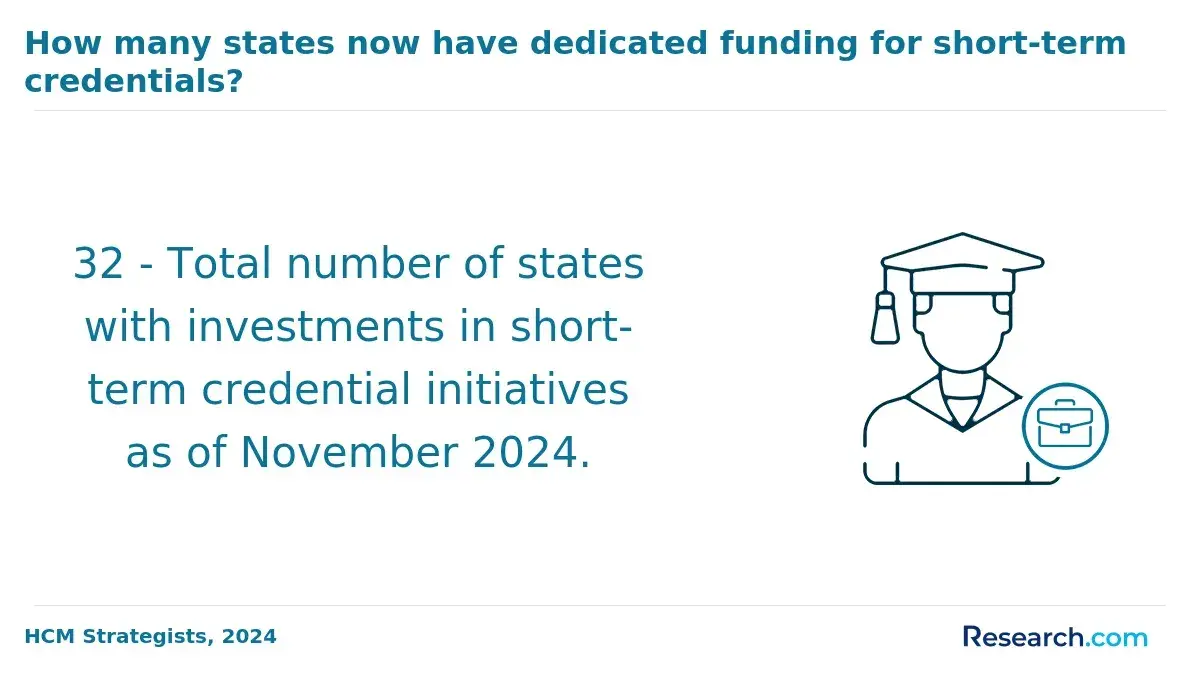
Timeline and cost vary more by field and provider than by the word "certificate." Self-paced professional certificates may take several months, while college certificates with labs or clinical placements can take one year or longer. Eligible spouses may use MyCAA funding of up to $4,000 for approved education and credential expenses, subject to program rules and available eligibility.
This overview helps separate low-cost skill training from programs with substantial required expenses beyond tuition:
| Program type | Typical timeframe | Major cost factors | Funding consideration |
| Online professional certificate | Weeks to several months | Subscription or course fee, software, optional exam | Check whether provider and program are approved for available benefits |
| College career certificate | Several months to about one year | Tuition, fees, books, equipment | May qualify for institutional aid or benefits if eligible |
| Clinical certificate | Often several months to more than one year | Tuition, uniforms, screening, immunizations, exam, travel | Budget for costs not covered by tuition assistance |
| Industry certification preparation | Days to several months | Training and separate exam or renewal fees | Confirm whether exam costs are included |
Compare total cost, not advertised tuition. A lower-priced program can become costly if it excludes examinations, required tools, clinical travel, retake fees, or credential renewal. Credit-bearing programs may offer more future academic value, but they are not automatically the best investment if the target employer mainly values a specific industry certification.
What courses and skills are typically taught in top military spouse certificate programs?
Top programs teach a mix of occupation-specific knowledge, workplace technology, and evidence of practical competence. The most useful curriculum is aligned with real job tasks rather than broad introductory content alone. Ask to see the course sequence, required software, assignments, and the credentials faculty expect students to pursue afterward.
Strong certificate curricula commonly build the following skills, with the exact mix determined by career field:
- Digital workplace skills, including spreadsheets, document management, videoconferencing, and secure collaboration.
- Industry tools such as electronic health records, bookkeeping software, cloud platforms, design applications, or case-management systems.
- Communication, client service, documentation, time management, and professional ethics.
- Applied work through projects, simulations, portfolios, labs, externships, or supervised clinical experience.
- Preparation for a separate certification examination when the field uses one.
AI tools are changing office, design, technology, and customer-service workflows, so favor programs that teach responsible AI use, verification, privacy, and human judgment. Avoid a curriculum that markets AI as a replacement for foundational skills; employers still need workers who can check outputs, protect confidential information, and explain decisions.
Which high-demand jobs and roles can military spouses pursue with these certificates?
Certificates can help military spouses qualify for interviews in high-demand support and technician roles, especially when paired with a portfolio, supervised practice, or an industry exam. They are not substitutes for licenses, degrees, or experience where employers or state boards require those qualifications.
The roles below illustrate realistic directions and the additional qualifications that may be needed:
| Role | Relevant certificate focus | Common additional requirement |
| IT support specialist | IT support, networking, cybersecurity fundamentals | Hands-on troubleshooting and employer-preferred certification |
| Bookkeeping clerk | Bookkeeping, payroll, accounting software | Demonstrated software and reconciliation skills |
| Medical records specialist | Medical billing, coding, health information | Employer preference for coding certification may apply |
| Pharmacy technician | Pharmacy technician training | State registration or national certification may be required |
| Paralegal or legal assistant | Paralegal studies, legal research | Employer-required education and local legal knowledge |
| Digital designer | Graphic design, UX, web design | Portfolio and current software proficiency |
For broader wage comparisons across occupations, review highest paying jobs alongside the actual entry requirements. The highest-paying fields often require degrees, licenses, or experience beyond a short certificate, so use salary information as career context rather than a promised outcome.
What salary ranges and advancement opportunities exist for careers supported by these certificates?
Salary potential depends on occupation, location, hours, employer, credentials, and prior experience, not simply on certificate completion. The Bureau of Labor Statistics reported a 2023 median annual wage of $48,780 for all occupations, while roles supported by certificates can fall above or below that benchmark depending on the field. Use occupational wage data to compare a target role with local living costs and likely entry requirements.
Advancement is often clearest when a certificate is part of a stackable plan. An IT support learner might add networking and security certifications; a bookkeeper might progress to accounting coursework; a medical coder might develop specialty coding expertise; and a designer might build a deeper portfolio or degree.
For licensed healthcare and skilled-trade paths, advancement can require supervised experience, additional education, or state-approved credentials.
Remote work can improve portability but may not raise pay automatically. National applicant pools can make entry-level remote roles competitive, so practical samples, current software skills, references, and reliable scheduling may matter as much as the credential name.
How can military spouses choose reputable, flexible certificate programs that support frequent relocation?
Choose a program by working backward from the job you want in the next duty station, not by choosing the shortest credential first. Start with job postings from several locations and identify recurring requirements: software, certification, license, clinical hours, degree level, or portfolio. Then compare programs against those requirements.
Use this screening process before enrolling:
- Define a portable target role and decide whether remote, local, freelance, or licensed work is realistic for your household.
- Verify that the program's certificate, academic credit, exam preparation, or licensure alignment matches that role.
- Calculate the full cost, including supplies, tests, travel, renewals, and lost work time.
- Confirm pacing, leave-of-absence rules, online access, clinical placement policy, and support during a PCS move.
- Check institutional and programmatic accreditation where relevant, plus the reputation of any certification issuer.
- Request written information about completion requirements, refund policy, career services, and transfer or stackability options.
Common mistakes include treating a completion certificate as a license, enrolling before checking destination-state rules, and choosing a program based only on tuition. Spouses who prefer independent, focused work may also explore good jobs for introverts to identify career environments that match their work style before selecting training.
Other Things You Should Know About
Eligible spouses may use MyCAA funding for approved education, training, examinations, licenses, and credentials up to the program's funding limit. Confirm eligibility, program approval, and covered expenses through official MyCAA channels before enrolling.
There is no single best option. IT support, bookkeeping, project coordination, medical billing and coding, digital marketing, and UX design can be relatively portable because the skills are used across locations. The best choice depends on the spouse's experience, schedule, and desired work setting.
Employers generally care most about whether the provider is credible and whether applicants can demonstrate relevant skills. For regulated careers, confirm that online training meets exam, clinical, or licensing requirements. For portfolio-based fields, show completed projects alongside the credential.
Choose a certificate when you need targeted skills quickly or want to test a field at lower cost. Choose an associate degree when the target occupation requires college credit, a longer foundation, or a pathway toward a bachelor's degree. Check whether certificate credits can stack into the degree.
References
- Licensing + Certification https://www.militaryfamily.org/licensing-certification/
- Benefits of Hiring Military Spouses | Magellan Federal https://www.magellanfederal.com/whats-new/mfed-inform/benefits-of-hiring-military-spouses/
- The Top Three Military Spouse Training Programs to Know https://instantteams.com/blog/the-top-3-military-spouse-training-programs/
- Honoring Military Spouses in Civilian Employment Programs https://www.exploredowciviliancareers.com/civiliancareers/militaryspouses
- Job Board Is Unavailable https://hireveterans.com/blog/free-certifications-for-military-spouses-flexible-career-paths-you-can-start-today/
- Targeted Training Helps Military Spouses Find Sustainable Employment https://www.hiringourheroes.org/stories/targeted-training-helps-military-spouses-find-sustainable-employment/
- Military Spouse Scholarships | Hope For the Warriors https://www.hopeforthewarriors.org/programs-and-services/scholarships/
- Through the USO and Coursera, a Military Spouse Pursues a Career Tailor-Made for Military Life https://www.uso.org/stories/3324-through-the-uso-and-coursera-a-military-spouse-pursues-a-career-tailor-made-for-military-life
- How to Start a Career as a Military Spouse | U.S. Career Institute - USCI https://www.uscareerinstitute.edu/blog/how-to-start-a-career-as-a-military-spouse
- Certifications Under $4,000 Covered by MyCAA: Complete List https://www.militarytransitiontoolkit.com/blog/certifications-mycaa-covered-guide