2027 Online Data Science Master's Options for Professionals in Bridgeport, Connecticut

Co-Founder and Chief Data Scientist
For a Bridgeport professional, the best online data science master's program may be based in Connecticut - or across the country. The decision depends less on distance than on whether the curriculum fits your career goal, the schedule fits your job, and the full cost fits your budget. This guide compares programs worth investigating, explains which local factors actually matter, and gives you a practical way to narrow your choices before applying.
Key Things You Should Know
- Start with Connecticut-based options such as UConn, but compare them with national online programs; proximity matters chiefly if you want campus access, local connections, or a particular tuition arrangement.
- Confirm each program's current online format, Connecticut enrollment eligibility, total charges, and required live meetings or travel before applying; an "online" label does not settle those questions.
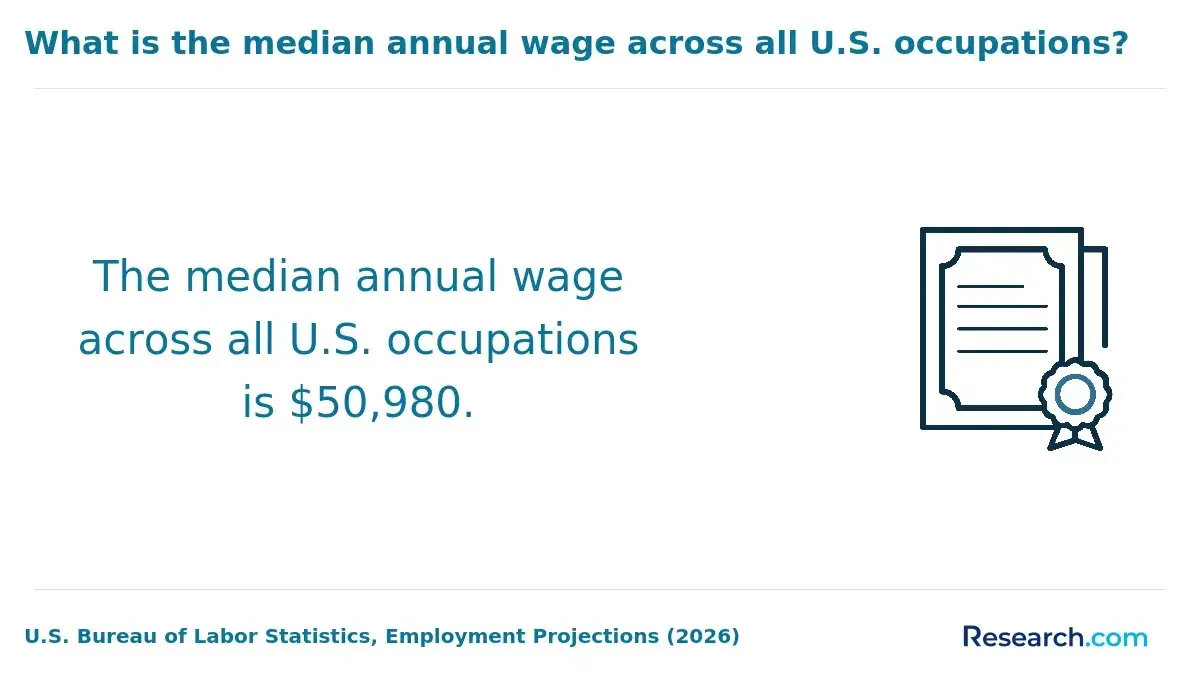
- The U.S. median annual wage for data scientists was $120,230 in May 2025, but that national figure is neither a Bridgeport salary estimate nor a predicted return on a master's degree.
What is an online data science master's degree, and who is it for?
An online data science master's degree is graduate study in using statistics, computing, and data to investigate questions, build models, and communicate results. Programs differ: some emphasize statistical inference, others software and machine learning, and others business decisions. The degree title alone does not tell you which approach you will get.
It may suit a Bridgeport-area analyst seeking more technical work, a software professional moving toward machine learning, or a professional with industry expertise who needs stronger quantitative skills. If your immediate goal is to improve reporting in your current job, a shorter course or employer-supported training may be a better first step. A master's is more compelling when the roles you want call for sustained graduate-level preparation and you can use its projects to demonstrate that preparation.
Which online data science master's programs are available near Bridgeport?
A sensible shortlist includes a Connecticut university and nationally accessible online programs. The examples below are starting points, not a claim that every course, admission route, or residency rule will remain unchanged for your intended term. Check each institution's current program and enrollment information directly.
| Program to investigate | Why it belongs on a Bridgeport shortlist | First point to confirm |
| University of Connecticut, MS in Data Science | A Connecticut-based option for applicants who value a connection to an in-state institution. | Whether the current degree pathway is fully online, and how tuition and any campus activities apply to your enrollment. |
| University of Texas at Austin, online MS in Data Science | A national option for comparing a data-science-specific curriculum with the Connecticut choice. | Current course availability, pacing, and total charges. |
| University of Colorado Boulder, online MS in Data Science | Another national option with which to compare admissions and study format. | Current entry rules, academic requirements, and Connecticut enrollment eligibility. |
| Georgia Institute of Technology, Online MS in Analytics | An adjacent-degree option if analytics courses match your target work better than a degree titled data science. | Whether its curriculum provides the modeling and computing depth your intended roles require. |
"Near Bridgeport" should not exclude a national program that admits Connecticut residents and requires no travel. Conversely, a Connecticut address is useful only if it brings something you will use, such as accessible events, employer connections, or a favorable price. Compare equivalent total costs rather than assuming the nearby school is cheaper. If price is your main constraint, use a broader list of inexpensive online master's degrees in data science to identify additional programs to verify.
How do online data science master's programs compare with campus programs?
Online study can let a Bridgeport professional keep working without a regular campus commute. Campus study may offer easier access to in-person classmates, faculty, and recruiting events. Neither format is automatically more rigorous or more useful for employment: compare the actual courses, instructors, projects, and support rather than the delivery label.
Ask specifically whether online courses have scheduled evening meetings in Eastern time, team projects, supervised exams, or required campus visits. A program with recorded lectures but frequent live sessions may be less flexible than it first appears. A nearby campus program could be preferable if its timetable works for you and you expect to use its in-person network. Include commuting and time away from work when comparing that choice with an online degree; employer support may also change the balance. Explore funding routes for a master's in data science alongside each school's own aid and employer-payment rules.
What do online data science master's programs teach?
Look for a sequence that connects programming, probability and statistics, data preparation, modeling, and evaluation. Projects should require students to explain assumptions and results, not just run a tool. Check course descriptions and recent project examples: a topic named on a marketing page may receive much less attention than a dedicated course.
Choose curriculum according to the work you want to do. For predictive-modeling roles, examine statistical depth and how models are tested. For production-oriented roles, look closely at databases, data pipelines, software practices, and deployment. Professionals interested in AI systems can compare AI master's programs with data engineering skills rather than assuming every data science degree teaches those skills in depth. For roles involving sensitive customer or patient information, ask how projects address privacy, appropriate data use, and communication with nontechnical stakeholders.
What are the admission requirements for online data science master's programs?
Requirements vary by institution. Review each program's current policy for the required degree, mathematics and programming preparation, application materials, tests, and any conditions placed on admission. Professional experience can strengthen an application, but it does not automatically replace a stated prerequisite.
If you come from finance, healthcare, operations, or another field, compare your transcript and work against the program's specific expectations. Ask admissions whether a missing course must be taken for credit or whether other evidence of readiness is accepted. Preparation through self-study may help you succeed without formally satisfying a requirement. Applicants weighing data science against AI can also consider AI master's pathways for graduates from other fields, then check each program's actual entry rules.
How long do online data science master's programs take and cost?
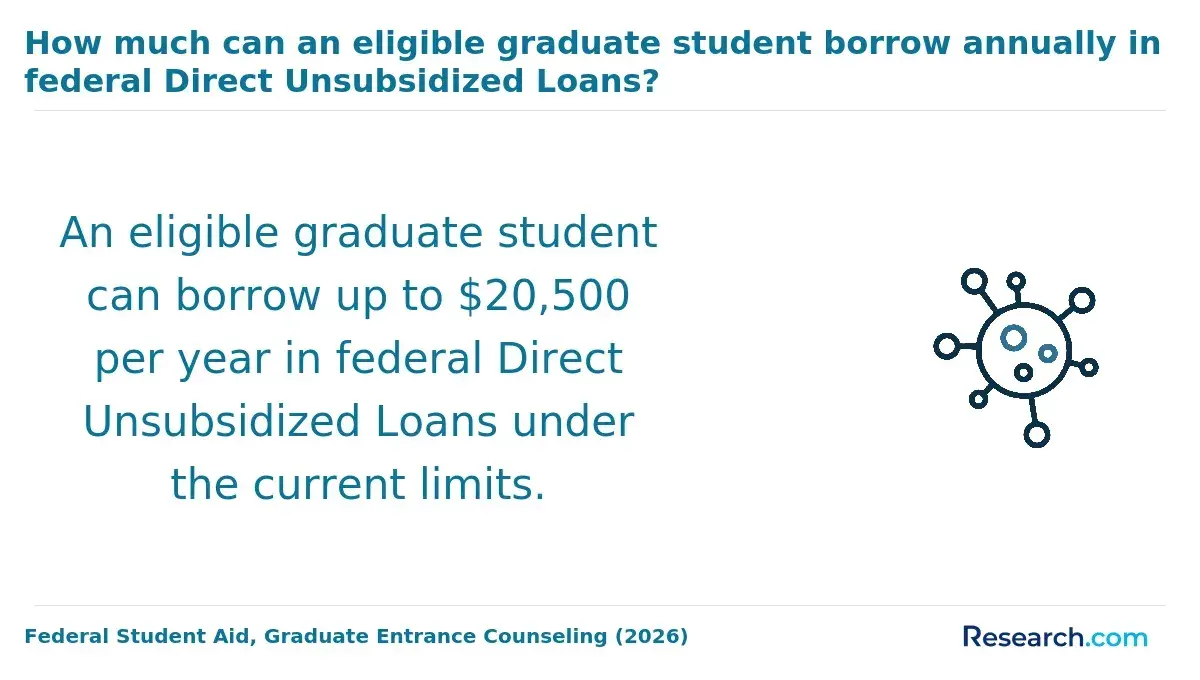
There is no reliable single timeline or price for the programs a Bridgeport resident can attend. Both depend on required credits, course availability, enrollment pace, fees, and whether tuition differs by residency or delivery mode. Obtain a term-by-term plan and a written estimate for your intended start date before judging affordability.
For a useful comparison, calculate required tuition and mandatory fees for the whole degree, then separately account for books or software, possible travel, and financing costs. Ask whether taking fewer courses each term changes fees or access to aid. A shorter schedule may reduce time to completion but demand more hours alongside work; time-efficient graduate study in data science is most valuable when the pace is sustainable. The common mistake is comparing one school's tuition-only figure with another's full estimated cost.
What careers can you pursue with a data science master's degree?
Potential directions include data scientist, machine learning specialist, quantitative analyst, and advanced analytics roles. The right target depends on your previous work as much as your degree: a Bridgeport-area professional who understands an industry's decisions and data may be well positioned for an analytics role in that industry, while a move into engineering-heavy work may require stronger software experience.
Before enrolling, read postings for roles you would realistically seek and note recurring requirements. Then map those requirements to required courses and projects - not just electives you might be unable to schedule. Ask the program how students obtain feedback on portfolios and connect with employers remotely. A degree can support a transition, but it does not substitute for evidence that you can solve the problems in your target role.
How much do data scientists earn in Connecticut?
A current, verified Connecticut-specific wage figure is not established here, so a precise state or Bridgeport salary would be misleading. For context, the U.S. Bureau of Labor Statistics reports a national median annual wage of $120,230 for data scientists in May 2025. Half of workers in that occupation earned more and half earned less nationwide; the figure does not isolate Connecticut, master's graduates, or people entering the field.
For a personal financial decision, compare current Connecticut-area job postings for roles matching your experience, and assess any potential pay change against the degree's full cost and time commitment. Do not treat the national median - or a program's selected alumni examples - as a salary you can expect after graduation.
What is the job outlook for data science careers in Connecticut?
The available projection here is national, not Connecticut-specific: the Bureau of Labor Statistics projects 35% growth in U.S. data scientist employment from 2025 to 2035. That signals national demand for the occupation, but it does not show how many suitable openings will exist near Bridgeport or how competitive they will be.
Bridgeport professionals can widen their search to employers elsewhere if a role permits remote work, but should not assume that every posting does. Look at current openings by employer, work arrangement, and required experience before choosing a specialization. National growth is a reason to investigate the field, not evidence that a local job or career change is assured.
How can you choose an accredited online data science master's program?
Verify the institution's accreditation through a recognized accreditor or the U.S. Department of Education's accreditation records, and confirm that the specific degree - not merely a certificate - appears in the institution's current academic catalog. Accreditation is an institutional quality check; it does not prove that a particular curriculum fits your career goal or that Connecticut residents can enroll in its online format.
Use the same questions for every finalist so the comparison leads to a decision:
- Can Connecticut residents enroll in this exact online degree, and are any campus visits, live meetings, or supervised exams required?
- Which required courses and substantial projects build the skills in my target job postings?
- What is the estimated full cost at my planned pace, including mandatory fees, and what happens if I need to slow down?
- What academic, project, and career support can online students actually access?
Choose the program whose verified curriculum, schedule, and cost best fit your goal. Keep a national option on the shortlist unless an in-state program offers a concrete advantage you expect to use. If a school cannot clearly answer a question that could change your enrollment or budget, resolve it before paying a deposit.
Other Things You Should Know About Data Science
Yes, if the program permits part-time enrollment and its deadlines and required activities fit your schedule. Request a sample course calendar rather than relying on the word "flexible."
Not necessarily. Ask for current hardware and software requirements before buying equipment; programs may provide remote computing resources for some coursework.
Only with your employer's permission and in compliance with its privacy and security policies. Ask the program whether approved public or synthetic datasets are acceptable alternatives.
That depends on the degree. Check the current catalog for a thesis, capstone, other culminating requirement, or a choice among them before comparing programs.
References
- Students | CT.gov https://portal.ct.gov/dolresearch/job-search-and-career-planning/students
- Types of Financial Aid: Grants, Work-Study, and Loans | studentaid.gov https://studentaid.gov/understand-aid/types
- Data Science and Engineering | UC Template 2014 https://computing.engineering.uconn.edu/undergraduate/major-programs/data-science-engineering/
- MS in Data Science | UConn | Online & On-Campus Programs | Master of Science in Data Science | University of Connecticut https://masters.datascience.uconn.edu/
- Workforce Development Funding Options | CT State https://ctstate.edu/index.php
- How to Become a Data Scientist | Harvard SEAS https://seas.harvard.edu/news/how-become-data-scientist
- UB Online https://www.bridgeport.edu/academics/online/
- What's the Difference Between Asynchronous and Synchronous Learning? | Ohio State Online https://online.osu.edu/content-hub/blogs/whats-the-difference-between-asynchronous-and-synchronous-learning/
- Affordable Online Master's in Data Science | Eastern Connecticut State University https://www.easternct.edu/graduate-division/online/articles/affordable-online-masters-in-data-science-how-eastern-connecticut-delivers-roi-without-relocating/
- Distance Education Course Modalities | Online & Distance Learning | Lane Community College https://www.lanecc.edu/programs-academics/online-distance-learning/distance-education-course-modalities