2027 Best Career Training Programs With 8-Week Courses

Co-Founder and Chief Data Scientist
An 8-week program can be a practical way to test a career path or gain job-ready skills quickly, but "fast" does not automatically mean accredited, license-qualifying, or employer-recognized. This guide is for career changers, recent graduates, and workers seeking a short training option.
U.S. Bureau of Labor Statistics projections for 2023-33 show healthcare support occupations are expected to grow faster than the average for all occupations. Learn which programs fit an eight-week timeline, what credentials they provide, what they cost, and how to avoid weak-return options.
Key Things You Should Know
- Eight weeks is realistic for focused, noncredit training, introductory certificates, and exam-prep courses; it is usually not enough for regulated programs such as practical nursing, dental hygiene, or most skilled-trade apprenticeships.
- For hands-on careers, prioritize programs with documented lab hours, clinical or field-placement arrangements, and eligibility for the required state license or third-party certification exam.
- Career outlook varies sharply by target role: BLS projects 15% growth for medical assistants and 11% growth for electricians from 2023-33, while short training alone does not guarantee access to either occupation.
Top 10 Best Career Training Programs With 8-Week Courses
Popular Trade School Programs
Eight-week trade courses commonly cover OSHA safety, basic electrical theory, HVAC maintenance, welding fundamentals, CDL preparation, or construction tools. They may issue a school certificate, not a journeyman license or apprenticeship completion credential. Choose these programs for foundational skills, employer screening requirements, or preparation for an industry exam.
Electrician and HVAC careers generally require substantially longer supervised training, often through apprenticeships. Ask whether the course includes hands-on lab time, required safety credentials, tools, testing fees, and local employer partnerships before paying tuition.
Healthcare Programs
Short healthcare training may prepare students for medical billing, pharmacy technician exam preparation, EKG technician skills, phlebotomy basics, or patient-care support. A school certificate is different from national certification, which may require an approved program, an exam, work experience, or all three. Clinical roles can require background checks, immunizations, CPR training, drug screening, and state-specific approval.
Medical assistant programs are often longer than eight weeks because employers value clinical and administrative competency. Confirm whether the course provides clinical placement or merely classroom instruction.
Criminal Justice / Law Programs
Fast legal and public-safety programs often teach legal research, court procedures, report writing, records management, security fundamentals, or dispatch basics. They can suit people exploring paralegal support, legal-office administration, corrections support, or private-security work.
An eight-week certificate does not usually meet the education and supervised-training standards for police officer roles, attorney licensure, or many certified paralegal pathways. Security licensing is state-specific and may require fingerprinting and background checks. Verify the credential an employer actually requests before enrolling.
Arts & Design Programs
Short arts and design training can build entry-level capability in Adobe software, UX foundations, digital marketing assets, photography, video editing, or portfolio development. These programs work best when they produce demonstrable projects rather than only completion badges.
They are generally noncredit and rarely transfer automatically into a degree. For graphic design and freelance creative work, a portfolio, client communication, and software proficiency often matter more than course length. Students seeking art-direction or advanced UX roles usually need deeper experience, a stronger portfolio, or a degree.
What are 8-week career training programs and who are they best suited for?
An 8-week career training program is an accelerated, focused course designed to teach a narrow set of occupational skills. Providers include community colleges, adult education divisions, private career schools, workforce agencies, unions, employers, and online training companies. The result may be a noncredit certificate of completion, a credit-bearing college certificate course, or preparation for a separate certification examination.
These programs are best for adults who need a rapid skills refresh, want to explore a field before committing to a longer credential, or need a defined prerequisite such as workplace safety training. They are less suitable when a career requires extensive clinical practice, apprenticeship hours, a degree, or state licensure.
The comparison below helps separate fast programs that can support a near-term employment goal from paths that require more training.
| Program type | Typical eight-week outcome | Best use | Important limitation |
| Noncredit career training | Certificate of completion | Targeted job skills or career exploration | May not transfer for college credit |
| Certification exam preparation | Training plus possible exam eligibility | Preparing for a recognized industry credential | Completion does not equal certification |
| Credit-bearing college course | Academic credits or part of a certificate | Starting a stackable college pathway | One course rarely qualifies a learner for a job alone |
| Employer-sponsored training | Role-specific onboarding skills | Workers already hired or selected | Skills may be less portable between employers |
Before choosing speed, identify the exact job title, the local hiring requirement, and whether the course credential is accepted. A short course can be a strong first step; it should not be marketed as a substitute for legally required education or supervised experience.
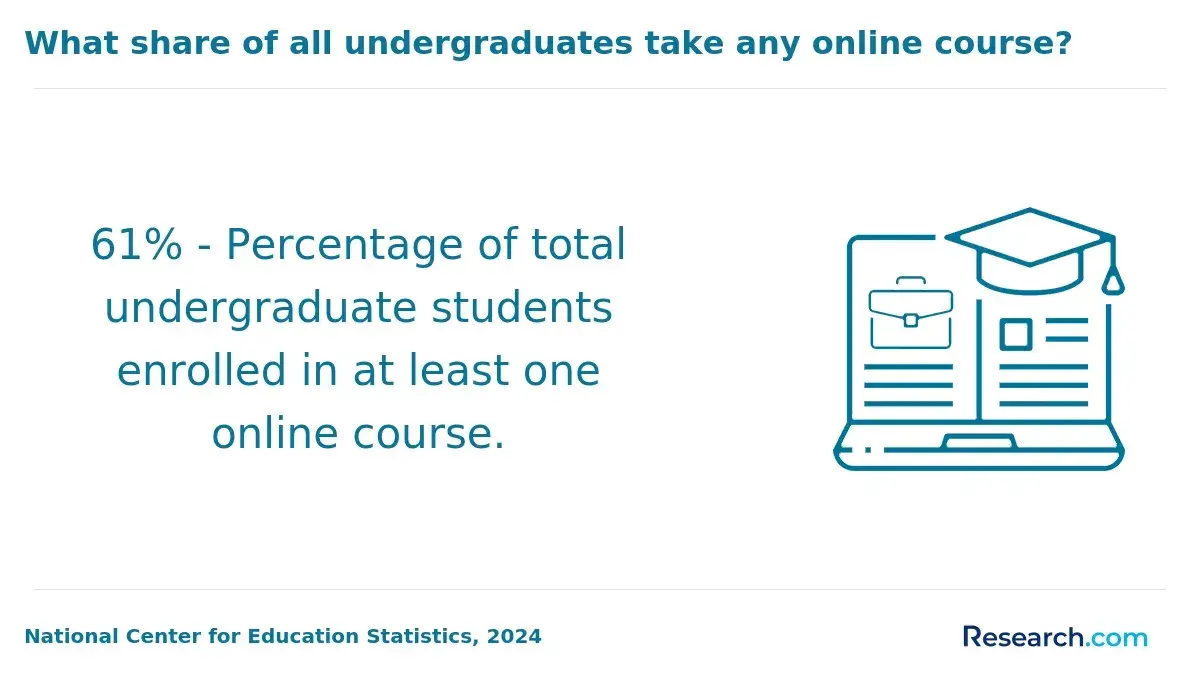
How do online 8-week career training courses compare to campus-based options?
Online eight-week courses are often strongest for software-based, administrative, customer-service, billing, design, and exam-preparation topics. Campus or hybrid delivery is usually stronger for welding, HVAC, electrical work, phlebotomy, EKG, patient care, and other skills that depend on equipment, instructor observation, or clinical practice.
This comparison shows the trade-off between convenience and verified hands-on preparation.
| Factor | Online option | Campus or hybrid option |
| Scheduling | Often asynchronous and flexible | Fixed lab, class, or clinical times |
| Hands-on practice | Limited unless local placement is arranged | Direct access to equipment and supervision |
| Networking | Depends on virtual career services | More direct instructor and local-employer contact |
| Licensure preparation | Must be checked state by state | May better support required practical hours |
Online learning is not inherently lower quality, but students should confirm how skills are assessed and whether proctored exams, equipment kits, externships, or local clinical placements are included. Active-duty personnel, veterans, and military families may also benefit from reviewing online military-friendly colleges when a short course is part of a longer education plan.
What accreditation and licensing requirements should 8-week career training programs meet?
Accreditation matters most when a program leads toward a regulated occupation, federal student aid eligibility, transfer credit, or a certification examination with education requirements. Institutional accreditation evaluates a college as a whole; programmatic accreditation evaluates specific programs, such as certain allied-health offerings.
A private training company may be legitimate without college accreditation, but it should clearly state what credential it awards and what employers recognize it.
Licensure is separate from accreditation. A state licensing board determines whether education, exams, background checks, and supervised hours meet legal requirements. This is especially important for nursing, practical nursing, cosmetology, electrical work, plumbing, HVAC contracting, security work, and emergency medical services.
Use the following checks before enrolling in a regulated or certification-focused pathway.
- Find the state board or certifying organization that governs the target job.
- Confirm the school and exact program appear on the board's approved-provider list when approval is required.
- Ask whether all lab, clinical, externship, and supervised-hour requirements are included in the published tuition.
- Get written confirmation of exam eligibility, not just a statement that the program "prepares" students for an exam.
A major red flag is a provider that promises licensure without naming the state, board, or required examination. Requirements can change, so verify them directly before making a nonrefundable payment.
What admission requirements and prerequisites do most 8-week career programs have?
Admissions requirements depend on the provider and the skill level of the course. Many noncredit eight-week programs use open enrollment and require only identity verification, payment, and basic computer access. College-based courses may require an application, placement review, or prerequisite coursework, while clinical programs commonly add health and background requirements.
Applicants should expect some combination of the following, particularly for healthcare and safety-sensitive training.
- A high school diploma, GED, or equivalent when the provider or certification exam requires it.
- Minimum age, identity, and work-authorization documentation where required by the provider or employer.
- Basic reading, math, keyboarding, or computer-navigation skills for technical and administrative programs.
- Prerequisite courses or prior experience for advanced software, electrical, or healthcare offerings.
- Background check, drug screening, immunizations, CPR certification, or physical-capacity documentation for clinical placements.
Do not assume a no-GPA-admission policy means a course has no barriers. A provider may admit students openly but still restrict externships, certification exams, or employment support based on separate requirements. Ask what happens if a student cannot clear a required background check or complete a placement.
How much do 8-week career training programs cost and what financial aid is available?
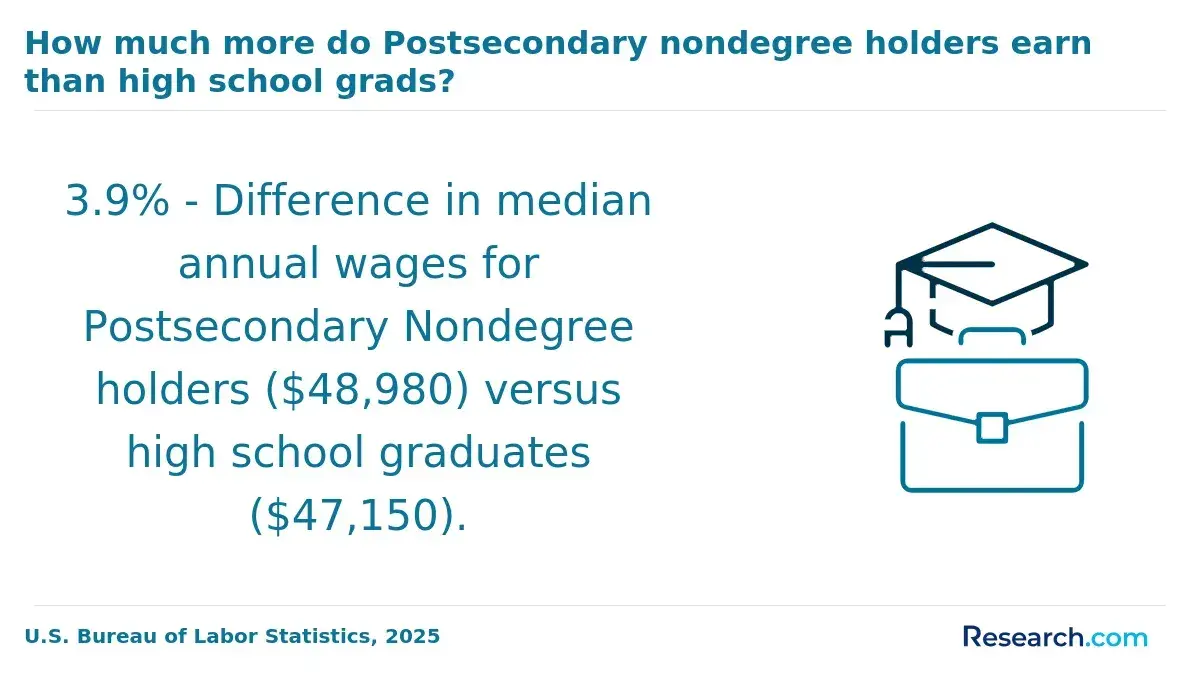
Cost can range from a low-cost workforce course to several thousand dollars for private-school training with equipment, labs, exam preparation, or externships. The meaningful figure is total cost: tuition, registration, books, software, tools, uniforms, insurance, background checks, certification exams, and travel to required sites. An eight-week schedule can also reduce work hours, creating an indirect cost.
Federal aid is not automatic. Many short noncredit programs do not qualify for federal student aid, while eligible credit-bearing programs at approved institutions may.
Compare options such as employer tuition assistance, Workforce Innovation and Opportunity Act funding through local workforce agencies, veterans' education benefits when applicable, payment plans, scholarships, and state workforce grants. Students considering an aid-eligible academic route can compare cheapest online colleges that accept FAFSA before borrowing for a private course.
Use this cost review to compare offers that advertise similar tuition but include very different services.
| Cost category | Questions to ask | Why it affects value |
| Published tuition | Is this the full program price or per module? | Prevents surprise charges |
| Required supplies | Are tools, kits, software, and uniforms included? | Hands-on fields can add substantial expenses |
| Testing and licensing | Are exam, fingerprinting, and application fees included? | Completion may not be the final career cost |
| Career services | Are placement services included and documented? | Helps distinguish training from job-search support |
A low tuition price is not automatically the best value if it excludes mandatory practical training or does not lead to a recognized next step.
What skills, coursework, and certifications do 8-week programs typically include?
Eight-week programs typically narrow their curriculum to immediate workplace tasks. A strong course explains which skills are taught, how competency is assessed, and whether the outcome is a school certificate, academic credit, or eligibility to pursue an independent certification.
Common coursework includes safety and compliance, communication, documentation, basic digital tools, job-specific terminology, customer interaction, and supervised practice. Trade courses may add tool use, measurements, prints, and troubleshooting.
Healthcare courses may cover privacy, infection control, vital signs, scheduling, coding, or specimen handling. Legal courses may focus on legal terminology, records, research, and writing. Design courses should include software workflows and portfolio projects.
Certification preparation deserves extra scrutiny. For example, a course may help a learner prepare for an OSHA, CompTIA, pharmacy technician, billing-and-coding, or other industry exam, but the certifying body - not the school - awards the certification. Ask for the exam name, eligibility rules, passing standard, retake policy, and whether the exam fee is included.
What entry-level and mid-career jobs can 8-week training programs lead to?
Short training can lead most directly to entry-level support roles, trainee positions, or jobs where an employer provides additional onboarding. It can also help an experienced worker move into a more specialized task area, such as billing, scheduling, drafting, technical support, quality documentation, or digital-content production.
The realistic outcome depends on whether employers in the local market treat the training as sufficient, preferred, or merely helpful. The following examples distinguish roles that may be accessible after targeted training from roles that normally require longer preparation.
| Training focus | Potential entry-level direction | Role that usually needs more than eight weeks |
| Medical administration | Medical receptionist or billing support | Medical assistant with clinical duties |
| HVAC fundamentals | Helper, installer assistant, or maintenance trainee | Independent HVAC technician or contractor |
| Legal support | Legal intake, records, or administrative support | Experienced paralegal or attorney |
| Digital design | Production assistant or junior freelance project work | Art director or senior UX designer |
People who prefer concentrated, independent work may find useful role ideas in this guide to introvert jobs, but personality fit should be only one factor alongside training requirements, pay, schedule, and local openings.
What salary ranges and job outlook can graduates expect from short career programs?
Salary data should be used as occupational context, not as a promise attached to a short program. Pay varies by location, employer, experience, union status, shifts, commissions, and whether the worker holds required licenses or certifications. The U.S. Bureau of Labor Statistics reported a May 2024 median annual wage of $62,350 for electricians and $44,200 for medical assistants; neither figure means an eight-week graduate will start at that level.
Outlook can help prioritize fields with sustained demand. BLS projects medical assistant employment to grow 15% and electrician employment to grow 11% from 2023-33, both faster than the average for all occupations. Those projections reflect the occupations broadly and include workers with varied education and experience levels.
For decision-making, compare local job postings against the program's stated outcome. Count how many postings request the exact credential, ask what experience level is common, and identify whether the employer requires a license, an apprenticeship, or a degree beyond the course. A short program has a better return when it closes a clearly documented hiring gap rather than adding a vague résumé line.
How can students choose a reputable, high-return 8-week career training program?
A reputable high-return program connects a defined curriculum to a specific hiring requirement and is transparent about what it cannot do. Start with job postings in your area, then work backward to the shortest credential that employers consistently request. If the role requires a longer academic pathway, an accelerated course can still be useful as an introduction, but it should not replace the required program.
Compare programs using evidence rather than advertising claims.
- Choose a target job title and collect at least several local postings for that role.
- Match each posting's required license, certification, software, education, and experience to the program curriculum.
- Request the total price in writing, including supplies, testing, background checks, and placement-related costs.
- Verify approval, accreditation, or certification-exam eligibility with the relevant regulator or certifying body.
- Ask for documented completion, examination, placement, and withdrawal information, including how the school defines "placed."
- Read cancellation, refund, transfer-credit, and complaint policies before signing an enrollment agreement.
Common mistakes include confusing a completion certificate with an industry certification, choosing online training for a hands-on licensed role without a placement plan, and comparing tuition without comparing mandatory fees. Learners who want a broader credential with more transfer potential may also explore an associate degree in 6 months online, while carefully confirming credit load, transferability, and whether accelerated pacing is realistic.
Other Things You Should Know About
Possibly, especially in support, trainee, administrative, customer-service, or software-based roles. Results depend on local employer requirements, your prior experience, the program's recognition, and whether the field requires licensing or additional supervised training.
Some college-based certificates are offered by accredited institutions, but many short courses are noncredit and do not carry separate accreditation. For regulated careers, verify program approval with the relevant state board or certifying organization.
It can be worthwhile for digital, administrative, and exam-preparation skills. For careers requiring labs, clinicals, equipment practice, or state-mandated hours, choose a hybrid or campus option unless the provider documents how practical requirements are completed.
A certificate is usually awarded by a school or training provider after course completion. A certification is generally awarded by an independent professional organization after a learner meets its standards, which may include an examination, experience, or continuing education.
References
- Your Guide to Finding Career Training Programs - Midwest Technical Institute https://www.midwesttech.edu/resources/how-to-find-career-training-programs/
- Career Training - Workforce Solutions for Tarrant County https://workforcesolutions.net/job-seeker-services/career-training/
- Vocational programs and alternative pathways - Institute for Collaborative Education http://www.iceschoolnyc.org/vocational-programs-and-alternative-pathways
- How to Choose the Right Career Training Program for Your Future https://ccitraining.edu/blog/choose-career-training-program/
- Job Training - United Way of Metropolitan Dallas https://unitedwaydallas.org/resources/job-training/
- Free Job Training in New York City - STRIVE https://strive.org/our-network/new-york
- 5 Most Popular Job Training Sectors In The US https://coggno.com/blog/business-skills/5-most-popular-job-training-sectors-in-the-us/
- For-profit workforce training, funded by public dollars https://hechingerreport.org/wasted-money-how-career-training-companies-scoop-up-federal-funds-with-little-oversight/
- A Better Metric for the Value of a Worker Training Program | Generation https://www.generation.org/news/a-better-metric-for-the-value-of-a-worker-training-program/
- Vocational Training Programs for New Careers - Commonpoint https://www.commonpoint.org/program/vocational-training-programs-for-new-careers