2027 Are There Any One-Year Online Exercise Science Degree Programs Worth Considering?

Co-Founder and Chief Data Scientist
If you are searching for a one-year online exercise science degree, the key question is not only speed. It is whether the program is accredited, realistic, transferable, and strong enough to support your career or graduate school plans. Exercise science is an applied field, so program length matters, but so do lab-based concepts, field experience, certification preparation, and the quality of academic advising.
The short answer is that a true accredited one-year online exercise science degree is rarely a realistic option, especially for students starting with little or no college credit. However, some students can shorten their timeline through transfer credits, accelerated terms, year-round enrollment, certificates, or degree-completion formats.
This guide explains what “one-year” usually means in this field, which faster online pathways are available, what to verify before enrolling, how costs and financial aid work, and what trade-offs come with an accelerated exercise science education.
Key Points About One-Year Online Exercise Science Degree Programs
- One-year online Exercise Science degrees are rare, often focusing on certificates or accelerated bachelor's tracks rather than full degrees, contrasting with traditional 4-year programs emphasizing hands-on labs.
- Such programs prioritize theoretical knowledge and applied digital simulations due to limited access to physical internships, potentially impacting practical skill development essential for industry readiness.
- Students should verify accreditation and faculty expertise carefully, as accelerated programs may have varied recognition and typically attract working professionals seeking quick skill upgrades.
Is it feasible to finish a exercise science degree in one year?
For most students, finishing an exercise science degree entirely online in one year is not feasible. Accredited associate, bachelor’s, and master’s programs usually require more time because students must complete a structured sequence of science, health, fitness, research, and applied coursework.
A one-year timeline may be possible only in narrow situations. The most likely candidate is a student who already has substantial transferable college credit, has completed major prerequisites, can study full time or more than full time, and enrolls in a program with accelerated or year-round courses. Even then, the student may still need to complete a capstone, internship, practicum, or other applied requirement.
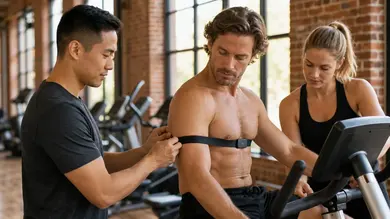
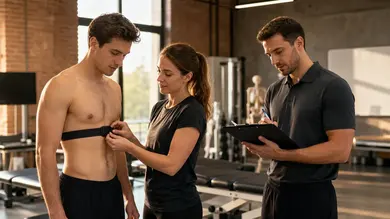
Exercise science is not just a reading-based major. Students commonly study anatomy, physiology, biomechanics, nutrition, kinesiology, exercise testing, program design, and injury prevention. These subjects build on one another, so compressing them too aggressively can weaken understanding and make certification or graduate school preparation harder.
Before assuming a one-year path is possible, ask the school three direct questions:
- How many credits must I complete at your institution? Transfer policies vary, and some schools limit how many credits can apply to the major.
- Are all required courses offered every term? A missing prerequisite or course rotation can delay graduation.
- Are internships, practicums, or capstones required? These requirements can add scheduling constraints even in online programs.
The safest expectation is this: a one-year completion plan is usually a degree-completion scenario, not a full degree from start to finish.
Are there available one-year online exercise science degree programs?
At present, there are no accredited one-year online exercise science degree programs in the USA. Students who want a faster route should look for accelerated online bachelor’s programs, transfer-friendly degree-completion options, or shorter certificate programs that can build skills without claiming to replace a full degree.
The important distinction is between a one-year degree and a faster pathway. A school may allow students to finish more quickly if they bring in transfer credits, enroll continuously, or complete condensed online terms. That does not mean the degree itself is designed for all students to complete in one year.
For broader context on accelerated graduate study, readers can compare other fast-format options through one year masters programs.
Examples of online exercise science programs with faster or flexible elements include:
- Methodist University's Online BS in Exercise & Sport Science: This program takes between 2.5 to 4 years to complete and requires 124 credit hours. It covers human nutrition, sport psychology, biomechanics, and exercise physiology. The program is 100% online and allows up to 93 transfer credits, which can help qualified students shorten their path.
- Maryville Online Bachelor of Science in Exercise Science: This program is typically completed in four years and requires 128 credit hours. It includes concentrations in Wellness Management and Strength and Conditioning, with a curriculum developed with input from industry leaders.
- PennWest Global Online Bachelor's in Exercise Science: This 120-credit program focuses on Human Performance and Wellness. It is designed to support students interested in professional certifications, including the Certified Personal Trainer credential from the National Academy of Sports Medicine.
When comparing programs, read the graduation timeline carefully. A program that accepts many transfer credits may be fast for some students but still follow a standard bachelor’s degree structure for first-time college students.
Why consider taking up one-year online exercise science programs?
Students usually consider one-year online exercise science programs because they want speed, flexibility, and career relevance. In practice, this often means an accelerated certificate, a degree-completion pathway, or a transfer-heavy bachelor’s plan rather than a complete one-year degree.
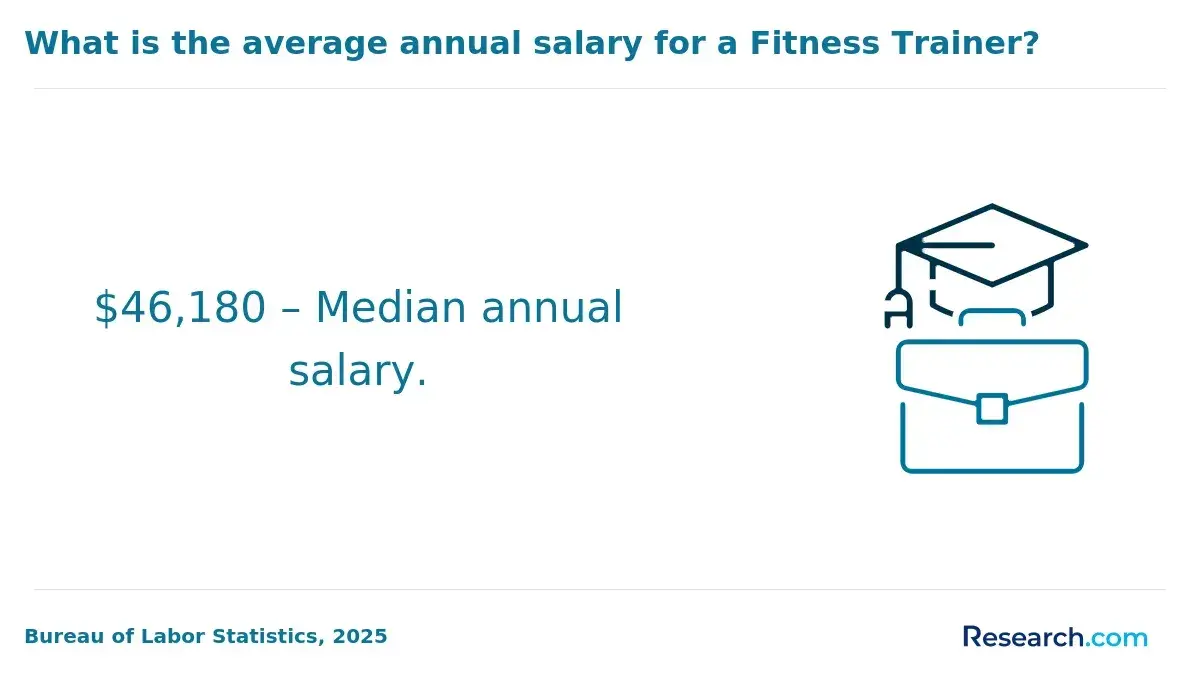
The appeal is understandable. Exercise science connects directly to fitness, wellness, coaching, rehabilitation support, strength and conditioning, and preparation for allied health pathways. For adults already working in fitness or health-related roles, online study can make it possible to keep earning income while completing academic requirements.
These programs may be worth considering if they match one of the following goals:
- Career change: Students moving into health, fitness, or wellness may want foundational coursework without waiting several years to enter the field.
- Credential improvement: Current personal trainers, coaches, wellness staff, or healthcare support workers may use online coursework to strengthen their academic background.
- Transfer-based degree completion: Students with prior college credits may be able to finish remaining requirements faster than a traditional timeline.
- Flexible scheduling: Online formats can help students balance coursework with employment, caregiving, military service, or relocation.
- Certification preparation: Some programs align coursework with professional credentials in fitness or performance training.
The strongest reason to choose an accelerated option is not simply to finish quickly. It is to complete a legitimate program that supports your next step, whether that is employment, certification, graduate study, or advancement in a current role.
Students comparing fast academic paths in other fields can also review options such as the easiest PhD to obtain, but exercise science applicants should be especially cautious because applied learning and accreditation carry significant weight.
What are the drawbacks of pursuing one-year online exercise science programs?
The main drawback is that an extremely compressed online format may not give students enough time to master scientific concepts or apply them in realistic settings. Exercise science requires more than memorizing terminology. Students need to understand movement, physiology, assessment, programming, safety, and client-specific decision-making.
Accelerated online study can work for disciplined students with prior preparation, but it can create problems when speed replaces depth. Before enrolling, weigh these risks carefully:
- Heavy academic load: Anatomy, physiology, biomechanics, nutrition, and exercise programming are demanding subjects. Taking them in a compressed schedule can increase stress and reduce long-term retention.
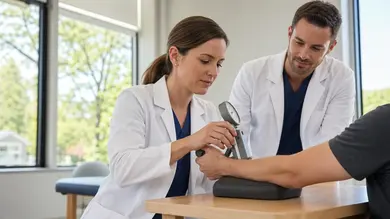
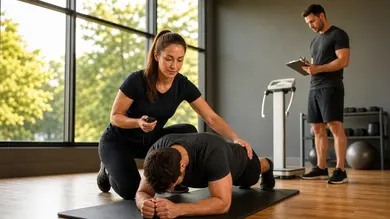
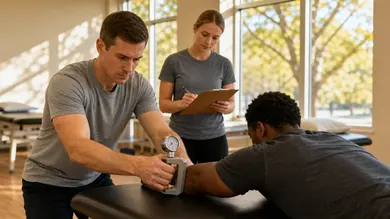
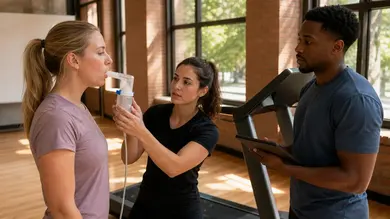
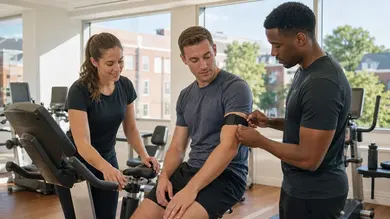
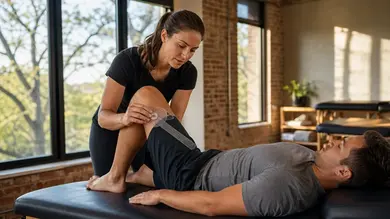
- Limited hands-on experience: Online programs may struggle to replicate movement analysis, lab activities, exercise testing, and supervised coaching practice. Ask how the program handles practical skill development.
- Less time for internships: Internships and field experiences can be important for job readiness. An accelerated calendar may leave little room to schedule meaningful applied work.
- Reduced faculty and peer interaction: Online formats can limit informal mentoring, networking, and relationship-building unless the program intentionally supports advising and community.
- Certification pressure: Students who plan to sit for professional certifications may need extra preparation time beyond degree coursework.
- Higher risk of choosing a weak program: Some schools market speed aggressively. A fast program that lacks accreditation, strong coursework, or employer recognition can be a poor investment.
A faster path is most useful when it preserves academic quality. If the program cannot clearly explain its accreditation, transfer policy, applied learning requirements, and graduate outcomes, keep looking.
What are the eligibility requirements for one-year online exercise science programs?
Eligibility requirements depend on the school, degree level, and whether the program is a certificate, bachelor’s degree, or degree-completion pathway. Because a one-year timeline usually depends on advanced standing, students with prior college credit are generally better positioned than first-time college applicants.
Most accelerated exercise science pathways expect applicants to show that they are academically ready for upper-level coursework in physiology, biomechanics, kinesiology, nutrition, and related subjects. Schools may also evaluate whether prior credits satisfy general education, science prerequisites, or major requirements.
Common eligibility requirements include:
- Prior College Credits: Many faster pathways require a significant number of transfer credits. Some programs accept up to 93 transfer credits, which can reduce the remaining time to completion.
- Professional Experience: Fitness, coaching, health sciences, or wellness experience may not always be required, but it can help students succeed in applied coursework and align the degree with certification goals.
- Prerequisite Coursework: Schools may expect previous study in anatomy, biology, physiology, or related sciences. Some programs may use placement exams or transcript reviews to determine readiness.
- Minimum GPA: A typical requirement is a minimum GPA of about 2.0 on a 4.0 scale.
- Official Transcripts: Applicants usually must submit transcripts from all previous post-secondary institutions so the school can evaluate transfer credit and academic standing.
- Technology Access: Online students need reliable internet access and hardware that meets the institution’s learning platform requirements.
- Application Materials: An online application is standard. Some schools may also request an academic success essay if an applicant does not meet baseline criteria.
- Background Checks and Interviews: These may be required for programs with clinical, coaching, internship, or field-placement components.
Students with fewer transfer credits may still be admitted, but they should not expect to finish in one year. They may need to complete general education courses, science prerequisites, or introductory major courses before reaching advanced exercise science content.
If your long-term plan includes graduate study, it can also help to compare accelerated graduate formats, including the quickest way to get a master's degree, while confirming that your undergraduate coursework will meet prerequisite expectations.
What should I look for in one-year online exercise science degree programs?
Start by being skeptical of any school that advertises a full exercise science bachelor’s degree as a simple one-year option for all students. Standard online exercise science bachelor’s degrees typically require 120-128 credit hours and take four to five years to complete. Even accelerated options, such as Methodist University's fastest program, require at least 2.5 years.
If you are comparing accelerated or transfer-friendly programs, focus on evidence of quality rather than the shortest advertised timeline. A legitimate program should make its requirements, accreditation, credit policies, and applied learning expectations easy to verify.
Key factors to review include:
- Accreditation for online Exercise Science degree programs: Regional accreditation, such as from SACSCOC, helps protect credit transfer, financial aid eligibility, graduate school recognition, and employer acceptance.
- Curriculum depth: Strong programs cover anatomy, physiology, biomechanics, exercise physiology, nutrition, kinesiology, assessment, and program design. Look for sufficient major-specific coursework rather than a thin collection of general health classes.
- Transfer credit policy: Some programs accept up to 93 transfer credits. Confirm not only the maximum number accepted but also how credits apply to general education, electives, prerequisites, and major courses.
- Applied learning: Ask whether the program includes practicums, internships, labs, simulations, case studies, or capstone projects. Exercise science graduates need to apply concepts, not just pass online quizzes.
- Certification alignment: Programs connected to credentials such as the NASM Certified Personal Trainer can add value, especially for students targeting fitness, strength and conditioning, or wellness roles.
- Course delivery format: Asynchronous courses may be better for working adults, while synchronous sessions can provide more structure and faculty interaction.
- Advising quality: Accelerated students need careful course planning. A single missed prerequisite can delay graduation.
- Total cost and aid eligibility: Compare tuition, fees, textbooks, technology fees, and whether the school participates in federal financial aid programs.
Students who want a realistic comparison of accredited online options can review an online exercise science degree guide before narrowing their choices.
Because no genuine one-year online exercise science degrees are currently available, students should also consider affordability and aid access. A review of the most affordable online schools that accept fafsa can help identify schools that may offer more practical degree-completion options.
How much do one-year online exercise science degree programs typically cost?
Because one-year online exercise science degrees are uncommon, cost estimates usually apply to accelerated certificates, short-term programs, or transfer-based degree-completion plans rather than a complete bachelor’s degree from start to finish. The final price depends heavily on how many credits you still need.
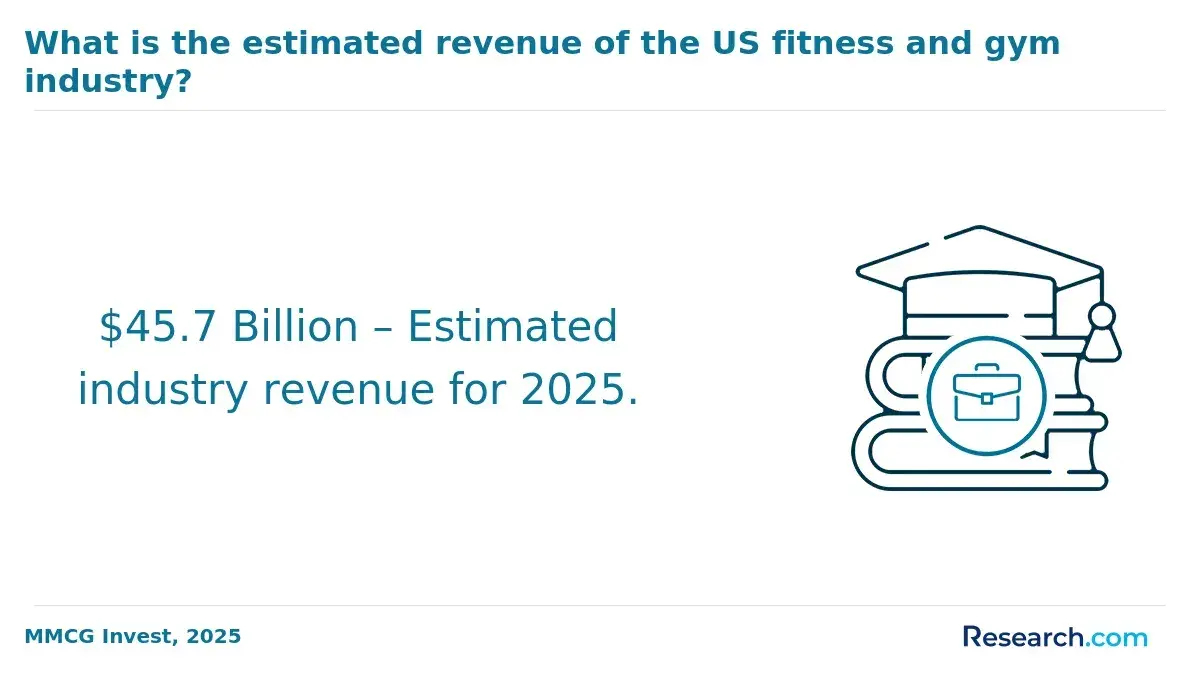
Tuition for shorter programs generally ranges between $7,000 and $20,000 at public universities, while private institutions often charge upwards of $30,000 annually. Costs can increase when programs add technology fees, lab fees, textbooks, online course fees, exam fees, or internship-related expenses.
Several factors shape the total cost:
- Public or private institution: Public universities often charge less than private institutions, though online pricing policies vary.
- Residency status: Some schools charge different rates for in-state and out-of-state students, while others use a flat online tuition rate.
- Credits remaining: A student transferring many credits may pay far less than a student starting from the beginning.
- Per-credit tuition: Accelerated or certificate formats may have higher per-credit rates even if the total program is shorter.
- Required field experiences: Practicums, internships, background checks, or professional equipment can add costs beyond tuition.
Traditional four-year exercise science degrees can cost anywhere from $40,000 to $120,000 in tuition alone. A faster online pathway may reduce total cost if it accepts transfer credit and avoids unnecessary courses, but students should calculate the full degree cost, not just one term or one year of tuition.
What can I expect from one-year online exercise science degree programs?
Students should expect an intensive, highly structured experience. A one-year timeline, when available, usually means the student is completing remaining requirements after transferring substantial prior credit. It is not the normal pace for a full exercise science bachelor’s degree.
The curriculum commonly includes online lectures, readings, quizzes, discussions, projects, and applied assignments in subjects such as anatomy, physiology, nutrition, biomechanics, sport psychology, kinesiology, and exercise programming. Depending on the school, students may also complete case studies, a capstone project, practicum hours, or an internship.
In a compressed program, the workload can be demanding. Students may need to study several days a week, complete overlapping science courses, and manage deadlines without the structure of daily campus attendance. Success usually depends on strong time management, comfort with online learning platforms, and the ability to learn technical material quickly.
You can expect to build skills in areas such as:
- understanding human movement and exercise response;
- designing safe and appropriate fitness or wellness programs;
- applying nutrition and health behavior concepts;
- interpreting basic assessment information;
- communicating exercise recommendations to different populations; and
- connecting academic coursework to certification, employment, or graduate study goals.
The best programs make applied learning visible even in an online format. Look for assignments tied to real-world scenarios, video demonstrations, supervised fieldwork, or projects that require students to design evidence-informed exercise or wellness plans.
Students interested in combining exercise science with another field may also compare options through a list of dual degree programs.
Are there financial aid options for one-year online exercise science degree programs?
Financial aid may be available, but eligibility depends on the institution, accreditation status, program type, enrollment level, and whether the program qualifies for federal aid. Students should never assume that a short or accelerated online program is automatically aid-eligible.
For accredited degree programs, the usual starting point is the Free Application for Federal Student Aid (FAFSA). Aid eligibility typically depends on financial need, citizenship status, enrollment status, satisfactory academic progress, and the school’s participation in federal aid programs.
- Federal and State Aid: Eligible students may qualify for Pell Grants, federal student loans, or state aid programs. Students generally need to complete the FAFSA each academic year.
- Scholarships: Schools, private organizations, and professional groups may offer merit-based or need-based scholarships for Exercise Science students. Transfer students and military-affiliated applicants may also qualify for institutional discounts or awards.
- Employer Tuition Assistance: Some employers reimburse tuition for education connected to workplace wellness, fitness, coaching, healthcare support, or professional development. Policies vary by employer.
- Private Grants: Foundations or fitness organizations may offer funding, but these awards often require separate applications and may have service, academic, or membership requirements.
Accelerated programs can create financial aid timing issues because courses may run in shorter terms or require continuous enrollment. Contact the financial aid office before enrolling to confirm aid eligibility, disbursement timing, refund policies, and the cost of changing your course load.
Because truly one-year exercise science degree programs online are limited, verify the program length, credential type, and accreditation before making financial commitments.
What Exercise Science Graduates Say About Their Online Degree
- Kurt: "Pursuing a one-year online Exercise Science degree was a game-changer for me. The accelerated format allowed me to complete my studies quickly without compromising the quality of education, all while managing my full-time job. Plus, the average cost of attendance made it an affordable investment in my future career."
- Courtney: "The competency-based structure of the Exercise Science program truly catered to my learning style. I appreciated the flexibility to focus on mastering each topic at my own pace, which deepened my understanding and prepared me well for real-world applications. It's been a rewarding experience that exceeded my expectations."
- Frances: "Choosing the online Exercise Science degree was a decisive step in advancing my fitness career. The program's efficient format helped me graduate faster than traditional paths, and the comprehensive curriculum gave me confidence in both theoretical knowledge and practical skills. This degree has opened many doors professionally."
Other Things You Should Know About Pursuing One-Year Exercise Science Degrees
Yes. Many accelerated programs require a capstone, practicum, or internship to document applied learning, even when most coursework is online. A common requirement is 120 total credits for the bachelor’s degree, with the final experience completed at an approved site and supervised by a faculty member.
One-year online exercise science programs often use virtual simulations and partnerships with local gyms or clinics for practical training. Students may be required to complete hands-on exercises in their community to fulfill lab requirements, ensuring they gain essential practical experience.
Employers and certifying organizations generally recognize exercise science degrees from accredited institutions, regardless of program length or delivery format. A one-year online degree can be suitable for entry-level roles or as a stepping stone toward certification if it covers necessary coursework. Accreditation status and curriculum alignment with certification requirements are critical factors influencing acceptance.
References
- Online Exercise Science Program https://stmary.edu/online-programs/exercise-science.html
- Is an Exercise Science Degree Really Worth It? - Part 1 - EricCressey.com https://ericcressey.com/is-an-exercise-science-degree-1/
- Benefits of an Exercise Science Degree https://exsci.cuchicago.edu/why-earn-your-exercise-science-degree/
- Exercise Science Careers: Paths with Degrees https://www.fitnessmentors.com/exercise-science-careers/
- Online Exercise Science Degrees: Top School Review https://www.edumed.org/online-schools/exercise-science-degrees/
- Online Sports Science Undergraduate Tutors Spires™ | Is A Degree In Sports Science Worth It? https://spires.co/online-sports-science-tutors/undergraduate/is-a-degree-in-sports-science-worth-it
- 6 reasons to earn a degree in kinesiology online with Oregon State https://ecampus.oregonstate.edu/news/6-reasons-to-earn-kinesiology-degree/
- A virtual versus blended learning approach to higher education during the COVID-19 pandemic: The experiences of a sport and exercise science student cohort - ScienceDirect https://www.sciencedirect.com/science/article/abs/pii/S1473837621000642
- Top 15 Affordable Exercise Science Degree Online Programs https://www.sports-management-degrees.com/affordable-online-bachelors-sports-science/