2027 What Do You Learn in an Exercise Science Degree: Curriculum, Skills & Core Competencies

Co-Founder and Chief Data Scientist
An exercise science degree is for students who want to understand how movement, training, recovery, and physical activity affect the human body—and how that knowledge can be applied in fitness, healthcare, rehabilitation, sports performance, and wellness settings. The decision is not simply whether the major sounds interesting. Prospective students need to know what the curriculum covers, what skills employers expect, how much hands-on training is included, and which career paths may require additional certification, graduate study, or licensure.
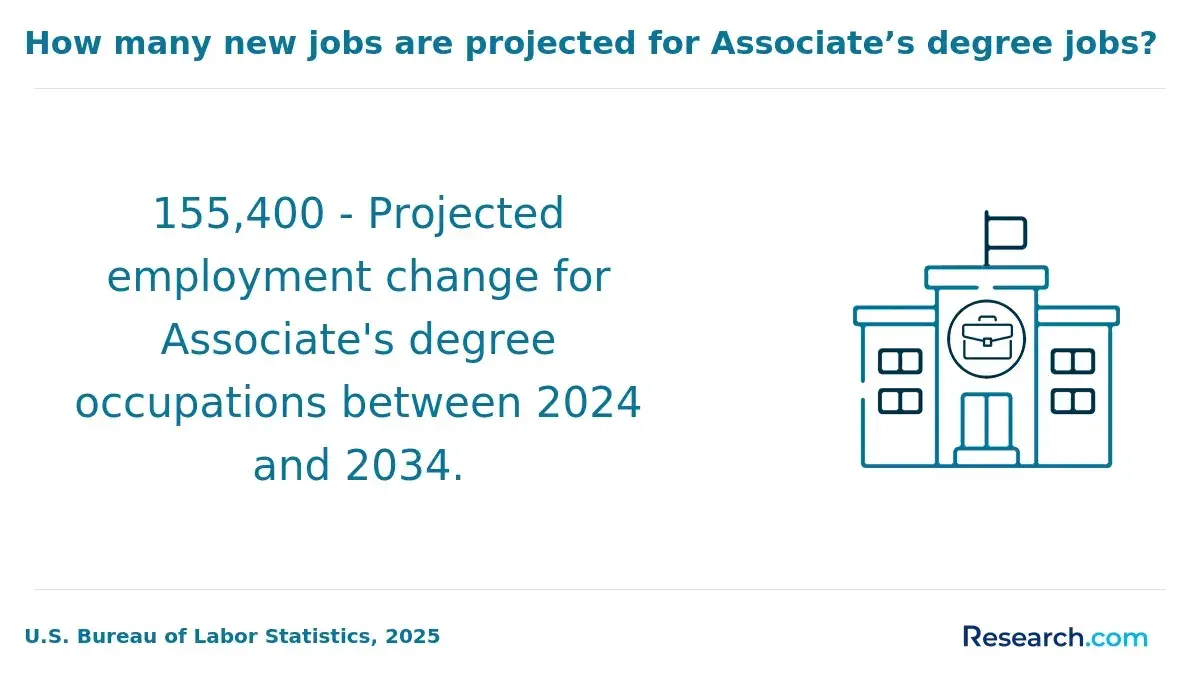
Demand for professionals who understand exercise, prevention, and rehabilitation continues to shape the field. According to the Bureau of Labor Statistics, employment of exercise physiologists and related professionals is projected to grow 11% from 2021 to 2031. That outlook reflects broader interest in chronic disease prevention, healthy aging, athletic performance, and workplace wellness.
This guide explains what an exercise science degree includes, the core courses and specializations students can expect, the technical and soft skills they develop, and how internships, certifications, jobs, and salary expectations fit into the bigger career picture.
Key Benefits of an Exercise Science Degree
- The curriculum covers human anatomy, physiology, biomechanics, and nutrition, providing a strong scientific foundation essential for understanding physical health and exercise performance.
- Students develop critical skills in data analysis, fitness assessment, and exercise prescription, preparing them for diverse roles in health and rehabilitation fields.
- Core competencies include effective communication, ethical practice, and evidence-based decision-making, supporting professional standards required in clinical and fitness environments.
What Is an Exercise Science Degree?
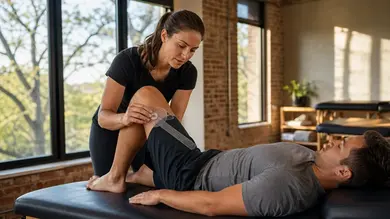
An exercise science degree is an academic program focused on human movement, physical activity, and the body’s physiological response to exercise. Programs are commonly housed in health sciences, kinesiology, physical education, or allied health departments. The major combines classroom study with applied learning in anatomy, physiology, biomechanics, exercise testing, nutrition, and program design.
The degree is a strong fit for students interested in fitness, rehabilitation, sports performance, wellness coaching, preventive health, or preparation for graduate study in fields such as physical therapy, occupational therapy, athletic training, or clinical exercise physiology. It is not the same as a general fitness credential. A degree provides broader scientific training, while certifications often validate specific job-ready competencies such as personal training or strength and conditioning.
Employment in fitness, rehabilitation, and health promotion fields connected to this degree is expected to grow 19% from 2022 to 2032, reflecting demand for professionals who can apply exercise science in practical, evidence-informed ways. Graduates may work directly with clients, patients, athletes, or community populations, depending on their training and credentials.
Students can find exercise science programs in several formats. Traditional on-campus programs often provide the easiest access to labs, fitness testing equipment, and in-person supervision. Online and hybrid formats may work better for working adults, transfer students, or students who need scheduling flexibility, but they should still be evaluated carefully for lab requirements, internship access, and faculty support. Students comparing remote options may find it useful to review an online degree exercise physiology pathway alongside campus-based programs.
Some students also compare exercise science with adjacent healthcare routes, such as an online DNP, although those programs serve very different professional goals. Exercise science is best understood as a movement, performance, and health behavior degree—not a nursing, medical, or therapy license by itself.
What Core Courses Are Included in an Exercise Science Degree?
The core curriculum in an exercise science degree gives students the scientific base needed to understand how the body moves, adapts, fatigues, recovers, and responds to training. When comparing programs, students should look beyond course titles and ask whether classes include labs, assessment practice, case studies, and exposure to current professional standards such as those associated with the American College of Sports Medicine (ACSM).
- Anatomy and physiology: Students study the structure and function of major body systems, with special attention to muscles, bones, joints, the cardiovascular system, and the respiratory system. This course is foundational for understanding injury risk, movement limitations, and exercise response.
- Kinesiology: Kinesiology examines human movement, including joint actions, muscle function, posture, gait, and biomechanics. It helps students analyze movement quality and understand how technique affects performance and injury prevention.
- Exercise physiology: This course focuses on acute responses and long-term adaptations to exercise. Students learn how training affects cardiovascular endurance, muscular strength, metabolism, thermoregulation, and recovery.
- Nutrition: Nutrition coursework connects food intake, energy balance, body composition, recovery, and athletic performance. Students learn how diet supports training goals while recognizing the limits of their scope of practice unless they pursue additional nutrition credentials.
- Research methods and statistics: These courses teach students how to read scientific literature, evaluate study quality, interpret data, and apply evidence-based reasoning. This is especially important in a field where trends, products, and unverified claims are common.
A strong program should also include courses in exercise testing, program design, motor learning, health behavior, and special populations. Students who want a more clinical path should check whether the curriculum includes cardiac rehabilitation concepts, risk stratification, emergency procedures, and supervised applied experience.
Students exploring faster entry into adjacent healthcare support roles may also compare options such as a medical assistant certification, but that route is different from the scientific and movement-based preparation of an exercise science degree.

What Specializations Are Available in an Exercise Science Degree?
Specializations allow exercise science students to align coursework, electives, internships, and certifications with a clearer career goal. The best choice depends on whether a student wants to work in fitness, sports performance, clinical rehabilitation, wellness, or graduate professional study.
The U.S. Bureau of Labor Statistics forecasts an 11% growth in exercise physiologist jobs between 2022 and 2032, signaling continued demand for professionals who can apply exercise principles in health and performance settings.
- Kinesiology: This specialization emphasizes movement analysis, biomechanics, motor control, and physical activity across the lifespan. It is useful for students interested in rehabilitation, ergonomics, injury prevention, athletic movement, or graduate study in therapy-related fields.
- Strength and conditioning: This track focuses on training program design, athletic performance, resistance training, speed development, conditioning, recovery, and injury risk reduction. Students pursuing this path should consider whether the program prepares them for recognized certifications and includes practical coaching experience.
- Clinical exercise physiology: This specialization applies exercise testing and prescription to people with chronic diseases, medical conditions, or elevated health risk. It is commonly associated with cardiac rehabilitation, pulmonary rehabilitation, hospital wellness programs, and medically supervised fitness environments.
- Sports nutrition: This concentration connects exercise performance with energy needs, hydration, recovery, and body composition. Students should be careful about scope of practice, since advanced nutrition counseling may require additional credentials depending on the role and state requirements.
When choosing a specialization, students should review internship sites, lab facilities, faculty expertise, and certification alignment. A sports performance track without coaching placements, or a clinical track without supervised health assessment practice, may not provide enough applied preparation.
The time required to complete an exercise science degree depends on enrollment status, transfer credits, program format, lab scheduling, and internship requirements. For many students, the timeline is also a financial decision because longer enrollment can increase total costs, while accelerated study can limit work hours and personal flexibility.
- Traditional full-time: A full-time bachelor’s program typically takes around four years to complete. This path works well for students who can follow a standard course sequence and participate in labs, campus activities, and internships without major scheduling conflicts.
- Part-time: Part-time study often extends beyond six years. It may be the most realistic option for students balancing employment, caregiving, military service, or other commitments, but students should confirm how long science credits remain valid and how often required courses are offered.
- Accelerated: Accelerated formats may condense the program into two to three years through heavier course loads, shorter terms, summer study, or transfer credit. This can shorten the path to graduation but requires strong time management and may be difficult for students who need to work many hours each week.
- Online: Online programs usually span about four years, although completion time varies by transfer credits and course load. Students should ask how labs, fitness assessments, and internships are handled, since exercise science is an applied field that cannot be learned entirely through readings and lectures.
A professional who completed a hybrid exercise science program described the timeline trade-off clearly: “Managing hands-on practice alongside flexible online classes required strict time management, but it allowed me to work part-time and gradually build skills.”
He noted that the hybrid format extended his studies beyond the traditional timeline slightly, but the combination of in-person labs and online coursework made the extra months worthwhile. “It felt like the best of both worlds, albeit demanding at times,” he added.
Exercise science programs build technical skills that help students assess movement, evaluate fitness, interpret physiological data, and design safer exercise programs. These skills matter because graduates often work with people who have different goals, health histories, injury risks, and performance levels. Employment in related fields is expected to rise by 16% between 2021 and 2031.
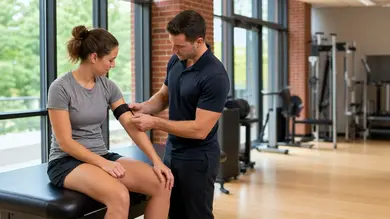
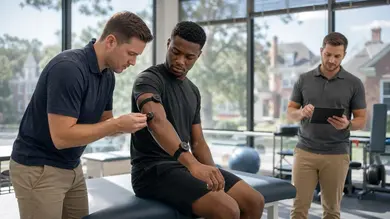
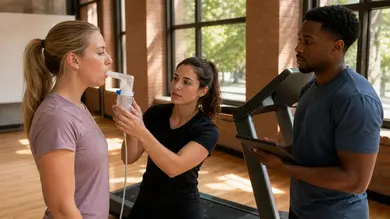
- Diagnostic tools: Students may learn to use body composition analyzers, electromyography (EMG) equipment, metabolic carts, heart rate monitors, and other assessment tools. The goal is not just operating equipment, but understanding what the data can and cannot prove.
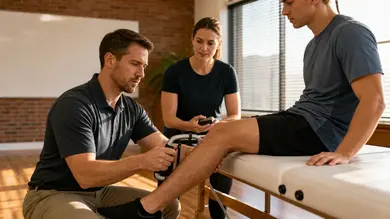
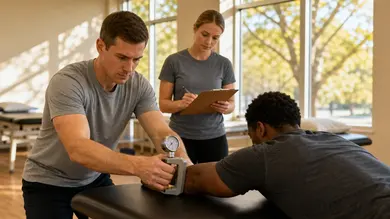
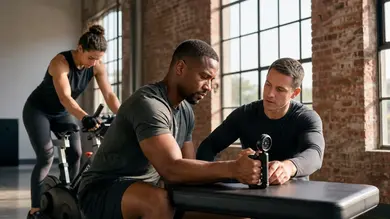
- Exercise testing methods: Programs often train students in protocols such as VO2 max testing, submaximal cardiovascular testing, flexibility assessment, muscular endurance testing, and strength assessment. Students also learn why screening and safety procedures are essential before testing.
- Data analysis: Graduates develop the ability to interpret biomechanical, physiological, and kinesiology data. This skill supports decisions about exercise progression, movement correction, injury prevention, and performance improvement.
- Health and fitness technology: Students may gain experience with electronic health record (EHR) systems, fitness tracking platforms, wearable devices, and specialized software used to monitor progress, document sessions, and communicate outcomes.
Strong programs also teach students to connect technical results to practical recommendations. For example, a body composition result, gait observation, or strength imbalance should not be treated as an isolated number. It should inform a safe, individualized plan that considers the person’s goals, medical history, training age, and readiness to change.
Technical knowledge is not enough in exercise science. Graduates must explain complex concepts, motivate behavior change, collaborate with other professionals, and adapt plans when clients or patients face setbacks. These soft skills often determine whether scientific knowledge translates into real results.
- Communication: Students learn to explain exercise recommendations, assessment findings, safety concerns, and progress goals in clear language. This matters when working with athletes, older adults, patients, parents, coaches, or healthcare teams.
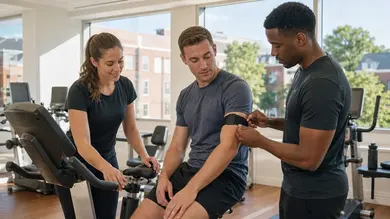
- Teamwork: Exercise science professionals may collaborate with physicians, physical therapists, athletic trainers, dietitians, nurses, coaches, and wellness staff. Effective teamwork requires knowing one’s role and respecting professional boundaries.
- Problem-solving: Students practice adjusting exercise plans when a client has pain, limited equipment, low motivation, time constraints, or changing health status. Good problem-solving is grounded in evidence, not guesswork.
- Critical thinking: The field is full of trends and conflicting claims. Students learn to evaluate research, question assumptions, and choose interventions based on evidence, safety, and individual needs.
- Adaptability: Exercise plans often change because of injury, schedule disruptions, medical updates, performance plateaus, or client preferences. Adaptability helps professionals keep people progressing without ignoring risk.
One graduate described how group projects and case studies shaped her professional confidence. “Navigating those situations taught me how to listen actively and tailor my message,” she said. She also found that complex case studies helped her think through client needs instead of relying on one-size-fits-all plans.
During internships, those soft skills became even more important. Unexpected schedule changes, client health updates, and different communication styles required patience and flexibility. She said the combination of communication, critical thinking, and adaptability helped her build stronger professional relationships and take on greater responsibility over time.
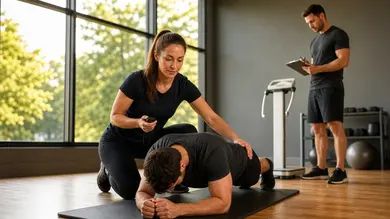
Many exercise science programs include supervised field experience because the major is applied by nature. Research indicates that more than 70% of exercise science programs across the U.S. integrate internships or cooperative education (co-op) experiences into their curricula. These placements may occur in rehabilitation centers, fitness facilities, hospitals, clinical wellness programs, athletic departments, community health organizations, or sports performance settings.
Internships and co-ops may be required for graduation or offered as strongly recommended options. Their length varies widely, from a few weeks to an entire academic term. Students should confirm the required hours, supervision standards, placement process, and whether they must find their own site.
The value of an internship depends heavily on the quality of supervision. A strong placement lets students observe professionals, practice assessments, help design exercise programs, document progress, communicate with clients or patients, and receive feedback. A weak placement may involve mostly administrative work or unsupervised tasks that add little professional preparation.
Students should ask programs these questions before enrolling:
- Are internships required, optional, or competitive?
- What types of sites have accepted students recently?
- Are clinical, sports performance, and community wellness placements all available?
- Who supervises students, and what credentials do supervisors hold?
- Can online or hybrid students complete placements near where they live?
- Does the internship help students prepare for certifications, graduate school, or employment?
Beyond skill development, internships can help students build references, clarify career goals, and make local employer connections. For many graduates, field experience is the part of the degree that makes their resume more credible.
Certifications are not always included in an exercise science curriculum, but many programs prepare students for them. This distinction matters. A degree may cover the science behind assessment and programming, while a certification may be needed or preferred for specific roles such as personal trainer, strength and conditioning coach, or clinical exercise specialist.
Some programs embed preparation for CPR/AED, personal training, group fitness, or strength and conditioning credentials. Others align coursework with certification bodies but require students to register for exams separately. Students should ask whether exam fees are included in tuition, whether certification preparation is formal or informal, and which credentials employers in their target field actually value.
Organizations such as the National Strength and Conditioning Association (NSCA) and the American College of Sports Medicine (ACSM) offer certifications that align closely with exercise science training. These credentials may strengthen employability, but they do not replace degree requirements, clinical supervision, or licensure when those are required for a specific occupation.
Students interested in healthcare leadership or administrative roles connected to wellness, rehabilitation, or population health may also compare a fast track healthcare administration degree, although that path emphasizes management rather than exercise testing and programming.
Exercise science graduates work in fitness, wellness, sports performance, rehabilitation support, and health promotion roles. Employment for exercise physiologists is projected to grow 11% from 2022 to 2032, reflecting demand for professionals who can support preventive care, chronic disease management, and safe physical activity.
Common job paths include:
- Exercise physiologists: These professionals develop exercise programs for people managing chronic conditions, recovering from illness, or improving functional capacity. They often work in hospitals, rehabilitation centers, cardiac rehabilitation programs, or community health settings.
- Fitness trainers and instructors: Trainers guide individuals or groups through strength, cardiovascular, mobility, and general fitness programs. An exercise science background can help trainers design safer, more individualized plans than those based only on general fitness trends.
- Physical therapy assistants: Some exercise science graduates pursue rehabilitation support roles, but students should note that physical therapy assistants typically need to complete an accredited physical therapist assistant program and meet state licensure or certification requirements. An exercise science degree may help with preparation, but it is not automatically a PTA credential.
- Wellness coaches: Wellness coaches help clients build healthier routines around physical activity, stress management, sleep, and lifestyle change. They may work in corporate wellness, community programs, health systems, or fitness organizations.
Other possible roles include strength and conditioning coach, health educator, rehabilitation aide, performance specialist, exercise technician, corporate wellness coordinator, and graduate school applicant for physical therapy, occupational therapy, athletic training, or related healthcare fields. The strongest path depends on internships, certifications, location, and whether the role requires additional education or licensure.
Students who want broader health sector options may also research an affordable healthcare administration degree online to compare administrative career routes with direct exercise and wellness roles.
Salary outcomes for exercise science graduates vary widely because the degree leads to several types of roles. According to the U.S. Bureau of Labor Statistics, the median annual wage for exercise physiologists was about $50,280 as of 2022. That figure is a useful benchmark, but it should not be treated as a guaranteed starting salary for every graduate.
Several factors affect earning potential:
- Experience: Entry-level graduates often start with salaries closer to $40,000, particularly in clinical or fitness settings. With experience, specialized skills, and stronger professional networks, earnings may rise, often exceeding $70,000 annually in mid-career stages.
- Role: Exercise physiologists, rehabilitation specialists, and strength and conditioning coaches may have different pay ranges than general fitness trainers or wellness coordinators. Job duties, employer expectations, and required credentials all matter.
- Industry: Healthcare, research institutions, and specialized clinical environments may offer stronger compensation than some gym, recreation, or entry-level wellness settings.
- Location: Salaries often differ by region. Urban centers and areas with higher living costs generally offer higher pay than many rural markets, though expenses may also be higher.
- Certifications: Advanced or specialized credentials, such as the Certified Strength and Conditioning Specialist (CSCS), can improve competitiveness and may support higher earnings in certain roles.
Students should evaluate salary alongside tuition, debt, internship access, certification costs, and the likelihood of needing graduate school. For those comparing healthcare education costs more broadly, resources on the cheapest RN to BSN online programs can provide a useful point of comparison for how different health-related degrees structure affordability.
What Graduates Say About Their Exercise Science Degree
- James: "My experience in the exercise science program was both rigorous and rewarding. The curriculum pushed me to master core competencies such as exercise prescription and nutrition, which are vital in the sports performance field. This degree truly elevated my professional opportunities and confidence despite the financial commitment involved."
- Enrique: "Reflecting on my exercise science studies, I appreciate how much emphasis was placed on research methodology and evidence-based practice. This foundation has been crucial in my profession as a clinical exercise physiologist, allowing me to design safe and effective rehabilitation programs. The skills I gained in data analysis and patient communication continue to shape my approach to healthcare."
- Daniel: "The exercise science degree's comprehensive curriculum gave me a deep understanding of human anatomy, physiology, and biomechanics, which I found invaluable in my career as a personal trainer. The blend of theoretical knowledge and practical skills helped me develop strong assessment and training techniques that my clients truly benefit from. Considering the average cost of attendance was reasonable, I feel the investment has paid off tremendously."
Other Things You Should Know About Exercise Science Degrees
Yes, exercise science programs typically include coursework on ethics and professional conduct, focusing on topics such as patient confidentiality, informed consent, and responsible research practices. Understanding ethical standards prepares students to maintain professionalism in healthcare settings and to ensure client safety and well-being. These elements are critical to building trust and credibility in the exercise science field.
In 2027, admission requirements for an exercise science degree typically include a high school diploma or equivalent with coursework in biology and chemistry. Some programs may require standardized test scores, letters of recommendation, and a personal statement. Check specific school requirements for additional criteria.
- What can I do with an Exercise Science degree? Jobs & Career Paths - Concordia University | Student Success Centre - Concordia University https://www.concordia.ca/students/success/career-planning/paths/exercise-science.html
- Exercise Science Degree Programs Lead to Rewarding Careers in Health and Fitness http://www.carrollcc.edu/articles/exercise-science-degree-programs-lead-to-rewarding-careers-in-health-and-fitness/
- Exercise Science and Kinesiology B.S., with Exercise and Wellness Concentration https://catalog.usf.edu/preview_program.php
- What is Exercise Science (Kinesiology)? | Barton College https://www.barton.edu/what-is-excercise-science/
- Exercise Science | Marian University https://www.marian.edu/academics/programs/bachelors/indianapolis/exercise-science.php
- Top 3 Benefits of Getting an Exercise Science Degree in Oklahoma https://www.okbu.edu/news/2022/03/top-3-benefits-of-getting-an-exercise-science-degree-in-oklahoma.html
- Become a Certified Fitness and Wellness Professional | NASM https://www.nasm.org/