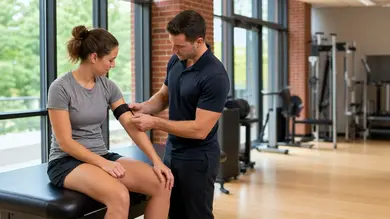
2027 Accelerated Online Exercise Science Degree Programs VS Weekly Start Online Degrees: Which Is Faster

Co-Founder and Chief Data Scientist
If you are comparing online exercise science degrees, the real question is not only “Which program is fastest?” It is “Which format can I realistically finish without hurting my grades, budget, work schedule, or career plans?” Accelerated programs can shorten the path to graduation, sometimes in as little as 12 months, but they usually require a heavier weekly commitment. Weekly start programs may let you begin sooner and adjust your schedule more easily, but the full degree timeline can be longer.
This guide explains how accelerated and weekly start online exercise science degrees differ in completion time, structure, workload, flexibility, cost, financial aid, transfer credits, and career support. It is designed for working adults, transfer students, career changers, and anyone trying to choose the fastest practical route to an exercise science credential. Recent data shows that 45% of online exercise science students prioritize program length as the key factor in enrollment decisions, but program length should be weighed alongside accreditation, academic support, course intensity, and total affordability.
Key Benefits of Accelerated Online Exercise Science Degree Programs vs Weekly Start Online Degrees
- Accelerated online exercise science programs typically reduce overall completion time by 25-40% compared to weekly start degrees, allowing students to enter the workforce sooner.
- They minimize idle gaps between courses, whereas weekly start models often involve waiting periods disrupting study momentum and extending program length.
- Accelerated formats provide more predictable graduation timelines vital for planning certifications and employment, contrasting with the variable pacing of weekly start programs.
How Long Does It Take to Finish an Accelerated Online Exercise Science Degree vs Weekly Start Online Degree?
The faster option is usually the accelerated online exercise science degree, but only for students who can sustain a compressed schedule. Accelerated programs are designed to move students through courses quickly, while weekly start programs prioritize access and scheduling flexibility. That means a weekly start program may let you enroll sooner, but an accelerated program may still get you to graduation faster once classes begin.
Accelerated Online Exercise Science Degrees
- Course length: Courses are commonly delivered in short terms, often between 5 to 8 weeks. Students cover the same type of material in less time, so the weekly reading, discussion, lab-related work, and assessments can be more concentrated.
- Enrollment pacing: Start dates are usually fixed rather than open every week. Once enrolled, students follow a condensed academic calendar with fewer opportunities to pause between courses.
- Number of classes taken: Students may take multiple courses at once or move quickly from one short course to the next. This can reduce total completion time, but it also increases the need for disciplined weekly planning.
- Breaks between terms: Breaks are usually brief. The format rewards students who can study continuously without long gaps for work, travel, or family obligations.
- Completion timeline: Completion typically ranges from 12 to 18 months, making accelerated online Exercise Science degree completion time significantly shorter than many more flexible formats.
Weekly Start Online Exercise Science Degrees
- Course length: Courses often run 8 to 16 weeks, giving students more time to complete assignments, review scientific concepts, and balance coursework with outside responsibilities.
- Enrollment pacing: New classes may begin weekly or monthly. This reduces the wait to start, especially for students who do not want to delay enrollment until a fall, spring, or summer term.
- Number of classes taken: Students often take fewer courses at a time. This can make the degree more manageable but may extend the total timeline.
- Breaks between terms: Weekly start programs may have fewer long breaks, but the pace is usually more measured. Students can often adjust their load based on work schedules or family needs.
- Completion timeline: Program duration often extends between 24 to 36 months, which is typical for weekly start online Exercise Science degree duration.
For students whose priority is the shortest realistic path, the better question is whether they can handle the weekly intensity of the accelerated model. Students comparing formats can also review an accelerated exercise science degree online to see how program length, pacing, and delivery options differ across online schools. More information on comparable program formats can be found in online DNP programs.
How Are Accelerated Online Exercise Science Degree vs Weekly Start Online Degrees Structured?
Program structure determines how quickly you move, how often you start new courses, and how much work is due each week. In exercise science, this matters because students may study anatomy, physiology, kinesiology, biomechanics, nutrition, health behavior, and research methods. Compressing those subjects into shorter terms can be efficient, but it leaves less time for review and recovery.
Accelerated Online Exercise Science Degree Structure
- Academic terms: Programs typically use condensed terms lasting 5 to 8 weeks. Each term is built for rapid progress rather than a traditional semester rhythm.
- Course length: Each course moves through content faster than a standard semester course. Students may need to complete readings, discussions, quizzes, projects, and exams in close succession.
- Start dates: Start and end dates usually follow a set academic calendar. This can simplify planning once you are enrolled, but it may limit when you can begin.
- Pacing and workload: The weekly workload is intensive. Students need reliable time blocks, strong organization, and the ability to keep up even when assignments overlap.
- Best fit: This structure is strongest for students who already have college experience, transfer credits, predictable schedules, and a clear reason to finish quickly.
Weekly Start Online Exercise Science Degree Structure
- Academic terms: Weekly start programs use rolling or frequent enrollment. Courses may start every week or month, which helps students avoid long application-to-class delays.
- Course length: Courses commonly extend from 8 to 16 weeks. This gives students more time to absorb technical content and complete assignments without the same level of compression.
- Start dates: Continuous start options are useful for students who miss a traditional deadline or need to coordinate enrollment around work, childcare, military service, or relocation.
- Pacing and workload: Work is distributed more evenly. This format can be easier for students who need flexibility more than speed.
- Best fit: Weekly start programs are often a better match for students with unpredictable schedules, part-time study plans, or limited weekly study hours.
The key trade-off is control versus speed. Accelerated programs give you a faster academic route but less room for disruption. Weekly start programs give you more entry points and often a steadier course rhythm, but the total time to graduation may be longer. Prospective students exploring options for advanced nursing education may also find relevant insights by reviewing BSN to DNP programs.
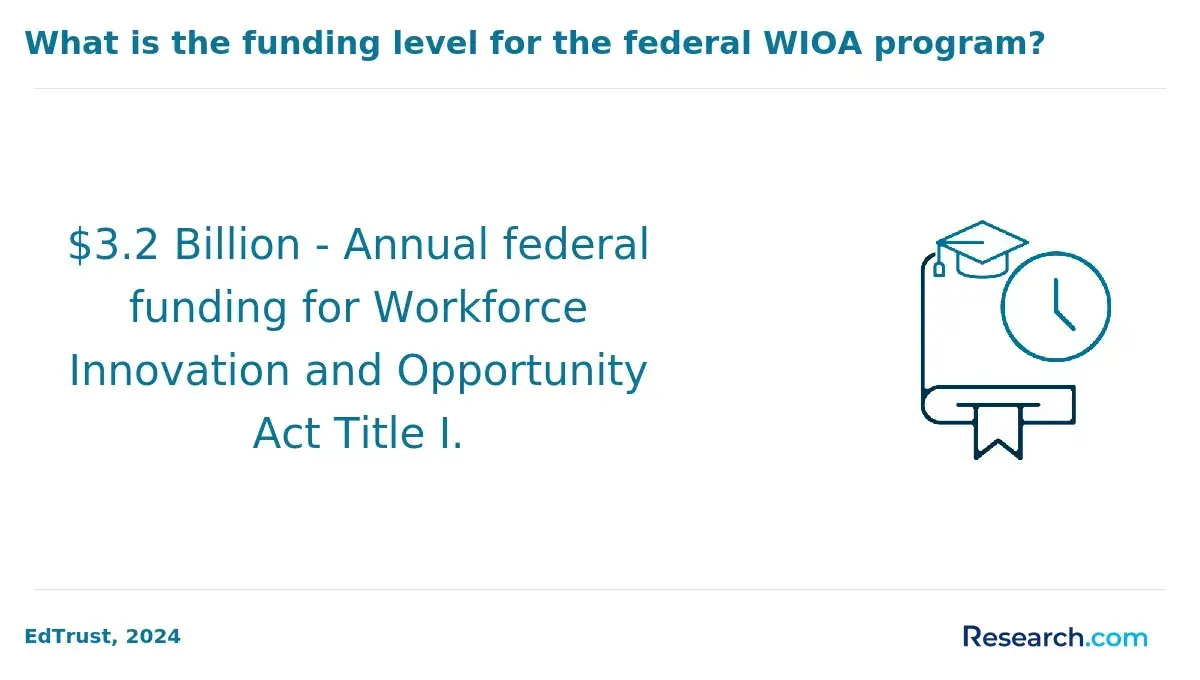
Is the Workload Heavier in Accelerated vs Weekly Start Online Exercise Science Degrees?
Yes. The workload is usually heavier each week in an accelerated online exercise science degree because the same academic expectations are packed into shorter terms. Weekly start programs may require a similar number of total credits, but the work is spread over a longer period.
- Weekly time commitment: Accelerated courses require more focused study time each week because content that might normally be covered across a longer term is compressed into a few weeks.
- Assignment frequency: Accelerated programs often have tightly spaced deadlines. Students may face discussions, quizzes, exams, lab-style assignments, and projects in the same week.
- Pacing: Weekly start degrees usually spread coursework more evenly over an 8 to 16 weeks course structure, allowing students to build a steadier academic routine.
- Expectations: Accelerated formats expect students to learn, apply, and retain material quickly. This can be difficult in science-heavy courses if a student falls behind early.
- Risk of overload: Students who work full time, travel often, or manage caregiving responsibilities should be cautious about taking multiple accelerated courses at once.
One professional who recently completed an accelerated online Exercise Science degree described the workload as “intense and relentless,” explaining that the condensed schedule left little room for breaks or catching up. “Some weeks, I was dedicating over 25 hours just to keep pace,” he recalled.
He also said the pressure improved his planning habits. The rapid sequence of deadlines “sharpened my organizational skills and discipline faster than I anticipated.” His experience shows the central trade-off: accelerated programs can build momentum and shorten the path to completion, but they are unforgiving when a student loses time.
If you choose an accelerated format, treat the program like a major weekly obligation, not a side project. Before enrolling, ask the school how many hours students typically spend per course, whether courses include synchronous meetings, and how quickly instructors return feedback. Those details matter more than the word “accelerated” alone.
Weekly start online exercise science programs usually offer more flexibility. They are built around frequent enrollment dates and a more distributed workload, making them easier to fit around changing work schedules, family responsibilities, and other obligations. Accelerated programs offer flexibility in location because they are online, but not always flexibility in pace.
Where Accelerated Programs Are Less Flexible
Accelerated online exercise science degree programs typically follow a demanding schedule with intense weekly workloads and tightly paced courses. They often begin only a few times annually, so students may need to wait for the next cohort or term. Once classes begin, the condensed timeline leaves little room for illness, overtime at work, travel, or other interruptions.
Because these programs can be completed in 12 to 18 months, students must maintain consistent engagement. Missing a week in a 5 to 8 weeks course can be far more disruptive than missing a week in a longer course. For students with stable routines, this structure can be efficient. For students with unpredictable responsibilities, it can become stressful quickly.
Where Weekly Start Programs Are More Flexible
Weekly start online exercise science programs provide greater scheduling flexibility by offering nearly continuous or frequent enrollment opportunities throughout the year. Students may be able to begin almost any week and adjust their academic plans around job changes, family needs, or financial considerations.
The longer 8 to 16 weeks course structure also gives students more time to complete assignments and recover from busy periods. This does not mean weekly start programs are easier academically; the curriculum can still be rigorous. The difference is that the pace is typically more forgiving.
Overall, weekly start programs are usually better for students who need adaptability. Accelerated programs are better for students who can trade flexibility for speed.
Weekly start programs usually let you start faster. Accelerated programs may finish faster after enrollment, but they often have fixed intake dates. If you miss one, you may wait weeks or months before the next cohort begins. Weekly start formats reduce that delay by offering more frequent entry points.
- Start date availability: Accelerated programs usually have a few predetermined start dates each year, often aligned with traditional academic terms like fall or spring. This can create a waiting period even for students who are ready to enroll.
- Enrollment flexibility: Weekly start programs use rolling or frequent admissions, allowing students to enroll almost any week when application, transcript, and financial aid requirements are complete.
- Time to begin classes: Accelerated programs may require several weeks or months of waiting before courses begin. Weekly start formats may allow students to start classes quickly, often within days of completing enrollment requirements.
- Program pace and intensity: Accelerated programs condense course material into shorter timeframes, but their fixed start dates can delay the beginning of the degree. Weekly starts combine quick entry with a more adjustable pace.
- Decision point: If your main goal is to begin immediately, weekly start is usually stronger. If your main goal is to graduate in the shortest total time, accelerated may still be stronger if the next start date is soon.
Before deciding, compare the actual calendar, not just the marketing label. Ask when the next start date is, when financial aid disburses, whether transfer credits must be evaluated before enrollment, and whether missing the first week delays you to a later start.
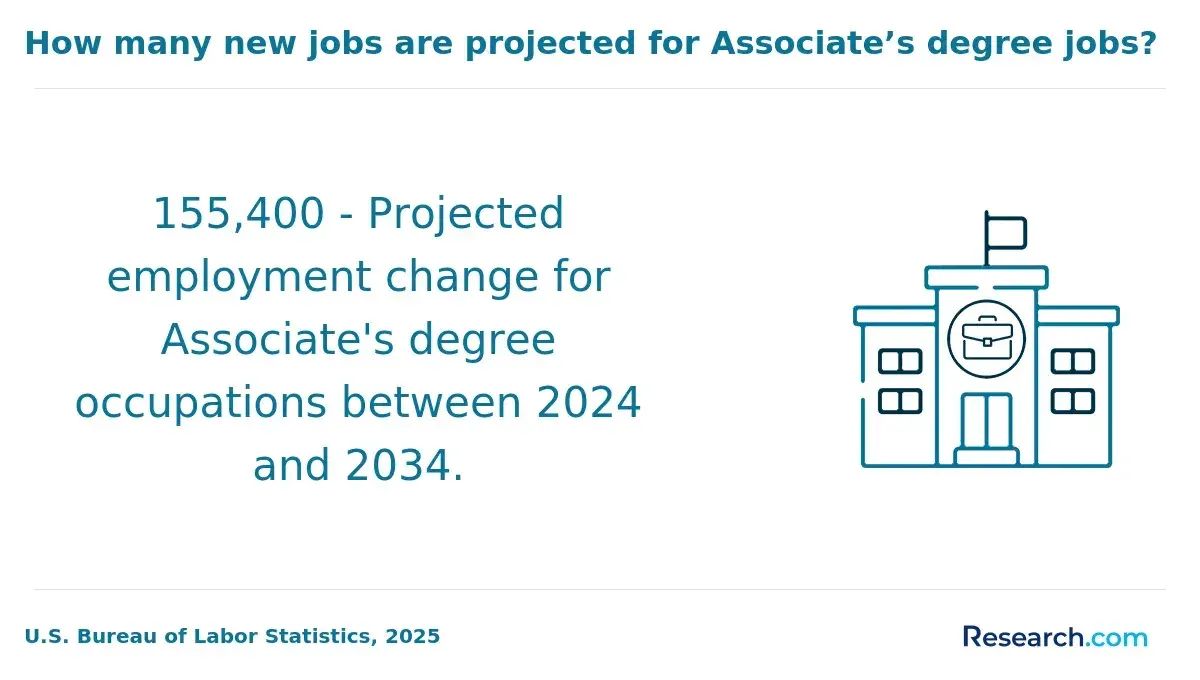
An accelerated online exercise science degree may have a higher per-credit cost, but it is not always more expensive overall. The total cost depends on tuition, fees, transfer credits, time enrolled, lost wages, and whether the student can keep working while studying. Studies indicate that accelerated health-related programs can save students an average of 10-15% in tuition by enabling quicker graduation.
Cost Factors That Matter
- Program duration: Accelerated degrees compress coursework into shorter timeframes. Fewer months or years of enrollment can reduce term-based fees and some indirect costs.
- Per-credit tuition rates: Some accelerated formats charge more per credit. Because the total credits required may remain similar, students should calculate total tuition rather than comparing one course at a time.
- Additional fees and materials: Longer-running weekly start programs may involve repeated registration, technology, and course material costs that accumulate over time.
- Living and personal expenses: Finishing sooner can reduce the time a student spends balancing school-related expenses. However, if the accelerated pace forces a student to reduce work hours, the financial advantage may shrink.
- Payment timing: Accelerated programs may require students to pay for credits in a shorter period. Weekly start programs may make costs easier to spread across more terms.
One graduate from a weekly start online exercise science program explained that the longer timeline helped her manage costs. She worked part-time and applied for incremental scholarships offered each term. “Taking classes in smaller, manageable segments helped me avoid taking on large loans all at once,” she said.
Her experience highlights an important point: the cheapest option on paper is not always the most affordable option in practice. Accelerated programs can reduce total time and, in some cases, total tuition. Weekly start programs can provide financial breathing room, especially for students who need to keep working while enrolled.
To compare costs accurately, request a full cost-of-attendance estimate from each school. Include tuition, fees, books, technology charges, graduation fees, and any required campus visits or proctored exam costs.
Financial aid can work for both accelerated and weekly start online exercise science degrees, but the timing of aid can feel different because the academic calendars are different. According to the National Center for Education Statistics, about 85% of online students utilize some form of financial aid, underscoring its importance in accessible education.
- Aid eligibility: Eligibility requirements are often similar across program types, but students still need to confirm that the program is offered by an eligible institution and that their enrollment level qualifies for aid. Accelerated online Exercise Science degrees may restrict the duration aid covers due to shorter, more intensive terms.
- Disbursement schedules: Weekly start online Exercise Science degree financial assistance may have more frequent disbursement points aligned with multiple enrollment dates throughout the year. Students should ask exactly when funds are released and whether aid applies before or after classes begin.
- Program intensity and budgeting: Accelerated programs can require larger payments in a shorter window because credits are completed quickly. Students may need to plan for tuition, books, and living costs before aid is fully available.
- Work-study and employment: The increased intensity of an accelerated format may affect a student’s ability to work while enrolled. If a student reduces work hours, the financial plan should account for lower income, not only tuition.
- Satisfactory academic progress: Both formats require students to maintain academic progress for continued aid eligibility. Falling behind in an accelerated course can create financial as well as academic consequences.
Before committing, ask the financial aid office how the school defines the payment period, how aid is packaged for short terms, whether dropping a course affects aid repayment, and how transfer credits influence enrollment status. Students interested in exploring similar online degree options might also consider a health administration degree online for flexible and accelerated pathways.
Accelerated online exercise science degrees can work well for transfer students, but they are not automatically better. The deciding factor is the school’s transfer policy, not the delivery format. Transfer credits can reduce both completion time and tuition, especially for students who have already completed general education, anatomy, physiology, biology, statistics, psychology, or related health science coursework.
- Evaluation criteria: Transfer credits are assessed based on course content, credit hours, grades, and the accreditation status of the originating institution. Schools may also require that science courses be recent enough to meet current program standards.
- Program format impact: Accelerated online exercise science transfer policies may support a streamlined credit assessment process because many students enter with prior college work. Weekly start online exercise science credit acceptance can also be strong, but rolling enrollment may require careful timing so credits are evaluated before the student registers for duplicate courses.
- Major requirements: Even if general education credits transfer easily, exercise science major courses may be reviewed more closely. Courses in kinesiology, exercise physiology, biomechanics, and nutrition may need to match specific learning outcomes.
- Maximizing credit transfer: Students should submit official transcripts early, provide detailed syllabi when requested, and ask for a written degree plan showing exactly which credits apply.
- Residency requirements: Some schools require students to complete a minimum number of credits through the degree-granting institution. This can limit how much transfer credit shortens the program.
Research from the National Center for Education Statistics shows that more extensive acceptance of transfer credits can reduce degree completion time by 25-40%. For students comparing pathways, understanding transfer rules before enrollment is essential. Otherwise, they may choose a fast program but lose time retaking courses that could have transferred elsewhere.
For example, those interested in healthcare-related fields might also explore the cheapest online BSN programs as part of broader educational planning.
Accelerated online exercise science degrees do not automatically offer better career placement than weekly start programs. Career outcomes depend more on the school’s employer relationships, internship support, advising quality, alumni network, and the student’s career goals. According to the National Association of Colleges and Employers (NACE), about 54% of recent graduates use career services, contributing to higher employment rates within six months of graduation.
- Career services intensity: Weekly start programs may provide continuous, staggered career support because students enter and graduate throughout the year. This can give students repeated chances to use resume reviews, interview coaching, and job search advising.
- Networking opportunities: Weekly start formats may allow students to build longer-term relationships with faculty, classmates, and advisors because the program duration is often longer. Accelerated students may need to be more intentional about networking early.
- Employer relationships: Weekly programs may sustain ongoing employer partnerships through rolling enrollment and staggered graduation cycles. Accelerated programs can still have strong employer relationships, but students should verify how internships, practicums, or field experiences are scheduled within the compressed timeline.
- Job placement rates: Research shows weekly start exercise science degree job placement rates are slightly higher initially, likely tied to prolonged career support access and engagement over time, according to NACE 2023 data.
- Student responsibility: In an accelerated format, students should contact career services early, not near graduation. Waiting until the final term may leave too little time to prepare applications, secure references, or identify relevant openings.
Students should also be clear about what an exercise science degree can and cannot do by itself. It may support roles in fitness, wellness, health promotion, coaching, rehabilitation support, or preparation for graduate study, but some careers require additional certification, graduate education, supervised experience, or licensure. Those requirements vary by role and location.
The trade-off between speed and career resource depth is important. Students prioritizing rapid completion may prefer accelerated paths, while students seeking more time for internships, networking, and career preparation may benefit from weekly start formats. For students planning to explore related healthcare fields, programs like the cheapest RN to BSN online offer additional flexible degree options that support career advancement.
Choose an accelerated online exercise science degree if your main goal is to finish quickly and you can commit to a heavy weekly schedule. Choose a weekly start online degree if your main goal is flexibility, faster entry into classes, and a more manageable pace. The best choice is the one you can complete successfully, not simply the one that appears shortest.
Choose an Accelerated Program If You:
- Can study consistently each week without frequent interruptions.
- Have transfer credits that reduce the number of remaining courses.
- Are comfortable with short terms and frequent deadlines.
- Want to complete the degree in 12 to 18 months if your program plan allows it.
- Can manage tuition and fees over a shorter payment timeline.
Choose a Weekly Start Program If You:
- Need to begin soon rather than wait for a fixed term.
- Work full time or have an unpredictable schedule.
- Prefer courses that run 8 to 16 weeks instead of 5 to 8 weeks.
- Want more time to use tutoring, advising, career services, or faculty support.
- Need to spread costs and coursework over a longer period, often 24 to 36 months.
Questions to Ask Before Enrolling
- Accreditation: Is the institution properly accredited, and does the program meet the expectations for your career or graduate school plans?
- Transfer credits: How many credits will apply to the degree, and will the school provide a written transfer evaluation before you commit?
- Course schedule: How many courses are recommended per term, and how many hours should students expect to study each week?
- Support services: Are tutoring, advising, library access, technical support, and career services available to online students?
- Costs: What is the total estimated cost, including tuition, fees, books, technology charges, and any required in-person components?
- Career alignment: Does the curriculum support your intended path, whether that is fitness, wellness, coaching, rehabilitation support, health promotion, or graduate study?
A strong program should be transparent about pace, cost, transfer policies, student support, and outcomes. If a school promotes speed but cannot clearly explain workload, graduation requirements, or financial aid timing, ask more questions before enrolling.
What Graduates Say About Their Accelerated Online Exercise Science Degree Programs vs Weekly Start Online Degree
- Jody: "Choosing the accelerated online exercise science degree was a game-changer for me. The shorter duration meant I could jump into my career faster without sacrificing quality. Plus, the cost was remarkably affordable compared to traditional programs, making it a smart investment that truly paid off."
- Addison: "I opted for the weekly start online exercise science program because flexibility was crucial with my busy schedule. The reasonable cost allowed me to pursue my passion without financial stress, and now I find myself confidently advancing in my profession thanks to the comprehensive, efficient curriculum."
- Drake: "The accelerated online exercise science degree was a thoughtful choice to balance work, life, and study. Knowing the average cost of attendance was lower than most programs helped me commit without hesitation. This degree opened doors in my career that I hadn't imagined possible so quickly."
Other Things You Should Know About Exercise Science Degrees
Weekly start online degrees often provide more opportunities for practical application because students can engage in asynchronous discussions, projects, and real-world scenarios at a steady pace. Meanwhile, accelerated programs might focus more on swiftly covering theoretical content to maintain their fast pace.
Yes. Many exercise science programs require 120 to 180 total credits, plus supervised lab or internship hours in kinesiology, physiology, or fitness assessment. Programs often ask for 50 to 150 practicum hours, and clinical placements may need approved sites and background checks before enrollment.
In 2027, weekly start online degrees generally offer more flexible scheduling than accelerated programs. Students can start courses more frequently and often have more control over their study pace, whereas accelerated programs may have a more fixed and intensive schedule.
- Why Take Summer Accelerated Courses? https://online.une.edu/blog/why-take-summer-accelerated-courses/
- Online Master’s in Exercise Science – Self-Paced, Affordable https://exsci.cuchicago.edu/exercise-science/degrees/masters/
- Online Bachelor's in Exercise Science https://online.maryville.edu/online-bachelors-degrees/exercise-science/
- Exploring Online Learning Platforms for Fitness Professionals - Prolific Health - Jason Tam https://prolifichealth.ca/online-learning-platforms-fitness-professionals/
- The Ultimate Guide to Flexible Online Degrees for Busy Working Adults - Grace Christian University https://gracechristian.edu/blog/the-ultimate-guide-to-flexible-online-degrees-for-busy-working-adults/
- Master of Science Major in Exercise Science, Sport Coaching Concentration https://online.txst.edu/degrees/healthcare/ms-exercise-science-sports-coaching/
- Online Exercise Science Degrees: Top School Review https://www.edumed.org/online-schools/exercise-science-degrees/
- Top 15 Affordable Exercise Science Degree Online Programs https://www.sports-management-degrees.com/affordable-online-bachelors-sports-science/